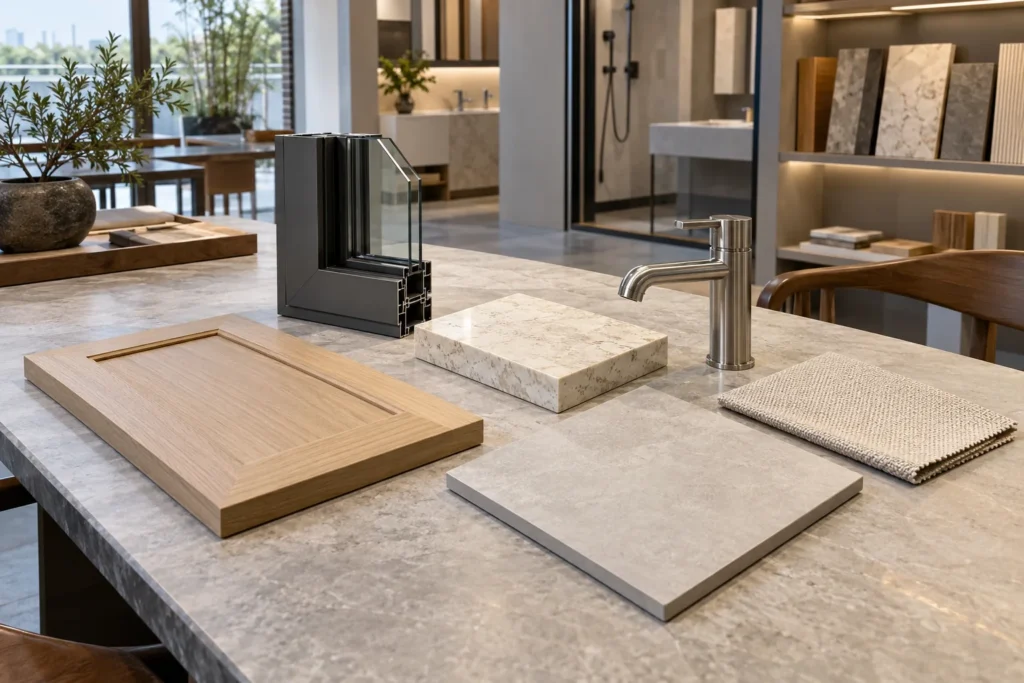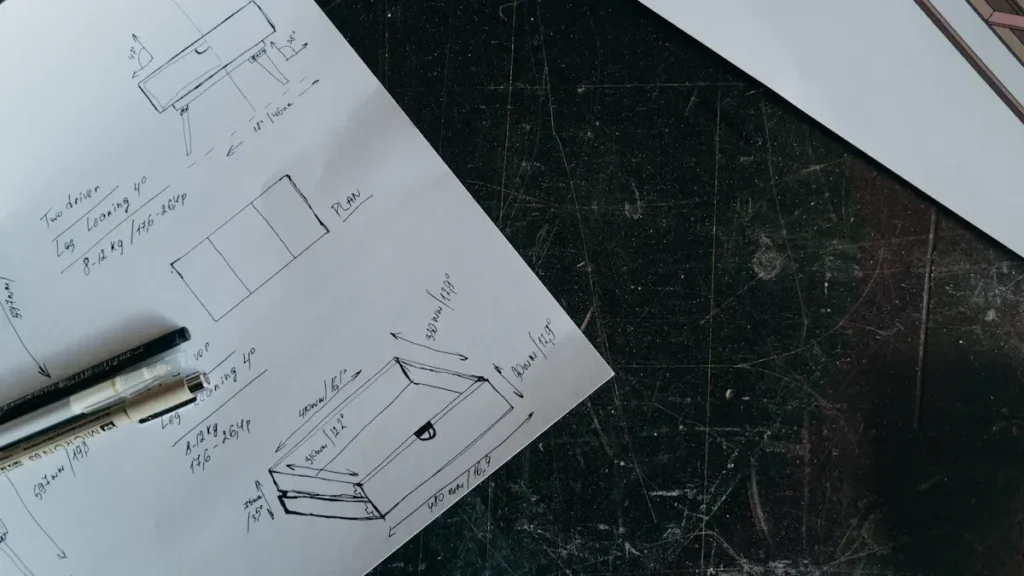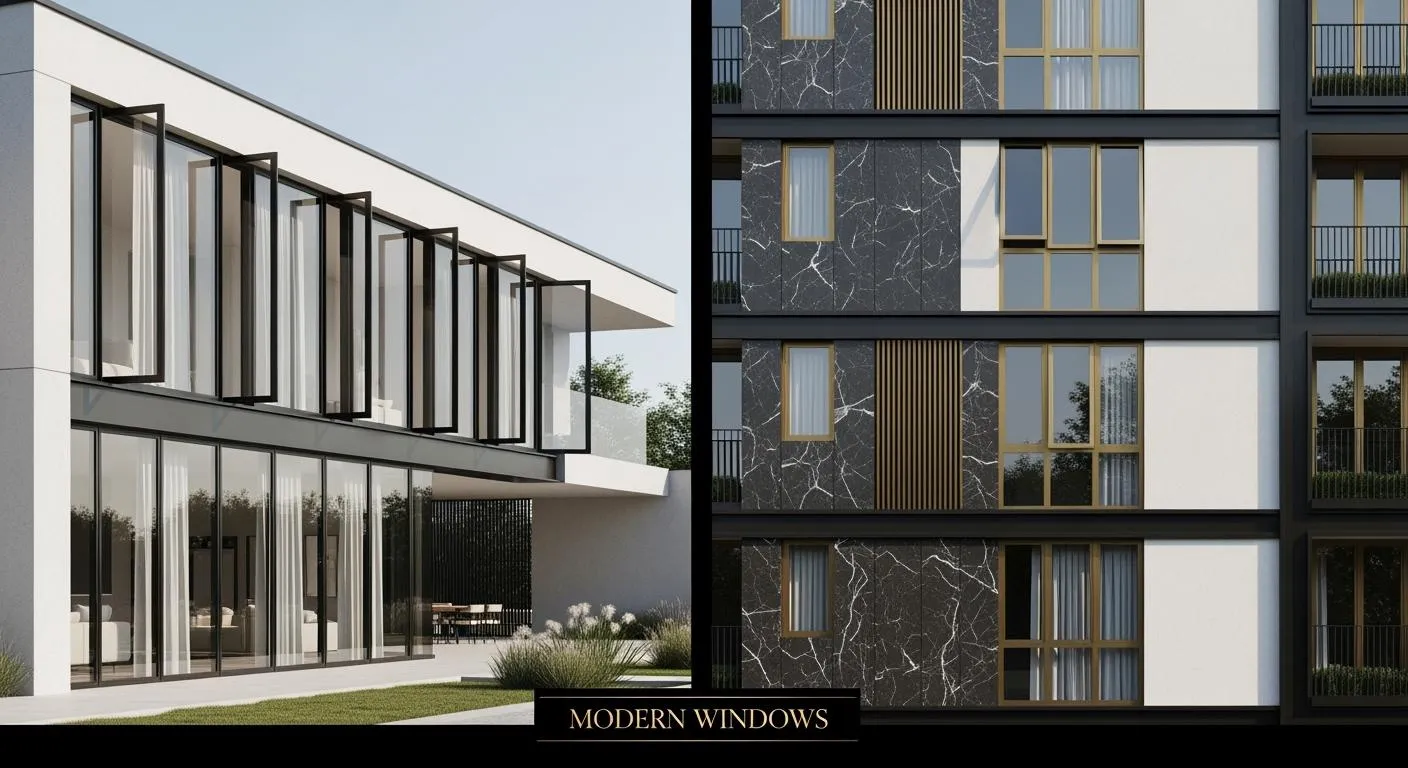
Choose casement windows or sliding windows by opening clearance, ventilation needs and tested performance. I recommend comparing complete window systems rather than assuming one style suits every villa or apartment. Check climate, glazing, access and installation details before approving the schedule. See Sibolla Building for related project options.
Key Takeaways
- Casement windows can provide a large operable opening; thermal performance depends on the tested system.
- Sliding windows do not take up much space. They are simple to use. They work well in small apartments.
- Think about your room’s layout before picking windows. Casement windows need room to open. Sliding windows do not need extra space.
- Compare glazed area, frame sightlines and mullions for the proposed configurations.
- Estimate energy savings using actual window ratings, climate and the existing building, not a fixed annual amount.
- Sibolla Building gives advice to help you pick windows. They help you find windows that fit your style and needs.
- Both types need maintenance; requirements depend on hardware, exposure and access.
- Pick window materials carefully. Aluminum frames last a long time. They are easy to care for in apartments.
Quick Comparison
Casement Windows vs Sliding Windows Overview
Picking the right window style can change your home a lot. You want windows that look good and work well. Good windows also help you save energy. The table below shows the main differences between casement and sliding windows.
| Factor | Casement window | Sliding window |
|---|---|---|
| Operation | Usually hinged; check inward or outward swing and clearance | Sashes move along tracks; check opening configuration |
| Ventilation | Opening area and wind direction affect airflow | Open area depends on the number and arrangement of sashes |
| Energy | Compare whole-window U-factor, SHGC and air leakage | Compare the same ratings and test conditions |
| Maintenance | Check hinges, operators, seals and safe cleaning access | Check tracks, rollers, seals and safe cleaning access |
| Security | Verify locks, glazing and tested assembly | Verify locks, anti-lift details and tested assembly |
| Cost | Compare the complete project specification | Compare the complete project specification |
- Compare the actual free opening area and ventilation path. Wind, pressure differences and restrictors affect both styles; opening a window does not guarantee a particular air-exchange rate.
- Casement designs often use compression seals, but savings depend on the exact assembly, installation, climate and previous windows. Compare rated products rather than assuming a dollar saving.
Tip: Think about how big your room is and how you use it. Casement windows need space to open. Sliding windows are good for small rooms.
Ask us to coordinate window dimensions, finishes and interfaces with the surrounding materials. Keep performance and installation checks specific to the window package. See custom cabinets for related project options.
Aesthetics & Design
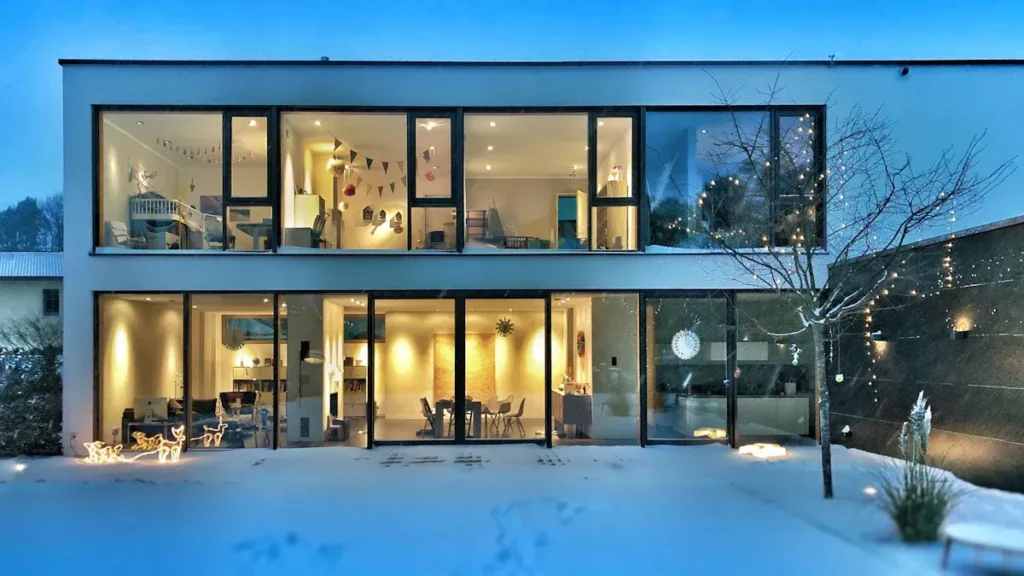
Image Source: unsplash
Modern Villas Style
Both styles can suit modern villas. Compare sightlines, operable area, shading and structural opening limits. Large casement sashes also need suitable hardware and opening clearance.
- Windows now make homes look better, feel nicer, and save energy.
- Modern homes use windows to bring in more light and connect inside and outside.
- Casement opening area can support ventilation where the layout and conditions permit.
- Sliding windows save space and look modern, especially in open rooms.
Apartment Style
Apartments need windows that make rooms feel open and bright. You want sunlight and fresh air in your home. Sliding windows are good for apartments because they do not use extra space. You can open them easily, even in small rooms. They make your apartment look neat and simple. Casement windows also work in apartments if you want more air. The window style you pick changes how your home feels. Windows help you feel close to the outdoors. They make your apartment seem bigger and brighter.
- Different windows change how a room looks and feels.
- Windows bring in light and air, making homes feel nice.
- Picking the right window connects inside and outside, and changes how your home looks.
Check opening clearance and ventilation requirements room by room. Both styles can suit a small room when the configuration is appropriate.
Customization with Sibolla Building
Coordinate window finishes and nearby cabinetry through approved drawings. Check handles, opening arcs, countertop interfaces and installation tolerances. Agree which coordination services are included.
- Sibolla Building helps match windows and cabinets for a nice look.
- You get help picking materials, planning, and putting things in.
- Resolve opening and cabinet interfaces before production approval.
Note: Sibolla Building’s way of working makes your villa or apartment feel finished. You get windows and cabinets that look good and work well together.
Functionality & Usability
Operation & Space
Casement sashes rotate on hinges; designs may open inward or outward. Check swing clearance and restrictors. Sliding sashes move within tracks, but common two-panel systems leave only part of the opening clear.
Tip: If you have a small room or a narrow balcony, sliding windows help you save space and keep the area clear.
Room Layouts
The layout of your room changes which window works best. You should think about how you use each space and what you need most—airflow, light, or easy access.
- Casement windows work well in rooms where you want strong airflow and a clear view. You can use them in living rooms to connect with the outdoors.
- Sliding windows fit best in rooms with limited space. Their clean lines and simple frames match modern layouts.
- Living rooms often use wide windows to bring in daylight and show off outdoor views. Casement and picture windows are popular here.
- Bedrooms need windows you can open for fresh air and safety. Casement and double-hung windows are common choices.
- Bathrooms need privacy and protection from moisture. Smaller windows, like awning styles, work well in these spaces.
You should match your window choice to each room’s needs. This helps you get the most comfort and style in your home.
Integration with Custom Cabinets
Where cabinets sit near windows, verify handle access, opening arcs and fixing details. Site dimensions must be confirmed before manufacturing either package.
Note: When you plan your windows and cabinets together, you get a room that feels bigger and works better for your daily life.
Send us the relevant elevations and cabinet interfaces so we can discuss unresolved dimensions before quotation.
Ventilation & Light
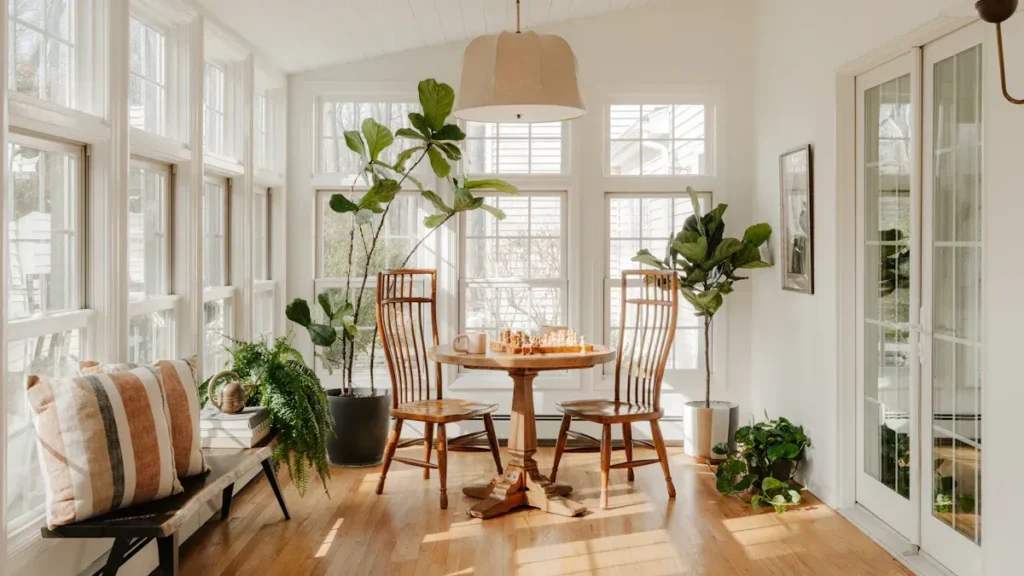
Image Source: unsplash
Airflow Comparison
A casement sash can catch wind depending on its orientation and opening angle. Airflow still depends on external conditions, room layout and restrictors. Verify the usable opening area.
Sliding systems can support cross-ventilation where the layout allows it. In common two-panel designs, one sash overlaps the other, reducing the clear opening. Compare configurations rather than assuming a fixed airflow difference.
Tip: If you want to control the direction and strength of airflow, casement windows give you more options. For steady, gentle air movement, sliding windows work well.
Natural Light Impact
Light changes how your home feels. You want rooms that look bright and open. Both casement and sliding windows let in a lot of sunlight, but they do it in different ways.
Daylight and view depend on glazed area, frame sightlines, mullions and glass transmission. A casement label alone does not establish an unobstructed view.
Sliding systems typically have meeting rails between sashes. Compare the actual glazed area and glass specification; moving the sash does not reliably control daylight or solar heat.
Here’s a quick look at how each window type affects light:
| Daylight check | Compare for both styles |
|---|---|
| Glazed area | Net visible glass after frames and mullions |
| Transmission | Visible transmittance of the specified glazing |
| View | Sightlines and sash arrangement |
| Solar exposure | Orientation, shading and glass specification |
Review orientation, shading and solar gain for the project location. A universal south- or east-facing recommendation would ignore hemisphere and climate.
You can use both window types in your project. Think about which rooms need more light or stronger airflow. This helps you create a home that feels healthy, bright, and comfortable every day.
Energy Efficiency
Casement Windows Performance
Casement compression seals can limit air leakage, but performance varies by product. Compare whole-window U-factor, SHGC and air-leakage ratings for the supplied dimensions and glazing. State units and test conditions. See [1].
Tip: A lower U-factor means better insulation. You spend less on energy bills.
Sliding Windows Performance
Sliding-window performance varies with frame design, seals, glazing and installation. Compare product-specific ratings under the same method; operating style alone does not determine insulation.
Here is a quick comparison:
| Performance measure | What to compare |
|---|---|
| U-factor | Whole-window value with units; lower means less heat transfer |
| SHGC | Solar heat gain suited to climate and shading |
| Air leakage | Rated value with units and stated test conditions |
| Configuration | Tested frame, glazing, dimensions and opening type |
Use comparable product ratings and installation details to evaluate both window options.
Sibolla Building’s Material Solutions
Ask us to identify the proposed window system and relevant performance evidence. Coordinate surrounding finishes separately; cabinetry does not establish window insulation.
- Sibolla Building offers expert advice on window and cabinet placement.
- Compare materials and glazing against the climate and project requirements.
- Agree pre-shipment checks and site installation responsibilities.
Check the quotation against the approved performance and installation scope.
Maintenance & Durability
Cleaning & Upkeep
Follow the manufacturer’s cleaning and maintenance instructions. Inspect operators, hinges, seals and fixings, and arrange safe access for exterior cleaning. Do not apply an assumed lubrication timetable.
Keep tracks and drainage paths clear using the approved cleaning method. Follow the roller and seal instructions before applying sprays or lubricants. Safe exterior access still needs planning.
Here is a quick list of tasks for each window type:
- Casement Windows:
- Lubricate crank
- Check hinges
- Inspect weatherstripping
- Tighten hardware
- Sliding windows: Clean tracks and drainage paths; inspect rollers and seals; follow approved care instructions.
Set maintenance tasks according to exposure, use and safe access. A fixed time allowance cannot cover every window system.
| System | Care tasks | Timing |
|---|---|---|
| Casement | Inspect hinges, operators, seals and drainage | Manufacturer guidance and observed condition |
| Sliding | Clean tracks and inspect rollers, seals and drainage | Manufacturer guidance and observed condition |
| Both | Check damaged seals, loose fixings and safe access | At handover and thereafter as required |
Tip: Keep a simple checklist for window care. You can avoid problems and keep your windows working well.
Long-Term Durability
You want windows that last. Casement windows use strong hardware. The crank and hinges can last many years if you care for them. The seals keep air out and help save energy. You must check these parts to stop leaks and drafts. If you keep up with maintenance, casement windows stay strong and look good.
Sliding windows use fewer moving parts. The tracks and rollers can wear out if you do not clean them. Dust and dirt can make the window hard to open. You must clean the tracks often. Sliding windows last longer if you keep the tracks clear.
Include these maintenance provisions in the project plan:
| Provision | What to confirm |
|---|---|
| Access | Safe cleaning and service arrangements |
| Instructions | Care guidance for the exact system |
| Replacement | Availability of compatible seals and hardware |
Both styles can provide long service when the selected system suits the exposure and receives appropriate installation and care.
Note: Regular care helps your windows last longer. You protect your investment and keep your home comfortable.
Ask us to confirm proposed materials, hardware and inspection scope. Use product evidence and care instructions to assess durability.
Security & Safety
Casement Windows Security
Check the lock arrangement and tested window assembly. Storm-impact resistance and forced-entry resistance are different requirements; strong glazing alone does not establish either performance.
Here is a quick look at common security features:
| Feature | What to verify |
|---|---|
| Locking system | Model, fixing and compatible keepers |
| Security performance | Evidence for the intended forced-entry requirement |
| Impact glazing | Tested assembly and the specific impact requirement |
| Installation | Fixings and substrate consistent with the approved system |
- Casement windows often have locking handles and keepers.
- Select glazing for the required safety, impact or security function.
Tip: Locks at many points and tight seals make casement windows a good choice for security.
Sliding Windows Security
Sliding-window security depends on locks, keepers, anti-lift details, frame and installation. Tempered safety glass reduces some breakage hazards but is not a substitute for security or fall protection.
You can make sliding windows safer by:
- Upgrading locks to stop forced entry.
- Picking tempered glass for safer breakage.
- Use approved security details without obstructing required emergency escape.
Note: Sliding windows are good for apartments and small rooms. You can make them safer with easy upgrades.
Family Safety
Emergency-escape suitability depends on clear opening dimensions, operating limits, location and local rules. Check both styles against the actual requirement. Opening restrictors and fall protection also need coordination.
Here is a table comparing safety features:
| Safety check | For either style |
|---|---|
| Emergency escape | Verify required clear opening and operation for the location |
| Security | Check locks, glazing and tested assembly |
| Fall protection | Confirm applicable guards or opening restrictions |
| Access | Check safe operation and maintenance clearance |
- Verify the proposed opening against applicable emergency-escape requirements.
- Specify appropriate safety glazing and fall-protection details where required.
- You should plan where windows go for easy access and safety.
Callout: Always check local rules for window size and opening. This keeps your family safe and your home secure.
Cost & Value
Initial & Installation Costs
Compare quotations using the same size, frame, glass, finish and installation scope. Different operating styles can change hardware cost, but neither style is always cheaper.
Here is a simple table to help you compare the average costs:
| Cost component | Include in both quotations |
|---|---|
| Window system | Dimensions, frame, glazing and hardware |
| Performance | Required product evidence and configuration |
| Installation | Fixings, flashing, sealing and access |
| Delivery | Packing, freight and receiving scope |
Compare complete installed and delivered scope rather than applying retail price ranges to an unspecified project.
Tip: Always check your room size and window needs before you choose. Sometimes, paying more at the start gives you better comfort and savings later.
Long-Term Value
Estimate energy performance using rated products and the building conditions. A well-specified sliding system may outperform a poorly specified casement system.
Casement windows use strong hardware. If you take care of them, they last many years. You get fewer drafts and less noise from outside. Sliding windows need less care, but the tracks can wear out if you do not clean them. Both window types can last a long time if you follow simple care steps.
Note: Think about how much you will save on energy and repairs. Sometimes, a higher upfront cost pays off in the long run.
Value with Sibolla Building
Coordinate windows and nearby cabinets using approved interfaces. Confirm supplied components, excluded work and site responsibilities in the quotation.
Review climate, glazing, opening clearance and installation details before approval. Keep allowances for unresolved site conditions rather than assuming no future adjustments.
- You get one team for your whole project.
- Coordinated drawings can reduce avoidable interface mistakes.
- Your home looks and works better for years.
Callout: When you choose Sibolla Building, you get more than just windows. You get a partner who helps you build value into every part of your project.
Suitability by Space
Best for Modern Villas
You want your villa to look modern and feel nice. Casement windows are a good choice for these homes. You can pick big windows for large rooms. Small rooms need smaller windows. Architects say the window size should match the room size. You can choose single, double, or awning styles. This depends on how much air you want and where you put the window.
Plan ventilation and thermal performance separately. Opening windows may improve comfort when outdoor conditions permit; rated insulation and solar control matter when windows are closed.
- Window size should fit the room.
- Style depends on airflow and where you put it.
- Material changes how the window looks and how you clean it.
- Energy efficiency makes your villa comfortable.
Tip: Put casement windows where you want lots of air and sunlight. You can see outside and feel close to your garden or patio.
Best for Apartments
You want your apartment to feel bright and open. Sliding windows are a smart pick for apartments. They do not swing out, so you save space. You can open them easily, even in small rooms. Sliding windows work well in bedrooms, kitchens, and living rooms with little space.
Think about where you put your windows. If you put them in the wrong spot, you might block sunlight or get too much heat. Pick the right window size. Small windows make rooms dark. Big windows can let in too much light and heat. You want steady airflow to keep your apartment fresh. Sliding windows help air move through your home. You can decide how much air comes in.
Choose frame and glazing systems for the project’s thermal, acoustic and maintenance requirements. Double glazing alone does not establish a noise rating.
- Sliding windows help you save space.
- Good placement brings in sun and fresh air.
- Review the complete glazing and frame ratings for thermal and acoustic performance.
- Privacy options make your home feel safe.
Note: Match window size and placement to your room. This keeps your apartment bright and cozy.
Project-Specific Recommendations
Select by climate, tested ratings, opening clearance and required ventilation. Sliding windows are not limited to mild climates, and casement windows are not automatically suitable for every hot or cold location.
You need to balance style and how the window works. Windows should look good and be useful. Pick windows that are easy to clean and do not need much care. Choose window types that fit how people live in the home.
Here is a table that shows common mistakes and how to fix them:
| Mistake Type | How to Avoid |
|---|---|
| Improper Window Placement | Put windows where they get sun and breezes. |
| Incorrect Window Size | Match window size to the room for comfort and light. |
| Lack of Ventilation | Pick windows that open wide for more air. |
| Poor Material Quality | Choose strong materials for windows that last. |
| Ignoring Sunlight Direction | Place windows to control heat and glare. |
| Prioritizing Style Over Function | Pick windows that bring in light and air, not just for looks. |
| Neglecting Noise Insulation | Use double-glazing to keep out noise. |
| Overlooking Maintenance | Pick windows that are easy to clean and care for. |
| Mismatched Aesthetic | Make sure window style matches your home. |
| Ignoring Privacy | Use frosted glass or curtains for privacy. |
Share the window schedule, destination and performance requirements with us. Confirm unresolved dimensions and installation interfaces before approval.
You can make your villa or apartment feel nice and look great. You save money and enjoy your home every day.
Compare casement windows and sliding windows room by room using the same performance requirements. I would prioritize usable opening, tested ratings and service access before assigning a style to villas or apartments.
- Choose aluminum sliding windows for sleek lines and easy upkeep.
- Choose casement configurations where the swing and usable opening suit the design.
- Always match your window to your home’s style and your daily life.
FAQ
Casement sashes rotate on hinges; sliding sashes move along tracks. Compare opening clearance and actual free opening area for the proposed configurations.
Compare whole-window U-factor, SHGC and air leakage for rated products. Climate, glazing and installation affect savings; operating style alone is insufficient.
You can use both window types in your home. Put casement windows in rooms that need lots of fresh air. Use sliding windows where you do not have much space. Sibolla Building helps you plan where each window goes.
Follow the exact system’s care instructions. Keep tracks and drainage clear, inspect hardware and seals, and use lubricants only where approved.
Neither style is universally safer. Check locks, tested assembly, safety glazing, fall protection and emergency-escape requirements for the intended location.
Provide the elevations, window schedule and adjacent cabinet drawings. We can discuss coordination requirements; site verification and installer responsibilities must still be agreed.
References and Sources
Sources checked on 27 September 2026. Standards and guidance apply within their stated scope; project recommendations are Kyle’s procurement judgment.