When evaluating custom furniture manufacturers, compare evidence against your project brief. I recommend checking material specifications, prototypes, inspection plans and delivery responsibilities before price. Use the same checklist for every proposal, including ours at Sibolla Building.
Key Takeaways
- Clearly state what you want your project to include. This helps make sure the furniture matches your idea.
- Pick good materials like solid wood and nice fabrics. They last longer and look better.
- Set a real budget and timeline early. This helps avoid extra costs and delays later.
- Choose manufacturers that check their work carefully. This makes sure the furniture lasts a long time.
- Ask for samples and prototypes. This helps you see the materials and finishes before making everything.
- Find manufacturers that care about the environment. They use eco-friendly materials and green practices.
- Check the manufacturer’s reputation. Look at their past work and what other clients say. This shows if they are reliable.
- Use a detailed checklist to compare proposals. Make sure all your project needs are covered.
Custom Furniture Project Requirements
You should know what you want before you pick custom furniture manufacturers. When you have clear requirements, it is easier to share your ideas. This helps make sure the final furniture matches what you want. Sibolla Building helps by handling design, engineering, and delivery all together.
Design and Function
First, write down your design goals and what you need the furniture to do. Think about how each item will look in your space. Also, think about how it will be used. Pick the materials, finishes, and craftsmanship that fit your project best. The table below lists common things people want for high-end made-to-order furniture:
| Requirement Type | Description |
|---|---|
| Material Selection | Choose solid wood, premium fabrics, and durable materials for both beauty and longevity. |
| Fabric and Finish Customization | Select colors, textures, and finishes that match your interior design theme. |
| Production and Craftsmanship | Look for skilled construction, joinery, and upholstery to ensure lasting quality. |
| Quality Checks and Finishing | Expect thorough inspections for stability, finish, and function before delivery. |
| Delivery and Installation | Plan for professional placement and alignment for seamless integration into your space. |
Tip: Show your design drawings and mood boards to your manufacturer. Sibolla Building’s team looks at your plans and suggests materials and finishes that fit your ideas.
Durability Standards
Ask how the manufacturer defines and records defects, rework and warranty claims. Compare similar product categories and periods. A universal defect-rate benchmark would hide differences in inspection scope and use.
| Evidence | What to verify |
|---|---|
| Defect and rework records | Definition, inspection scope, period and product category |
| Performance test | Applicable product standard, method and tested configuration |
| Corrective action | Cause, responsibility and evidence of closure |
| Inspection plan | Sampling, checks and acceptance criteria |
Ask us to state the agreed inspections and any required product tests in the proposal. Match reports to the supplied materials or furniture model.
Budget and Timeline
Plan the schedule after design, sample and material requirements are clear. Separate approval, procurement, production, testing and transit stages.
| Stage | Timing depends on |
|---|---|
| Design approval | Drawing completeness and decision turnaround |
| Material samples | Availability and finishing requirements |
| Prototype | Complexity, materials, testing and revisions |
| Production | Order size, capacity and component availability |
| Shipping | Route, booking, customs and receiving arrangements |
Ask us to show a proposed milestone schedule and its assumptions. Identify approvals or materials that can change the completion date.
Note: If you set your requirements early, you will not need to make expensive changes later. This makes the whole process smoother from start to finish.
Custom Furniture Material Quality
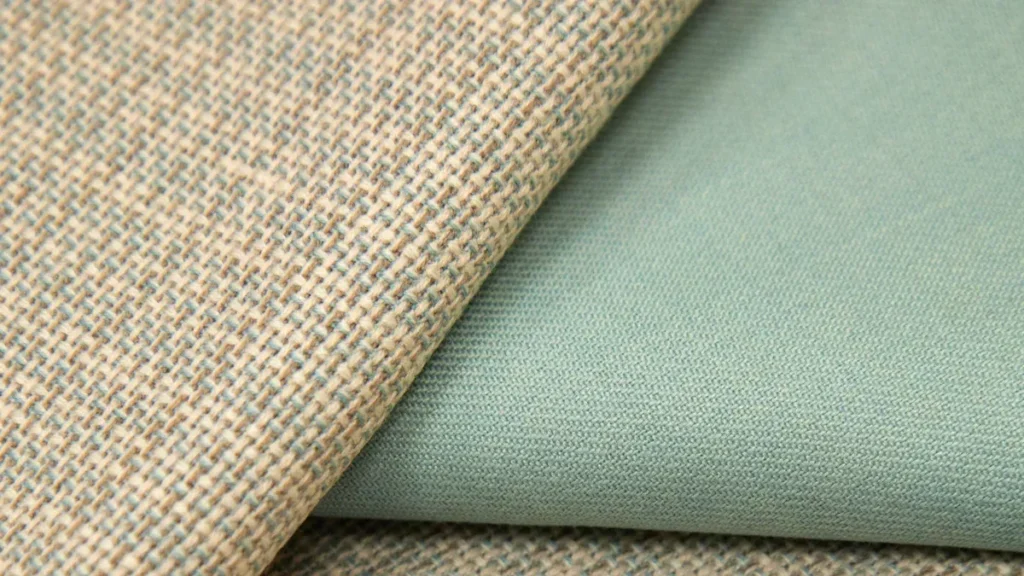
Image Source: unsplash
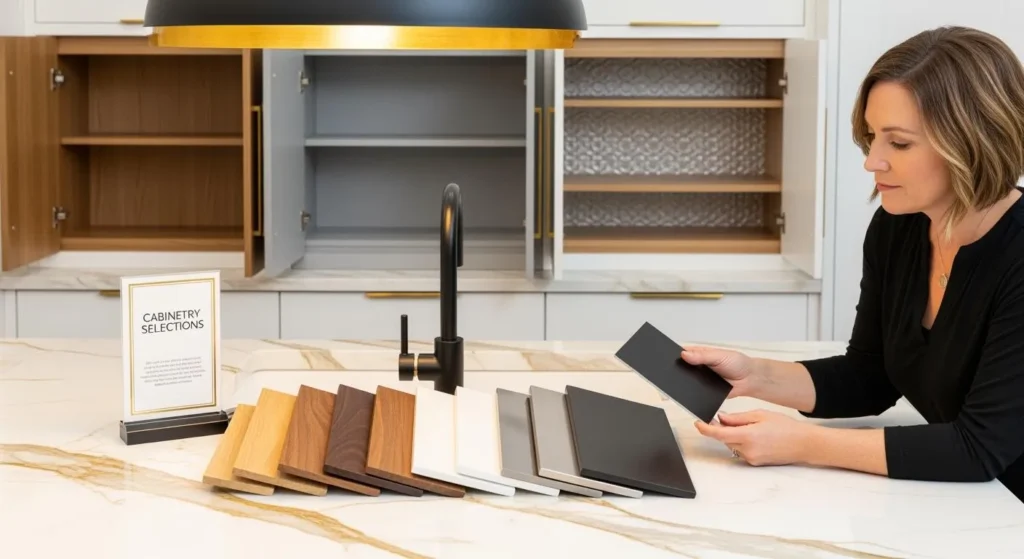
Picking the right materials is very important. It helps your furniture look nice and last longer. Sibolla Building gives you many choices, like solid wood and high-pressure laminates. Their team checks your project drawings. They suggest the best materials for your needs and budget. You get samples and data to compare finishes. This makes it easier to choose with confidence.
Material Selection
For custom furniture, verify the specified material grade, source and finish range. Ask for physical samples and relevant technical data before approving production.
Tip: Ask for swatches and performance reports for all main materials. This helps you avoid problems when installing.
Quality Control
Define inspection checks for the specified furniture, including finish, dimensions, joints and operation. Agree which safety or performance tests require laboratory evidence.
Key steps in quality control include:
- Visual Assessments: Look for scratches or bad finishes.
- Mechanical Testing: Test strength and moving parts.
- Material Analysis: Make sure materials are safe and follow rules.
Ask for inspection records at agreed milestones. Reports should state what was checked, the sample size and any corrective action, rather than imply continuous live visibility.
GREENGUARD addresses emissions within the certified product scope. Verify the current listing and configuration. It does not certify timber sourcing, labour conditions or every aspect of product safety. [1]
Performance and Longevity
Select performance tests relevant to the intended furniture and use. A reference to ANSI/BIFMA does not establish compliance for every furniture type or supplied model.
Confirm warranty coverage, exclusions, claim procedures and spare-part availability in writing. Do not assume a five-year warranty applies to every order.
Note: Strong materials and strict quality control make furniture last. Always check test results and certifications before production starts.
Customization Options
Evaluate Custom Furniture Capabilities
Check the manufacturer’s ability to develop the required dimensions, finishes and functions. Ask us to review your drawings and identify engineering limits before committing to customization.
When you check custom furniture, look for these things:
- The maker should cut pieces to the right size and match finishes.
- You should get hardware that is certified and ready to install.
- The team must give you samples and data about materials.
- You need one person to talk to for your whole project.
Compare direct and coordinated supply using the same scope. Include design, sample, inspection, freight and import costs; factory-direct sourcing does not eliminate every added cost.
Design Flexibility
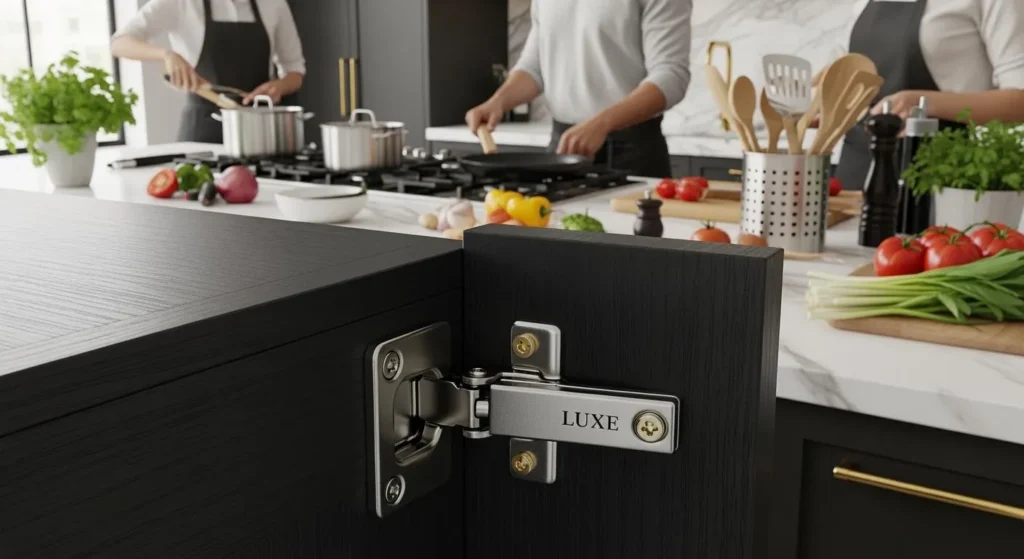
Design flexibility is very important for fancy projects. You want furniture that fits odd spaces and special rooms. Sibolla Building lets you change the depth, add hidden storage, or use soft-close hardware. You can also ask for lights or power ports. Their team makes 3D pictures and shop drawings before they build anything. You can see how each piece will look and work in your space.
Makers need to handle changes and new ideas during design. The steps include:
| Aspect | Description |
|---|---|
| Visual Understanding | Gives everyone a clear idea of the design with real-looking pictures. |
| Feedback Loops | Lets people share thoughts and make changes to the model. |
| Streamlined Iterations | Makes changes easy and keeps everyone on the same page. |
You should check how the maker handles feedback and changes. The best teams tell you early if something will not work. They help you fix things for safety, strength, or comfort. This way, you keep your main idea.
Tip: Ask for 3D models and shop drawings. These tools help you see the final product and make smart choices.
Prototyping and Sampling
Agree sample and prototype requirements, fees and lead times before approval. A finish swatch and a complete furniture prototype have different production needs.
The prototyping step helps you:
- Find problems with how things fit or work.
- Change materials if you need better results.
- Make sure the furniture looks like your plan.
Approve samples and prototypes against recorded criteria. Agree how updates and inspection records will be shared before bulk production.
Note: Sampling and prototyping help you avoid mistakes. You save money and time by checking details early.
Use approved drawings, material samples and prototype results to compare customization capability. Resolve discrepancies before committing to production.
Custom Furniture: Responsible Material Sourcing
Translate sustainability requirements into specific evidence. Ask us which material and product documents are available for the proposed furniture package.
Eco-Friendly Materials
Compare timber sources, recycled-content claims and emissions reports for the specified materials. A water-based finish or natural material is not automatically harmless.
Tip: Ask your manufacturer, “Where do you get your wood and fabrics?” and “Do you use recycled or reclaimed materials?”
Look for these things in eco-friendly furniture:
- Solid wood from certified forests
- Recycled metals or plastics
- Finishes with documented emissions and safety information
- Fabrics with organic or recycled content
Request supporting documents for the exact materials proposed, including traceability where your specification requires it.
Sustainable Manufacturing
Ask how the factory measures waste, energy use and material recovery. Verify environmental claims against records rather than manufacturing slogans.
Here are some common sustainable practices in custom furniture making:
| Practice | Evidence to review |
|---|---|
| Material recovery | Records showing offcut reuse or recycling |
| Reclaimed wood | Source, treatment and suitability for the product |
| Lower-emission finish | Product-specific emissions or coating documentation |
| Energy and waste management | Measured records and improvement actions |
Note: You can ask, “How do you handle waste and energy in your factory?” and “Do you use reclaimed or recycled materials when making furniture?”
Ask us which environmental records and material documents can be provided for the proposed package.
Certifications
Certifications have different scopes. Verify the issuer, validity and listed materials or products; do not assume one certificate covers the whole furniture package.
The most well-known certifications in custom furniture are:
- GREENGUARD Certification
- Forest Stewardship Council (FSC)
- Cradle to Cradle (c2c)
- SCS Indoor Advantage Indoor Air Quality
- Global Organic Textile Standard (GOTS)
- Global Organic Latex Standard (GOLS)
Ask these questions:
- “Which certifications do your materials and finishes have?”
- “Can you give proof of compliance for my project?”
Check each certificate against the requirement it addresses. Sourcing, emissions, textile content and wider sustainability claims need different evidence.
Custom Furniture: Reliability and Project Management
A furniture partner needs a clear scope, milestone schedule and escalation route. Ask us to identify the main contact and reporting arrangements for your package.
Communication and Coordination
Custom furniture needs clear approval responsibilities and a current drawing register. Agree the reporting frequency with the project manager, including how unresolved issues and revised delivery dates will be communicated.
- Make clear rules for talking so everyone knows what is happening.
- Use modular furniture designs to make moving and setting up easier.
- Check quality at every step to make sure each piece is good.
Tip: Ask your manufacturer how they deal with changes and feedback. Good teams answer fast and keep you informed.
Timelines and Logistics
Managing time and shipping is very important for projects in other countries. You want your furniture to come on time and in good shape. Sibolla Building plans making and shipping together. They watch every shipment and tell you what is happening.
- Clear designs stop delays from people not understanding.
- Getting materials early helps avoid supply problems.
- Knowing how hard things are to make helps set good timelines.
- Good shipping plans make sure things arrive when needed.
Coordinate production completion with packing, freight booking and destination receiving arrangements. Ask who controls each stage and how schedule changes will be reported.
Note: Ask for weekly updates and digital tracking. This helps you plan when to install and stops surprises.
Quality Assurance
Inspection records and test reports answer different questions. Agree the batch checks and any product-specific laboratory tests before ordering.
| Test area | Requirement to agree |
|---|---|
| Durability | Apply a relevant product test with defined loads and cycles |
| Stability | Check the intended furniture configuration under the specified method |
| Upholstery smoulder resistance | For applicable US upholstered furniture, review 16 CFR 1640 / TB 117-2013 requirements [3] |
| Surface and fabric performance | Agree the method, exposure and acceptance criteria for the specified finish |
Confirm warranty duration, covered components, spare parts and support arrangements in the signed order. Response targets and replacement responsibilities should be stated explicitly.
Use milestone records and documented acceptance checks to make delivery decisions. Keep unresolved issues visible before authorizing shipment.
Custom Furniture: References and Past Work

Image Source: pexels
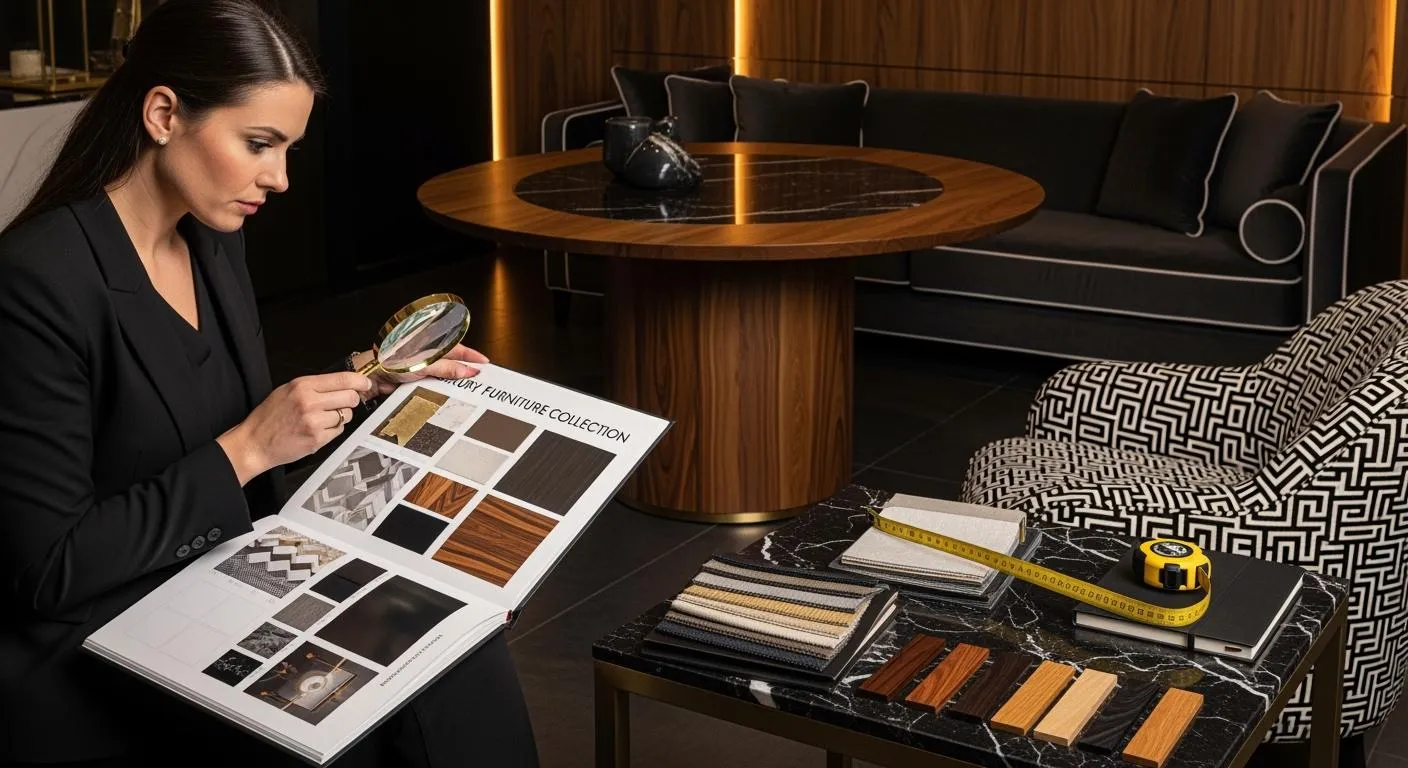
When you check custom furniture manufacturers for high-end projects, you need to see proof of their experience. You want to know if they have done good work for clients like you. Looking at past work helps you avoid problems and pick someone you can trust.
Portfolio Review
First, ask for a portfolio of finished projects. Look for examples that are like your project, such as hotels, apartments, or offices. See if the furniture style, materials, and finishes match what you want. A strong portfolio shows the maker can do many things and pays attention to details.
Tip: Ask for photos, shop drawings, and pictures of the furniture after it is installed. These help you see the quality from start to finish.
Use this checklist when you look at a portfolio:
- Does the maker show projects like yours?
- Can you see different styles and materials?
- Are there before-and-after or installation pictures?
- Do the pieces look neat and well-made?
A good portfolio helps you feel sure about the maker’s skills.
Client Feedback
Request relevant client references with permission. Ask about design changes, inspection findings, delivery issues and after-sales handling on comparable projects.
- Ask for references from similar product categories and project sizes.
- Discuss specific delivery or quality issues with an authorized project contact.
- Check online reviews and social media for honest thoughts.
- Compare documented outcomes instead of relying on a generic satisfaction score.
- Verify references at the stage where they help the purchasing decision.
When you get feedback, look for patterns. Group answers by project size or type. Watch for common problems or praise. This helps you see if the maker does a good job and fixes problems fast.
Note: Ask references, “How did the maker handle changes or delays?” and “Did they finish on time and on budget?”
Industry Reputation
Check claimed experience, certifications and repeat projects against evidence. A familiar brand name or award alone does not establish suitability for your order.
Use these questions to check the maker:
- How long has the maker worked in the industry?
- Do they have repeat clients or long partnerships?
- Have they won awards or earned certifications?
- What do other professionals say about their work?
Use reputation alongside current capability, samples and records. Confirm any unresolved questions before placing the order.
Before selecting a custom furniture manufacturer, review comparable projects and seek client references where permission allows. Use these records to check delivery capability and follow-up support.
Selecting a Custom Furniture Manufacturer
Compare Proposals
Compare proposals against the same requirements. The example weighting below is a starting point; adjust it for project-specific risks.
| Evaluation Criteria | Weight | Questions to Ask | Red Flags |
|---|---|---|---|
| Price | 30% | What are your pricing structures? Do you offer volume discounts? | Prices much lower than others, unclear pricing |
| Quality | 30% | What quality control measures do you have? Can you provide samples? | No certifications, inconsistent quality |
| Reliability | 20% | What is your on-time delivery rate? Can you provide references? | Missed deadlines, negative reviews |
| After-Sales Support | 20% | What type of warranty do you offer? How do you handle issues? | Unclear warranty, slow customer service |
Ask each bidder, including us, to explain exclusions, inspection scope and schedule assumptions. Request evidence for claims that affect the selection decision.
Site Visits
Visiting the factory lets you see what the maker can do. You can watch how they build things and where they keep materials. You also get to meet the team. When you visit, look for clean work areas and safe rules. Check if finished samples look like what you want. Ask to see projects they are working on and talk to engineers or quality managers.
Tip: Bring your project drawings and ask how the team would handle your needs. This shows if they can solve problems and pay attention to details.
Ask whether a physical visit or suitable video review can be arranged. Match the factory, production scope and proposed order to the evidence shown.
Contracts and Agreements
Read every part of the contract before you sign. A good contract keeps you safe and sets clear rules. Make sure your contract covers these important points:
- Scope of Work and Specifications: List all furniture, materials, finishes, and custom features.
- Pricing and Payment Terms: Show payment plans and rules for price changes.
- Delivery and Installation: Set dates, shipping jobs, and help with setup.
- Warranty and Guarantees: Say what is covered and for how long.
- Change Orders and Modifications: Explain how to ask for changes.
- Force Majeure: Talk about what happens if something unexpected delays the project.
- Termination Clauses: Say when and how the contract can end.
- Dispute Resolution: Explain how to fix disagreements.
- Indemnification and Liability: Say who pays for damages.
- Intellectual Property Rights: Show who owns the custom designs.
Resolve unclear contract terms before signing, with qualified advice where needed. Confirm the scope, payment milestones, liability and dispute procedure.
Evaluation Checklist
Before you pick a manufacturer, use a checklist. This helps you make sure your choice fits your project. You will not miss important details. Your money will give you the results you want.
Custom Furniture Manufacturer Evaluation Checklist
| Criteria | What to Check For | Confirmed (✔/✘) |
|---|---|---|
| Project Fit | Matches your design, function, and durability requirements | |
| Material Quality | Uses certified, high-grade materials with test reports | |
| Customization Capability | Offers full design flexibility and prototyping | |
| Sustainability | Provides eco-friendly options and valid certifications | |
| Quality Control | Shares inspection reports and meets international standards | |
| Reliability | Has a strong track record and positive client feedback | |
| Project Management | Assigns a dedicated manager and uses digital tracking | |
| Logistics & Delivery | Coordinates global shipping and provides clear timelines | |
| After-Sales Support | Offers warranty, spare parts, and responsive service | |
| Contract Clarity | Provides detailed, transparent agreements |
Tip: Print this checklist and bring it to meetings. Use it when you visit the factory. Check off each item as you confirm it.
Ask clear questions for every point on the list. For example:
- “Can you show me recent inspection reports?”
- “How do you handle design changes during production?”
- “What certifications do your materials have?”
- “Who will be my main contact during the project?”
Custom Furniture Order Approval
Ask every bidder for evidence proportionate to the claim. Note missing documents or open questions in the evaluation record.
Key Steps for Using the Checklist:
- Look at each proposal with your checklist.
- Go to the factory or ask for a virtual tour.
- Compare answers and documents from each company.
- Talk about anything you do not understand before signing.
- Keep your finished checklist for your records.
Callout: A good checklist keeps your money and time safe. It helps you talk clearly with your team and others.
Keep the completed checklist with the approved specification and quotation. Review outstanding items before signing.
Before selecting a supplier, confirm the technical and commercial requirements below:
| Buyer check | Decision record |
|---|---|
| Approved design | Drawings, samples and prototype sign-off |
| Material and testing scope | Specified grades, relevant reports and acceptance criteria |
| Commercial scope | Price basis, exclusions, payment milestones and warranty |
| Delivery plan | Milestones, assumptions and receiving responsibilities |
Send me your drawings, quantities, destination and required completion date. We can identify the information needed for a comparable furniture proposal.
Custom Furniture Manufacturer FAQ
Agree the required inspections and applicable product tests. Match samples, reports and certificates to the supplied materials or furniture model.
You can ask for special sizes, finishes, and features. Sibolla Building’s engineers check your drawings and give you custom ideas. You get 3D models and shop drawings to make sure everything fits and works.
Solid wood, premium fabrics, and high-pressure laminates are good choices. Sibolla Building picks materials that match your project. You get swatches and data to help you decide.
Timing depends on design approval, sample development, material availability, order size and shipping route. Ask for a written milestone schedule rather than assuming a fixed number of weeks.
Check the certifications required by your specification and verify their product scope. FSC and indoor-emissions labels address different requirements; ask which evidence is available for the proposed materials. [2]
Confirm the actual warranty, covered parts, exclusions, claim process and support arrangements in writing. Do not assume a standard response time or spare-parts entitlement.
Ask whether a factory visit or video review can be arranged. Review the production team, relevant samples and processes for your order.
References and Sources
- UL Solutions — GREENGUARD Certification: chemical emissions ↩
- Forest Stewardship Council — Chain of custody ↩
- U.S. Consumer Product Safety Commission — Upholstered Furniture: 16 CFR 1640 and TB 117-2013 ↩
Sources checked on 27 September 2026. Standards and guidance apply within their stated scope; project recommendations are Kyle’s procurement judgment.