Kitchen cabinet materials include structural cores, door materials and surface finishes. I recommend specifying each layer separately. Compare moisture exposure, fixing strength, appearance and maintenance before choosing a package. A material name alone cannot predict cabinet quality or total cost. Review Sibolla Building’s material sourcing service alongside your cabinet specification. Review custom cabinets alongside the selected materials before submitting room layouts.
Cabinet Materials: Key Takeaways
- Specify cabinet boxes, doors and finishes separately. Plywood, MDF and solid wood have different structural and finishing uses.
- Think about how much you use your kitchen when picking materials. If you cook a lot, choose materials that resist water. This helps your cabinets last longer.
- Compare quotations with matching dimensions, board grades, finishes and hardware. Price alone does not predict service life.
- Every material has good and bad points. Solid wood is strong but expensive. Laminate is easy to clean but can break or chip. Think about these things before you decide.
- Follow the finish supplier’s cleaning instructions. Inspect exposed edges and repair damage before moisture reaches the core.
- Ask us to compare the proposed core, finish and hardware against your project specification.
- Always look at samples before you choose. This lets you check color, texture, and quality. You will be happier with your final choice.
- Balance durability, repairability and approved appearance against procurement and maintenance costs.
Kitchen Cabinet Materials Overview
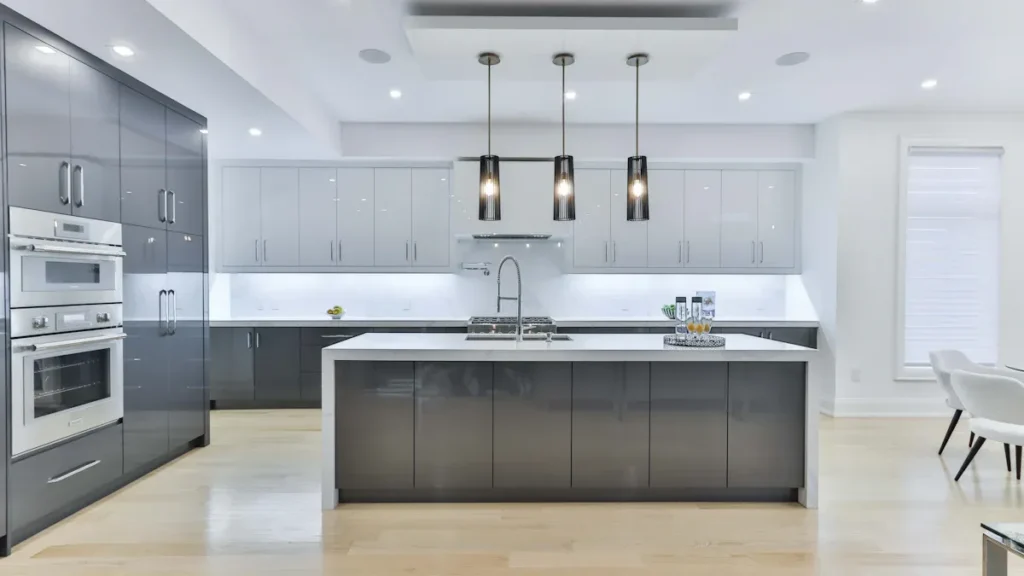
Image Source: unsplash
What Are Kitchen Cabinet Materials?
Definition and Types
Kitchen cabinet materials are what make up your kitchen storage. You can pick natural materials like solid wood. You can also pick engineered materials like plywood and MDF. Each material has its own look and strength. Some cost more than others. Some materials come from nature. Others are made in factories to work better or cost less.
You will see two main groups:
- Structural materials include solid wood, plywood, MDF, particleboard and metal. Wood veneer is a thin decorative layer over a separate core.
- Surface options include melamine-faced panels, laminate, thermofoil and PET film. Specify the underlying board and edge treatment with the finish.
Why Material Choice Matters
The material you pick changes how your kitchen looks. It also affects how long your cabinets last and how much you pay. The right material keeps your cabinets strong and looking good for years. Some materials handle water better. Others are easier to clean or fix. Think about your kitchen’s style and how much care you want to give your cabinets.
Tip: Think about how you use your kitchen every day. If you cook a lot, you may need cabinets that resist heat and moisture.
Plywood, MDF and solid wood serve different cabinet functions. Choose by grade, thickness, joint design and exposure; a popularity claim does not establish suitability.
Common Cabinet Materials
Here are the most common kitchen cabinet materials you can pick:
| Material or finish | Role | What to verify |
|---|---|---|
| Solid wood | Doors, frames or selected components | Species, moisture conditioning and movement allowance |
| Plywood | Layered wood core | Veneer quality, bond class, thickness and fixing strength |
| MDF | Fibreboard core | Grade, density, machining and moisture limitations |
| Particleboard | Particle-based core | Grade, thickness, fastener details and edge sealing |
| Melamine-faced panel | Resin-impregnated paper surface on a core | Core grade, surface rating and edge treatment |
| Laminate / HPL | Bonded decorative surface | Laminate grade, substrate and bond quality |
| Thermofoil | Formed polymer film, often over MDF | Heat exposure limits and edge adhesion |
| PET film | Decorative polymer surface | Scratch and heat ratings; documented recycled content if claimed |
| Wood veneer | Thin real-wood surface over a core | Veneer thickness, bonding, grain matching and finish |
| Metal | Panel or cabinet construction | Alloy, gauge, finish, joints and corrosion suitability |
Match the material system to its function. A solid-wood door and a plywood cabinet box can be appropriate together; neither material is universally best.
Note: When you pick kitchen cabinet materials, think about your budget, how much you use your kitchen, and the style you want. Some materials need more care, while others are easy to keep clean.
You have lots of choices for kitchen cabinet materials. Take your time to compare them and pick the one that fits your needs best.
Pros and Cons of Kitchen Cabinet Materials
Solid Wood
Advantages
- Solid wood can be repaired and refinished where the component and coating allow it.
- The natural grain gives your kitchen a warm, classic look.
- You can sand and refinish the surface if it gets scratched.
- A consistent finish and sound construction can improve the completed project’s appearance.
- You can stain or paint it in many ways.
Disadvantages
- Solid-wood pricing varies with species, component size, finish and fabrication.
- It is heavy, so you need strong support for installation.
- Wood can swell or shrink if your kitchen gets humid or very dry.
- You need to seal or refinish it to keep it looking good.
Solid wood responds to humidity changes. Weight and maintenance depend on species, dimensions and coating; engineered panels are not automatically lighter.
| Factor | Solid-wood components | MDF components |
|---|---|---|
| Cost | Depends on species, dimensions and finishing | Depends on grade, density, machining and finishing |
| Repair | Often allows refinishing within the component limits | Repair depends on surface damage and coating |
| Moisture | Allows seasonal movement; protect from prolonged wetting | Specify the grade; moisture-resistant MDF is not waterproof |
| Finish | Natural grain or paint | Smooth surface suited to many painted designs |
| Weight | Depends on species and dimensions | Depends on panel density and dimensions |
Care Tips
- Wipe spills right away to stop stains.
- Use a soft cloth and mild soap for cleaning.
- Check for scratches and refinish when needed.
- Keep the kitchen air dry to prevent swelling.
Plywood
Advantages
- Plywood is strong and holds heavy items well.
- Cross-laminated construction can improve dimensional stability, but grade and exposure still matter.
- Use plywood with a suitable bond class and protected edges for the intended moisture exposure.
- Compare actual panel weights rather than assuming plywood is lighter than every solid wood.
Disadvantages
- Plywood costs more than MDF and particleboard.
- The edges may need covering for a smooth look.
- The surface may not be as smooth as MDF for painting.
| Core | Quotation details to compare |
|---|---|
| Plywood | Veneer grade, thickness, bond class, finish and fabrication |
| MDF | Grade, thickness, density, finish and machining |
| Particleboard | Grade, thickness, facing, edge banding and fixing details |
| Material | Structural checks | Moisture checks |
|---|---|---|
| Plywood | Thickness, span, joint and screw details | Bond class, finish and edge protection |
Care Tips
- Clean with a damp cloth and mild cleaner.
- Dry the surface after cleaning to avoid water damage.
- Check the edges for chips and repair them quickly.
MDF
Advantages
- MDF gives you a smooth surface that is easy to paint.
- It costs less than solid wood and plywood.
- You can shape it for detailed designs.
- Ask for the fibre source and any documented recycled-content claim. MDF is not automatically an environmentally preferable choice.
Disadvantages
- MDF strength depends on grade, density, thickness and loading direction.
- It can swell or break if it gets wet.
- Check screw type, embedment and edge distance against the board specification.
| Material | Structural checks | Moisture checks |
|---|---|---|
| MDF | Verify grade, thickness, span and fastener details | Protect edges and avoid prolonged wetting; check any moisture-resistant grade |
Care Tips
- Wipe with a dry or slightly damp cloth.
- Do not let water sit on the surface.
- Use gentle cleaners to avoid damage.
Tip: If you want cabinets with a painted finish, MDF is a good choice. It is also a smart pick if you want to save money on your kitchen project.
Melamine
Advantages
- You can pick from many colors and patterns.
- Melamine cabinets cost less than most other types.
- The plastic coating makes the surface smooth and easy to clean.
- Melamine resists stains and scratches from daily use.
- You can use melamine in modern or classic kitchens.
Melamine-faced panels can suit regular kitchen use when the specified core, edges and joints remain protected. Service life varies with construction and maintenance.
Disadvantages
- The edges can swell if the coating gets damaged, especially in humid kitchens.
- Follow the panel supplier’s heat limits; avoid direct heat on surfaces and edge bonds.
- Moisture performance depends on the core, joints and exposed edges, not the facing name alone.
- You may need repairs sooner if the edges are not protected in busy areas.
Compare tested surface grades and core details. Melamine and laminate cannot be ranked universally for impact resistance.
Care Tips
- Wipe spills right away to keep the edges dry.
- Use a soft, damp cloth for cleaning. Do not use harsh chemicals.
- Do not put hot pots or pans on the surface.
- Check the edges often and fix chips quickly to stop moisture from getting in.
Laminate
Advantages
- Laminate cabinets come in many colors, patterns, and finishes.
- The surface is tough and resists stains, scratches, and fading.
- You can clean laminate easily with a damp cloth.
- Laminate costs less than solid wood and some other engineered materials.
- You can use laminate in modern or traditional kitchens.
Laminate gives you many style choices. It is popular for busy kitchens.
Disadvantages
- The edges can chip if you bump them with heavy objects.
- Laminate does not handle high heat well. Hot items can damage the surface.
- If the surface gets scratched or chipped, it is hard to fix.
- Water can get into seams if they are not sealed well.
Tip: Use edge banding to protect laminate cabinet edges and keep them looking new.
Care Tips
- Clean with a soft, damp cloth and mild soap.
- Dry the surface after cleaning to stop water damage.
- Do not use rough cleaners or scrubbers.
- Use trivets or pads under hot pots and pans.
Thermofoil
Advantages
- Thermofoil cabinets have a smooth finish that looks modern.
- The vinyl coating makes them easy to clean and care for.
- You can pick from many colors and styles.
- Thermofoil resists stains and fingerprints.
- The surface does not need painting or sealing.
Thermofoil performance depends on film quality, adhesion and exposure. Follow the supplier’s heat and cleaning limits rather than assuming a fixed lifespan.
Disadvantages
- High heat can make the vinyl peel or bubble.
- If the surface gets damaged, it is hard to fix.
- Moisture can get under the film if edges are chipped.
- You may need to replace doors or panels if they get damaged.
Note: Keep thermofoil cabinets away from heat sources like ovens or toasters to stop peeling.
Care Tips
- Wipe with a soft, damp cloth for daily cleaning.
- Do not use harsh chemicals or rough pads.
- Do not put hot items near the cabinet surfaces.
- Check for peeling or bubbling and fix problems quickly.
You have many choices for Kitchen Cabinet Materials. Think about what your kitchen needs and how much care you want to give your cabinets before you decide.
PET
Advantages
- PET (Polyethylene Terephthalate) cabinets use a plastic film that covers a board. You get a smooth and modern finish.
- Check recycled-content documentation if it forms part of your specification. PET film is not automatically recycled or certified.
- The surface resists stains and scratches. You can clean it easily.
- Ask for the specified film’s lightfastness and exposure limits; colours can change with sunlight.
- You can pick from many colors and finishes.
Choose PET film by appearance, performance data and documented environmental claims.
Disadvantages
- PET can scratch if you use sharp objects on the surface.
- The edges may peel if you do not protect them.
- PET costs more than melamine or laminate.
- You may see fingerprints on darker colors.
- PET does not handle high heat well.
| PET-film detail | What to verify |
|---|---|
| Environmental claim | Recycled content or certification evidence for the specified product |
| Surface performance | Scratch, stain and lightfastness data |
| Heat exposure | Supplier’s operating and cleaning limits |
| Core and edges | Board grade, adhesion and edge treatment |
| Price | Like-for-like quotation including fabrication |
Care Tips
- Wipe the surface with a soft, damp cloth.
- Do not use rough sponges or harsh chemicals.
- Clean up spills right away to keep the finish looking new.
- Use cutting boards to avoid scratches.
- Check the edges often and fix any peeling quickly.
Veneer
Advantages
- Veneer provides a real-wood surface over a specified core. Its price depends on species, grain matching, thickness and finish.
- The core and component dimensions determine panel weight.
- You can stain or paint veneer in many colors.
- Thin veneer can use wood efficiently, but sourcing and environmental claims still need documentation.
Note: Veneer gives you a natural wood look and helps you stay on budget.
Disadvantages
- Veneer can chip or peel if you bump it.
- Water can damage the surface if you do not seal it well.
- The color may fade in strong sunlight.
- You cannot sand veneer as much as solid wood.
| Veneered-panel detail | What to check |
|---|---|
| Appearance | Species, grain matching and finish sample |
| Core | Grade, thickness and moisture suitability |
| Weight | Panel density and component dimensions |
| Cost | Veneer specification, matching and fabrication |
| Repair | Remaining veneer thickness and coating limits |
Care Tips
- Dust with a soft, dry cloth.
- Wipe spills right away to stop water damage.
- Use gentle cleaners. Avoid soaking the surface.
- Keep veneer out of direct sunlight to prevent fading.
- Fix chips or peeling as soon as you see them.
Metal
Advantages
- Metal cabinets, like stainless steel or aluminum, give your kitchen a modern and sleek look.
- Metal resists water, stains, and heat. You can use it in busy kitchens.
- The surface does not warp or crack.
- Smooth metal surfaces can be cleaned, but hygiene depends on cleaning practices, joints and surface condition.
Tip: Metal cabinets work well in commercial kitchens and modern homes.
Disadvantages
- Metal shows fingerprints and smudges easily.
- The surface can dent if you hit it hard.
- Metal cabinet prices vary with alloy, gauge, finish and fabrication.
- You may hear more noise when you close the doors.
| Feature | Metal Cabinets |
|---|---|
| Water Resistance | High |
| Durability | High |
| Noise Level | Higher |
| Price | High |
| Style | Modern/Industrial |
Care Tips
- Wipe with a microfiber cloth to remove fingerprints.
- Use mild soap and water for cleaning.
- Dry the surface to stop water spots.
- Do not use steel wool or rough pads.
- Check for dents and fix them if needed.
Choosing the Right Kitchen Cabinet Materials
Key Factors
When you pick kitchen cabinet materials, you need to think about a few things. These things change how your kitchen looks, how long it lasts, and how much you pay.
Budget
Compare total cabinet quotations using the same dimensions and specifications. Include hardware, finishing, packaging, freight and installation scope. Custom construction adds value where standard sizes cannot meet the approved layout.
Durability
Durability means how well your cabinets hold up every day. Solid wood and plywood last a long time. Engineered wood and laminate are strong and cost less. If you want cabinets that last many years, pick materials that are strong and steady.
| System | Cost basis | Performance checks | Care |
|---|---|---|---|
| Solid-wood components | Species and finish affect price | Allow movement and specify joinery | Follow coating instructions |
| Engineered-board components | Grade, facing and fabrication affect price | Specify grade, thickness and fixings | Protect edges and joints |
| Laminate-faced components | Core and surface grade affect price | Performance depends on the complete panel system | Follow surface cleaning and heat limits |
Style
Your kitchen style is important. Solid wood gives a warm, classic look. Laminate and PET come in modern colors and finishes. Metal cabinets look shiny and cool. Veneer looks like wood but costs less. Pick what matches your home and what you like.
Maintenance
Some materials need more care than others. Solid wood needs sealing and sometimes new finish. Laminate, melamine, and thermofoil are easy to clean and do not need much work. If you want easy cabinets, pick ones with smooth, sealed surfaces.
Moisture Resistance
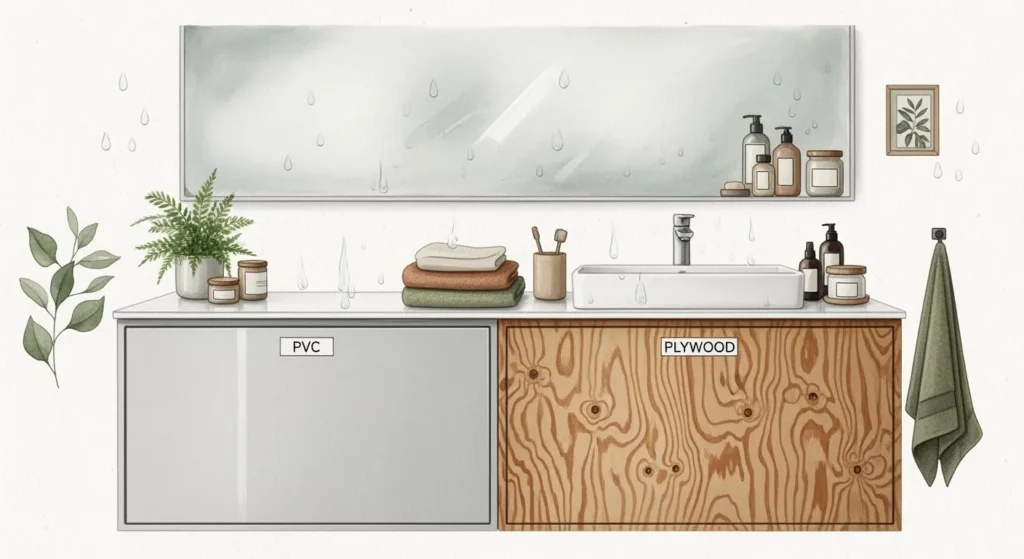
Check exposure around sinks, dishwashers and plumbing. Wood-based cores need suitable grades and protected joints. Low water absorption in a plastic component does not make the entire cabinet assembly waterproof.
| Check | Wood-based cabinet system | PVC-board cabinet system |
|---|---|---|
| Moisture | Specify bond or board grade and protect cut edges | Check board absorption data, joints and attached components |
| Strength | Verify spans and fastener details | Verify board density, reinforcement and fixings |
| Maintenance | Repair damaged finish and leaks promptly | Follow coating instructions and repair leaks promptly |
| Cost | Compare the complete specification | Compare the complete specification |
Tip: If your kitchen has lots of steam or water, pick materials that do not get damaged by moisture.
Sustainability
Separate sourcing claims from emissions requirements. FSC concerns certified wood sourcing and chain of custody. CARB Phase 2 and EPA TSCA Title VI address formaldehyde in covered composite wood products. Check documents for the specified material and destination. See [1]. See [2].
- Verify any FSC claim against the certificate scope and supply documents.
- Check applicable formaldehyde-emission compliance for covered composite wood panels.
- Neither label proves every material, finish or adhesive has no emissions.
- Request product-specific evidence rather than relying on broad sustainability wording.
Matching Cabinet Materials to Project Needs
You need to pick cabinet materials that fit your project. Start by thinking about your budget. If you want to save money, stock or ready-made cabinets are a good choice. Semi-custom cabinets give you more options for a fair price. For fancy kitchens, custom cabinets let you pick top materials and cool styles.
- Think about how much money you can spend.
- Look at stock cabinets if you want to save money.
- Try semi-custom cabinets for more choices and a good price.
- Choose custom construction where the approved layout requires specific dimensions or functions.
You should also think about how much you use your kitchen, your style, and how much work you want to do to keep your cabinets nice. Use the table below to compare your choices:
| System | Cost basis | Performance checks | Care |
|---|---|---|---|
| Solid-wood components | Species and finish affect price | Allow movement and specify joinery | Follow coating instructions |
| Engineered-board components | Grade, facing and fabrication affect price | Specify grade, thickness and fixings | Protect edges and joints |
| Laminate-faced components | Core and surface grade affect price | Performance depends on the complete panel system | Follow surface cleaning and heat limits |
For high-use kitchens, compare surface wear, fixing strength and repair access. Design appearance does not remove structural or moisture requirements.
Sibolla Building’s Custom Cabinets Approach
Send us the layout and intended use so we can discuss cabinet materials, dimensions and coordination requirements. Confirm installation support in the proposal.
Material Selection Support
You can talk to Sibolla Building’s experts to pick the best materials for you. The team tells you the good and bad things about each choice. You get advice based on your budget, style, and how you use your kitchen. Sibolla Building has many materials, like solid wood, MDF, plywood, melamine, PET, lacquer, and veneer.
Engineering and Design Coordination
Ask us to review shop drawings, appliance interfaces and material samples before production approval. Accurate site dimensions and timely decisions are still required.
Quality and Installation Checks
Agree inspection points, sample or assembly checks and component labels before ordering. Confirm which reports, installation information and support are included.
Discuss the material, drawing and installation scope with us before approving a cabinet package.
Comparing Kitchen Cabinet Materials
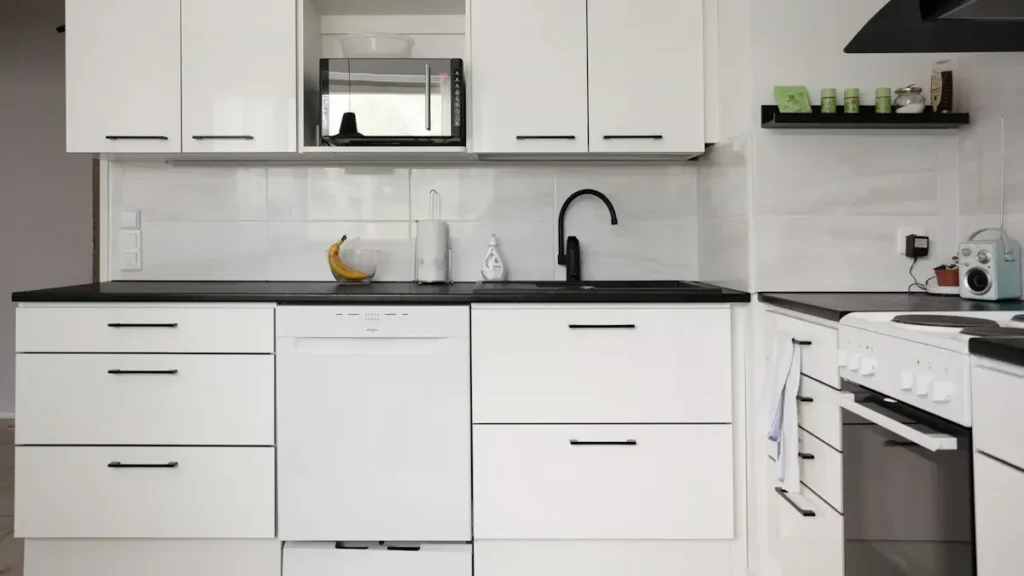
Image Source: pexels
Cost and Value Comparison
You want to know how much different kitchen cabinet materials cost. The price depends on the material you pick. Some cost more at first but last longer. Others are cheaper but may need replacing sooner. Here is a table to help you compare:
| Cost component | Include in comparison |
|---|---|
| Cabinet construction | Dimensions, core grade, doors and joint details |
| Finish | Surface specification, edge banding and colour matching |
| Hardware | Brand or model, quantity and performance requirements |
| Delivery | Packaging, freight, duties and receiving scope |
| Installation | Assembly, fitting, site adjustments and labour |
A price comparison only works when quantities, dimensions and construction match. Consider repair access, spare parts and expected use alongside the initial quotation.
Tip: If you want cabinets that last, spending more at first can save you money later.
Durability and Performance
You want cabinets that stand up to daily use. Some materials are stronger and last longer. Here are the top choices for durability:
- Solid wood can allow refinishing, with service life depending on species, construction and exposure.
- Plywood performance depends on grade, thickness, bonding and moisture protection.
- High-pressure laminate resists scratches, stains, and bumps. It is good for kitchens with lots of activity.
- Metal panels resist water absorption, but joints, coatings and corrosion suitability still need checking.
Compare the complete assembly rather than ranking core and surface materials together. Use relevant test data and the expected moisture, heat and loading conditions.
Note: Regular cleaning and care help all cabinets last longer.
Best Materials for Different Styles
You want your kitchen to match your style. The material you choose changes how your kitchen looks. Here are some ideas:
| Design direction | Possible material and finish combinations |
|---|---|
| Traditional | Solid-wood details or wood veneer with approved grain and stain |
| Modern | Painted MDF, laminate, PET film, veneer or metal depending on the brief |
| Transitional | Mixed painted and natural-wood finishes over specified cores |
- For a classic look, pick solid wood. It gives warmth and beauty.
- For a modern kitchen, metal cabinets look sleek and shiny.
- Combine painted and natural-wood finishes where they suit the approved design.
When you choose the right material, you make your kitchen look great and add value to your home. Kitchen Cabinet Materials affect both style and how long your cabinets last.
Sibolla Building Custom Cabinets Solutions
Integrated Material Packages
Coordinate cabinets, organizers, appliances and hardware in the same approved drawings. Check interfaces before placing component orders.
Verify clearances, fixing positions and installation tolerances. Coordinated design reduces avoidable adjustments but does not eliminate site checks.
Ask us to identify any supplied and excluded components in the cabinet package. Use the same sample codes and hardware schedule across repeated units.
Agree shipment sequencing around production readiness and site access. One shipment is not always the best delivery plan.
Project-Specific Recommendations
Every kitchen project is unique. Sibolla Building gives you advice based on your needs. You can talk to experts who listen to your ideas and your budget. The team helps you pick the right materials, finishes, and hardware for your space.
You may want cabinets that resist moisture for a busy kitchen. You may need stylish finishes for a hotel or rental unit. Sibolla Building looks at your project and suggests the best choices. You get advice for your style, your timeline, and your price range.
Here is how Sibolla Building helps your project:
- You get one-on-one meetings to talk about your goals.
- Request the samples and drawings required for approval, including any associated fees and lead times.
- You get clear guides for installation and after-sales support.
- You can pick from many materials, like solid wood, MDF, melamine, PET, and more.
Use approved samples, drawings and written scope to confirm the proposed cabinet system.
Confirm the quotation against your drawings, material requirements, budget and delivery assumptions.
Cabinet Materials: Project Planning Tips
Assessing Priorities
Define the expected use for each unit type. Rental apartments, hotel kitchens and private villas can have different maintenance and replacement needs.
- Decide what look you want for your kitchen. Do you like a classic wood style or a modern, glossy finish?
- Think about how strong your cabinets need to be. If your kitchen gets a lot of use, you need materials that can handle daily wear and tear.
- Ask yourself how much time you want to spend cleaning and caring for your cabinets. Some materials need more care than others.
- Set a budget that fits your plans. Cabinets come in many price ranges, so knowing your budget helps you narrow down your choices.
Record whether the project prioritizes frequent tenant turnover, long-term ownership or a specific design brief. Use those requirements to compare materials.
Compare wear, repairability and appearance against the project’s operating needs.
Consulting Experts
Talking to kitchen cabinet experts can make your project much easier. These professionals know about different materials, styles, and layouts. They can help you find options that fit your needs and your budget.
- Experts use their experience to design kitchens that look good and work well. They guide you through choices for cabinets, countertops, and more.
- Share the unit layouts, occupancy pattern and maintenance requirements so the designer can compare practical options.
- Working with experts helps you avoid mistakes. They help you stay within your budget and prevent costly errors during installation.
When you work with a team like Sibolla Building, you get advice at every step. You can ask questions, see different materials, and get help with design and installation. This support makes your kitchen project smoother and less stressful.
Note: Expert advice can save you time and money while helping you create a kitchen that fits your life.
Viewing Samples
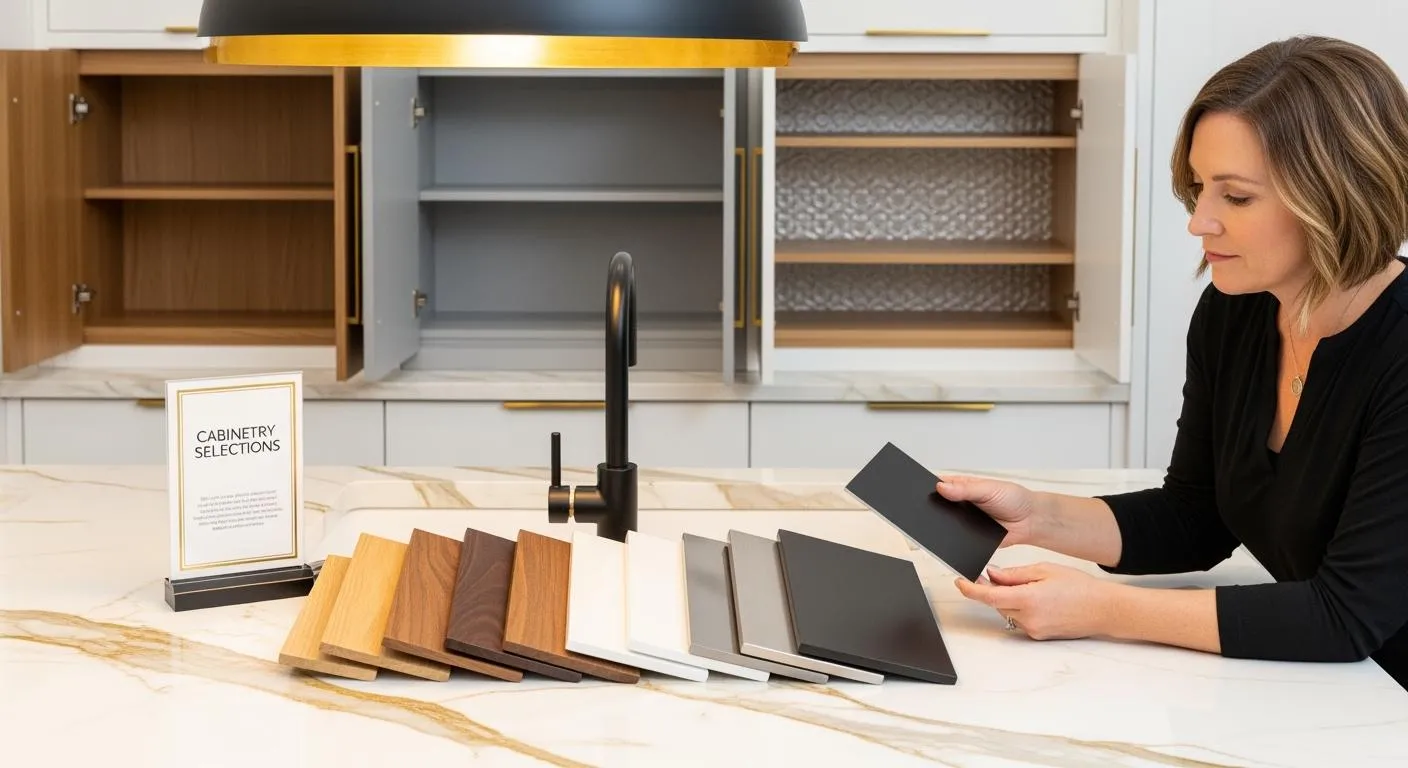
Seeing and touching cabinet samples helps you make better choices. Photos online can look different from real life. When you view samples, you can check the color, texture, and quality of each material.
- Ask for samples of your favorite materials. Hold them in your kitchen to see how they look in your lighting.
- Feel the surface. Some materials feel smooth, while others have texture.
- Compare colors and finishes side by side. This helps you pick the one that matches your style.
You can also test how easy it is to clean the sample. Try wiping it with a damp cloth to see if it leaves marks or stains. If you work with Sibolla Building, you can request samples and get expert advice on what works best for your space.
Review physical samples against the approved cabinet specification before ordering. Check finish, edge treatment and panel grade under consistent lighting.
Balancing Quality and Budget
You want your kitchen to look great and last for years. You also want to spend your money wisely. Finding the right balance between quality and budget helps you get the most value from your kitchen cabinets.
Start by setting a clear budget. Decide how much you can spend on your cabinets. Write down your must-haves and your nice-to-haves. This list helps you focus on what matters most. You may want soft-close drawers, special organizers, or a certain finish. Knowing your priorities helps you make smart choices.
Think about how quality affects your kitchen over time. High-quality cabinets cost more at first, but they last longer and need less fixing. Lower-cost cabinets save money now, but you may need to repair or replace them sooner. The table below shows how quality and budget affect your cabinets:
| Cost consideration | What to compare |
|---|---|
| Initial purchase | Same dimensions, specifications and included services |
| Maintenance | Cleaning requirements and replaceable components |
| Repair | Access to fixings, spare parts and matching finishes |
| Replacement | Expected use, documented performance and service access |
| Ownership cost | Use project-specific assumptions; a higher price does not guarantee lower lifetime cost |
You can see that higher quality cabinets often save you money in the long run. You spend less on repairs and replacements. You also enjoy a kitchen that works well and looks good for many years.
For rental and hospitality projects, review frequent-use components and maintenance access. Do not assume a cabinet upgrade produces a fixed increase in rent, occupancy or sale value.
Here are some tips to help you balance quality and budget:
- Choose the best materials you can afford for the parts you use most, like doors and drawers.
- Use less expensive materials for cabinet boxes or hidden areas.
- Ask about upgrades that add value, such as soft-close hardware or durable finishes.
- Compare samples to see which materials look and feel best for your price range.
- Work with experts who can help you find smart ways to save without losing quality.
Record which upgrades address a specific durability or installation requirement. Compare their cost with the consequences of repair or replacement.
Send me your kitchen layouts, quantities, destination and preferred finishes. We can review a cabinet material schedule and identify details that need clarification before quotation.
Cabinet Materials FAQ
There is no universal best material. Compare the cabinet core, door construction, finish, joints and hardware against expected use and moisture exposure.
Use a soft, damp cloth with mild soap. Wipe up spills right away. Do not use harsh chemicals or rough pads. For metal cabinets, use a microfiber cloth for fingerprints. Always dry the surface after cleaning to stop water spots.
Custom cabinets can solve unusual dimensions and layout requirements. Durability still depends on material grades, construction, hardware and installation.
Compare the complete assembly. A metal or plastic component may resist water absorption, while a laminate face still depends on protected edges and the underlying core.
Service life varies with construction, exposure, maintenance and repair. Ask for product warranty terms and relevant performance data rather than assuming a lifespan from the material name.
You can paint solid wood, MDF, and veneer cabinets. Use primer and paint made for cabinets. Laminate and thermofoil are harder to paint. If you want a new look, ask an expert which materials are best for painting.
Ask us to define the proposed materials, drawings, inspection plan and after-sales scope in the quotation. Confirm any assembly checks and support arrangements before ordering.
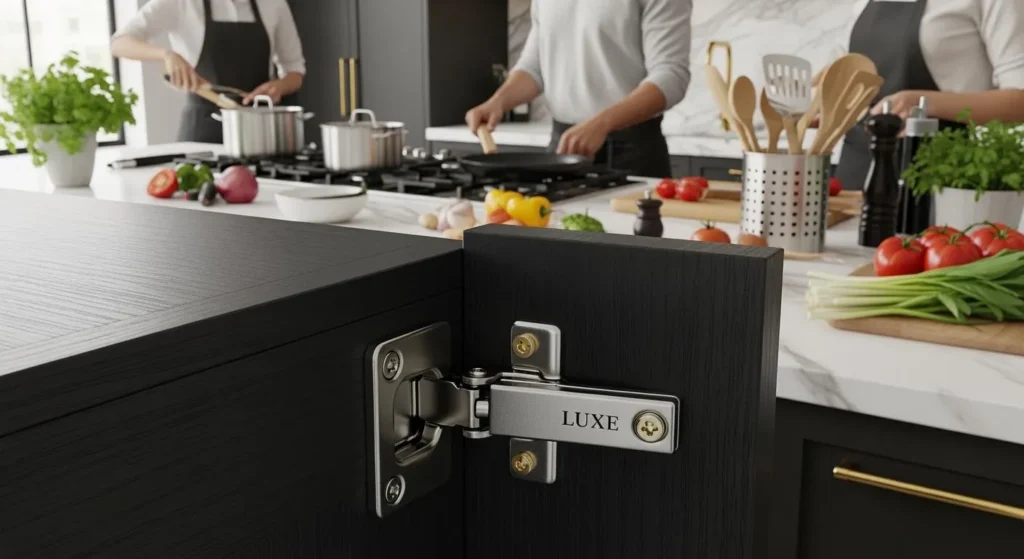
Pick hardware that matches your cabinet style and finish. Soft-close hinges and drawer slides make things easier. Try handles and knobs to see what feels best. Sibolla Building has many hardware choices for your needs.
References and Sources
- Forest Stewardship Council — Chain of custody ↩
- U.S. Environmental Protection Agency — Formaldehyde standards for covered composite wood products ↩
Sources checked on 27 September 2026. Standards and guidance apply within their stated scope; project recommendations are Kyle’s procurement judgment.