
To reduce supply chain risks, map critical materials, approvals and delivery milestones before placing orders. I recommend giving each risk a named owner and a contingency action. Quality checks and coordinated sourcing reduce exposure, but cannot guarantee an uninterrupted schedule. Review Sibolla Building’s supply coordination process alongside your project risk register.
ISO 31000 provides general risk-management guidelines. [1] For a material package, I apply this framework by assigning owners, recording decisions and reviewing changing conditions.
Key Takeaways
- Find possible risks in your supply chain. This helps you get ready for problems before they happen. Watch delivery schedules very carefully. This lets you spot delays early and keep your project moving. Use strict quality checks to make sure materials are good. This helps you avoid expensive fixes later. Work with more than one supplier. This way, you do not rely on just one source. It also makes your supply chain stronger. Use real-time tracking technology to know where shipments are. This helps you fix problems fast. Talk clearly with your suppliers. Good communication builds strong relationships and solves problems quickly. Make emergency plans so you can act fast if something goes wrong. Check and update your risk management plans often. This helps you keep up with changes.
Identify Risks
The first step to lowering supply chain risks is to understand them. You need to know what could go wrong before you make a plan to stop problems.
Common Supply Chain Risks
Many things can cause trouble when you import building materials. You should look out for these common problems:
Delays
Delays happen a lot in construction. Shipments can be late because ports are crowded or customs take too long. Sometimes, there are not enough carriers. Special permits or handling for big materials can also slow things down. If you track lead times and delivery schedules, you can spot delays early. Watching these numbers helps you act fast to keep your project moving.
Tip: Always check how long delays last and how often they happen. This helps you get ready for setbacks.
Quality Issues
Quality problems can cause big trouble. You might get materials that do not meet your standards. This can happen because of bad manufacturing or poor inspection. If you find defects after delivery, your project may stop while you wait for new materials. You should set up strict quality checks and work with suppliers who follow clear rules.
Cost Fluctuations
Material prices can change fast. Costs may go up because production is low, shipping is hard to find, or demand changes. These price swings make it tough to stick to your budget. You should watch market trends and plan for possible cost increases.
- Other risks include:
- Challenges with regulatory compliance, like new building codes or trade rules.
- Problems with paperwork or certifications.
- Sudden changes in environmental rules.
Supply Chain Mapping
You need to map your supply chain to see where risks can show up. This means tracking your materials from the source to your site.
Critical Items
Some materials matter more than others. You should find out which items are critical for your project. For example, if you depend on one supplier for a key product, you face a bigger risk if something goes wrong. You also need to watch for items that rely on important transportation routes, like the Suez Canal, which can be blocked or delayed.
Vulnerable Links
Look for weak spots in your supply chain. These might include:
- Relying too much on one supplier.
- Bad inventory management.
- Supplier regions that face natural disasters.
- Sudden regulatory changes.
- Market swings that affect prices and supply.
Supply chain mapping helps you see these risks. You collect information about your suppliers, where they are, and how they work. You can use one platform to track this data and update it as things change. This ongoing process lets you spot problems before they hurt your project.
If you find risks early, you can lower supply chain risks and keep your building projects running smoothly.
Assess and Prioritize Risks
You need to assess and prioritize risks to keep your building project safe and on schedule. This step helps you decide which problems need your attention first. You can use different methods to measure and rank risks.
Risk Assessment Methods
You have several ways to check risks in your supply chain. These methods help you see which risks are most likely to happen and which ones could hurt your project the most.
- Use a full supply chain risk assessment program. This means you do more than just fill out forms. You keep checking and testing your suppliers all the time.
- Evaluate your suppliers carefully. Look at both your main suppliers and their suppliers. This helps you find hidden risks.
- Use automated tools to check if your suppliers follow rules and are not on any banned lists.
- Map your supply chain. This lets you see who owns what and where problems might hide.
- Use shared records and alerts where they improve visibility. Verify the underlying documents; automated screening does not replace product-specific checks.
You can also build strong relationships with your suppliers. Talk to them often and plan together. This makes your supply chain stronger. Use smart software to manage shipping and track your materials in real time. Keep extra stock when you can. Make plans for what to do if something goes wrong.
Risk Matrix
A risk matrix helps you see which risks matter most. You put each risk on a grid. One side shows how likely the risk is. The other side shows how bad it would be if it happened. This tool helps you focus on risks that are both likely and serious. You can then use your time and money to fix the biggest problems first. The risk matrix sorts risks into high, medium, and low groups. This makes it easier to plan your next steps.
Impact Analysis
Impact analysis means you look at what would happen if a risk became real. You ask, “How much would this hurt my project?” You check if the risk would cause delays, cost more money, or stop work. You also look at how long it would take to fix the problem. This helps you see which risks could cause the most trouble.
Prioritizing Actions
Once you know your risks, you need to decide what to do first. You cannot fix everything at once, so you must choose.
- Start with actions that give you the biggest benefit for the least effort. For example, you can improve your inventory or change how you ship materials.
- Plan bigger changes, like using new technology or finding new suppliers, in steps.
- Think about both quick fixes and long-term plans.
High vs. Low Impact
Focus on high-impact risks first. These are the risks that could stop your project or cost a lot of money. Low-impact risks can wait until you have more time or resources. By using these steps, you can reduce supply chain risks and keep your project moving forward.
Tip: Review your risk list often. Risks can change as your project grows.
Reduce Supply Chain Risks with Integrated Solutions
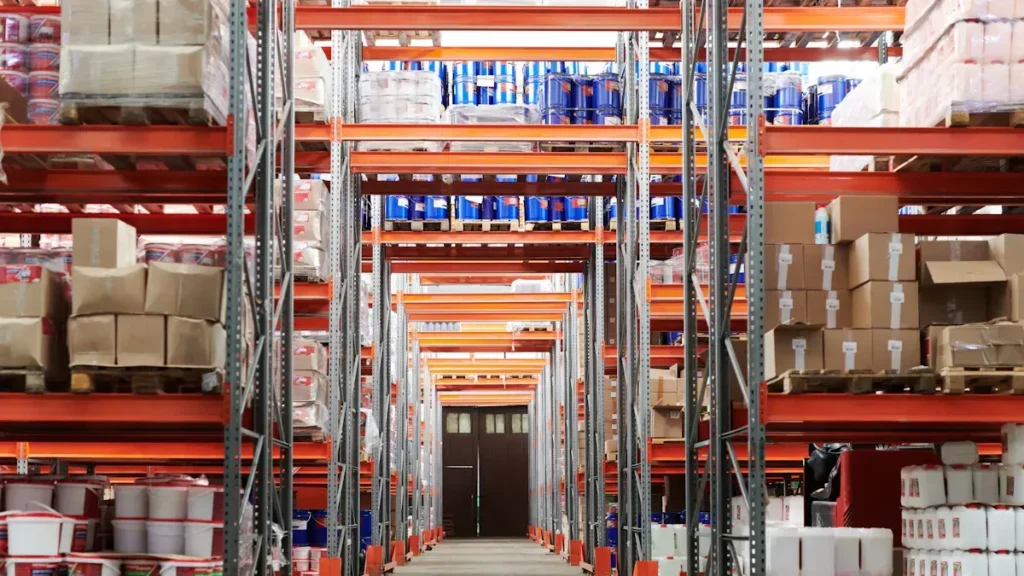
Image Source: pexels
Diversify Suppliers and Materials
Multiple Sources
Qualify alternative suppliers for critical items before a disruption occurs. Check whether replacements meet approved dimensions, finishes and performance requirements. Agree the cost and time needed for a substitution.
Here are some reasons to use different suppliers and materials:
| Benefit | Description |
|---|---|
| Enhanced resilience | Makes you less likely to have problems if one source fails. |
| Access to innovation | Lets you see new ideas and ways of doing things. |
| Improved quality control | Helps you compare quality and watch over your supply chain. |
| Support for local economies | Helps local areas grow and gives people jobs. |
- An approved alternative can reduce the impact of a supplier disruption.
- Suppliers try harder when they know you have other options.
- Better systems help you get products faster and meet new needs.
For Custom Cabinets, identify components with long replacement lead times. Agree approved alternatives and spare-part quantities before production.
Alternative Markets
Compare qualified sourcing regions where it supports your project. Switching markets can change compliance documents, prices, lead times and import responsibilities.
For cabinet materials, verify supplier availability, batch consistency and sourcing documentation. A substitute material needs written approval before use.
Improve Supply Chain Visibility
Real-Time Tracking
Agree how suppliers will report approval status, production progress and carrier milestones. Ask us which updates are available and how exceptions will be escalated. Do not assume every stage has live tracking.
Some technologies that help you see what is happening are:
| Tool | Useful application | Limit |
|---|---|---|
| Shared order register | Track approved specifications and milestones | Requires current supplier information |
| Carrier tracking | Follow shipment events | May not show continuous location |
| Condition sensors | Record selected transport conditions | Use only where the product and shipment justify them |
| Alerts and dashboards | Flag overdue approvals or changed dates | Depend on reliable input data |
For cabinet orders, track approved drawings, outstanding components and expected dispatch dates in one register.
Information Sharing
Agree reporting dates and an escalation contact. Updates should identify confirmed milestones, provisional dates and unresolved issues.
Confirm the cabinet packing list, component labels and installation information required by your receiving team.
Use Technology for Specific Tasks
Data Analytics
You can use data analytics to spot and handle supply chain risks. E-sourcing sites watch how suppliers do and if materials are ready. Predictive analytics and AI look at old data to guess what might go wrong. Watching things in real time gives you quick warnings and tips.
- Vendor risk systems check and rate supplier risks.
- You can stop big problems by acting on early warnings.
- Ask the project team who checks document validity and destination-specific requirements.
Use production and shipment records to identify overdue cabinet components. Confirm which records the supplier can share.
Automation Tools
Barcode scanning and linked order records can reduce manual entry and inventory errors. Choose tools that fit the operation; automation still needs accurate records and human exception handling.
- Automation makes things work better and faster.
- Real-time data helps you see and stop problems before they grow.
- Use barcode or RFID tracking where it improves identification of pallets, cartons and components.
- Confirm the available transport and warehouse services rather than relying on technology claims.
For our material packages, agree production checkpoints, packing verification and shipment updates in the order scope.
Tip: Use technology to lower supply chain risks and keep your project moving.
Strategic Stockpiling
Buffer stock can reduce interruption risk for selected items. Balance replacement lead time with storage conditions, shelf life and cash tied up in inventory.
Inventory Buffers
Inventory buffers are extra materials you keep in storage. These buffers help you if demand changes or if suppliers are late. You do not need to wait for new shipments if you already have what you need.
Think about these things when you decide how much buffer stock to keep: If your sales or material needs change a lot, you need more buffer. If your suppliers sometimes deliver late, you need more extra stock. If you want to fill almost every order without delay, you need a bigger buffer.
One rough planning heuristic for repeat-use items is:
Indicative buffer = maximum daily usage × maximum lead time − average daily usage × average lead time. Use consistent units.
This heuristic is not a universal safety-stock rule. Custom project items need schedule-based planning and substitution review. Agree any spare cabinet hardware or trim quantities in writing.
Emergency Protocols
Emergency protocols are plans for when something goes wrong in your supply chain. These plans help you act fast and keep your project on track. You should make clear steps for your team and suppliers to follow in a crisis.
Here is a table with important strategies for strong emergency protocols:
| Strategy | Purpose |
|---|---|
| Risk Assessment and Mitigation | Find weak spots in your supply chain and plan how to fix them. |
| Disaster Recovery and Emergency Preparedness | Make sure you have steps ready for big problems that stop your work. |
| Financial Stability and Resiliency | Check if your suppliers can survive tough times. |
| Quality Management Systems | Use strong checks to avoid problems from bad materials. |
| Supply Chain Visibility and Transparency | Track your materials at every step. |
| Workforce Management | Train your team so they can keep working during a crisis. |
| Regulatory Compliance | Follow all rules to avoid legal trouble and delays. |
| Geographic Diversification | Use suppliers from different places to avoid local problems. |
| Technology and Innovation | Use new tools and ideas to make your supply chain stronger. |
Agree a disruption plan with the project team. Name the escalation contact, review alternative supply and document who approves extra cost or revised delivery dates.
By using inventory buffers and emergency protocols, you lower supply chain risks and keep your building projects on time.
Collaborate with Suppliers and Stakeholders
For project furniture, identify approval and sample milestones before setting the production schedule.

Image Source: pexels
Plan coordination between the supplier, freight forwarder and site team. Ask us to define the reporting and escalation scope for your material package.
Build Strong Relationships
Communication
You should talk to your suppliers often. Meeting and talking helps you know what is needed and find problems early. Good communication lets you set clear rules for quality, delivery, and prices. Written agreements help everyone know what to do.
- You can use calls, emails, or video chats to stay in touch.
- You should give updates about your project and listen to your suppliers.
- You can fix problems faster if you keep talking.
Tip: Make a plan to check in with your suppliers often. This keeps everyone up to date and ready for changes.
Performance Monitoring
You need to watch how your suppliers are doing. A supplier scorecard checks things like on-time delivery and quality. Real-time tracking helps you see problems right away. You can watch where your materials are and spot delays, which helps you stay on schedule.
- Watching all the time helps you find problems early.
- Real-time tools give you important information to make choices.
- You can act fast to fix issues before they get worse.
| Metric | Why It Matters |
|---|---|
| On-Time Delivery | Keeps your project on schedule |
| Product Quality | Prevents costly rework |
| Communication | Builds trust and transparency |
Joint Risk Management
Shared Planning
You make your supply chain stronger when you plan with your partners. Trust and honesty help you find out what causes problems. Sharing data and talking openly lets you know what each side needs. Working together inside your team stops surprise problems when you make changes.
- You can work together to make your supply chain stronger.
- Sharing data helps everyone work toward the same goal.
- Teamwork with partners makes your supply chain better.
Note: How well you work together changes how your supply chain handles problems.
Problem Solving
You fix supply chain problems faster when you work as a team. Joint risk management means you and your suppliers share plans and ideas. You can make emergency plans and agree on what to do if something goes wrong. Sibolla Building’s team works with suppliers to solve problems quickly and keep your project moving.
- Working together helps you find answers faster.
- You can use what your suppliers say to make things better.
- Teamwork helps you handle changes and avoid delays.
By building good relationships and working together on risks, you make a supply chain that can handle tough times. Sibolla Building’s project management and supplier teamwork help you at every step.
Monitor and Improve Risk Management
You must keep checking for risks in your supply chain. This helps protect your building project. Watching and improving risk management helps you stop problems before they get big. It also helps you make better choices.
Ongoing Monitoring
There are many ways to watch for risks in real time. These tools help you see problems early and act fast.
- Real-time monitoring lets you see if supplier risks change.
- AI and predictive analytics help you find risks before they grow.
- Automated alerts and dashboards give you quick updates.
- A supplier scorecard can organize delivery, defect and corrective-action records.
- Regular meetings help your team focus on fixing problems.
- Dashboards and alerts show what is happening in your supply chain.
- Watching market trends and world events helps you get ready for trouble.
- Risk management software gives you real-time updates and helps you make smart choices.
KPIs
Key Performance Indicators, or KPIs, help you see how well your supply chain works. You can use KPIs to find risks and ways to get better.
- KPIs show if supply chain problems could hurt your project.
- They help you find new chances when things change.
- Watch for fewer days of supply, longer wait times, and late shipments.
- These numbers help you see risks and make better plans.
Tip: Check your KPIs every week. This helps you spot problems early and keep your project safe.
Supply Chain Audits
Supply chain audits help you see if your risk plan works. Audits help you find weak spots and fix them.
- Audits look at your suppliers, delivery times, and quality checks.
- Digital tools make audits faster and more correct.
- Regular audits help keep your supply chain strong and safe.
| Audit Focus | What You Learn |
|---|---|
| Supplier Reliability | If your suppliers can deliver |
| Delivery Performance | If shipments arrive on time |
| Quality Control | If materials meet your standards |
Feedback and Adaptation
You need to learn from past problems and update your plans. This makes your supply chain stronger and more flexible.
Learning from Disruptions
You can get better at risk management by looking at what happened before.
- Use more suppliers and watch your supply chain closely.
- Think about outside problems like trade wars and tariffs.
- Make backup plans and talk with your partners.
- Use strong cybersecurity to keep your supply chain safe.
You can use real-time tools and digital platforms to watch for risks. Checklists help you track and fix problems. Predictive analytics and risk scoring help you focus on the biggest risks.
Updating Plans
You should update your risk plans often. This keeps your supply chain ready for new problems.
- Use old data to make better backup plans.
- Add more suppliers so you do not depend on just one.
- Spend time planning for “what if” situations.
- Make your risk rules and cybersecurity stronger.
Note: Updating your plans helps you stay ready and keeps your project moving.
Monitoring improves your response to disruption. Keep reviewing critical risks because supplier checks and dashboards cannot eliminate every delay.
Maintain Timelines and Budgets
Link material readiness with site installation dates. For custom cabinets, distinguish drawing approval, production completion, dispatch, arrival and installation readiness.
Align Supply Chain with Project Goals
Your supply chain should match what your project needs. This helps you finish on time and not go over budget.
Scheduling Flexibility
Maintain a schedule that separates confirmed and provisional dates. Cabinets still need site verification, suitable storage and qualified installation, even when components arrive labelled.
- You can change your schedule when you get updates.
- You can plan for delays by keeping extra materials.
- You can use backup suppliers if one cannot send what you need.
Tip: Always check your schedule and change it if your supply chain changes.
Cost Controls
Compare quotations using the same specification and delivery scope. Include inspection, freight, customs, storage, installation and replacement costs where applicable.
| Strategy | Planning benefit |
|---|---|
| Qualify alternatives | Provide options if critical supply is disrupted |
| Approve a procurement plan | Align commitments with budget and programme |
| Coordinate installation | Reduce avoidable waiting and handling |
You can watch your spending and find problems early. You can look at supplier prices and pick the best one.
Stakeholder Communication
You must keep everyone in the loop. Good communication helps you stop delays and confusion.
Transparent Reporting
Request a report covering approved drawings, production status, packing and shipment milestones. Confirm which installation information is included.
- Use available supplier and carrier updates to track milestones.
- You can tell your team how things are going.
- You can find problems before they get big.
Note: Open communication builds trust and keeps your project running well.
Managing Expectations
Set realistic approval deadlines and record assumptions behind delivery dates. Notify the team promptly when an assumption changes.
- You can set deadlines that make sense.
- You can explain changes right away.
- You can help everyone stay focused on the project.
Update the programme and budget when approvals, supply or shipping dates change. Use documented decisions to keep suppliers and installers aligned.
Before ordering, prioritize these three actions:
- Find out which suppliers and materials are most at risk.
- Use different sources so you do not depend on just one.
- Make contingency plans and confirm who can approve substitutions, urgent freight or revised dates.
FAQ
Supply chain risk means something could stop you from getting the materials you need. Problems like delays, bad quality, or price changes can affect your project.
You can ask for past project records. You can look at reviews and ratings. You can visit their factory or request samples.
Qualified alternatives can reduce concentration risk. Compare substitution approvals, lead times and costs; more suppliers do not automatically improve resilience.
Ask us to agree a main contact, inspection plan and milestone updates for the material package. Confirm the scope before ordering.
You can use extra stock if you have it. You can talk to your supplier for quick solutions. You can adjust your schedule to stay on track.
Custom cabinets can suit project layouts, but value depends on design, construction and installation. Check approved drawings, material grades and hardware rather than assuming customization guarantees durability.
Digital tools can track milestones and flag exceptions. Their usefulness depends on timely supplier and carrier data.
An emergency protocol is a plan you follow when something goes wrong. You know what steps to take to fix the problem quickly.
References and Sources
Sources checked on 27 September 2026. Standards and guidance apply within their stated scope; project recommendations are Kyle’s procurement judgment.