When selecting building material suppliers for large hotel projects across various countries, you encounter numerous challenges. Quality standards vary globally, and adherence to international codes is essential. Logistics can create complications and hinder your progress. Collaborating with local partners and managing delivery processes is crucial to maintaining your construction timeline. If deliveries do not align with your schedule, it could lead to project delays. Sibolla Building stands out by providing comprehensive solutions and leveraging its worldwide experience. This ensures you can assess a supplier’s performance capability effectively in these demanding circumstances.
For furnishing scope, review our hotel furniture options alongside your project specifications.
Image Source: pexels
Key Takeaways
- Check if suppliers can meet international quality standards. This helps your hotel project stay at a high level and prevents delays.
- Look at how reliable the supplier is with logistics. Deliveries must be on time and not damaged to keep your project moving.
- Review documents carefully and visit the site. This lets you see what the supplier can do and if they fit your project.
- Pick suppliers who give good after-sales support. Good support fixes problems fast and keeps your project going well.
- Use digital tools to manage suppliers. These tools make talking easier, track deliveries, and help you choose wisely.
Defining Performance Capability
Key Aspects in Hotel Projects
It is important to know why performance capability matters in luxury hotel construction. These projects are not like regular buildings. You should think about these main points:
- Many people work on the project, like developers, contractors, investors, and hotel operators. Each group wants different things. This makes the project harder to manage.
- Designs can change while building. Public spaces and amenities may not be finished at first. You must get approvals in steps and deal with delays.
- Luxury hotel brands have strict rules that change often. You might need to change materials and finishes to match these rules. This can cause redesigns.
- Special materials and imported finishes take a long time to arrive. You need to plan well so you do not get behind schedule.
- Project timelines are tight. Delays in approvals or design changes can hurt your budget and delivery. Delays in public spaces can also lower the hotel’s income.
You need to watch these points to check how well a supplier performs in hotel projects.
Why It Matters for Multinational Supply
Performance capability is even more important in multinational hotel projects. Suppliers must give quality materials on time and follow international standards. If they do not, your project can be late, cost more, or make clients unhappy.
The table below shows how good performance capability helps multinational hotel supply chains:
| Supplier measure | Project evidence |
|---|---|
| Capacity | Demonstrated workload and production plan |
| Quality | Defect and corrective-action records |
| Documents | Applicable model-specific evidence |
| Delivery | Actual milestone performance |
| Response | Issue-resolution records |
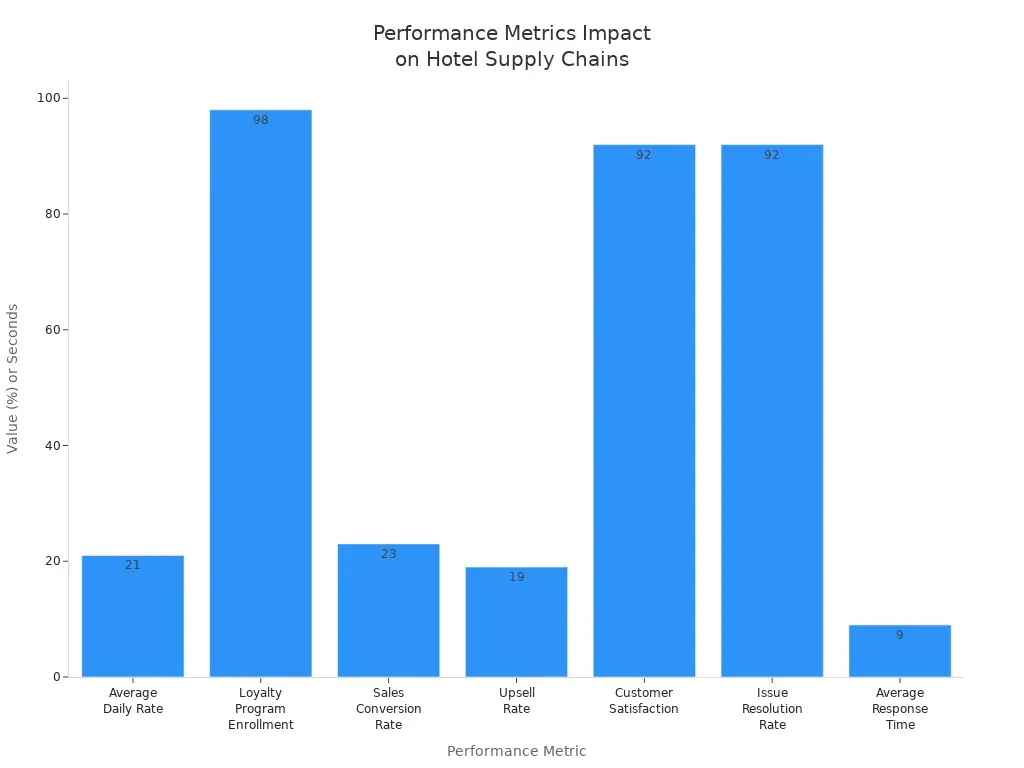
You can see that strong performance capability brings happier customers, quicker responses, and more money. This is why you should pick suppliers who can handle multinational hotel projects.
Performance Capability Evaluation Criteria
Image Source: unsplash
Product Quality & Certifications
You should check material quality before picking a supplier. High-end hotels need products that meet tough rules. Certified makers use fire-retardant fabrics and test how strong they are. For example, hotel fabrics should pass the Martindale rub test with over 50,000 rubs. This means the fabric will last a long time. Suppliers must also follow fire safety rules like NFPA 701 and BS 5867. You can ask for technical papers to see if they fit your project.
Sibolla Building has a strong quality control system. Each custom cabinet gets checked before it leaves the factory. Hardware is tested to make sure it works well. This helps you get cabinets that fit right and last longer. You can learn more about Sibolla’s custom cabinet options.
Compliance with International Standards
You need to make sure your supplier follows international rules. ISO standards, like ISO 9001 for quality and ISO 45001 for safety, are important for hotels. These rules help you trust that the supplier will give you safe and good products. The International Organization for Standardization (ISO) makes these rules to keep hotel quality high.
Sibolla Building works on projects all over the world and knows these rules. The team checks every product before it ships out. This lowers risks and helps you avoid problems during checks.
Supply Chain & Logistics Reliability
A reliable supply chain is very important for hotels. You want your materials to come on time and in good shape. You can check this by using OTIF delivery. OTIF means the supplier brings everything you ordered, with no damage, and on time.
Here is a table to help you understand OTIF delivery:
| Criteria for OTIF Delivery | Description |
|---|---|
| Timeliness | Arrives within the scheduled delivery window |
| Completeness | All items are present and undamaged |
| Quantity | Matches what was ordered |
You should ask your supplier how they track shipments. Sibolla Building uses digital tracking and neat packaging. This makes it easy for you to check your orders and stay on schedule.
Financial Stability & Track Record
You need to know if your supplier is good with money. A good track record means they finished similar jobs before. You can ask for references or stories about past work. Look for suppliers who have worked on big hotel projects in other countries.
Sibolla Building has done projects around the world, like full bathroom packages for hotels in Saudi Arabia. This shows Sibolla can handle big orders and meet deadlines. You can trust suppliers with a strong history to help your project from start to finish.
Technical Support & After-Sales Service
Good technical support helps you fix problems fast. Pick suppliers who give clear guides and answer questions quickly. After-sales service is helpful if you need spare parts or help after you get your order.
Sibolla Building gives detailed manuals and phone support. The team checks in after delivery to make sure things work well. This support lowers risks and keeps your project going smoothly.
Sustainability & Innovation
Sustainability is important in today’s hotel projects. Look for suppliers who use eco-friendly materials like reclaimed wood, bamboo, or recycled metal. These choices help the environment and make your hotel look better.
For timber-based specifications, review FSC’s chain of custody explanation and ask for evidence matching the actual supplied product and transaction.
Most of a hotel’s emissions come from building materials. Using green methods and responsible sourcing can lower your carbon footprint. Sibolla Building uses eco-friendly factories and gives you green options for your project. This focus on new ideas and sustainability adds value to your hotel.
When you use these main criteria, you can check how well each supplier performs. This helps you pick the best partner for your multinational high-end hotel project.
How to Assess Performance Capability

Image Source: pexels
Checking building material suppliers for big hotel projects in many countries needs a clear plan. You can use these steps to help you pick the right partner and avoid mistakes that cost a lot.
Document Review & Prequalification
First, collect important papers from each supplier. This helps you see if they can do your project. You should ask for:
- Company profile
- Past project experience
- Financial strength reports
- Certifications
These papers show if the supplier has the right skills and enough resources. You can also use selective tendering. This means you only let suppliers who meet your rules try to win the job. Always find a backup supplier for important materials. This keeps your project safe if your main supplier cannot deliver.
Tip: Prequalification helps you remove suppliers who do not fit your needs early.
Site Visits & Factory Audits
After you check the papers, go visit the supplier’s factory. Seeing their work in person helps you know what they can really do. Use this table to help you during your visit:
| Evaluation Area | Key Questions to Answer |
|---|---|
| Production Capability | Are the machines modern and well-maintained? Is the production floor organized? |
| Quality Management Systems | Is there a documented quality control process? Are there dedicated QC stations? |
| Workforce & Technical Skill | Are workers trained? What is the skill level of technicians and engineers? |
| Supply Chain & Material Control | How are raw materials sourced and stored? Can they trace materials back to their origin? |
| Compliance & Safety | Does the facility meet health and safety standards? Are there any regulatory red flags? |
Check if the supplier uses new machines and keeps the factory clean. Look for clear steps for quality control and trained workers. Make sure they follow safety rules and can track where materials come from.
Sibolla Building lets you do factory audits and shows how they manage delivery and projects. This helps you trust their way of working.
Reference Checks & Project Analysis
Ask for names of past clients. Call these clients to learn about their experience. You should ask:
- Did the supplier deliver on time?
- Was the quality good?
- How did the supplier fix problems?
- Would they use this supplier again?
You can also look at finished projects. Pick suppliers who have worked on hotel projects in other countries. This shows they know how to handle work in many places.
Pilot Orders & Performance Testing
Before you make a big order, start with a small test order. This helps you see how the supplier really works. You can check:
- Delivery time
- Product quality
- Packaging and labeling
- Installation support
If the test order goes well, you can trust the supplier with bigger orders. Sibolla Building uses digital tracking and manages every order in one place. This gives you updates right away and helps you find problems early.
Note: Digital tracking and managing orders in one place makes it easier to compare suppliers and keep your project on time.
By using these steps, you can check how well each supplier does and pick the best one for your hotel project.
Performance Capability: Common Evaluation Pitfalls
Overlooking Local Compliance
You need to follow local rules and building codes. Every country has its own safety and fire rules. They also have different rules for the environment. If you do not follow these, your project can get delayed. You might have to pay more money. Local officials could stop your work or make you change things. Always check if your supplier knows the local rules. Ask them to show proof before you buy materials. This helps you avoid doing the same work again and spending too much. Clear project plans and details help stop mistakes and confusion.
Underestimating Logistics Challenges
Logistics are very important for hotel projects. Many teams think moving materials is easy, but it is not. Bad planning can make deliveries late or cause damage. Sometimes items go missing. To stop these problems, you should: Compare actual quotations and project records before claiming a percentage improvement.
- Plan shipments early and watch them closely.
- Pick suppliers who know global logistics well.
- Check how things are packed and when they will arrive.
- Work with customs and local transport teams.
Tip: Using digital tracking and neat packaging helps you find problems early.
Ignoring After-Sales Support
After-sales support is just as important as the first delivery. If you skip this, you might have trouble during installation. Good suppliers give clear guides, spare parts, and quick help. Bad support can make you spend more fixing things later. Always pick suppliers who help after the sale. They should give tips for installation and check if everything works right.
Common Pitfalls to Watch For:
- Project plans that are not clear and doing work again
- Making late choices that rush the schedule
- Not checking samples or mock-ups
- Weak checks on quality during making
- Bad planning for logistics and installation
If you watch out for these problems, your project will stay on track and be safer.
Performance Capability Checklists and Resources
Checklists & Templates
Checklists and templates help you check suppliers in a simple way. These tools make sure you do not forget anything important. They help you stay organized and cover all the main points. Here are the best checklist types for hotel projects:
- Supplier Information Verification: Make sure the business name, address, and contact are correct.
- Compliance Assessment: Check licenses, permits, and safety and environmental rules.
- Quality Assurance Verification: Look at quality control steps and inspect products.
- Logistics and Delivery Evaluation: See if deliveries are fast and meet the schedule.
- Financial Stability Review: Check money reports and credit history.
- Ethical Standards Assessment: Make sure the business acts fairly and treats workers well.
- Communication and Responsiveness: Check if the supplier answers quickly and clearly.
- Risk Management: Find risks and see if there are backup plans.
- Continuous Improvement Initiatives: Check if the supplier listens to feedback and fixes problems.
- Long-Term Relationship Viability: See if the supplier has good plans for the future and cares about lasting partnerships.
Tip: You can make your own checklist or use ones from industry groups. This helps you stay careful and check everything.
Digital Supplier Management Tools
Digital tools help you check suppliers faster and better. You can keep papers, track deliveries, and talk to teams in one place. Many hotel projects use software to keep records and share news with everyone. Sibolla Building uses digital tracking and paperwork to help you follow each step. You get updates right away and clear records. This makes it easy to find problems early and keep your project on time.
- 📊 Digital dashboards show delivery progress and quality checks.
- 📁 Central storage keeps all files safe and easy to find.
Note: Using digital tools helps you make fewer mistakes and saves time. You can compare suppliers quickly and choose the best one.
Industry Standards & Certification Databases
Evaluate product-specific compliance evidence and the supplier’s documented quality controls separately. ISO’s quality management overview provides background on quality systems, while product tests and certificates must match the actual items and project market.
Tip: Check each certificate’s issuing body, scope, model and validity against the selected materials and project market.
You can make your hotel project better by using clear steps to check suppliers. Look at product quality, compliance, logistics, and technical support. Suppliers like Sibolla Building offer solutions that help you lower risks and keep your project moving. Using simple tools and processes makes your job easier and lets you compare suppliers well.
Organized risk management gives steady results and helps you deal with problems.
Follow these good ways to build strong partnerships, help the environment, and keep improving. Try these methods in your next hotel project to get better results.
- For a research example with a specific regional setting, read the study on supplier selection and operational performance in Zimbabwe’s hospitality industry. Assess its findings within the study’s scope rather than assuming the same result for every project.
- Buying from local suppliers helps the economy and makes deliveries easier.
- Having many suppliers compete keeps things fair and saves money.
- Use digital tools and make orders the same for more efficiency.
FAQ
You can ask for certificates like ISO 9001 or ISO 45001. These show the supplier follows global rules for quality and safety. Always review these documents before you choose a supplier.
Look for clean work areas, modern machines, and clear quality checks. Talk to workers and ask how they solve problems. This helps you see if the supplier can deliver good products.
After-sales support helps you fix issues quickly. You get help with installation, spare parts, and advice. Good support keeps your project on track and avoids extra costs.
You can use digital dashboards to track orders and deliveries. These tools store all documents in one place. You get updates fast and can solve problems before they grow.