A custom furniture concept needs engineering, sample approval and production controls before it becomes a repeatable product. I recommend agreeing the design responsibilities early. At Sibolla Building, we can discuss your drawings and the development scope required for a proposal.
Image Source: pexels
Key Takeaways
- Agree design and manufacturing responsibilities before developing custom furniture with an ODM partner.
- Begin your project with clear concept drawings. This helps everyone know your ideas and goals.
- Use special 3D modeling tools to see your designs. This helps find problems early, before making anything.
- Keep talking with your team during the project. This helps you get feedback and make changes fast.
- Choose a partner with relevant engineering capability, sample development and quality records. Confirm any additional services separately.
- Use feedback from prototypes to improve your designs. This makes sure the final product is what you want.
- Get ready for mass production by setting needs, finishing designs, and making sure all tools and materials are set.
- Use digital tools to manage your project. This helps you track progress, talk with your team, and stay on time.
Custom Furniture: Collaboration with ODM Partners
Key Roles in the Process
The designer defines appearance, function and project requirements. The manufacturing partner reviews feasibility, materials, construction and production. Agree whether the work develops a new design or adapts an existing ODM design.
- Designers work with Sibolla Building to:
- Share ideas and talk about project goals.
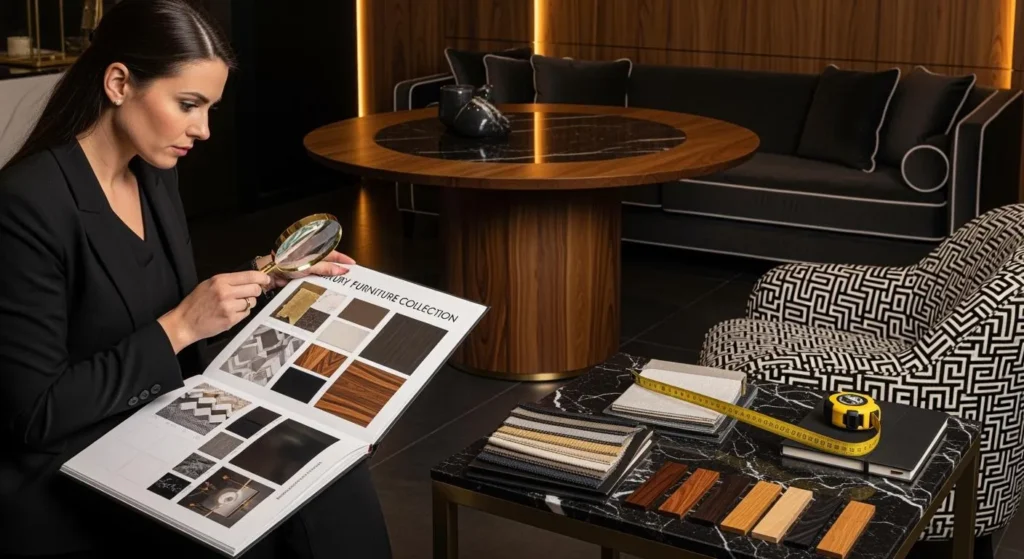
- Pick materials and finishes that fit the plan.
- Change features or sizes to fit the space.
- Sibolla Building helps you by:
- Handling engineering and making the furniture.
- Taking care of shipping and checking quality.
- Giving updates and feedback as things happen.
Workflow from Concept to Production
Submit the design brief, dimensions and material preferences. Agree the development scope, sample cost and approval criteria before prototyping. Record test requirements and revisions before bulk production.
- You send your design and what you need.
- Sibolla Building checks and gives advice.
- You say yes to the final design and materials.
- Sibolla Building makes a sample.
- You look at the sample and ask for changes if needed.
- Sibolla Building does quality checks.
- They start making the furniture after you agree.
Tip: You can ask for digital reports and updates to see how things are going.
Early Alignment for Success
Align dimensions, quantities, budget and delivery assumptions early. Name the decision-maker and record who approves drawings, samples and substitutions.
- Early alignment means:
- Sharing your goals and what you want from the start.
- Using tools that help track the project.
- Making choices together and changing plans if needed.
Keep approved decisions in a shared revision register. Resolve design and production constraints before releasing drawings for manufacture.
Design Briefs and Technical Communication
Use a written brief and numbered drawings to explain design intent. Confirm units, tolerances, interfaces and review responsibilities with the manufacturing partner.
Showing Design Ideas
Show proportions, dimensions, materials and functional requirements clearly enough for engineering review.
Clear Concept Drawings
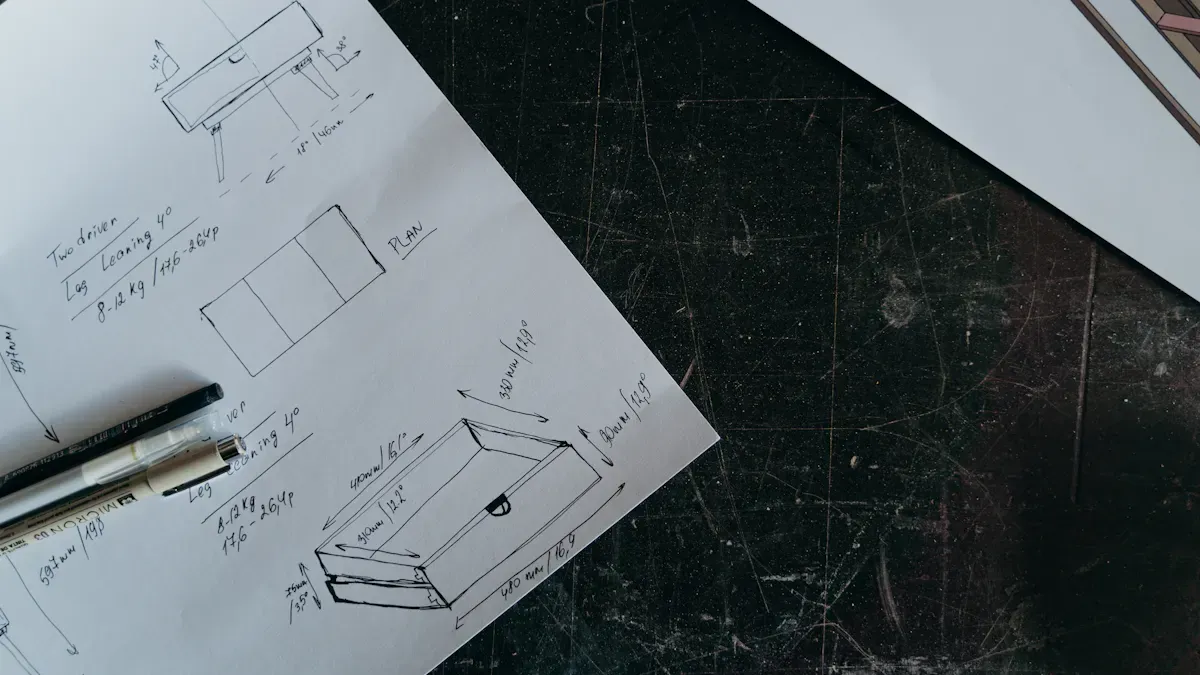
Simple drawings are the start of every project. You use them to show Sibolla Building what you want. These drawings help everyone see the same goal. They help you and the maker agree.
- You make sure your drawings show all key parts.
- You add sizes and notes about how things should look.
- You use these drawings to check if the 3D model is right.
Tip: Clear drawings help stop confusion and make feedback easy. You can find problems early and fix them before making starts.
You also add sheets with exact sizes and limits. This helps Sibolla Building make furniture that fits your space. You include a list of materials, colors, and brands you want. You explain how things should be sewn or put together. You check a sample before making lots of pieces. This step makes sure the final product is what you want.
Talking About Project Needs
Use a technical package containing drawings, bill of materials, finishes and hardware requirements. Include budget, quantities and approval deadlines.
- You talk about special things, like hidden storage or lights.
- You explain how you want the furniture to work in your space.
- You ask questions if you do not understand something.
Designers work with Sibolla Building by sharing updates and asking for feedback. You keep everyone in the loop so the project goes smoothly.
Picking the Best ODM Partner
Compare the proposed partner’s relevant production capability, engineering staff, sample process and inspection records. Request evidence for the specific furniture type.
| Partner capability | What to verify |
|---|---|
| Quality control | Agreed inspection plan and relevant product reports |
| Customization | Engineering limits, samples and approved specifications |
| Production support | Capacity, tooling requirements and material availability |
Check whether tooling, jigs or molds are needed for the design and who supplies them. Furniture does not always require dedicated molds. Agree any subcontracted work and ownership terms.
Using Communication Tools
You need good tools to keep everyone connected. Digital tools help you work with Sibolla Building, even if you are far away. You use software to share drawings, track changes, and talk in real time.
- You use FF&E software for updates and clear records.
- You try whiteboards for design reviews and workshops.
- You use video calls for face-to-face talks when you need to explain hard ideas.
Note: Good tools help you fix problems fast. You can share ideas, give feedback, and make choices together.
Designers work with Sibolla Building by using these tools to stay organized and keep the project moving. You make sure everyone can see updates and join talks. This teamwork leads to better results and fewer surprises.
Custom Furniture: 3D Modeling and Digital Integration

Image Source: pexels
CAD and 3D Tools in Furniture Projects
You need special tools to help make your ideas real. CAD and 3D modeling software help you go from a sketch to a finished piece. These tools let you see every part before anything is built. You can check the size, shape, and how parts fit. This step helps you save time and avoid mistakes.
Here are some [1] you might use:
| Digital output | Purpose |
|---|---|
| CAD drawings | Define dimensions, joinery, hardware and tolerances |
| 3D model | Review form, interfaces and assembly |
| Rendering | Review visual intent; it is not a performance test |
| Bill of materials | List approved components and material specifications |
| CAM or cutting data | Support the verified production process |
These programs help you get your designs ready to build. Each one has special features for different steps.
Translating Drawings to Models
Convert the design into coordinated drawings and, where useful, a 3D model. Models help review geometry, but still need material, fixing and tolerance information.
- Develop a model that reflects the approved dimensions and construction.
- Agree units, file formats and revision identifiers.
- You use CAD services to make technical drawings for each part.
- You turn 3D models back into 2D drawings for easy building.
- Keep the current approved drawings linked to the reviewed model.
This process helps you find problems early. You can fix things before you start making the furniture.
Addressing Technical Constraints
You may have some problems when you use 3D models. Some materials do not work with certain designs. Sometimes, your furniture is too big for the machines. After making a model, you might need extra work to make it smooth.
| Constraint | Review before prototyping |
|---|---|
| Materials | Strength, movement, finish and fabrication limits |
| Production | Machine capacity, tooling and assembly access |
| Installation | Transport dimensions, access routes and fixing requirements |
| Finish | Surface preparation, coating and acceptable sample range |
You fix these problems by talking with your team early. You pick the right materials and check machine sizes before you start. You plan for extra steps if your design needs a special finish. When designers and manufacturers work together, you find answers faster and keep your project moving.
Iterative Feedback and Refinement
For custom sofas, include upholstery, cushion construction and comfort checks in the sample brief.
Reviewing 3D Models with Stakeholders
You help your team look at 3D models together. This step lets everyone see the design before making starts. You use pictures and previews to check for problems early. Stakeholders look at the models and give their thoughts. This helps you fix things before it is too late.
| Step | Review purpose |
|---|---|
| 1. Brief | Confirm requirements, responsibilities and constraints |
| 2. Model and drawings | Review dimensions, interfaces and proposed construction |
| 3. Sample and revisions | Agree review rounds, fees and acceptance criteria |
| 4. Approval | Record the version released for prototype or production |
You also use shop drawings for parts made ahead of time. These drawings help you check if the furniture fits and matches the plan. Drafters help you get approvals faster and talk better with others.
Tip: You can ask for previews and shop drawings to help everyone see the design and stop mistakes.
Managing Revisions
You handle changes by listening to feedback and fixing things step by step. You keep notes on all comments and update the models when needed. You work with your team to pick the most important changes. You use clear notes and version control so no one gets mixed up.
- You gather feedback from everyone.
- You update the 3D model and drawings after each review.
- You check that changes fit the project goals.
- You keep records of every change for easy tracking.
You make sure the process stays neat and on time. You set deadlines for feedback and changes so the project does not slow down.
Balancing Design and Manufacturing
You mix creative ideas with what can be made in real life. You talk with your team about choices, time, and materials. You plan each part so your design works well. You stay open to changing sizes, finishes, and materials to fit the project.
- Designers work with manufacturers to make furniture that looks good and works well.
- You pick materials that fit the design and are easy to make.
- You work with partners who use green methods and good sourcing.
- You change your plans to meet real limits and keep quality high.
You focus on teamwork and talking clearly. You make sure your design can be built and still looks nice. You use feedback to make the design better and fix problems before making starts.
Custom Furniture Prototyping and Testing

Image Source: pexels
Creating Physical Prototypes
A physical prototype lets you inspect comfort, construction, finish and function. Agree which checks it must pass and how long development will take. A complete sample may need different materials, tooling and time from a finish swatch.
Request a review plan covering photos, dimensions and any tests before sample shipment. Keep a record of accepted details and required changes.
Tip: Always review your prototype in person or through detailed photos and videos. This helps you spot issues early.
Evaluating Materials and Fit
You need to make sure your furniture looks good and works well. During the prototyping phase, you test many things:
- You check the form to see if the shape matches your design.
- You test the fit to make sure all parts connect smoothly.
- You look at the details, like seams and edges, for quality.
- You upload your CAD files or sketches to Sibolla. The team suggests the best materials for your needs, such as strength or flexibility.
- You learn about the strengths and limits of each material. This helps you pick the right one for your project.
The choice of material changes what you test. Sometimes you focus on shape. Other times you check how strong or smooth the surface feels. You use this phase to make sure everything meets your standards.
Incorporating Feedback for Improvement
Collect prototype feedback in one issue list. Agree which changes are required and who approves the revised sample or drawings.
- You see all feedback in one place, so nothing gets missed.
- You work with the team to decide which changes matter most.
- You help refine the design before mass production starts.
Resolve critical feedback before releasing the production version. Keep any accepted deviations in the approval record.
Note: Fast feedback and clear records help you avoid delays and keep your project on track.
Custom Furniture: Tooling and Production Readiness
Finalizing for Manufacturing
You reach the final stage before production when you confirm every detail with your ODM partner. This step makes sure your custom furniture design is ready for the factory floor. You follow a clear process to avoid mistakes and delays.
- Define Requirements: You discuss your needs, materials, and budget with the Sibolla team. You make sure everyone understands the project.
- Design & Engineering: You work with engineers to turn your ideas into technical plans. These plans show how each part will be made.
- Prototype & Approval: You review a sample of your furniture. You check the look, feel, and function. You give feedback and ask for changes if needed.
- Tooling and preparation: Confirm any required jigs, tools or molds and their ownership.
- Mass Production: You approve the final sample. The factory gets ready to make your furniture in large numbers.
- Delivery & Support: You plan for shipping and after-sales help.
Tip: Always keep clear records of each step. This helps you track progress and solve problems quickly.
Tooling Design and Approval
You play a key role in approving the tools and molds used to make your furniture. You visit the factory or join video calls to see the process. You talk with engineers about materials and technical needs. You make sure the design matches your vision.
You test the prototype for comfort, strength, and safety. You ask real users to try the furniture and share their thoughts. The factory runs a small batch to check if everything works well. You check that the design meets all rules and standards. You give the final green light only after all tests pass.
- Functional testing checks how well the furniture works.
- User testing shows if people like the design.
- A pilot batch can test production repeatability; record findings and corrective actions.
- Check applicable product requirements and the evidence needed for the destination.
- Final approval means you are happy with the cost, quality, and timeline.
You may also use special checks like First Article Inspection (FAI) to make sure the first piece meets your needs.
Preparing for Mass Production
You get ready for mass production by planning and checking every detail. You look at past orders to guess how many pieces you need. You talk with suppliers to make sure they can deliver materials on time. You use software to track orders and manage parts.
- You create detailed tech packs that explain every requirement.
- You walk through the factory to spot any risks.
- You hold meetings with your team to confirm roles and set up communication.
- You check machines and tools to make sure they are ready.
- You set up a schedule for production and delivery.
Note: Good preparation helps you avoid delays and keeps your project on track.
Agree the drawing and sample versions used for production. Track open issues and milestone changes until the order is ready for shipment.
Practical Tips and Common Challenges
Cross-Cultural Collaboration Tips
When you design custom furniture, you work with people from other countries. You must build trust and keep your team working well. Here are some tips to help you do better:
- Always be honest and clear when you talk.
- Write down choices so everyone remembers them.
- Use the same tools to share updates with your team.
- Work with your clients to make sure you want the same things.
Use written dimensions, marked drawings and sample codes to reduce interpretation errors across languages and time zones. Confirm decisions after each review.
Agree the working language, communication channel and meeting times before development begins. Confirm translation needs and response expectations rather than assuming unlimited language support.
Avoiding Common Pitfalls
Problems can happen if you do not talk enough or set clear rules. People may not understand each other or forget what they agreed on. You can stop these problems by making sure everyone talks often. Make clear agreements about what each person does. Work with architects, designers, and builders so everyone knows their job.
Sibolla Building gives you one person to talk to for your project. This person keeps track of everything and helps you stay organized. This way, you make fewer mistakes and your project goes smoothly.
Tip: Always look at your agreements and tell your team if something changes.
Solutions for Communication Barriers
Talking with people from other countries can be hard. You can use easy ways to help everyone understand. The table below shows how to fix these problems:
| Solution | Description |
|---|---|
| Clarify expectations | Write down all important details, dates, and jobs so everyone knows the same things. |
| Adjust communication style | Use simple words, talk slowly, and check if people understand. |
| Respect cultural differences | Be willing to learn about other ways of talking and ask questions if you are not sure. |
Confirm the available project and after-sales support, including channels and response targets. Record installation questions with photos and component references.
Clear decisions and current drawings reduce avoidable rework. Report unresolved issues before they affect production.
Before placing a custom furniture order, confirm the development records below:
| Benefit | Description |
|---|---|
| Raw Material Tracking | You watch materials from buying to using them. |
| Production Planning | You set up resources for cutting and putting together. |
| Quality Control | You check each step to keep standards high. |
Send me your concept drawings, quantities, preferred materials and destination. We can review the development scope and identify decisions needed before sampling.
FAQ
You send your concept drawings and project needs. The team reviews your ideas and gives advice. You get a project manager who guides you step by step.
Yes, you can. You tell the team your special requests. They adjust dimensions, finishes, or add features like storage or lighting. You see 3D models before production.
Prototype timing depends on design complexity, materials, tooling, tests and revisions. Agree the sample scope, cost and milestone dates in writing.
Agree inspections and any required laboratory tests before production. Request reports that identify the checked model or batch and the acceptance criteria.
You share your budget and needs. The team suggests materials like solid wood, veneer, or laminate. You get swatches and performance data to help you choose.
Confirm the installation information and remote support included in the order. Any site supervision, travel or response commitment needs separate written agreement.
Confirm warranty duration, covered components, exclusions, spare parts and claim procedures in the order terms.
References and Sources
Sources checked on 27 September 2026. Standards and guidance apply within their stated scope; project recommendations are Kyle’s procurement judgment.