Unified engineering coordinates doors and wall panels through shared dimensions, joint details and finish approvals. I recommend reviewing these interfaces before fabrication so the design and installation teams work from the same references. This helps achieve consistent transitions and supports long-term design and performance.
Great transitions provide long-lasting value and enhance the aesthetic appeal of any building.
Key Takeaways
- Unified engineering helps doors and wall panels fit together well. This makes your space look better.
- Good transitions make rooms look bigger and more open. They also let more sunlight come in.
- Unified engineering means fewer mistakes when installing. This saves you time and money because everything fits right.
- Strong materials in unified engineering do not break easily. You will not need to replace them often, so there is less waste.
- Matching finishes on doors and panels stop problems with your project. This makes clients happier.
- Teamwork in unified engineering finds problems early. This makes the project go smoother and gives better results.
- Taking care of your doors and panels keeps them looking nice. They will last longer and stay pretty.
- If you pick Sibolla Building, you get expert help. Your project will be easier and faster.
What Are Perfect Transitions?
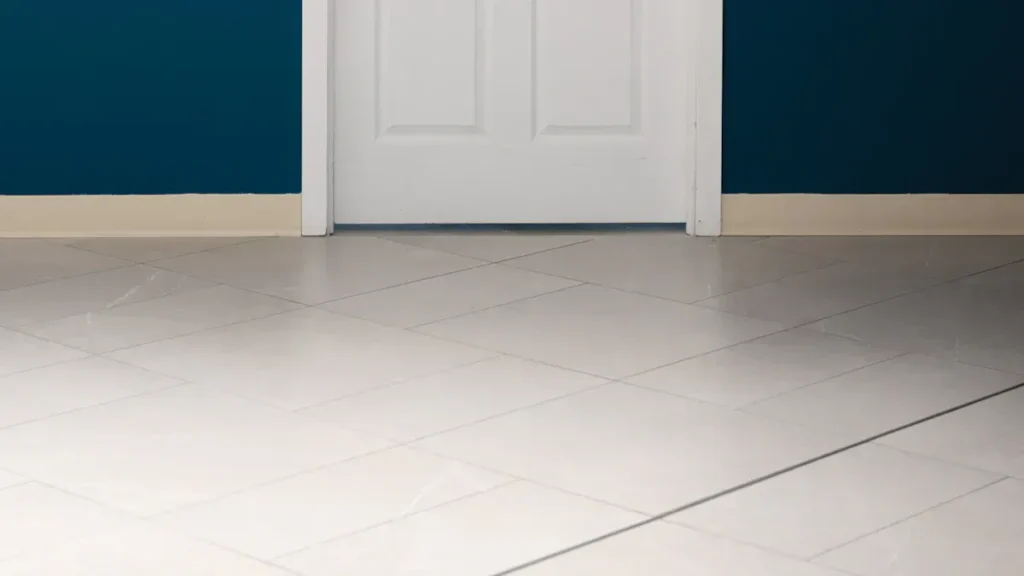
Image Source: unsplash
Defining Transitions
You notice transitions when a door touches a wall panel. These spots are where two surfaces meet. Perfect transitions look smooth, with no gaps or rough lines. You can tell when doors and panels match in color and finish. Professionals use different assembly methods to make this happen. The table below lists ways experts create these transitions:
| Assembly Method | Description |
|---|---|
| Running Match | Veneer leaves are placed one after another. |
| Balance Match | Veneer leaves are lined up with equal widths. |
| Balance and Center Match | Grain patterns are centered and leaves are aligned. |
| Pair Match | Two doors look alike by arranging veneer leaves in order. |
| Set Match | Three or more doors have a coordinated look. |
| Blueprint Match | Patterns match across doors and panels for luxury spaces. |
| Room Match | All doors in a room look similar. |
These methods help your space look unified and neat.
Why Transitions Matter
Visual Impact
You want your room to look tidy and nice. Perfect transitions make spaces feel bigger and more connected. When doors and panels match, the flow is smooth. Panels separate areas but keep rooms bright and open. You see how sunlight moves through the space. This means you need less extra lighting.
Structural Role
Transitions are not just for looks. They protect walls and doors from getting damaged. Materials used here can resist scratches and hits. You get strong parts that last in busy places. These tough transitions mean you replace things less often. This helps cut down on waste. The table below shows how transitions help performance:
| Aspect | Evidence |
|---|---|
| Visual Separation | Panels keep rooms bright and still separate spaces. |
| Durability | Materials stay strong and last in busy spots. |
| Long-term Performance | Fewer replacements and less waste over time. |
| Natural Light Distribution | Panels spread sunlight, so you use less artificial light. |
Where Transitions Occur
You see transitions in many kinds of buildings. Some places need careful details for both looks and function. Here are examples where transitions matter most:
- Curtainwall systems in offices need exact transitions for good performance.
- GMP manufacturing sites use transitions to control air and pressure.
- Transition spaces in GMP sites help handle dangerous materials and keep things safe.
- Buildings with different facade systems use transitions for looks and strength.
You can see that perfect transitions are important in many places. They help you make spaces that look good and work well for a long time.
Issues with Traditional Approaches
Misalignment and Gaps
You might see problems when doors and wall panels do not line up. These problems happen a lot with older ways of building. Sometimes, there are spaces around doors or panels that do not fit well. These spaces let cold air inside, making rooms less cozy. Door locks may not work right if the frame moves. This can happen when the building settles or the weather changes. Gaps can also show up if the installer uses the wrong size door or does not set the frame straight. Here are some problems you might notice:
- Cold air comes in around doors because of old weatherstripping or gaps.
- Door locks do not line up because frames move or the temperature changes.
- Spaces around inside doors happen from bad installation, bent frames, or wrong door sizes.
These problems make rooms look unfinished. They also waste energy and make doors harder to use.
Inconsistent Finishes
You want doors and panels to look the same. With older building methods, finishes often do not match. This happens when different teams work on different parts. Some panels look shiny, but others look dull. Sometimes, colors fade or the texture feels rough. These differences make rooms look messy. Many clients feel upset when they see these problems. In fact, finishes that do not match can cause many projects to get rejected. More than half of design firms say poor surface quality is a big problem for their clients. Models can look flat under bright lights, so they are less appealing during sales. Here are some effects of finishes that do not match: Compare actual quotations and project records before claiming a percentage improvement.
- More projects get rejected during client reviews.
- Surfaces look flat or dull when lights are bright.
- Rough textures and faded colors make clients less happy.
Installation and Maintenance Challenges
You face more problems when you do not use unified methods for doors and wall panels. Picking the right materials and coatings is very important. If you choose wrong, you may see rust or damage later. Weather and humidity can also make doors and panels wear out faster. You need to take care of everything to keep it working well. If you do not plan for rust prevention early, you may have bigger problems later. Here are some challenges you might face:
- It is hard to pick materials and coatings that stop rust.
- Moisture and weather can make doors and panels last less time.
- You need to do regular maintenance to stop damage and keep things working.
- It is important to talk about rust prevention early in the project.
You can see that older ways of building often mean more work and higher costs. These problems can hurt how your space looks and works.
Unified Engineering Explained
Core Principles
You want your project to look good and work well. Unified engineering helps you reach this goal. Sibolla Building uses a system where all parts connect from the start. Design, manufacturing, and delivery work together as one team. This way, you get better results and fewer problems.
Sibolla Building follows these main ideas:
- Plan everything before starting work.
- Use careful engineering so parts fit together.
- Make sure all teams talk to each other.
- Check that every product is high quality.
- Send materials that are ready to use.
You get a process that cares about being exact and working together. This means fewer mistakes and a smoother project.
Application to Doors and Panels
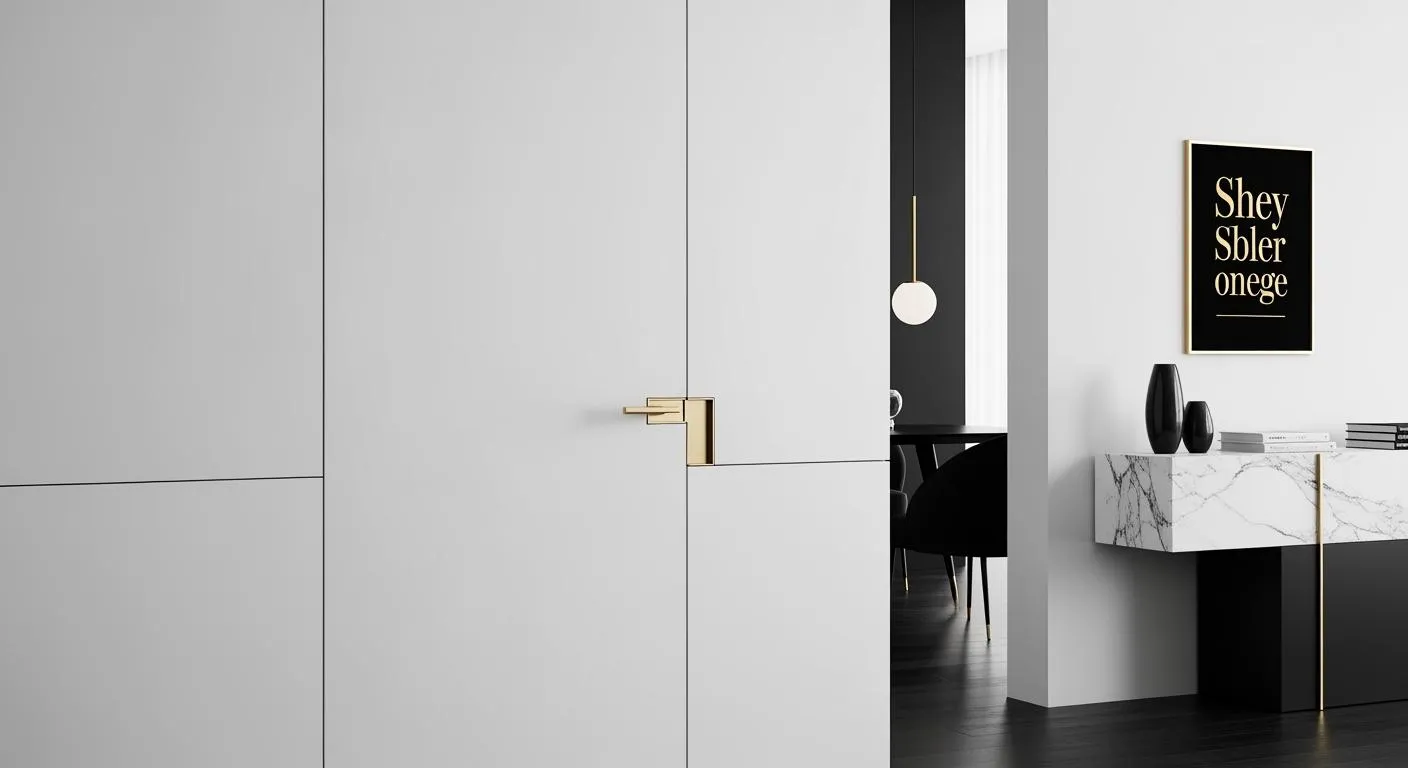
You can tell when doors and wall panels fit just right. Sibolla Building makes a system for doors, wall panels, and cabinets that works as one. You see straight lines and a neat look in your space. The wall panel system helps every part connect with no spaces.
Here is how unified engineering works for doors and panels:
- You get a door-wall-cabinet system planned as one piece.
- The system matches shape, color, and texture.
- Doors, panels, and cabinets line up perfectly.
- Your space looks neat and flows together.
This way, you get perfect transitions. Every part matches, from the panel color to the door grain. The room feels finished and well put together.
Role of Coordination
You need good teamwork to reach high standards. Sibolla Building brings design, manufacturing, and installation teams together early. This teamwork helps find problems before they get big. You save time and do not need to make costly changes.
Here are some benefits of this teamwork:
- Find problems early
- Work faster and better
- Get higher quality
- Make things run smoothly
- Share information clearly
You also get the same quality from start to finish. Teams set quality rules early and check every item. Designs are ready to build, so there are fewer mistakes and faster delivery.
Tip: If you pick unified engineering, your project starts off right.
Perfect Transitions with Sibolla Building
Precision Design and Manufacturing
You want every part of your project to fit well. Sibolla Building uses special design tools to plan each piece. The team checks all measurements before making anything. You get doors, wall panels, and cabinets that match your plans.
Sibolla Building follows these steps:
- The design team looks at what your project needs.
- Engineers draw detailed plans for each part.
- Machines in the factory cut and shape materials very carefully.
- Each piece is checked before it is put together. The team looks at size, shape, and finish.
- Only pieces that pass the check go to the next step.
This careful work means your doors and panels line up straight. You do not see gaps or rough edges. Your project looks neat and professional right away.
Note: Checking pieces before assembly helps find problems early. This way, you do not get surprises when you install them.
Material Compatibility
You need materials that work well together. Sibolla Building picks materials for doors, panels, and cabinets that match in color, feel, and strength. The team tests how each material handles light, water, and daily use. You get a space where everything fits together.
Here is a table that shows how Sibolla Building matches materials:
| Feature | Benefit to You |
|---|---|
| Color Matching | Doors and panels look the same shade |
| Texture Matching | Surfaces feel smooth and even |
| Strength Testing | Parts last longer and resist damage |
| Finish Selection | Gloss or matte looks stay consistent |
You do not have to worry about panels fading or doors looking odd. The materials keep their look and strength for a long time. This helps you get perfect transitions in every room.
Streamlined Installation
You want installation to be quick and simple. Sibolla Building gets each part ready before it comes to you. The team puts labels on every piece and packs them in order. You get clear instructions and help from the project manager.
Here is how Sibolla Building makes installation easy:
- Each cabinet and panel is put together in the factory first.
- Hardware and connection spots are tested before shipping.
- All parts have labels for fast sorting at your site.
- You get a guide with easy steps to follow.
- The project manager is there to answer your questions.
This process helps you make fewer mistakes and saves time. You do not need to make extra cuts or changes. The parts fit as planned, so you finish your project faster and with less stress.
Tip: Easy installation helps you avoid delays and keeps your project on budget.
Durability and Maintenance
You want your building to last for many years. Sibolla Building helps you reach this goal by focusing on durability and easy maintenance. When you choose their doors, wall panels, and custom cabinets, you get products that stand up to daily use. The team uses strong materials that resist scratches, dents, and moisture. You do not have to worry about surfaces wearing out quickly.
Sibolla Building checks every part before it leaves the factory. The team tests for strength, water resistance, and color stability. You get panels and cabinets that keep their look and function, even in busy places like hotels or offices. If you clean them with a soft cloth and mild soap, they stay looking new. You do not need special cleaners or tools.
Here are some ways Sibolla Building makes maintenance simple for you:
- Surfaces resist stains and fingerprints, so you clean less often.
- Hardware like hinges and handles use rust-proof materials.
- Edges and corners have extra protection to stop chipping.
- You get clear instructions for care and cleaning.
You save time and money because you do not need to fix or replace parts often. The company also offers support if you have questions about repairs or upkeep. You can call or email the team for help. This support gives you peace of mind.
The table below shows how Sibolla Building’s approach helps you:
| Feature | How It Helps You |
|---|---|
| Scratch Resistance | Surfaces stay smooth and neat |
| Moisture Protection | No swelling or warping |
| Color Stability | Panels do not fade over time |
| Easy-to-Clean Surfaces | Less effort to keep things tidy |
| Rust-Proof Hardware | Hinges and handles last longer |
You see the results of unified engineering in every detail. Perfect Transitions do not just look good on day one. They keep your space beautiful and strong for years. You get a building that works well and stays easy to care for.
Tip: Regular cleaning and quick attention to small problems help your doors and panels last even longer.
Real-World Results
Image Source: pexels
Before-and-After Comparisons
You can see a big change when you compare projects. Unified engineering makes things look better than old methods. Before, you saw gaps and finishes that did not match. Projects moved slowly and mistakes happened often. After switching, transitions are smooth and work goes faster. There are fewer errors and everything fits well. You can measure these improvements in different ways:
- Compare actual quotations and project records before claiming a percentage improvement.
- Compare actual quotations and project records before claiming a percentage improvement.
- Compare actual quotations and project records before claiming a percentage improvement.
- Compare actual quotations and project records before claiming a percentage improvement.
Rooms look neat and feel more comfortable. You spend less time fixing problems. You save money and finish your project sooner. Research shows unified engineering helps people work better and waste less. You get a space that works well and looks nice.
Note: Unified engineering helps you finish faster and with fewer problems.
Case Studies with Sibolla Building
You can see real results from Sibolla Building’s projects. In a hotel renovation, doors and wall panels match perfectly. The team plans every detail and checks each piece. They install everything carefully. There are no gaps or rough edges. Finishes stay the same in every room.
In Saudi Arabia, Sibolla Building gave a full bathroom package. Cabinets, panels, and doors fit together well. The project finished on time and stayed within budget. The client had fewer installation issues and needed fewer repairs. Materials last a long time, even in busy places.
You benefit from Sibolla Building’s organized process. The team uses pre-assembly checks, material matching, and clear project management. You get a space that feels unified and lasts longer.
| Project Type | Result | Client Feedback |
|---|---|---|
| Hotel Renovation | Seamless transitions, no gaps | “Rooms look polished.” |
| Saudi Arabia Bath | On-time, within budget | “Easy installation.” |
Industry Testimonials
You hear from professionals who use unified engineering. They say teamwork gets better and decisions are easier. Communication problems go away, so you avoid costly mistakes. You get higher quality and faster delivery because teams work together.
- Unified engineering brings everyone together for better results.
- It solves communication problems that cause design errors.
- You get project deliverables on time and with higher quality.
Industry leaders trust unified engineering. They like the clear process and reliable results. You can count on Sibolla Building to give you these benefits.
Tip: Choosing unified engineering helps your project succeed.
Key Advantages of Unified Engineering
Aesthetic Benefits
You want your project to look nice and feel finished. Unified engineering helps you reach this goal. When you use one system for doors, wall panels, and cabinets, every detail matches. Colors and textures stay the same in each room. You see straight lines and smooth surfaces everywhere. There are no weird gaps or panels that do not match. This way, your building feels calm and put together.
Perfect Transitions between doors and wall panels make rooms look neat. Light moves across the surfaces without stopping. Guests and clients notice the professional look. You feel happy to show your space to others. Designers like this because it makes their ideas real.
Performance and Value
Unified engineering does more than make things look good. It also helps your project work better and gives you more value. You see fewer mistakes and less waste. Every part fits right, so you do not have to fix problems later. This saves you time and money.
You can measure these benefits with clear numbers:
| Metric | Impact on Value |
|---|---|
| Cycle Time | Finds and removes things that slow you down |
| Deployment Frequency | Makes work go faster over time |
| Customer Satisfaction | Goes up by 60% with better teamwork |
| Product Defects | Drops by 20-30% with better engineering |
| Visibility of Inefficiencies | Turns unclear issues into problems you can solve |
You get happier customers because your project looks and works better. Fewer problems mean less fixing and fewer complaints. You also keep better control of your budget. When you use unified engineering, you avoid big surprises.
Unified engineering also helps you handle risks. You work with one team that does everything. This team checks quality, controls costs, and solves problems early. You do not have to worry about mixed messages or delays. You get one contact for design, building, and support. This makes your job easier and your project more steady.
- One team means you control cost, scope, and quality.
- One contact makes things less confusing.
- Teams work together, so there are fewer changes and fights.
- Clear jobs help you find problems early and lower risk.
- The design-build model means less arguing.
- Fewer people and less handoff mean fewer surprises.
- Project closeout is easier to plan.
- You get a simple way to ask for help or warranty support.
You also get help from all teams early on. This brings together building, engineering, and real estate experts from the start. You see what is happening at every step. Hidden problems are less likely, and you can take care of your building better over time.
Project Efficiency
You want your project done on time and on budget. Unified engineering helps you do this. You see faster work because all teams work together. There are no delays from waiting for one group to finish. You get updates right away and clear messages.
Companies like Babcock & Wilcox show that unified engineering tools save money. They use special tools to track savings. The benefits in design and quality are bigger than the first cost. You need to fix less, which saves money.
Unified engineering puts all engineering work in one place. You see engineers from different fields working together at the same time. This teamwork breaks down walls and speeds up choices. You finish your project faster and with fewer mistakes.
Unified engineering also makes work easier. You get fewer errors, better teamwork, and more done. You can fix problems fast because everyone shares news. This way, you always get good results.
Tip: If you pick unified engineering, you get more control, save money, and finish your project with confidence.
Choosing Unified Engineering for Your Project
When to Choose Sibolla Building
You want your project to stand out. You should choose Sibolla Building when you need seamless transitions between doors and wall panels. If you value precision, durability, and a unified look, Sibolla Building fits your needs. You see the benefits in hotels, offices, apartments, and commercial spaces. You get a single point of contact for design, manufacturing, and delivery. You avoid confusion and delays. Sibolla Building helps you control costs and reduce risks. You receive materials that match your vision and fit your schedule.
Tip: If you want fewer mistakes and a smooth process, Sibolla Building gives you the support you need.
Steps to Implementation
You can follow clear steps to bring unified engineering into your project. You start by looking at your current tools and setting goals. You prepare your team and gather all the information needed. You create guidelines so everyone knows what to do. You design workflows that help your team work fast and adapt to changes. You train your team so they understand the new system. You keep track of progress and check if you meet your goals.
Here is a simple list of steps:
- Assessment: Look at your tools and set clear goals for your project. Decide what you want to achieve and how you will measure success.
- Implementation: Get ready for setup. Collect all the details and inputs your team needs.
- Standardization: Write clear instructions and guidelines for everyone involved.
- Workflow Design: Build workflows that help your team work efficiently. Make sure they can adjust if things change.
- Change Management: Train your team so they feel comfortable with new methods and tools.
- Monitoring: Watch your progress. Check your goals and make sure you stay on track.
You see each step helps your project run smoothly. You avoid confusion and keep everyone focused.
Questions for Your Team
You need to ask the right questions before you start. You make sure your team understands the goals and the process. You check if your team is ready for change. You ask about the materials and the timeline. You find out if your team needs extra training or support.
Here are some questions to guide your team:
| Question | Why It Matters |
|---|---|
| What are our main goals? | Helps set clear targets |
| Are our tools and workflows ready? | Ensures smooth setup |
| Do we need special materials? | Matches design and durability |
| Who will manage the process? | Keeps tasks organized |
| How will we measure success? | Tracks progress and results |
| What support do we need from Sibolla? | Gets expert help and guidance |
You use these questions to plan your project. You make sure everyone knows their role. You get the best results when your team works together and stays informed.
Note: Sibolla Building supports you at every step. You get expert advice, clear instructions, and reliable materials. You build spaces that last and look great.
You can notice how unified engineering makes doors and wall panels fit together perfectly. This gives your space a smooth look and makes it strong. Unified systems make design and building easier. They help workers do less and finish faster. You can build quickly and make fewer mistakes. When you pick unified engineering, you match new ideas with your project goals. This helps you keep getting better. Clients trust you more and feel happier with the results. If you want to learn more, you can read articles, guides, white papers, and reports about best ways to build and new trends in the industry.
FAQ
You see a perfect transition when the door and wall panel meet with no gaps or uneven lines. The colors and finishes match. The surfaces look smooth and connected.
You get better results with unified engineering. Your project looks neat and works well. You avoid mistakes, save time, and reduce costs. You also get support from one team.
You receive labeled parts, clear guides, and support from a project manager. The team checks each piece before shipping. You finish installation faster and with fewer errors.
Yes, you can. Sibolla Building offers many materials, colors, and finishes. You choose what fits your style. The team helps you match everything for a unified look.
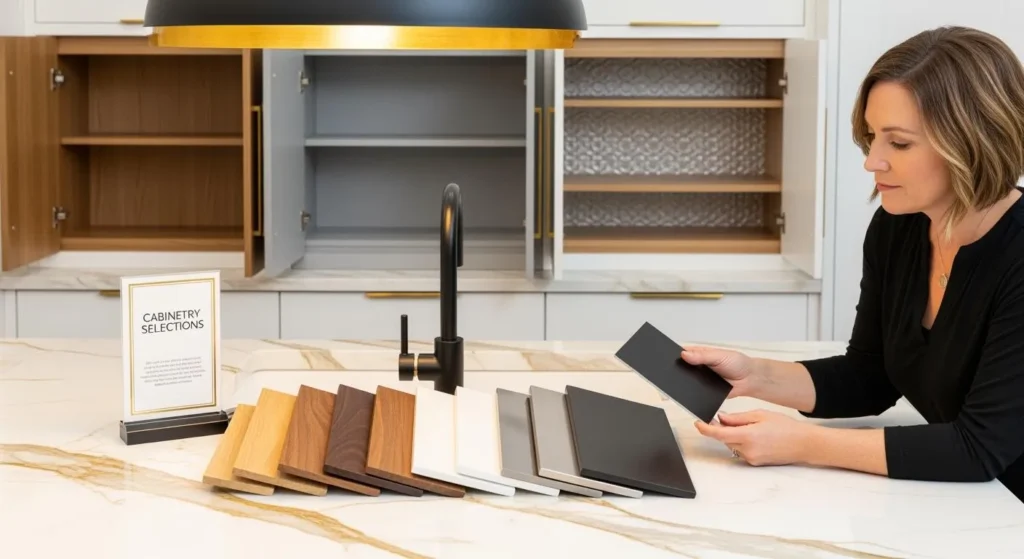
You can pick from MDF, plywood, melamine, PET, lacquer, veneer, or solid wood. Each material has different strengths. The team helps you choose the best option for your needs.
Clean surfaces with a soft cloth and mild soap. Avoid harsh cleaners. Check hardware for rust. Fix small problems quickly. Follow the care guide from Sibolla Building.
You can reach out to your Sibolla Building project manager. You get answers to your questions and support for installation or maintenance. The team stays with you from start to finish.