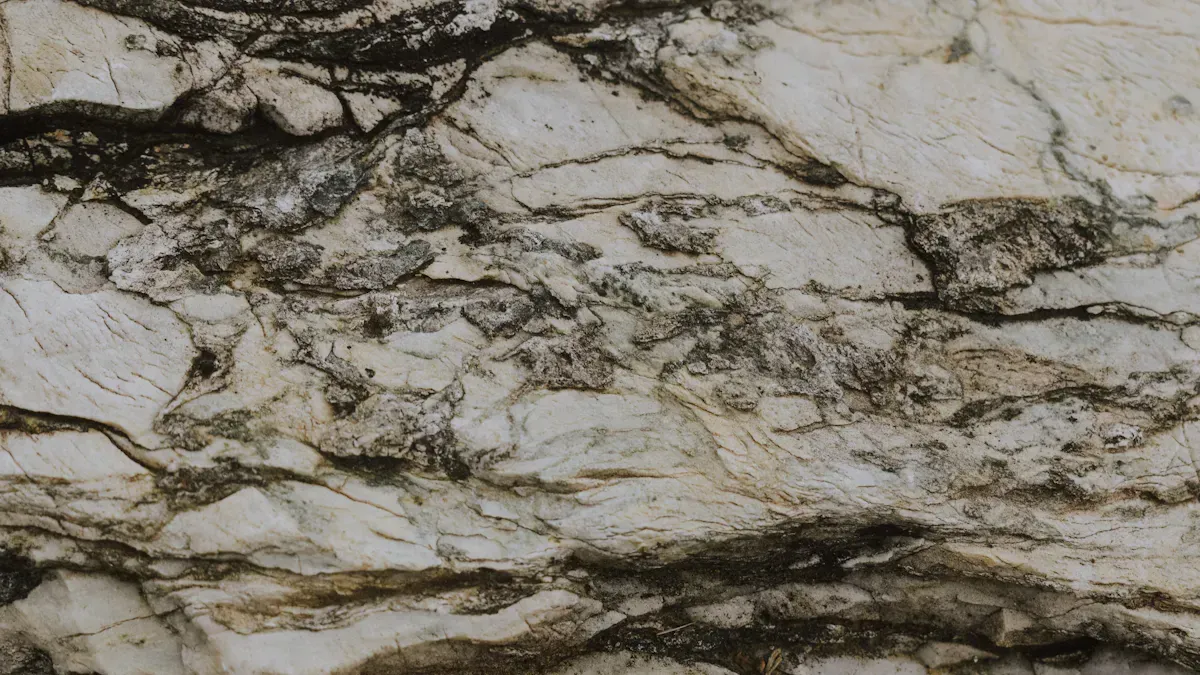
Pre-shipment inspection can identify unacceptable color variation and cracks before stone is packed. I recommend agreeing appearance, dimensions, finish and structural criteria in advance. Inspection reduces avoidable risk; it cannot remove natural variation or guarantee that every concealed defect will be found. See Sibolla Building for related project options.
Image Source: pexels
Key Takeaways
- Check where the stone comes from to make sure it fits your project. Start checking at the quarry and keep checking until the stone leaves the factory.
- Use traceable slabs and approve their range together. Stone from one quarry or block can still vary naturally.
- Look closely for color changes and cracks before shipping. Use sunlight and put slabs next to each other to see any differences.
- Use safe testing methods that do not harm the stone. This helps you find hidden problems while keeping the stone whole.
- Distinguish surface drying, moisture condition and laboratory water absorption. Apply material- and project-specific criteria rather than a universal 0.5% limit.
- Specify packing and lifting arrangements for the product size. Large slabs and cut tiles need different support and handling.
- Agree acceptable natural features, repairs and finish defects separately from structural rejection criteria.
- Ask us to define the inspection, packing and delivery scope for your stone package.
Color Variation: Source and Batch Verification
If you import natural marble or granite, you want to avoid problems like color variation and cracks. Sourcing verification helps you get stone that fits your project. This process starts at the quarry and goes until the stone leaves the factory.
Consistent Quarry Selection
Picking the right quarry is important. You must make sure the stone comes from the same place. This helps you get slabs with similar color and look.
Source Documentation
You should ask for records about where the stone comes from. Good suppliers give documents that show the quarry location and block numbers. This makes matching slabs easier and helps you avoid differences.
Natural Defect Screening
You can use different ways to check for natural defects and keep quality high:
- Select traceable slabs from compatible blocks and inspect the actual appearance range.
- Look at slabs in daylight. This helps you see the real color.
- Compare safely supported slabs or cut pieces in the proposed layout. Do not lay large slabs unsupported for inspection.
- Approve color and finish in their intended dry condition; wetting can mask the final appearance.
These checks help distinguish an approved appearance range from visible damage. Natural veins are not automatically defects.
Sibolla Building Stone Sourcing
For the proposed stone, agree source traceability, sample range and batch approval before fabrication.
Stable Supply Chains
Confirm the source and supply arrangements for the selected material. Natural stone availability, yield and appearance can change between blocks.
Supplier Coordination
Ask us to record approved samples, dimensions, finish and packaging criteria in the order. Agree how changes or unavailable slabs will be handled.
Document the technical requirements and any tests needed for the selected stone and use. These are product-specific checks, not a universal batch certification.
| Evidence | What to request |
|---|---|
| Appearance approval | Agreed slab range or layout images |
| Dimensions and finish | Specified tolerances and finish reference |
| Material tests | Relevant laboratory reports where required |
| Inspection record | Checked items, findings and disposition |
By following these steps, you lower the risk of color variation and cracks. You also make sure your stone fits your design and safety needs.
Color Variation and Cracks Inspection
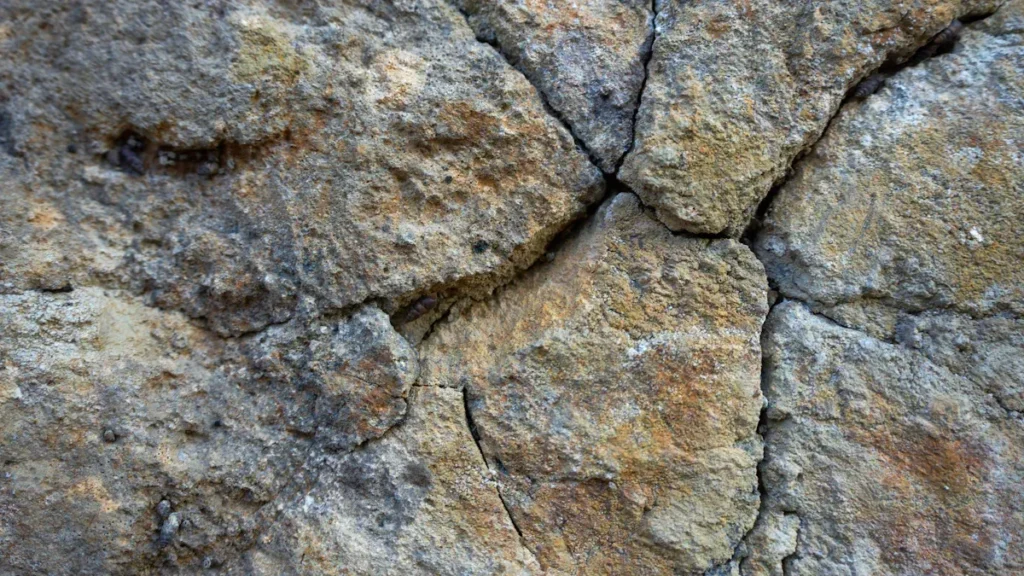
Image Source: unsplash
When you check natural marble and granite, look for color changes and cracks. These problems can change how your stone looks and how strong it is. Careful checking helps you avoid problems after you put the stone in.
Visual and Reference Checks
You can use easy steps to find color changes and cracks before your stone ships. These steps help you see if each slab is good.
Lighting and Batch Comparison
Compare stone under consistent lighting and in the intended dry condition. Review fissures, repairs and cracks separately. A natural fissure is not automatically structurally acceptable; suitability depends on its extent and intended use.
Tip: Use daylight or strong white lights to see the real color and any problems.
Master Sample Use
Use an approved range of samples or slab-layout images. A single small sample cannot represent every natural vein or color variation. Define the acceptable range before fabrication.
Here is an easy checklist for your check:
- Check full slabs, not just small pieces.
- Tell the difference between fissures and cracks.
- Check color and pattern by putting slabs side by side.
Sibolla Building Quality Standards
Agree the appearance and defect criteria with the project team. Ask us to identify any features requiring further technical review.
Color Consistency Protocols
Natural mineral differences create color and pattern variation, including within one block. Use actual slab approval and layout planning to manage appearance; machining cannot make the stone inherently uniform.
| Finding | Decision to agree |
|---|---|
| Natural color or vein variation | Compare against the approved range and layout |
| Filled fissure or resin repair | Document and assess acceptability for the intended use |
| Through-crack or unstable area | Hold for technical assessment or reject under agreed criteria |
| Chip or finish defect | Assess repair or replacement against agreed tolerance |
Record accepted features and rejected defects before cutting or shipment. Do not infer strength from a supplier’s appearance grade.
Crack Detection Methods
Inspect the face, back, edges and cutouts, using adequate lighting and records. Mark suspicious areas for review. Specify specialist testing only where appropriate, rather than assuming lights reveal hidden cracks.
By following these steps, you lower the chance of color changes and cracks in your stone. You get a finished project that looks good and lasts a long time.
Structural Integrity
When you choose natural marble or granite, you want strong and safe materials. Checking for cracks and hidden flaws is a key part of pre-shipment inspection. You can avoid problems like broken tiles or weak slabs by using the right tools and clear rules.
Crack and Flaw Assessment
Review visible and suspected structural issues before dispatch. Routine inspection cannot establish that every subsurface defect has been found.
Surface and Subsurface Tools
You can use several tools to check for cracks and flaws:
- Use your eyes to spot surface cracks, chips, or color changes.
- Use adequate visible lighting and inspect both faces and edges where accessible. A UV lamp is not a universal tool for seeing concealed cracks.
- Do not strike finished slabs with a hammer as a routine buyer check. Ask a qualified stone specialist to assess suspected damage using a suitable method.
Here is a table that shows how you can check for flaws at each stage:
| Inspection Stage | Methods of Assessment |
|---|---|
| Raw Block Inspection | Visual color assessment, Crack detection, Block squareness, Surface integrity, Lot segregation |
| Cutting Quality Control | Correct thickness cutting, Parallel cut check, Edge crack monitoring, Chipping control, Surface stability |
| Polishing Inspection | Pinholes, Resin patches, Micro cracks, Mineral spots, Surface scratches |
You should check the stone at every step. This helps you catch problems early.
Reporting Criteria
You need clear rules for reporting cracks and flaws. Write down the size, length, and location of each crack. Use photos to show what you find. Mark slabs that do not meet your standards. Only accept stone that passes all checks.
Sibolla Building Inspection Process
Agree the inspection methods, acceptance criteria and reporting scope for the selected stone. Escalate suspected structural defects before release.
Non-Destructive Testing
Specialist non-destructive methods may help investigate specific suspected defects. Agree the method and its limitations with qualified personnel; do not claim that routine lights or moisture meters find concealed cracks.
Use an agreed inspection method and document its limits; a non-destructive check does not guarantee defect-free stone.
Acceptance Standards
Separate structural rejection criteria from agreed natural features and repairs. Hold deep cracks, unstable areas or unapproved defects for assessment before packing.
Keep inspection findings and acceptance decisions with the shipment record.
Moisture and Finish Control
Moisture condition can affect appearance, adhesives, finishes and packing. Compare surfaces in a consistent dry condition and follow the selected stone and installation requirements.
Moisture Testing
Check whether slabs, adhesives, resin treatments or packing materials need drying before shipment. Do not confuse current moisture condition with a laboratory absorption result.
Acceptable Levels
Water-absorption limits depend on stone type, applicable material specification and intended use. ASTM C97/C97M measures absorption and bulk specific gravity; it does not create a universal 0.5% moisture-content threshold. See [1].
Testing Equipment
Identify the property being checked before selecting a test. Laboratory absorption tests and field moisture readings answer different questions.
| Check | Method or evidence | Limit |
|---|---|---|
| Stone absorption | ASTM C97/C97M where specified | Laboratory result; apply the relevant material criteria |
| Current moisture condition | Agreed product-appropriate method | Not interchangeable with water absorption |
| Finish readiness | Supplier’s resin, coating or adhesive requirements | Check curing and drying conditions |
| Packing readiness | Inspect dry surfaces and packaging materials | Avoid trapped moisture; follow product guidance |
Read the report method, tested material and acceptance criteria. A test name alone does not prove compliance with every project requirement.
Finish Uniformity
A good finish makes the stone look better and last longer. You need to check for even shine, smooth feel, and no rough spots.
Gloss and Texture Checks
Compare the specified finish, whether polished, honed, brushed or another approved texture. Check uniformity under consistent light without assuming every natural stone should be glossy.
- Look for even color and pattern on the slab.
- Make sure the shine is the same all over.
- Compare texture and gloss with the approved finish reference.
Identifying Defects
You should look for marks, scratches, or dull spots. These can make the stone lower quality. Watch for cracks, chips, or uneven edges. If you find any, ask your supplier to replace the slab.
- Color uniformity is important for grading marble and granite.
- Visual acceptance depends on the approved color and vein range.
- Structural soundness means no cracks or big flaws.
Sibolla Building Stone Finishing
Specify finishing and dimensional requirements before fabrication. Ask us which checks and records are included.
Fabrication and Finish Checks
Machining and finishing can control dimensions, edges and texture within the agreed tolerances. They cannot remove natural color or vein differences. Verify the actual fabricated pieces against the approved layout.
Quality Assurance
Agree dimensional, finish, visible-defect and packing checks before dispatch. Laboratory tests or specialist investigations should be specified where the project requires them.
Tip: Always ask for test reports and finish samples before you approve your order. This helps you get the quality you want.
Protecting Stone After Color Variation Checks

Image Source: pexels
Good packaging and careful handling keep marble and granite safe. If you skip these steps, your stone can get cracks or chips. Color can also change if the stone is damaged. You want your stone to arrive ready for use.
Protective Packaging
Strong packaging keeps your stone safe while it travels. It stops slabs from moving, rubbing, or getting wet.
Reinforced Crates
Use crates made from wood that is treated or steel. These crates hold slabs tightly and follow shipping rules. Each crate fits the stone’s size and weight. This stops slabs from shifting or bending. Large slabs need A-frames to stay upright and stable.
Moisture-Proof Film
Use compatible protective materials and suitable dry packing. Avoid trapping moisture against stone or finishes; confirm drying and wrapping requirements with the fabricator.
Tip: Ask your supplier to pack slabs by where they will go. This makes unloading and sorting easier.
Handling Procedures
How you move and load stone is important. Careful handling lowers the risk of cracks and surface damage.
Loading and Unloading
Large slabs need rated supports, lifting equipment and trained handling. Cut tiles and smaller pieces may use suitable horizontal packing. Follow product-specific lifting and loading plans.
Transit Monitoring
Secure packages using an approved loading plan and rated restraints. Check support, load distribution and container limits. Handling controls reduce breakage risk but cannot prevent natural color variation.
| Type of Damage | Description |
|---|---|
| Thickness Variation | Uneven slabs can break when stressed. |
| Micro Cracks | Small cracks can get bigger during shipping. |
| Packaging Quality | Weak crates can break and cause damage. |
| Impact at Edges | Corners and edges can chip easily. |
| Incorrect Slab Stacking | Bad stacking causes pressure and cracks. |
| Movement Inside Container | Shifting bundles can hit and break each other. |
| Improper Weight Distribution | Uneven weight can bend slabs and cause cracks. |
| Exceeding Safe Weight Limits | Too much weight increases shaking and risk. |
| Poor Forklift Operation | Bad lifting can cause hidden cracks. |
Sibolla Building Logistics
Agree the packing design and lifting arrangements before shipment. Confirm the forwarder and receiving team can handle the actual package weights and dimensions.
Global Delivery Standards
Confirm crate or frame design, protective materials, package references and any applicable wood-packaging treatment requirements. Keep photographs and packing records.
Risk Reduction
Agree responsibility for inspection, packing, freight, customs and receiving. Keep transport risk, damage reporting and replacement terms visible in the order.
Note: Good packaging and logistics help you save time and money by stopping damage before it happens.
Use these five inspection areas as a project checklist, not universal PSI standards. Send me the stone type, drawings, quantities and destination so we can agree inspection and packing requirements.
Color Variation and Stone Inspection FAQ
Different minerals inside the stone make many colors. Where the quarry is and which block you pick also change the color. You can get less color change if you pick slabs from the same quarry block.
Inspect faces, edges and cutouts under consistent lighting. Record suspect areas and request qualified assessment; neither UV light nor hammer tapping guarantees concealed-crack detection.
Current moisture condition and water absorption are different properties. Check drying and installation requirements separately from the material’s laboratory absorption result.
Use packing suited to slabs or cut pieces, with rated support, compatible protection and secure restraint. Avoid trapping moisture and confirm safe receiving arrangements.
Ask us to agree the sample range, dimensional tolerances, finish checks and packing inspection scope. Confirm any laboratory or specialist tests separately.
Share the required patterns, dimensions and finish. Confirm feasibility, sample approval and fabrication limits before ordering.
Check the color, cracks, moisture, finish, and packaging. Compare slabs to the master sample. Look at test reports and check crates to make sure the stone will arrive safely.
Send your drawings, stone selection, quantities and destination through our contact page. We can discuss the inspection scope and information needed for a proposal. See Sibolla Building’s website for related project options.
References and Sources
Sources checked on 27 September 2026. Standards and guidance apply within their stated scope; project recommendations are Kyle’s procurement judgment.