Comparing lighting manufacturers becomes practical when each offered fixture has an identifiable configuration and a complete documentation set. A brochure photograph, wattage figure or component certificate can answer one question while leaving electrical supply, control pairing, mounting, optical behavior and service access unresolved. The buyer needs to connect those records to the same proposed model.
For a residential or commercial interior package, start with the lighting task and installation conditions. Different fixture types can belong to one design while requiring different evidence. A decorative suspended piece, recessed fitting and portable lamp should not be compared as though their construction and installation responsibilities were identical.
This guide builds a model-based comparison before the defined order is released. The supplier identifies the offered assembly and departures from the brief; qualified project personnel review the applicable electrical, installation and destination requirements. Design observations and technical evidence remain separate. No country-specific acceptance rule, universal dimming threshold or manufacturer capability is assumed from a category page.
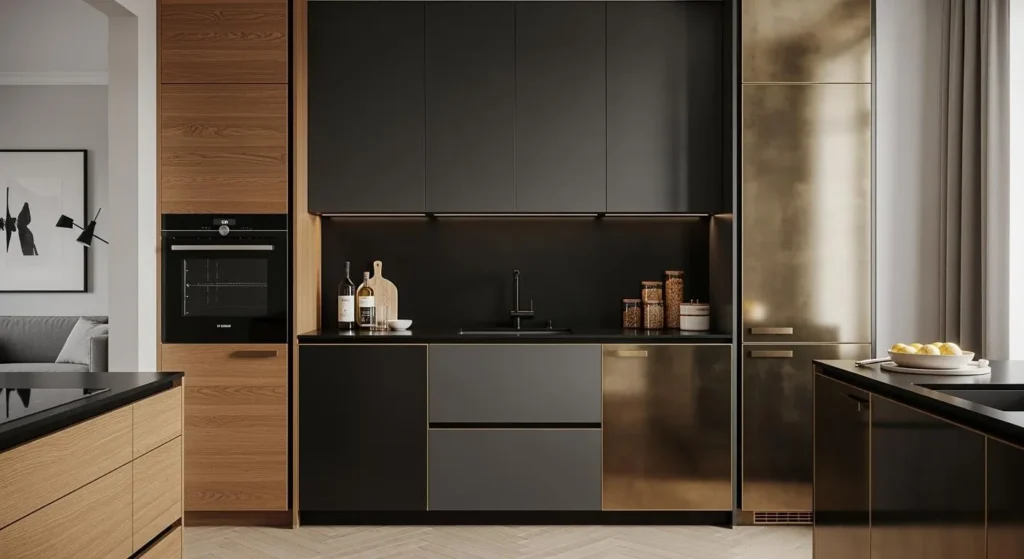
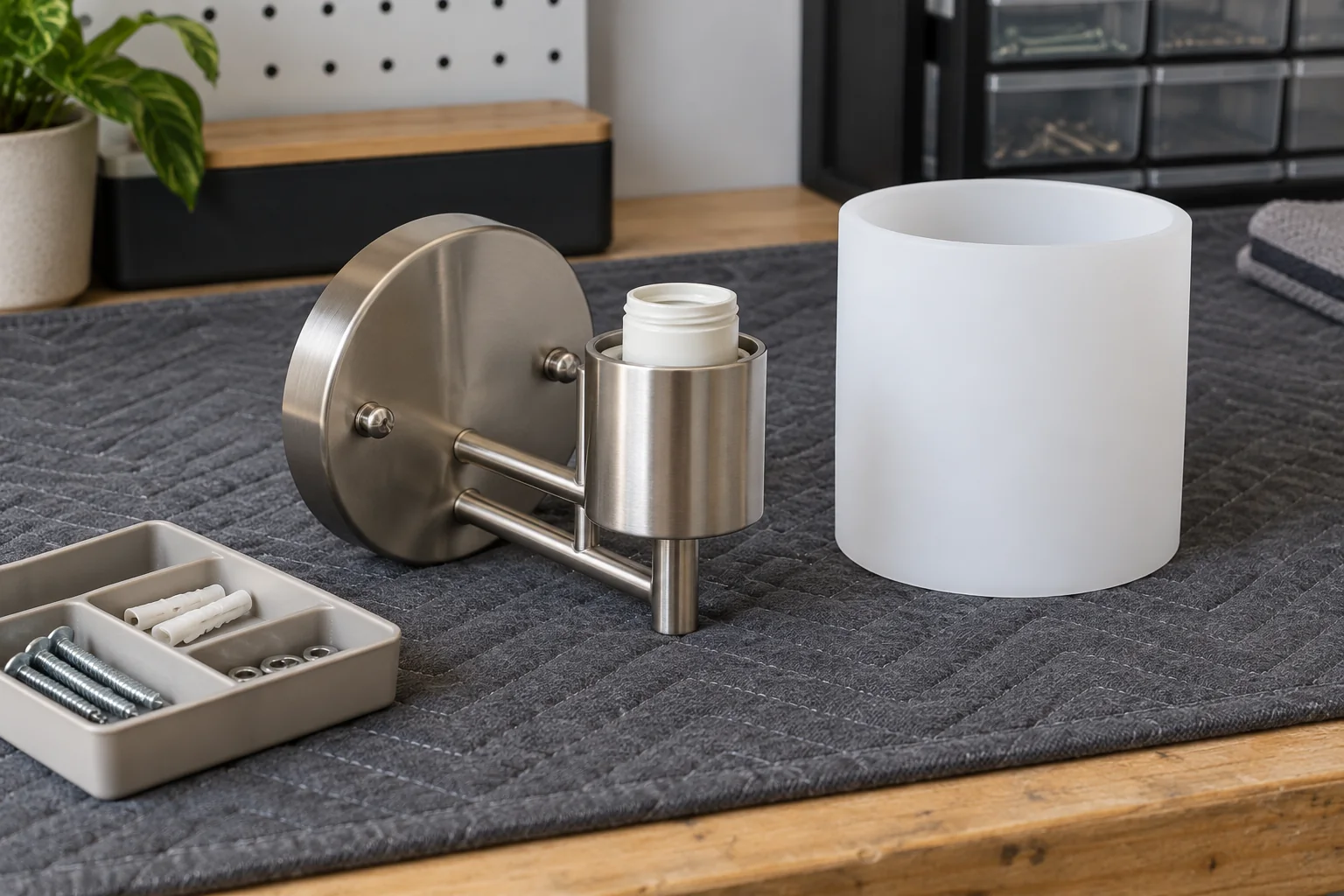
AI-generated illustration of proposal objects; no manufacturer model, certified product or operating fixture is represented.
What should lighting manufacturers identify in the offer?
Give each assembly a retrievable model reference
Assign an order-line identity to the proposed fixture and identify its maker, model, version and included components. Ask whether the offer includes the driver, light source, optic, mounting accessories and controls or whether another party supplies them. The buyer should be able to reconcile the quoted scope with the delivered assembly.
The lighting fixture category establishes the enquiry context. Add the actual fixture schedule, task and location to the request. Broad product availability does not establish that a specific model has the documentation, performance or supply conditions required for the project.
For configurable products, record the selected options that affect the reviewed object. Finish, output arrangement, optic, supply and control version can matter independently. A family name may cover several combinations; ask which records apply to the exact selection and what must change when an option changes.
Compare the same deliverable boundary
For commercial lighting proposals, identify what the supplier delivers and what the lighting designer, electrical installer or control integrator must provide. A quotation excluding controls or mounting accessories can differ materially from a complete package even when fixture photographs appear similar.
| Comparison input | Required record | Question to resolve | Review responsibility |
|---|---|---|---|
| Complete identity | Exact model and selected configuration | Are all documents for the same object? | Supplier and buyer |
| Electrical supply | Applicable maker data and project inputs | Can the offered assembly serve this location? | Qualified electrical reviewer |
| Control pairing | Named driver, control and system information | Which combination is supported? | Makers and control reviewer |
| Optical task | Relevant model data and represented conditions | Does the proposal address the design task? | Lighting designer |
| Mounting and service | Installation documents and site interfaces | Can it be installed and maintained as intended? | Supplier and project team |
| Technical claims | Applicable product evidence and scope | What exactly has been evaluated? | Relevant certification or technical reviewer |
Keep absent records visible in the comparison. An offer can remain under consideration while a particular claim or installation condition is unresolved, provided the buyer does not authorize beyond the available evidence.
Which electrical and control records should lighting manufacturers supply?
Review the actual supply and component arrangement
Obtain the electrical information for the complete offered assembly and the actual project supply. Identify included drivers, power units and any separately supplied components through their makers’ documents. The qualified reviewer should determine whether the proposed arrangement is applicable and which additional evidence is needed.
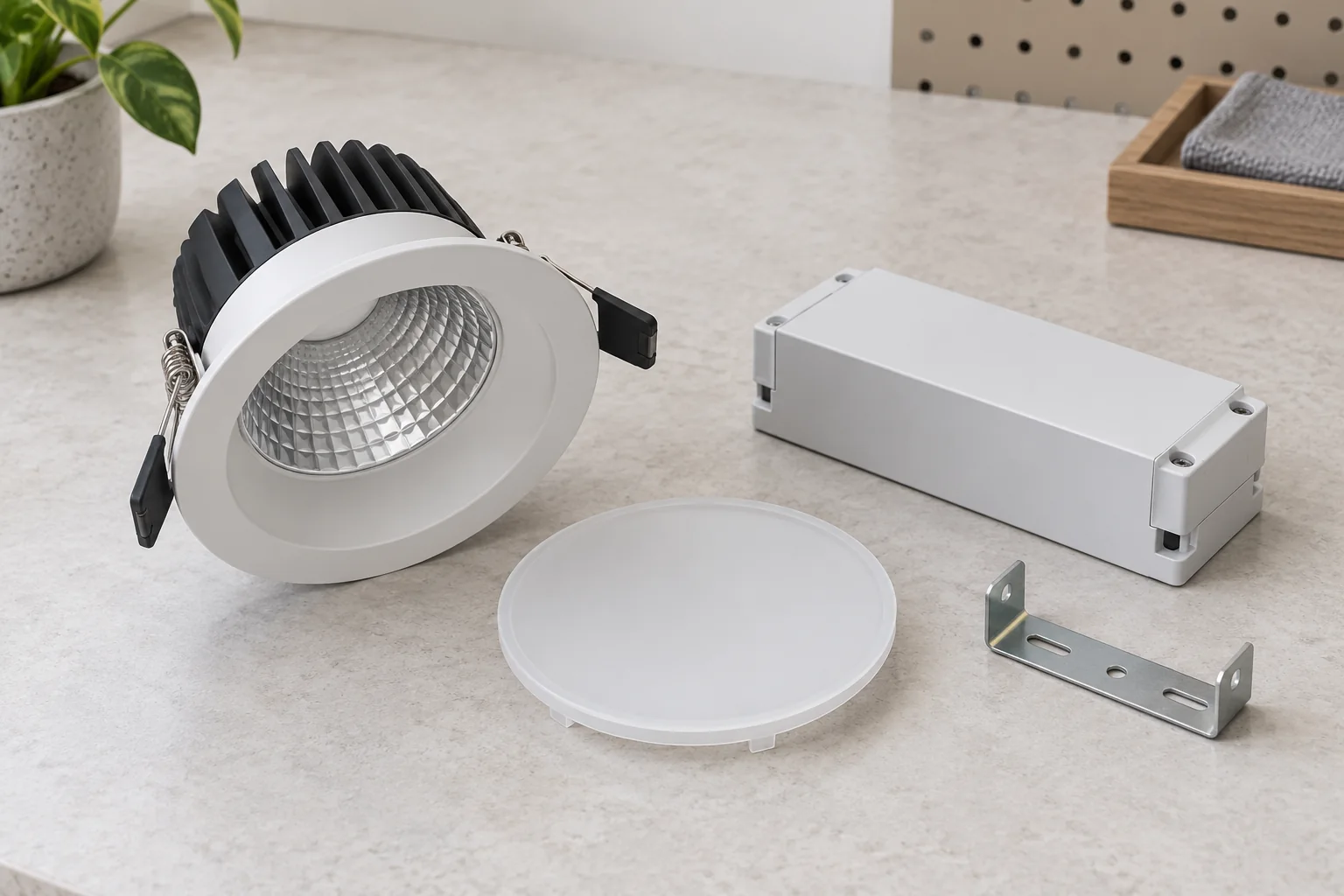
For ceiling fixtures, record whether components are integrated or remote and where they are intended to be installed. A driver enclosure photographed beside a light does not establish that the combination is compatible, that its thermal conditions are suitable or that the electrical scope is complete.
Avoid approving a system through one headline rating. The buyer needs the relevant component identities, installation conditions and document revisions. Any wiring design, protective arrangements or applicable destination requirements should remain with qualified project personnel rather than be inferred from the purchasing article.
Ask the relevant maker which surrounding conditions apply to a remote component, including its enclosure, access and adjacent materials. Obtain the actual location information from the site team. A component proposed inside furniture or behind a finish can have a different reviewed setting from the sample bench. If that setting changes, identify which installation or thermal input requires reconsideration instead of assuming an unchanged model name closes the question.
Name the pairing behind the dimmable label
Ask which driver, lamp or light engine and control model support the claimed dimming behavior. Clarify the proposed interface and the actual circuit or system arrangement. A shared word such as dimmable cannot establish every pairing or operating condition.
Record the operating states the actual controls must support: switching, agreed adjustment levels, retained settings after restart and grouped operation where required. Name the reviewed combination and any unresolved state. A general compatibility description cannot establish another fixture’s behavior or the adjustment range needed for the project.
For desk lamps, an integrated control may create a different review from a separately dimmed ceiling circuit. Identify how the proposed lamp is operated and supplied. Keep portable and fixed-product conditions distinct when comparing a mixed room package.
How should optical evidence address the actual task?
State the activity and viewing conditions
Describe the task, intended location, relevant surfaces and observers. Reading at a desk, illuminating a wall and producing general ambient light ask different questions of the fixture. The lighting designer should set applicable criteria and decide which model data and project calculations are needed.
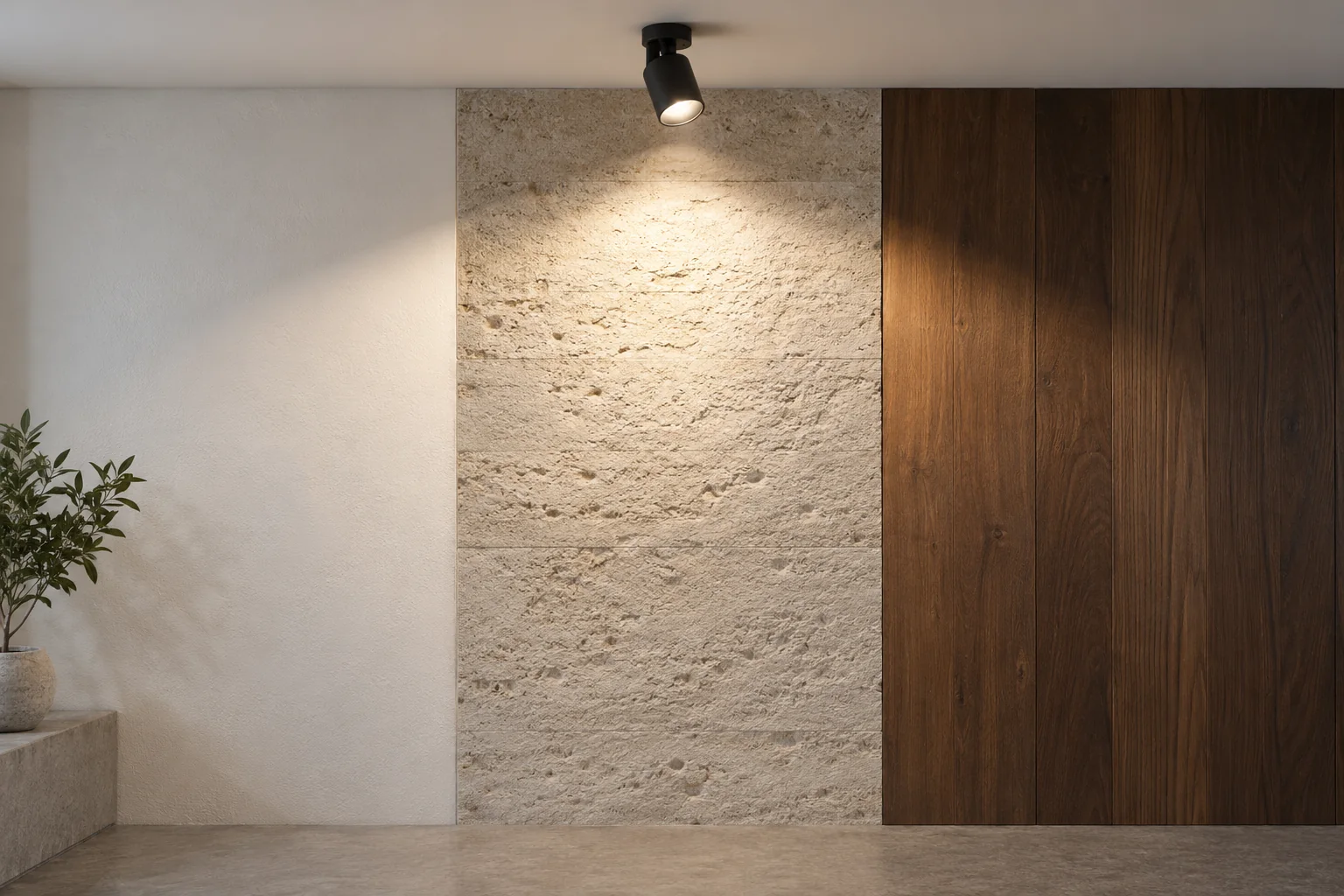
For wall lighting, consider the actual mounting position, surface texture and viewing relationship. Retain the offered optic and placement in the comparison. Moving a fixture or substituting its distribution can change the observed surface relationship even when power and finish remain the same. Review that changed configuration before applying an earlier appearance approval.
Request the relevant photometric information for the selected optic and configuration. Ask how it will be used in the actual design review, including assumptions about room surfaces and neighboring lights. A wattage comparison cannot by itself explain distribution, glare, task coverage or the appearance of a particular finish.
Limit what a mock-up can demonstrate
A represented trial can help resolve a visible uncertainty such as a surface interaction, reflected view or preferred scene. Identify the model, placement, surrounding materials and conditions used. Record where those conditions differ from the intended installation so the approval has a usable boundary.
For stone surfaces near lighting, show the selected finish rather than a visually convenient substitute. Texture and reflections can influence the appearance under consideration. That observation remains a design review; it does not establish stone identity, complete lighting performance or regulatory conformity.
Keep subjective observations separate from measured results. If a project requires measurement, identify its method, configuration and responsible reviewer. A bright photograph can be altered by exposure and is insufficient evidence of a numerical lighting outcome. Retain the actual calculation or observation record relevant to the decision.
What should lighting manufacturers document for mounting and service?
Coordinate the fixture with its real interface
Give the installation reviewer the actual substrate, ceiling or wall arrangement and fixture documents. Identify relevant cutouts, mounting points, component access and finish relationships. A generic accessory picture cannot establish the selected fixing system or the site’s ability to support it.
For chandeliers, obtain the complete selected assembly’s dimensions, weight and suspension information. The appropriate project personnel must review its support and service conditions. A canopy size or decorative ceiling appearance does not close the structural interface.
When the proposal includes a recessed product, coordinate the full envelope and access requirements with the ceiling work and nearby services. Identify who confirms available space and whether an intended service opening remains usable. Procurement needs the approved relationship, not an improvised instruction for altering another trade’s assembly.
Review the component that eventually needs attention
Ask what can be replaced, how its identity is retained and what access its makers require. An integrated light source, remote driver and detachable shade have different maintenance objects. Clarify whether the selected construction permits the proposed replacement and which work requires qualified personnel.
For wall panel coordination, define how fixture access interacts with the finished surface. A driver located behind a panel needs a reviewed service route if that arrangement is proposed. A removable-looking panel in a rendering does not establish an accepted maintenance method.
Discuss the operator’s practical setting. Cleaning, working at height, access equipment and interruption of use may require separate planning. Obtain the actual conditions from the responsible team; the article does not prescribe equipment, personnel counts or procedures for electrical isolation and overhead work.
Which claims from lighting manufacturers need complete-product evidence?
Separate components from finished assemblies
Read the identity and scope of any supplied certificate or report. Confirm who issued it, which product or component it covers and what configuration and conditions are relevant. Ask the responsible technical reviewer how that evidence applies to the destination and intended use.
UL Listed and UL Recognized Component refer to different evaluated objects. A Recognized Component is evaluated for use within an end product under stated conditions of acceptability. A component mark should therefore prompt a scope check; it cannot simply be relabelled as certification of the complete offered fixture. This distinction supplies no automatic destination acceptance for another product.
For outdoor fixture alternatives, identify the actual exposure and product-specific evidence separately. An indoor decorative model cannot inherit an outdoor use claim from another line in the same catalog. Appearance, enclosure labels and the complete installed system must be reviewed within their own scopes.
Separate safety, performance and marketing statements
A safety document, photometric file, environmental result and claimed service life answer different questions. Ask which evidence supports each material claim in the offer. A report for one component or laboratory condition may need additional review before it informs the complete assembly decision.
Avoid turning a manufacturer’s portfolio into proof of the proposed order. Request applicable records for the offered models, while leaving company capacity, certificates, previous clients and delivery promises unconfirmed unless reliable current evidence actually establishes them. A sourcing enquiry can ask for those records without announcing that they already exist.
If lighting manufacturers change a component or configuration, ask which claims need reconsideration. Record the reviewer’s response and the updated document route. An unchanged external shape can conceal a new electrical or optical object; the acceptance record needs to follow the identity that changed.
What findings should change the comparison result?
Target the gap instead of rejecting by impression
Identify the missing or conflicting record and the commitment it affects. A supplier may provide a complete appearance sample while its control pairing remains open. Another may have applicable technical documents but propose a mounting arrangement that the actual site has not reviewed.
Use the bedside lamp category to keep a room-specific control and reach question tied to its actual product. It should not disappear inside a general comparison of manufacturers. Record what the user operates and which model combination governs the answer.
| Observed condition | Decision affected | Buyer response | Evidence needed next |
|---|---|---|---|
| Model identity differs across documents | Evidence coverage is uncertain | Reconcile the offered configuration | Matching model and revision set |
| Dimmable is the only control description | Pairing remains unverified | Obtain named component and control information | Applicable maker review and represented conditions |
| Sample effect uses another optic or surface | Design approval has a limited scope | Define the difference and recheck where necessary | Relevant optical and material reference |
| Only a component certificate is supplied | Complete-product claim is unresolved | Request the appropriate scope review | Identified assembly evidence |
| Remote component lacks a service route | Maintenance arrangement is incomplete | Coordinate actual access before commitment | Accepted installation and service relationship |
| Required identities and reviews align | Defined model release can be considered | Authorize the scheduled configuration | Retained evidence and change procedure |
These actions guide the comparison without declaring legal remedies or a universal certification requirement. The actual project and destination determine applicable evidence and who can authorize the next release.
Keep commercial differences alongside technical ones
Ask lighting manufacturers to identify included accessories, packaging, instructions, sample scope and actual replacement conditions. Compare minimum quantities, prices or timing only after receiving order-specific offers. The article supplies no assumed manufacturing scale, delivery duration or cost advantage.
Record technical departures separately from commercial exclusions. A missing control, another mounting accessory or a different optic can change both the reviewed object and the quotation. Ask for the consequence and revised evidence before treating an apparently lower-priced offer as equivalent.
How should release preserve model identity through handover?
Reconcile the delivered objects and documents
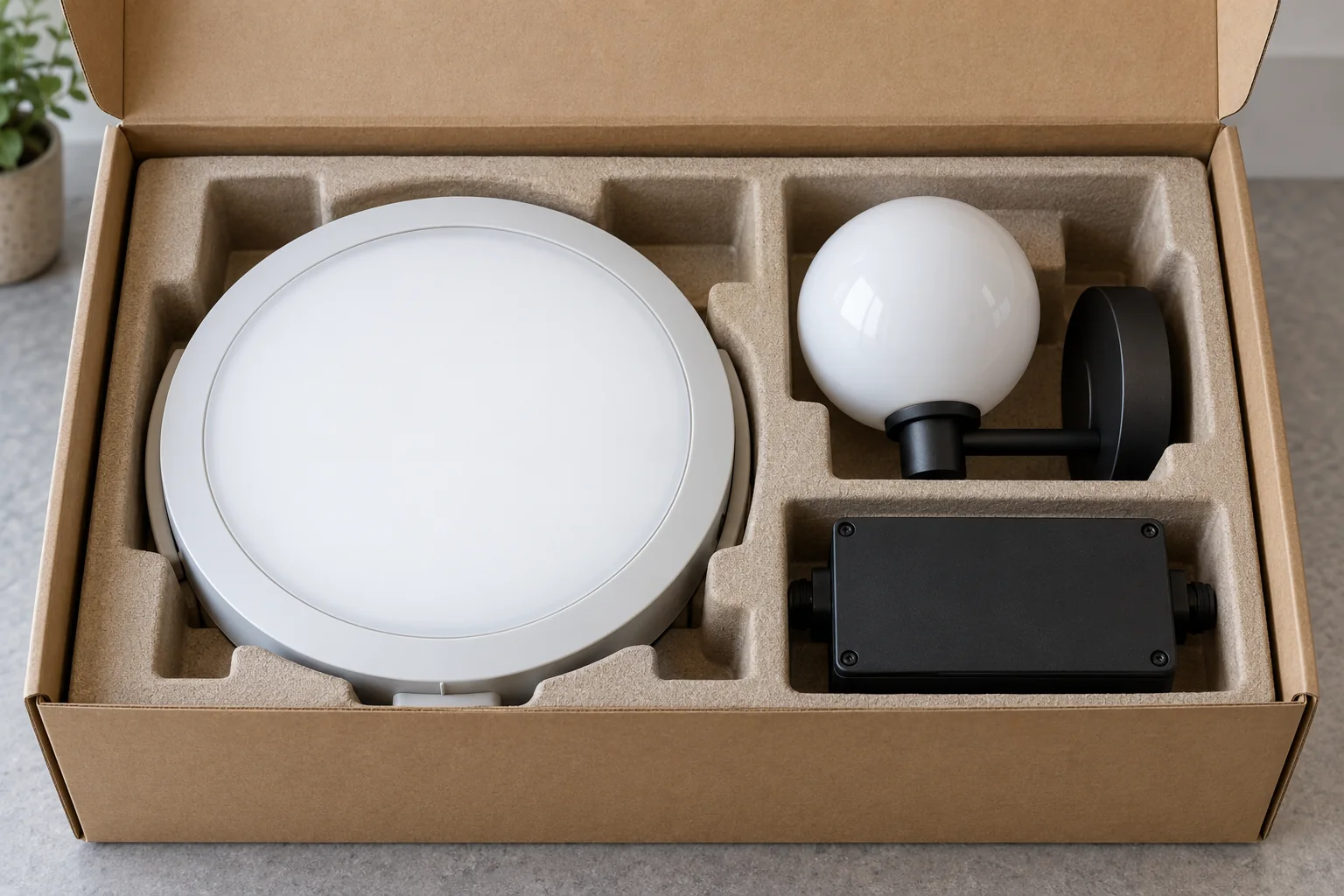
Retain the accepted schedule, model configurations, relevant documents, technical reviews and bounded design observations. Agree how supplier identities remain traceable through packing and phased delivery. A carton description should let receiving locate the correct approved object rather than only its decorative family.
Coordinate through the whole-house package when lighting depends on other finishes or installation stages. State those dependencies in the project records. The category context does not establish that any particular model has been supplied, installed or commissioned.
During receiving, inspect the agreed identities and visible condition while keeping relevant package information. Report a mismatch with the affected model, component and accepted reference. The appointed team should determine whether it concerns supply, installation, a substituted part or another unresolved input.
Give the operator the information for the next decision
Handover should identify the installed configuration, applicable operation and care information, qualified service route and agreed replacement scope. Keep the control and component identities retrievable after the packing is discarded. A general catalog is insufficient if it does not identify the actual installed combination.
If a later replacement changes the driver, light source, optic or control, obtain the appropriate reconsideration before treating it as equivalent. Preserve the affected evidence and operating observations. The buyer’s original approval remains useful when its scope is identifiable and changes have a clear route to review.
Conclusion
Compare lighting manufacturers through the same complete-model boundary. Identify the offered fixture and included components, then connect electrical supply, controls, optics, mounting and service conditions with their appropriate records and reviewers. A photograph, wattage or component mark resolves only its stated question.
Use represented design observations to address visible uncertainty while retaining their conditions and limits. Read certificates and reports for the objects they actually cover. When a configuration changes, reconsider the affected evidence before accepting the substitute through an earlier model’s approval.
Prepare the fixture schedule, location and task brief, project supply inputs and unresolved control or access questions when requesting lighting sourcing support. Ask for an identified offer, applicable documents and explicit supply boundaries. That gives procurement a usable comparison and preserves the selected configuration through receiving and handover.
Frequently Asked Questions
Does a driver certificate certify the whole fixture?
Read the actual issuer, identity and scope with the responsible reviewer. Component evaluation and complete-product certification are different objects. Obtain the evidence applicable to the selected assembly, destination and installation rather than transferring a mark by assumption.
Is the word dimmable enough for order approval?
Identify the light source or driver, control model, interface and proposed arrangement. Obtain applicable maker information and any required review or represented check. The label alone does not establish every pairing or operating condition.
Can a mock-up replace model documentation?
It can resolve defined visible questions under represented conditions. Electrical, mounting, certification and other technical claims need their relevant records. Identify any difference in fixture, optic, surface or arrangement before applying the observation to the order.
What must stay identifiable after installation?
Retain the installed model and configuration, components, controls, relevant document revisions and operation or service route. The operator needs those identities to request replacement and recognize when a later substitution requires renewed review.