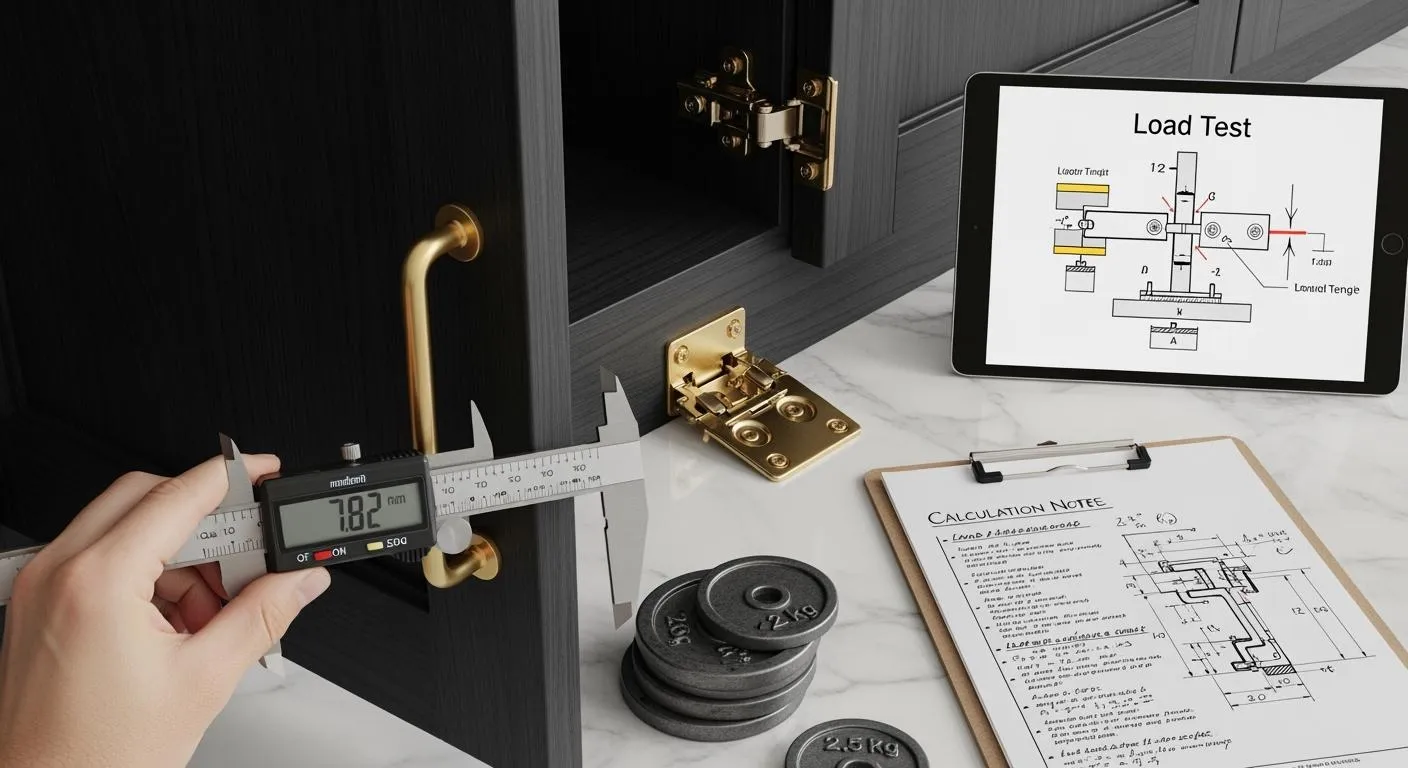
When you choose Cabinet Hardware Selection for heavy cabinets in North America, you ensure safety and longevity. Selecting the wrong hardware can lead to breakage, damage, or even injury. North American standards are in place to prevent these issues. Sibolla Building brings extensive experience and employs a comprehensive approach, ensuring that every project adheres to stringent quality and safety regulations. You can rely on Sibolla’s team to provide the right solutions for challenging cabinet projects.
Key Takeaways
- Picking the right cabinet hardware is very important for safety and how long it lasts. Bad choices can cause things to break and people to get hurt.
- Always look at the load capacity of hardware before you put it in. This easy step can save you money and stop accidents from happening.
- Follow North American standards for cabinet hardware. These rules help your cabinets last longer and keep them safe.
- Do load calculations to find out how much weight your hardware needs to hold. Good calculations stop the hardware from breaking.
- Do not make mistakes like forgetting the total load or picking hardware just because it is cheap. Good quality is important for making things last.
- Fatigue life testing is very important. It tells you how many times you can use the hardware before it wears out, so it will last a long time.
- ANSI and ASTM references identify standards, not automatic product certification. Request the exact method, tested hardware model, load definition, cycle results and any applicable certification listing.
- Taking care of cabinet hardware helps it last longer. Simple cleaning and tightening can stop problems later.
Why Hardware Selection Matters
Risks of Poor Hardware Choice
If you pick the wrong hardware for heavy cabinets, you face real dangers. Weak hinges or slides can break when holding too much weight. Doors might droop or even fall off. Drawers can get stuck or snap. These issues cost money to fix and can be unsafe. In busy kitchens or stores, broken hardware can hurt someone. The cabinet itself can also get damaged. Not using proper load calculations makes cabinets wear out faster. You might lose your warranty or not follow building codes.
Tip: Always check how much weight the hardware can hold and how strong it is before you install it. This easy step keeps your cabinets safe and protects your money.
North American Standards Overview
You must follow strict rules for Cabinet Hardware Selection in North America. These rules help you avoid problems and make sure your cabinets last longer. The table below lists important things you need to know:
| Standard Type | Key Requirements |
|---|---|
| Load-Bearing Requirements | Rules that show how much weight hinges can hold so doors don’t droop. |
| Cycle Testing | Tests how hardware works after lots of use; higher scores mean it lasts longer. |
| Finish Durability | Checks how well finishes resist damage, making sure powder coating or electroplating is used. |
| Compatibility | Makes sure hardware fits cabinets so you don’t have trouble installing it. |
| Professional-Grade vs. Big-Box | Professional-grade hardware usually works better and lasts longer than other types. |
ANSI and ASTM references identify standards, not automatic product certification. Request the exact method, tested hardware model, load definition, cycle results and any applicable certification listing.
Sibolla Building’s Approach to Quality
Sibolla Building cares about quality. You get a process that checks cabinets before they are put together and tested by engineers. Sibolla’s team tries out each cabinet and checks all hardware before shipping. They look at connection points and make sure every part meets tough standards. This careful work means your cabinets fit right and hardware works well. You save time when installing and avoid expensive errors. Sibolla’s focus on quality and following North American rules gives you confidence for every job.
Cabinet Hardware Selection & Load Calculations
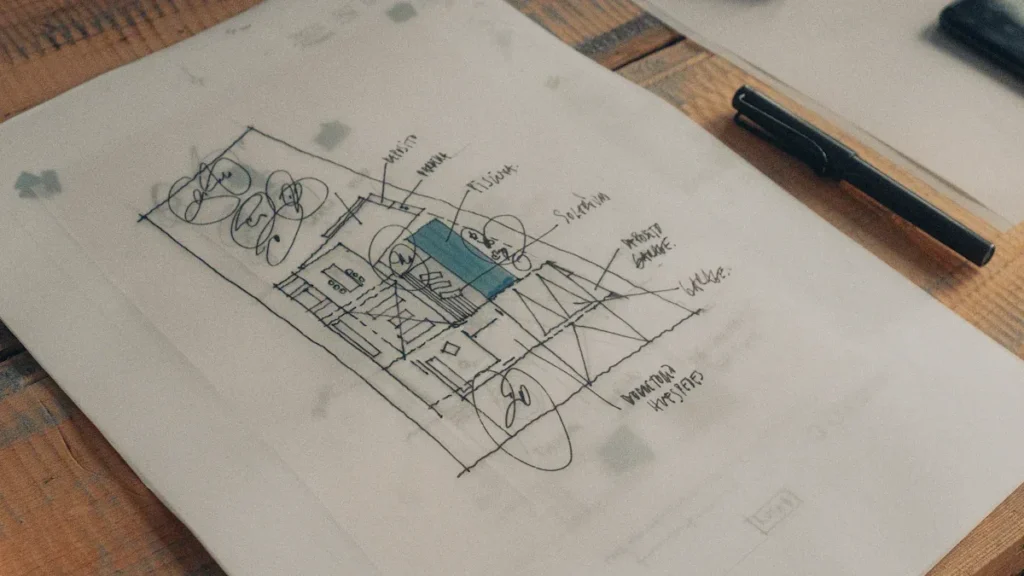
Image Source: unsplash
What Is Load Calculation?
Load calculation means figuring out how much weight your cabinet hardware must hold. This is very important when you pick hardware for heavy cabinets. You need to know the total weight that hinges, slides, and supports will carry. If you do the math right, your hardware will not break. This keeps your cabinets safe for a long time. Following these steps helps you meet North American rules and keeps your cabinets working well.
ASTM and ANSI standards help you with this process. These rules tell you what your cabinets need to be strong and last long. They also check if drawers and doors work well, how much weight they can hold, and if they can handle moisture. The table below shows the main things you should look for:
| Performance Requirement | Description |
|---|---|
| Structural integrity | Makes sure the cabinet can hold its own weight. |
| Finish durability | Checks if the finish can last a long time. |
| Drawer and door functionality | Tests if drawers and doors open and close well. |
| Load capacity | Shows the most weight the cabinet can hold. |
| Moisture resistance | Stops damage from water or humidity. |
Sibolla Custom Cabinets use smart designs that meet these rules. Each cabinet is checked before it is put together. The hardware is tested too, so you can trust the load numbers.
Key Load Factors
You need to think about a few important things when you pick cabinet hardware. These things help you choose the best hardware for your project.
Cabinet Size & Weight
The size and weight of your cabinet are very important. Big cabinets or ones made from heavy wood need stronger hinges and slides. You should also look at the support from cabinet feet and hanging codes. Good cabinet feet help hold up the cabinet and resist corrosion under suitable conditions and maintenance or bend. Sibolla Custom Cabinets have many material choices, so you can find the right hardware for your cabinet.
Door/Drawer Weight
You must figure out how much each door and drawer weighs. Heavy doors need strong hinges. Wide drawers need slides that can hold more weight. Handles are important too. They must be easy to grab, especially on big drawers or heavy doors. The table below lists some important hardware parts to think about:
| Factor | Description |
|---|---|
| Handles | Used on wide drawers or heavy doors, giving a good grip. |
| Hinges | Attach doors to frames, with different styles for your design. |
| ADA Compliance | Makes sure hardware can be used with one hand for everyone. |
| Installation Height | Tells you where to put handles and pulls so they are easy to use. |
Usage Frequency
How often you open and close the cabinet matters a lot. Cabinets in busy places, like kitchens or stores, need hardware that lasts. Hinges and slides must be able to handle lots of use. You should always pick hardware that has passed tough tests. Sibolla Custom Cabinets use hardware that is tested for many uses, so it lasts a long time.
Load Calculation Steps
Here are the steps to figure out what hardware you need:
- Pick the type of hinge you want. Think about the size and where it goes to make sure it fits.
- Choose the kind of drawer slide. Decide if you need special slides and check how much weight they can hold.
- Make a list of all the hardware in your shop drawings. Write down the brand, part number, how many you need, and what finish you want.
Tip: Always add cabinet feet and hanging codes to your plans. This helps keep your cabinets safe and steady.
If you follow these steps, your Cabinet Hardware Selection will fit your project and meet the rules. Sibolla Custom Cabinets give you good engineering help and paperwork, so this job is easier for you.
Common Mistakes to Avoid
You want your cabinets to work well and last long. Many people make easy mistakes during Cabinet Hardware Selection. These mistakes can cause problems later. You can stop these mistakes by paying attention and following good steps.
Here are the most common mistakes you should look for:
- Ignoring Total Load
Sometimes, you forget to add up all the weight. This includes the cabinet, doors, drawers, and what goes inside. If you do not check the total load, your hardware might break. Always figure out the full weight your hardware needs to hold. - ANSI and ASTM references identify standards, not automatic product certification. Request the exact method, tested hardware model, load definition, cycle results and any applicable certification listing.
- Overlooking Usage Frequency
You might not think about how often you use the cabinet. Hardware in a guest room may last longer than in a busy kitchen. Pick hardware that fits how much you will use it. - Skipping Manufacturer Ratings
Always read the manufacturer’s load ratings and guides. If you skip this step, you might use hardware that is not strong enough. Sibolla Custom Cabinets always use tested hardware for every job. - Not Following Installation Instructions
You may rush and not follow the manual. Wrong installation can make even good hardware fail. Take your time and follow each step in the guide. - Missing Pre-Assembly Checks
Sometimes, you skip checking hardware before putting it together. This can cause problems when you install it. Sibolla’s pre-assembly check helps you find issues early and avoid delays.
Tip: Always check your math and hardware details before you order. This easy habit can save you time, money, and trouble.
If you avoid these mistakes, you will make better choices during Cabinet Hardware Selection. Your cabinets will last longer and work well anywhere.
Fatigue Life Testing Explained
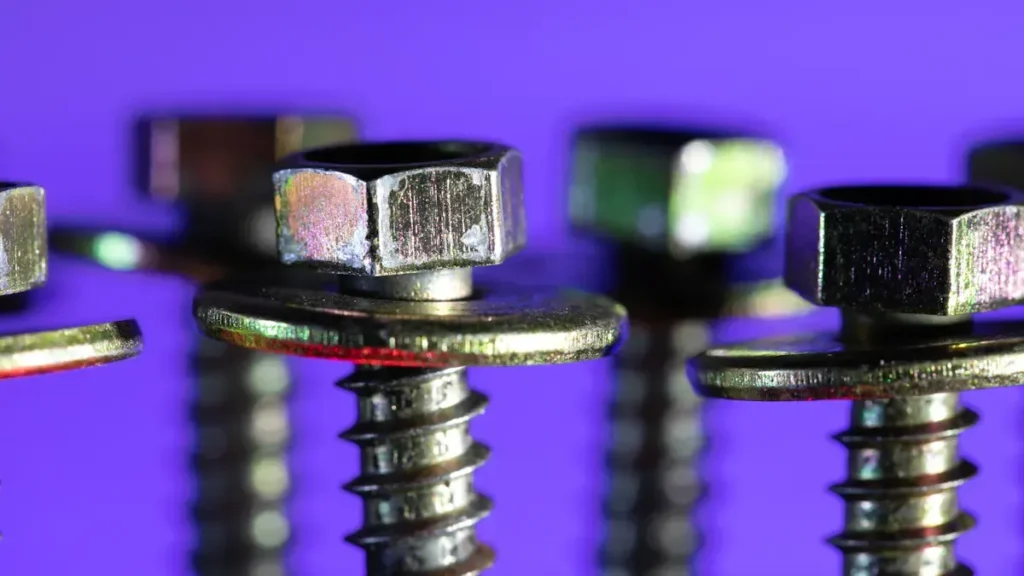
Image Source: pexels
What Is Fatigue Life?
Fatigue life tells you how many times a piece of hardware can open and close before it starts to wear out or break. Every time you use a hinge or a drawer slide, you put stress on the metal and moving parts. Over time, this stress adds up. If the hardware is not strong enough, it will fail. Fatigue life testing helps you know if the hardware can handle years of daily use, especially in heavy cabinets. You want your cabinets to last, so you need hardware that passes these tests.
Why Testing Matters
You might think a small part like a hinge or latch does not matter much. In reality, one weak part can cause big problems. When hardware fails, you face more than just a broken cabinet. You risk safety, lose time, and spend more money fixing things. In busy places like restaurants or stores, a broken latch can stop work and cost thousands of dollars every hour.
Here is why fatigue life testing is critical for your project:
- Unplanned downtime costs industry about $50 billion each year.
- Compare actual quotations and project records before claiming a percentage improvement.
- A small hardware failure, like a latch breaking, can lead to huge losses—sometimes $100,000 per hour in lost production.
Note: Testing hardware for fatigue life helps you avoid these risks. You protect your investment and keep your project running smoothly.
Testing Methods & Standards
Cycle-Life Testing
Cycle-life testing checks how many times you can use a piece of hardware before it wears out. Testers open and close the hardware thousands or even millions of times. This process simulates years of real use in a short period. If the hardware passes, you know it will last in your cabinets. You should always look for hardware that has passed high cycle-life tests, especially for heavy cabinets that see a lot of use.
ANSI/BHMA & ASTM Compliance
Industry standards set clear rules for how long hardware should last. In North America, ANSI, BHMA, and ASTM standards guide these tests. These standards help you compare products and pick the right one for your needs.
Here is a table showing the cycle requirements for different grades of cabinet hardware:
| Standard | Grade | Cycle Requirement |
|---|---|---|
| ANSI/BHMA A156.1 | Grade 1 | 2,500,000 cycles |
| Grade 2 | 1,500,000 cycles | |
| Grade 3 | 350,000 cycles |
You can see the difference in cycle requirements by grade in the chart below:
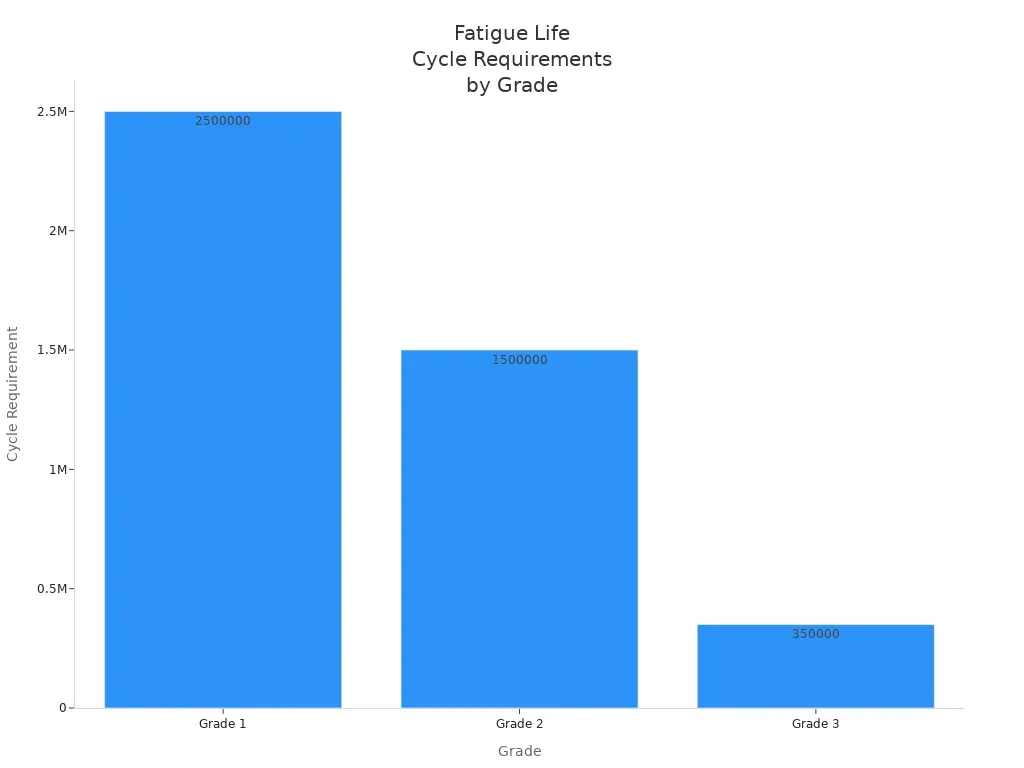
When you choose hardware that meets these standards, you make sure your cabinets will last. Sibolla Building uses hardware that passes these tough tests. This means you get cabinets that stay strong and safe, even with heavy use.
Sibolla Building’s Hardware Testing
You want your cabinets to last a long time. Sibolla Building helps make this happen by testing hardware carefully. Every piece of hardware gets checked before it goes to your project. This process stops problems and helps you feel confident.
Sibolla’s hardware testing has several steps:
- Pre-Assembly Inspection
You get hardware that has already been checked closely. Sibolla’s team looks at each hinge, slide, and support for damage. They make sure every part fits the design and load needs. - Engineering Verification
Sibolla engineers check the hardware for strength and fit. They use shop drawings and technical data to see if each part meets North American standards like ANSI, BHMA, and ASTM. You can trust your hardware will handle the weight and use. - Cycle-Life Testing
The team opens and closes hardware thousands of times. This shows how it will work after years of use. If a hinge or slide fails, Sibolla replaces it before shipping. You only get hardware that lasts. - Connection Point Checks
Sibolla checks every connection point on your cabinets. They make sure screws, brackets, and fasteners stay tight. This step stops loose parts and future problems. - Dry-Fit Assembly
Before packing, Sibolla puts your cabinets together with all hardware. This dry-fit step makes sure everything fits well. You save time when installing and avoid surprises.
Note: Sibolla labels every part and gives clear installation guides. You get organized packaging, which makes your job easier and faster.
Here is a summary of Sibolla’s hardware testing process:
| Step | What Sibolla Does | Why It Matters |
|---|---|---|
| Pre-Assembly Inspection | Checks for damage and correct parts | Stops early failures |
| Engineering Verification | Checks strength and compliance | Meets North American standards |
| Cycle-Life Testing | Tests years of use | Makes sure hardware lasts |
| Connection Point Checks | Checks all fasteners and joints | Stops loose or weak connections |
| Dry-Fit Assembly | Puts cabinets together before shipping | Makes installation easy |
Sibolla Building’s way means you get hardware that works right away. You avoid delays and extra work. You also meet all rules for safety and performance. When you pick Sibolla Custom Cabinets, you get quality that lasts through heavy use and time.
Matching Hardware to Heavy Cabinets
Types of Cabinet Hardware
You can pick from many hardware choices for heavy cabinets. Each type has its own job and must fit your cabinet’s weight and how you use it. The main types are:
- Hinges: These join doors to frames. You can pick concealed, soft-close, or heavy-duty models.
- Drawer Slides: These help drawers open and close easily. Heavy-duty slides hold more weight and last longer.
- Supports and Brackets: These make shelves and wall cabinets stronger.
- Handles and Pulls: These help you open doors and drawers, especially big or heavy ones.
- Lift Systems: These help with vertical cabinet doors or special storage.
When you choose hardware, think about the cabinet’s size, weight, and how often you use it. Picking the right type keeps your cabinets safe and helps them last longer.
Selecting Hinges & Slides
Picking the right hinges and slides is a big part of Cabinet Hardware Selection. You need hardware that can handle the weight and daily use. Follow these steps to make a good choice:
- Profile the Scenario
Figure out the total weight, the place (like if it’s humid), how often you use the cabinet, and any rules you must follow. - Quantify Specifications
Match the hardware’s load capacity and cycle life to your needs. Find hinges and slides that can hold the door or drawer weight and last through lots of openings and closings. - Validate
Ask for lab test reports and check if the supplier has real-life examples.
When you pick hinges and slides, remember these things:
- Load capacity should be equal to or more than the door or drawer weight.
- Use materials like stainless steel in wet or humid places.
- Pick the right installation type, like soft-close or self-close.
- Make sure the hinge fits the door’s thickness and weight.
Tip: Dynamic load capacity is very important. It shows how much force the hardware can handle while moving, not just when still. If you forget this, you might have more repairs and spend more money later.
Sibolla Custom Cabinets Hardware Options
Sibolla Custom Cabinets gives you strong hardware made for tough places. You get hinges and slides tested for over 100,000 cycles. This makes them great for offices, restaurants, and busy homes. Sibolla works with contractors to make sure every piece meets safety and accessibility rules. You can pick from many hardware choices, like soft-close hinges, strong slides, and special supports. Each piece is tested for strength and durability before it gets to you.
Sibolla’s team helps you match hardware to your cabinet’s weight and how you use it. You get expert advice and support, so your cabinets stay safe and work well for years. When you pick Sibolla, you know your hardware meets strict North American standards and passes all needed tests.
Manufacturer Ratings & Certifications
When you pick hardware for heavy cabinets, you need to check the manufacturer’s ratings and certifications. These ratings show how much weight the hardware can hold and how long it will last. Certifications prove the hardware meets strict North American standards for safety and performance.
Why Ratings Matter
You want to trust your hinges, slides, and supports. Manufacturer ratings help you feel sure they will not break. Each rating comes from real tests. These tests check load capacity, cycle life, and durability. Always match the hardware rating to your cabinet’s load and how much you use it.
Key Certifications to Look For
Quality hardware has important certifications. These marks mean the product passed tough tests:
| Certification | What It Means | Why It Matters |
|---|---|---|
| ANSI | Meets American National Standards Institute rules | Ensures safety and reliability |
| BHMA | Certified by Builders Hardware Manufacturers Assoc. | Confirms durability and function |
| ASTM | Passes American Society for Testing and Materials | Verifies material strength and finish |
Tip: Always pick hardware with at least one of these certifications. This step helps you avoid weak or unsafe products.
How to Read Manufacturer Ratings
Manufacturers put ratings in catalogs and on boxes. You should check these numbers before buying:
- Static Load Capacity: Shows the most weight the hardware can hold when not moving.
- Dynamic Load Capacity: Tells how much weight the hardware can handle while moving, like opening or closing.
- Cycle Life: Says how many times you can use the hardware before it wears out.
Compare these ratings to your cabinet’s needs. For example, if your drawer weighs 50 pounds and you use it a lot, pick slides rated for at least 75 pounds and 100,000 cycles.
Sibolla’s Commitment to Certified Hardware
Sibolla Custom Cabinets only use hardware with trusted ratings and certifications. The team checks every part for ANSI, BHMA, and ASTM standards. You get hardware that fits your project’s load and fatigue life needs. Sibolla’s engineers review all manufacturer data and test reports before installation. This process makes sure you get safe, reliable, and long-lasting cabinets.
Note: If you have questions about ratings or certifications, ask your supplier for papers. Sibolla gives full technical data and support for every project.
Checklist for Hardware Selection
- Look for ANSI, BHMA, or ASTM certification marks.
- Check static and dynamic load ratings.
- Make sure cycle life matches your usage.
- Ask for test reports or compliance papers.
- Pick hardware that is stronger than your calculated load.
If you follow these steps, your heavy cabinets will stay safe and strong for years.
Installation & Maintenance Best Practices
Installation Tips for Heavy Cabinets
Good installation keeps heavy cabinets safe and strong. First, mark where each hardware hole goes. Use a jig or template to help you put holes in the right place. Put painter’s tape over the marks. This stops the drill from slipping and keeps the cabinet finish safe. Drill straight through the marks. Start with a small pilot hole to be more accurate. Put the hardware in by pushing screws from inside the cabinet. Tighten the screws so they are snug, but do not make them too tight. This stops the wood from getting damaged.
For wall cabinets, mark where the studs are and draw a level line. Put up wall cabinets before base cabinets. Use a ledger board to hold them up while you work. Attach cabinets to the wall studs with strong screws or anchors. Clamp cabinets next to each other before you screw them together. This keeps the fronts even. For base cabinets, use shims to make them level. Attach them to the wall studs too. These steps help spread out the weight and stop the cabinets from moving later.
Tip: Sibolla checks all parts before you get them. Each part is labeled, so you can find what you need fast. You get clear instructions and neat packaging. This helps you work faster and make fewer mistakes.
Maintenance for Longevity
Taking care of your cabinet hardware helps it last longer. Pick finishes like stainless steel or PVD-coated brass. These finishes do not tarnish easily and need less cleaning. If you live near the ocean or in a humid place, it is even more important to keep hardware clean so it does not rust.
- Dust hardware every week with a soft cloth.
- Clean with mild soap and water. Do not use harsh cleaners.
- Put a clear coating on brass or copper hardware. This helps stop tarnish and fingerprints.
- Tighten any loose screws on handles or hinges.
- Wipe rods, brackets, and pulls with a damp cloth, then dry them right away.
- Check drawer slides to make sure they move smoothly. Look for rust or color changes early.
Note: Checking and cleaning your hardware often helps it last longer. It also keeps your cabinets safe and looking nice.
Sibolla Building Support Services
Sibolla Building helps you from start to finish. You get step-by-step guides for marking holes, drilling, and attaching cabinets to studs. Before you start, Sibolla checks that all parts fit right. Each part is labeled to make assembly easy. If you have questions while you work, Sibolla’s team can help you.
After you finish, Sibolla keeps helping you. They give tips for cleaning, tightening hardware, and using protective coatings. If you need new parts or help, their team answers quickly. With Sibolla’s help, your heavy cabinets will stay safe, work well, and look good for a long time.
Quick Reference: Hardware Ratings Table
Hardware Types & Load Ratings
You need to choose the right hardware for your heavy cabinets. The table below gives you a quick way to compare common hardware types, their typical load ratings, and recommended uses. You can use this table when you plan your next project or check if your current hardware meets the right standards.
| Hardware Type | Typical Static Load Rating | Typical Dynamic Load Rating | Cycle Life (Min.) | Best Use Cases | Certification Marks |
|---|---|---|---|---|---|
| Concealed Hinge | 40–60 lbs per pair | 30–50 lbs per pair | 50,000+ | Kitchen, bath, wardrobe doors | ANSI/BHMA, ASTM |
| Heavy-Duty Hinge | 80–120 lbs per pair | 60–100 lbs per pair | 100,000+ | Commercial, large doors | ANSI/BHMA, ASTM |
| Standard Drawer Slide | 50–75 lbs per pair | 35–55 lbs per pair | 50,000+ | Light drawers, home use | ANSI/BHMA, ASTM |
| Heavy-Duty Drawer Slide | 100–150 lbs per pair | 80–120 lbs per pair | 100,000+ | Pantry, file, deep drawers | ANSI/BHMA, ASTM |
| Shelf Support | 25–50 lbs per support | N/A | N/A | Shelves, wall cabinets | ANSI/BHMA, ASTM |
| Lift System | 20–40 lbs per unit | 15–30 lbs per unit | 40,000+ | Overhead, vertical cabinets | ANSI/BHMA, ASTM |
Tip: Always check the manufacturer’s data for exact ratings. Sibolla Custom Cabinets use hardware that meets or exceeds these numbers.
Using the Table for Fast Selection
You can use this table to make quick, smart choices for your cabinet hardware. Follow these steps:
- Find Your Hardware Type
Look at your cabinet plan. Decide if you need hinges, slides, supports, or lift systems. - Check the Load Rating
Add up the weight of your cabinet door, drawer, or shelf. Pick hardware with a static and dynamic load rating higher than your total weight. - Review Cycle Life
Think about how often you will use the cabinet. For busy kitchens or commercial spaces, choose hardware with a higher cycle life. - Look for Certification Marks
Make sure the hardware has ANSI, BHMA, or ASTM marks. These marks show the product passed strict tests. - Match to Your Project
Use the “Best Use Cases” column to see if the hardware fits your needs. For example, use heavy-duty slides for deep pantry drawers.
Note: Sibolla’s team can help you match hardware to your exact project needs. You get expert advice and tested products every time.
Example:
If you have a kitchen pantry drawer that weighs 90 lbs when full, pick a heavy-duty drawer slide rated for at least 100 lbs static load and 80 lbs dynamic load. Make sure it has a cycle life of 100,000+ and carries ANSI/BHMA certification.
You save time and avoid mistakes when you use this table. You also make sure your cabinets stay safe and last longer.
Hardware Selection Checklist
Step-by-Step Guide
You need a simple checklist to pick the right hardware for heavy cabinets. This guide helps you avoid mistakes and keeps your cabinets safe and strong.
- Measure Twice, Drill Once
Always check your measurements two times. If you only measure once, you might drill in the wrong place. This is very important for mirrored cabinets or when you put on more than one handle. - Choose the Correct Hardware Type
Pick hardware that fits your cabinet’s size, weight, and how you use it. For big doors, use heavy-duty hinges. For deep drawers, use strong slides. - Select Proper Pilot Hole and Screw Sizes
The right pilot hole stops the wood from splitting. It also keeps the hardware straight. Use this table to help you: Hardware Type Pilot Hole Size Typical Screw Size Notes Knobs 3/32″ – 1/8″ 8-32 x 1″ to 1.5″ Use 1.5″ screws for thick drawer fronts Pulls/Handles 3/32″ – 1/8″ 8-32 x 1″–1.75″ Check the space between holes Appliance Pulls 1/8″ – 5/32″ #10 machine screws Bolt from the back; check panel thickness - Use Matching Screws
Always use screws that match your hardware. If you use the wrong screws, the hardware can get loose or the threads can strip. - Never Skip Pilot Holes
If you skip pilot holes, the wood can split. Your hardware might not line up right. Take time to drill each one. - Check All Parts Before Installation
Lay out all your hardware before you start. Check for missing or broken pieces. This saves time and stops delays. - Follow Manufacturer Instructions
Read and follow the guide that comes with your hardware. This helps you put it in the right way.
Tip: Get your hardware and tools ready before you start. This makes the job easier and helps you make fewer mistakes.
Ensuring Standards Compliance
You must make sure your hardware meets North American standards. This keeps your project safe and helps it last longer.
- Learn about local building codes. These rules keep your cabinets safe and tell you how to install them.
- Pick hardware with the right load-bearing rating. This stops doors from sagging or breaking.
- Use hardware that passed cycle testing or has been tested for many uses. This means your hardware will last a long time.
Here is a table to help you check if your hardware meets the rules:
| Compliance Aspect | Description |
|---|---|
| Local Building Codes | Makes sure your cabinets are safe and strong. |
| Load-Bearing Standards | Pick hardware that can hold your cabinet’s weight and door size. |
| Cycle Testing | Use hardware tested for lots of opening and closing. |
You should also check cabinet door sizes and drawer weights before picking hardware. This makes sure your hardware fits the rules and your cabinet’s needs. Sibolla Custom Cabinets always follow these steps, so you get safe and strong cabinets.
Note: When you use this checklist, you lower risks and help your cabinets last longer. Always look for certifications like ANSI, BHMA, or ASTM on your hardware box.
Figuring out the right load and testing for fatigue life helps you pick safe cabinet hardware that lasts a long time. Use the checklist to help you make good choices. Sibolla Building gives you smart solutions for heavy cabinets.
To get the best results, always check the manufacturer’s information, follow North American rules, and look at Sibolla Custom Cabinets for strong, engineered quality.
FAQ
You should always check the load rating first. This number shows how much weight the hardware can hold safely. Pick hardware that matches or is higher than your cabinet’s weight. This keeps your cabinets safe and makes them last longer.
Look for certification marks like ANSI, BHMA, or ASTM. These marks are on the box or in the product description. They mean the hardware passed tough tests for strength and quality.
Do not use regular hardware for heavy cabinets. Heavy cabinets need hardware with higher load ratings and longer cycle life. Using the wrong hardware can cause it to break or be unsafe.
Check your hardware every six months. Tighten any loose screws, clean the surfaces, and look for rust or damage. Doing this helps your cabinets last longer and work well.
You need a drill, screwdriver, measuring tape, level, and a jig or template. These tools help you put in hardware the right way and keep it safe.
Sibolla tests hardware to make sure every part meets quality and safety rules. You get cabinets that fit well and work right from the start.
You can contact Sibolla Building’s support team. You get clear guides, labeled parts, and expert help for every project. Visit Sibolla’s Services for more information.