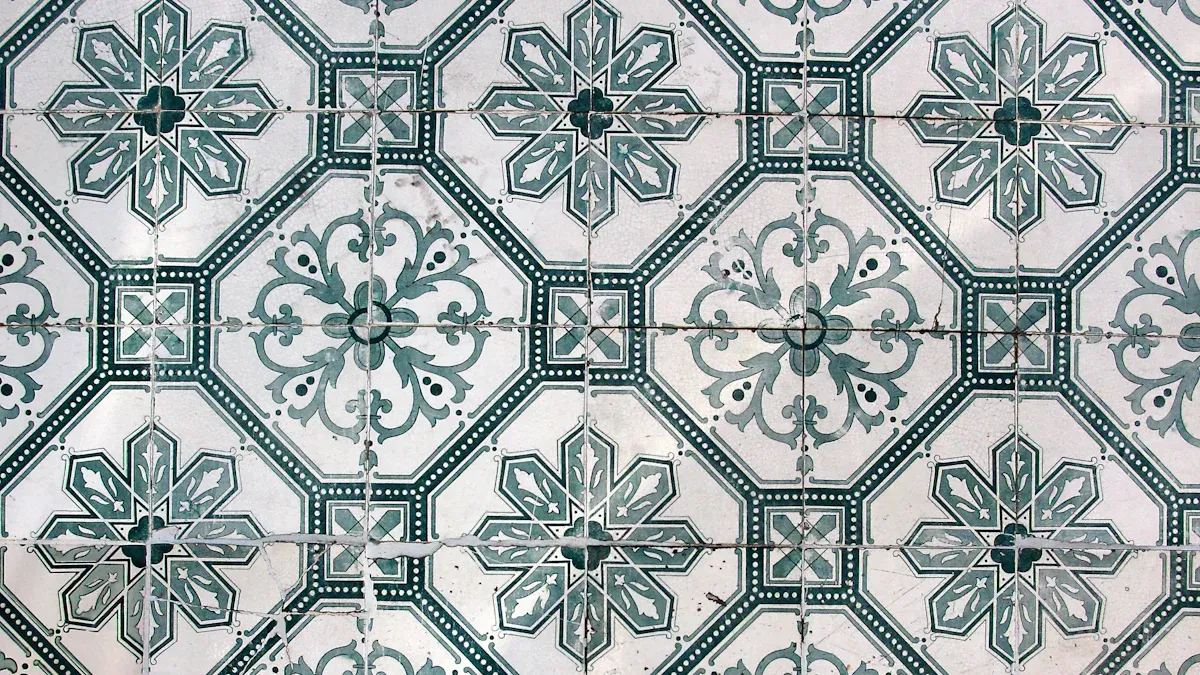
Accurate HTS code classification supports a correct customs declaration when importing ceramic tiles. It does not remove antidumping or countervailing duties from goods within an order’s scope. Confirm the written scope, origin and exporter treatment alongside the tariff code. [1]
Image Source: unsplash
| Compliance issue | Consequence |
|---|---|
| Misclassification | Incorrect declaration, duty adjustment or examination |
| Additional duties | Apply the current product- and origin-specific rules |
| Incorrect origin declaration | Potential duty recovery, penalties or denied preference |
Sibolla Building gives special help so you can avoid these problems. You can trust their experience to make importing ceramic tiles safe and easy.
Key Takeaways
- Classify tiles accurately and assess trade-remedy scope separately; a different code does not create an exemption.
- If you use the wrong code, you might pay more duties. Customs might also check your shipment. Always check your HTS code again to be sure.
- Porcelain is a type of ceramic tile. Water absorption and other product characteristics help determine the current tariff subheading.
- Write down details about your tiles, like what they are made of and how they look. Good records help you pass customs checks.
- If you do not know your HTS code, ask a licensed customs broker. They can help you not make mistakes.
- Keep learning about import rules. Rules can change and affect how much you pay and what you need to do.
- Use official websites like the HTSUS and CBP to find the newest codes and duty rates. This helps you pick the right code.
- Sibolla Building gives expert help and technical sheets. They can help you with the import process.
Importing Ceramic Tiles: HTS Code Basics
Image Source: unsplash
What Are HTS Codes
HTS codes are numbers that help identify products. These codes are used when you import ceramic tiles. The Harmonized Tariff Schedule (HTS) uses these numbers to sort goods. U.S. customs checks these codes to see how much duty you need to pay. They also use them to decide if your tiles need extra tariffs. You must pick the right code for your shipment. This helps customs check your papers and make sure you follow the rules.
- HTS codes sort imported goods, like ceramic and porcelain tiles, for taxes.
- These codes help you follow U.S. trade laws.
- Chapter 69 of the HTSUS is about ceramic products, including tiles. Some codes mean you do not have to pay duties.
If you use the right HTS code, you can avoid mistakes. Mistakes can cost you more money or cause delays. Importing Ceramic Tiles is easier when you know how these codes work.
Ceramic vs. Porcelain Tile Classification
Porcelain is a ceramic classification associated with low water absorption. For customs purposes, identify the actual absorption category and other relevant characteristics rather than relying on a marketing name.
Use the current heading 6907 structure for ceramic tiles, including porcelain. The old glazed-tile heading 6908 is not a current shortcut for porcelain. Record test evidence and confirm the exact US subheading. [2]
Why Accurate Classification Matters
Using the right HTS code keeps you safe from expensive mistakes. If you use the wrong code, you might pay more or get a penalty. Customs can add extra tariffs or start an audit. You must use the right code to save money and stay out of trouble.
| Duty or fee | What to confirm |
|---|---|
| Ordinary customs duty | Current HTSUS classification and applicable rate |
| Additional duties | Current origin- and product-specific rules |
| Antidumping and countervailing duties | Written order scope, exporter treatment and entry instructions |
| Entry fees | Applicable statutory fees and limits |
You need to check every detail. Sibolla Building gives you paperwork and support. This helps you avoid anti-dumping problems and keeps your project going. Importing Ceramic Tiles with the right code saves money and lowers stress.
Sibolla Building Tile Specifications for Compliance
Material and Finish Options
Record composition, absorption, dimensions and finish. Both porcelain and other ceramic tiles can fall within heading 6907; determine the precise current subheading using the legal notes.
| Tile description | Classification check |
|---|---|
| Low-absorption porcelain tile | Check the applicable 6907 absorption category and full subheading |
| Other ceramic tile | Check absorption, form, dimensions and other legal distinctions |
You must look at these details. Tariffs can change because of the HS code, where the tile is from, and how it is made. If you use the wrong code, you might pay more or get checked by customs.
Size, Thickness, and Application
The size and thickness of tiles are important for HTS codes. When you choose tiles, check their size and how you will use them. For example, porcelain tiles can be glazed or not glazed. How much water they soak up and how strong they are also matter.
- 600×600 mm tiles are easy to ship and handle.
- 800×800 mm tiles need strong pallets and careful stacking.
- Big slabs need special packing and moisture control.
These things help customs pick the right group for your tiles. Sibolla Building checks each tile for water soaking, thickness, and strength. You get clear reports that make Importing Ceramic Tiles safer and easier.
Customization and Packaging
For custom tile finishes or sizes, approve physical samples and record the resulting product characteristics. A proposed change in classification requires a review of the actual imported article.
Good packaging is important too. Sibolla Building uses foam, shrink-wrap, and wooden boxes with corner guards. This keeps your tiles safe when they travel. When your tiles arrive, you get papers that show what you ordered. These papers help you use the right HTS code and follow the rules.
Tip: Always keep your product papers the same. Customs looks at these papers to check if your tiles match the code you said. Clear and current records help you avoid problems and delays.
HTS Code Classification Steps
Gather Product Details
You need to collect all the key facts about your tiles before you pick an HTS code. Customs will want clear details to choose the right code. If you forget something, you might face delays or pay more money. Here are the main things you should check:
- Material composition: Find out if your tiles are ceramic or porcelain. Ceramic tiles are made from things like clay and siliceous minerals.
- Firing process: Make sure your tiles were fired after being shaped. The firing heat changes how strong the tile is and how much water it soaks up.
- Dimensions: Measure the length, width, and thickness. Tiles can be as small as 10 cm or bigger than 60 cm on each side. Thickness is usually between 5 mm and 15 mm.
- Surface characteristics: See if your tiles are glazed or not. Glazed tiles have a shiny layer that helps stop water and stains.
- Check the current heading 6907 subheading based on water absorption and other relevant characteristics; glaze alone does not determine the code.
- Check the specified tile standard and laboratory method. The usual porcelain classification has water absorption of 0.5% or less; verify the actual product report.
Sibolla Building gives you technical papers for every tile. You get lab results, product details, and packing lists. These papers help you show customs the right facts, making Importing Ceramic Tiles safer and easier.
Tip: Always keep your product papers neat and ready. Customs will look at your records to make sure the HTS code matches your shipment.
Use the U.S. Harmonized Tariff Schedule
You must use the U.S. Harmonized Tariff Schedule (HTSUS) to find the right code for your tiles. The HTSUS has codes, product details, and duty rates. Start with Chapter 69 for ceramic products. Read the notes and look at how the codes are set up. Here is a table to help you see how it works:
| Classification step | Action |
|---|---|
| Heading | Check current Chapter 69 and heading 6907 |
| Subheading | Match absorption, form, dimensions and legal notes |
| Duty treatment | Check ordinary duties, additional measures and trade remedies separately |
Match the actual tile characteristics to the current tariff schedule. Supplier technical data supports the importer’s classification review; obtain broker advice or a ruling when needed.
Note: Duty rates can change based on the code and where the tile comes from. Always check the newest HTSUS before you import.
Verify with CBP and Official Resources
You need to double-check your code with official sources. The U.S. Customs and Border Protection (CBP) website has rulings and updates. You can look up new changes and legal notes. Many importers make mistakes by using old codes or just trusting what their supplier says.
Common mistakes include:
- Picking a code by material, not by how the tile is used.
- Using old codes from past invoices.
- Not reading the HTS notes and code setup.
- Trusting a supplier’s code without checking.
- Missing new CBP updates or changes in the rules.
You should do these steps:
- Use the newest HTSUS edition.
- Read the section and chapter notes as legal rules.
- Check for updates and use the General Rules of Interpretation (GRIs) to classify.
Ask the supplier for accurate technical data and let the importer or broker review current classifications and rulings. No document package support agreed delivery and document coordination.
Callout: Never guess your HTS code. Always use official sources and ask experts if you are not sure.
Anti-Dumping Duties and Import Risks
Image Source: unsplash
U.S. Anti-Dumping on Chinese Tiles
Bringing ceramic and porcelain tiles from China is risky. The U.S. government uses anti-dumping duties to help local companies. These duties make tiles from China cost a lot more. You need to know the duty rates before you ship anything.
- Check the applicable antidumping order, exporter-specific treatment and current cash-deposit instructions.
- Do not use a historical headline tariff as the total rate for this tile shipment.
Accurate classification is necessary, but the written antidumping and countervailing scope is a separate check. An in-scope product remains subject even when a tariff-code description changes.
Note: Anti-dumping duties change often. Always check the latest updates from U.S. Customs and Border Protection.
Penalties for Misclassification
You need to be careful when you classify your tiles. If you use the wrong code or give wrong details, you can get big penalties. Customs can charge you extra duties, fines, or even stop your shipment. You might also get audits that slow down your project.
| Misclassification Risk | Possible Penalty | Impact on Importer |
|---|---|---|
| Wrong HTS code | Extra duties, fines | Higher costs, delays |
| Incorrect paperwork | Customs audits | Project interruptions |
| Understated value | Retroactive duty bills | Budget overruns |
Sibolla Building helps you with correct product papers. You get lab reports, packing lists, and technical sheets. These papers help you show your tiles match the code you said. These records can help reduce the risk of documentation errors and related penalties while supporting project progress.
Tip: Never guess your HTS code. Always use official sources and expert advice.
Best Practices for Documentation
You need good papers to avoid anti-dumping risks. Customs checks your records to see if your tiles match the code and value. Good records help you pass checks and avoid fines.
- Do not use old templates without checking the data.
- Use a controlled declaration process and review the actual tariff code; do not confuse import classification with an export-control ECCN.
- Check all documents instead of trusting freight forwarders.
- Classify your products the right way before customs entry.
- Keep clear records of contracts, invoices, and shipping papers.
- Confirm applicable order scope and exporter treatment; choosing a selling price does not itself exempt goods from antidumping duties.
- Keep detailed records of prices, costs, and export deals.
Sibolla Building gives you new technical sheets and clear records. Their team helps you keep your papers correct and easy to find. This can help reduce the risk of anti-dumping-related penalties and support import reviews; the applicable requirements depend on the shipment and customs assessment.
Callout: Good papers are your best defense against anti-dumping risks. Always keep your records clear and up to date.
Practical Tips and Resources for Importers
When to Consult a Customs Broker
Sometimes, picking the right HTS code is hard. A licensed customs broker can help you avoid mistakes. Brokers know the rules and check your product details. You should talk to a broker in these cases:
- You have a big shipment with different tile types.
- You need to make sure the HTS code is right for new or custom tiles.
- You want to check duty rates and extra tariffs before you import.
- U.S. Customs asks questions about your paperwork.
A customs broker helps you pick the right code. They make sure you pay the correct duties. This gives you peace of mind and helps you avoid delays. Sibolla Building’s team works with brokers and gives you technical sheets and clear records. This support helps you pass customs checks and keeps your project moving.
Tip: If you are not sure about your HTS code, ask a licensed broker. This protects your business and helps you avoid costly mistakes.
Tools for HTS Code Verification
You can use different tools to check your HTS code before importing tiles. These tools help you find the right code and see duty rates. Here are some helpful resources:
| Tool Name | Purpose | Website Link |
|---|---|---|
| U.S. Harmonized Tariff Schedule | Find codes and duty rates for tiles | HTSUS Official Site |
| Customs Rulings Online Search System (CROSS) | Check past customs rulings on tile imports | CROSS Database |
| CBP Import Guidance | Review import rules and updates | CBP Official Site |
You can search these sites for your tile type. You can see how customs classifies similar products. Sibolla Building gives you updated technical sheets and helps you use these tools. You get clear answers and avoid mistakes.
Note: Always use the newest HTSUS and check for updates before you ship tiles.
Staying Updated on Regulations
Import rules for tiles change often. You need to stay up to date to avoid penalties and extra duties. Here are some ways to keep up with new rules:
- Sign up for updates from customs and other agencies.
- Join groups that follow rule changes.
- Check your import process often to make sure you follow the rules.
- Train your staff on import and export steps.
- Work with legal experts in international trade.
You can also ask Sibolla Building for help. Their team follows new rules and gives you advice for every shipment. You get help with paperwork, compliance, and customs checks. This keeps your project safe and helps you avoid problems.
Callout: Staying up to date helps you avoid risks and keeps your tile imports smooth. Use official resources and expert help for the best results.
Correct HTS code classification supports compliance. It may increase or decrease the assessed ordinary duty; it does not guarantee lower tariffs or fewer examinations.
| Classification outcome | Implication |
|---|---|
| Accurate declaration | Supports the legally applicable treatment |
| Misclassification | Can require corrections, duty adjustment or enforcement action |
Sibolla Building gives you clear papers and expert help. Check your steps, pick the right codes, and ask experts if you need help. This keeps your imports safe and follows the rules.
FAQ
What is an HTS code and why do you need it?
An HTS code is a number that tells customs what your product is. You need it to import tiles. It helps customs decide the duty rate and check if you follow the rules.
How do you know if your tile is ceramic or porcelain?
Porcelain is a type of ceramic tile commonly classified by water absorption of 0.5% or less. Request the applicable test report and use the actual product details for customs classification.
What happens if you use the wrong HTS code?
Customs may charge extra duties or fines. You could face delays or audits. Always check your code before you ship.
Do anti-dumping duties apply to all Chinese tiles?
Check the written order scope for the actual tile and origin. Many ceramic and porcelain tiles from China are covered regardless of absorption or finish; the tariff code alone does not decide the answer.
How does Sibolla Building help with compliance?
Sibolla Building gives you technical sheets, lab reports, and packing lists. You get help with code selection and paperwork. This support helps you avoid mistakes.
When should you ask a customs broker for help?
You should ask a broker if you have a big order, custom tiles, or if you feel unsure about the code. Brokers help you avoid costly errors.
Where can you find the latest HTS codes and duty rates?
| Resource | What You Get | Link |
|---|---|---|
| HTSUS | Codes and rates | hts.usitc.gov |
| CBP | Import rules | cbp.gov |
References and Sources
- U.S. CBP — Ceramic tile trade-remedy scope: written description controls
- USITC — Current HTSUS Chapter 69
Sources checked on 27 September 2026. Apply each standard within its stated scope and verify current requirements for the project destination.