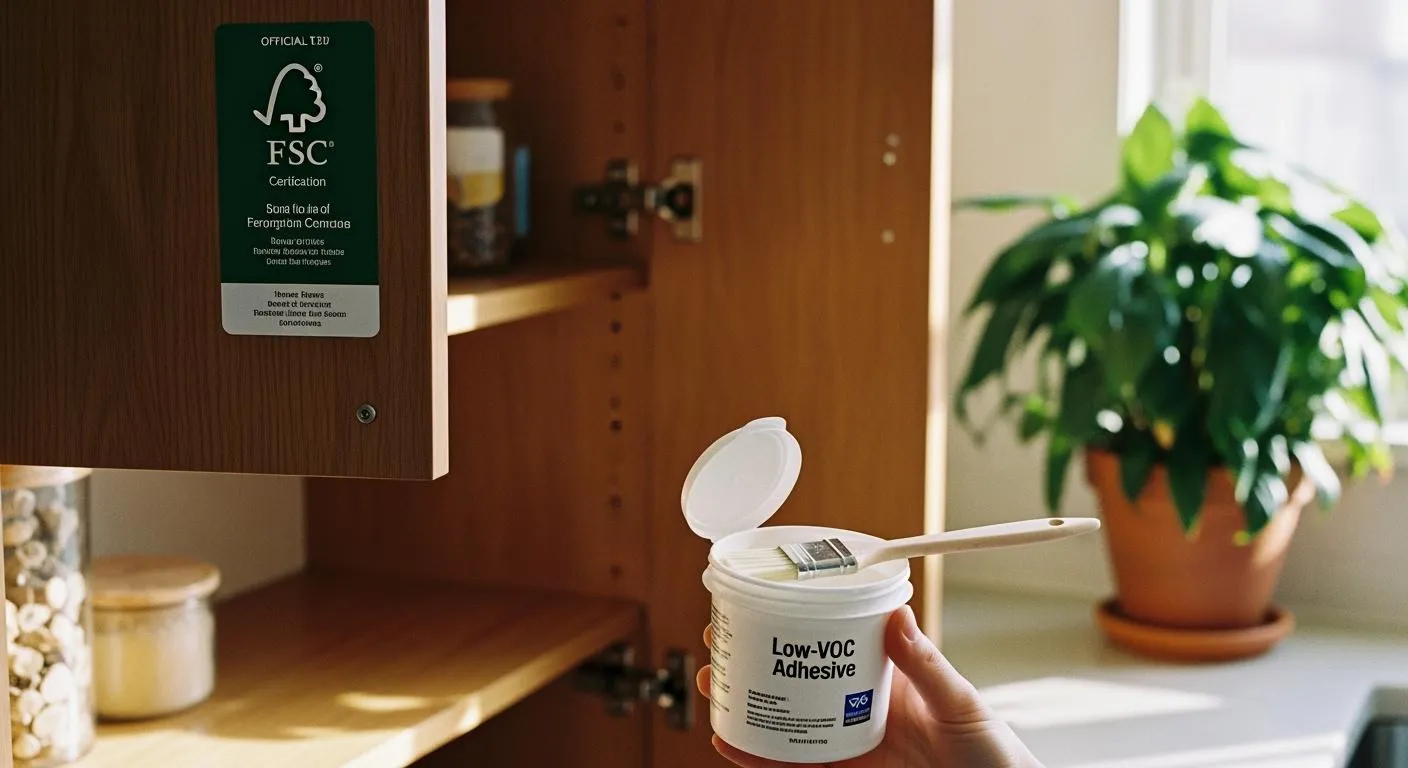
I assess green cabinets through separate sourcing, emissions and durability checks. Low-VOC adhesives are one part of that assessment; they do not establish the emissions of the finished cabinet. There is no single worldwide green cabinet mandate. Determine the actual destination requirements and contract criteria before specifying FSC claims, adhesive VOC content or product emissions. See Sibolla Building for related project options. See custom cabinets for related project options.
Key Takeaways
- Identify the destination requirements and voluntary project criteria; FSC and low-VOC claims are not a universal 2026 cabinet mandate.
- FSC-certified hardwood comes from forests that are managed well. This helps protect animals and supports fair work for people.
- Distinguish adhesive VOC content from tested emissions of the finished cabinet.
- Requirements depend on destination, product scope and project specification.
- Set document-review deadlines before ordering rather than assuming a universal January 2026 change.
- Documented material choices can support the brief; they do not guarantee a resale premium.
- Keep good records of all the materials you use. This will help you follow the rules and pass inspections.
- Working with suppliers like Sibolla Building can make it easier to find certified materials. This helps your project meet green standards.
Understanding Green Cabinet Requirements
Define the Applicable Requirements
Separate legal requirements from voluntary certification and contract preferences. For covered US composite-wood products, check EPA TSCA Title VI. FSC sourcing and low-emission specifications address different issues and need their own evidence. [1]
Tip: Check the supplier’s valid FSC certificate and invoice claim. For low-VOC adhesives, request the relevant test method and report; a marketing label alone is insufficient.
Scope and Applicability
Cabinet obligations vary by destination and product. Ask the designer and importer to identify the applicable rules for the proposed material and construction.
Here is a quick look at where these standards matter:
| Project | Requirement check |
|---|---|
| Homes and apartments | Destination product rules and project specifications |
| Hotels and offices | Occupancy, material and procurement requirements |
Compliance Deadlines
Use the effective date of the actual applicable rule and the project’s approval programme. No single worldwide 2026 deadline has been established here.
Record the jurisdiction, regulation or certification version, product scope and submission deadline.
A clear requirements register helps the team approve materials and track unresolved evidence.
FSC-Certified Hardwood in Custom Cabinets
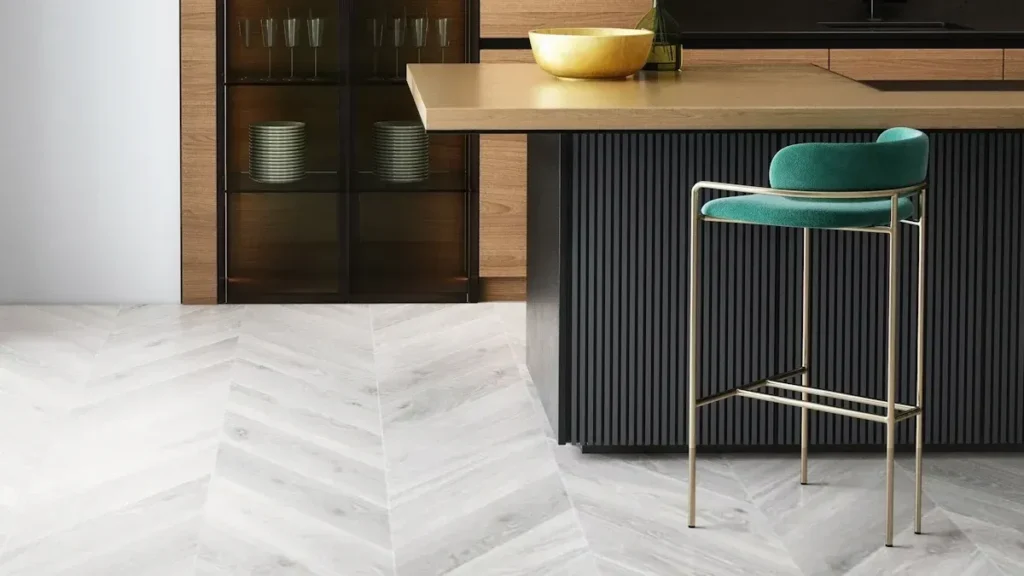
Image Source: unsplash
What FSC Certification Means
If you see the FSC label on hardwood, it means the wood comes from forests that are cared for. FSC stands for Forest Stewardship Council. This group makes rules to keep forests healthy and growing. When you pick FSC-certified wood, you help protect animals and water. Workers in these forests have safe jobs and get fair pay. Local and Indigenous people also have their rights protected.
- The forest can grow back and stay strong.
- Animals and water are kept safe.
- Workers have good jobs and fair pay.
- Local people keep their rights.
FSC chain-of-custody systems control eligible material claims. Mix claims may use percentage or credit systems; they do not mean every physical component can be traced to one individual forest. [2]
Specify the FSC claim required by the brief and verify the certificate scope and transaction evidence.
Sustainability and Legal Sourcing
You want your cabinets to use wood that is legal and good for nature. FSC certification helps you do this. The Forest Stewardship Council sets rules for how forests are managed and how wood is tracked. These rules make sure forests can grow back and stay healthy. Animals and water are protected. Local and Indigenous people have their rights respected. Workers have safe and fair jobs.
- FSC-certified wood comes from forests that stay healthy.
- Logging protects animals and plants.
- The process respects local people and their land.
- Every step is checked, so the wood is legal and fair.
Check the supplier’s chain-of-custody certificate and the exact FSC claim on sales documentation; physical separation is not the only permitted control system.
Benefits for Sibolla Building Projects
When you use FSC-certified hardwood in Sibolla Building cabinets, you help forests stay healthy. This choice lets forests grow back. You also protect animals and water, which helps nature. FSC certification respects the rights of local and Indigenous people, so your project is fair.
FSC addresses sourcing claims, not cabinet emissions or guaranteed property value. Review emissions evidence separately.
Keep sourcing and indoor-air claims separate and support each with relevant records.
Low-VOC Adhesives and Indoor Air Quality
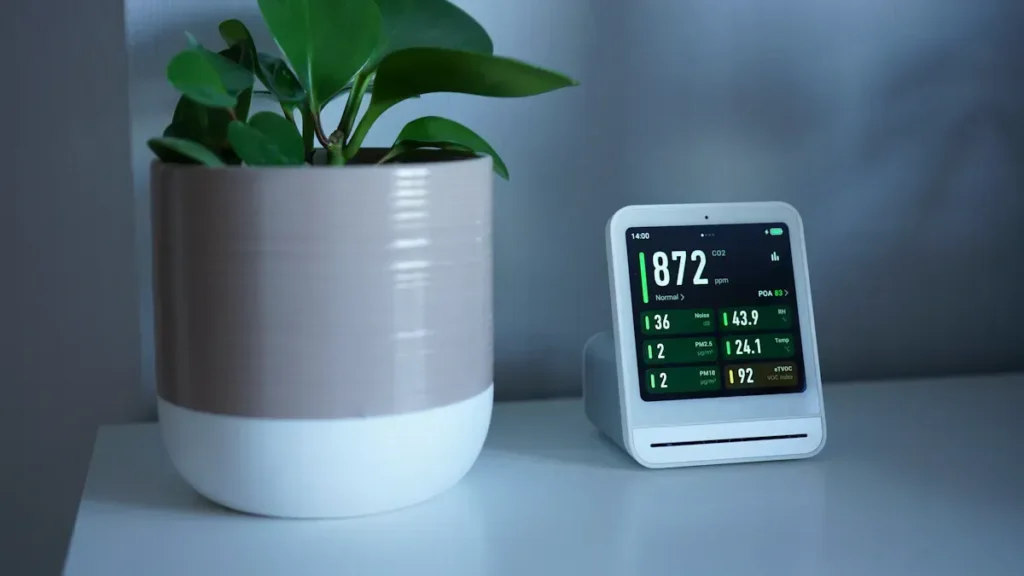
Image Source: pexels
Defining Low-VOC Adhesives
Low-VOC commonly describes a product’s VOC content under a specified method. It does not by itself establish low emissions from an installed cabinet or guarantee health safety.
You can check if an adhesive is low-VOC by using industry rules. Here is a table that shows what green building standards want for low-VOC adhesives:
| Evidence | What it establishes |
|---|---|
| VOC-content documentation | Content under the specified method and category |
| Emission test or listing | Emissions under defined test conditions |
| Project certification criteria | Applicable version, category and evidence requirements |
Match the adhesive and emissions evidence to the project’s actual criteria.
Low-VOC Adhesives: Assess Emissions Evidence
Select adhesive evidence relevant to the intended use and installation. A low-VOC claim alone does not establish the finished cabinet’s emissions.
- Review the product’s tested emissions where required.
- Follow the safety data sheet and installation ventilation requirements.
- Do not claim that an adhesive prevents asthma, cancer or other illness.
- Confirm product suitability for the intended building use.
Low-VOC adhesives are also good for nature. They give off fewer bad gases when made and used. Many companies that use low-VOC materials also try to be green. They work to cut down on pollution and waste.
- Less air pollution from factories and job sites.
- Better air inside and outside your building.
- Your project is better for the environment.
Tip: Always ask your supplier for proof that their adhesives are low-VOC. This helps you meet green standards and keeps your project safe.
GREENGUARD and Other Certifications
An emissions certification has a defined product and testing scope. Check the actual listing; it is not a guarantee that a room or cabinet is harmless.
| Evidence | Limit |
|---|---|
| Emissions listing | Verify listed model, test method and scope |
| VOC-content declaration | Does not substitute for a finished-product emission test |
- GREENGUARD labels mean the product has low chemical emissions.
- These products help keep indoor air clean.
- They are tested for chemicals like formaldehyde and benzene, which can be harmful.
Use applicable emissions and content evidence to support the specified requirements.
Compliance Steps for Builders and Developers
Sourcing FSC-Certified Materials
Where the brief calls for FSC, verify the exact claim, certificate validity and transaction documentation before approval. However, FSC sourcing does not establish whether low-VOC adhesives meet the project specification; assess that evidence separately.
- Make sure the wood has an FSC label. This shows it comes from a good forest.
- Ask your supplier for a chain of custody. This lets you track the wood from the forest to your project.
- FSC sourcing evidence does not measure indoor emissions or establish a fixed carbon reduction.
Ask Sibolla which material claims and supporting records are available for the proposed cabinet package.
Tip: Always ask for proof of FSC certification before you buy. This helps you pass checks and keeps your project on time.
Selecting Low-VOC Adhesives for Custom Cabinets
Choosing the right adhesive is important for safety. Low-VOC adhesives let out fewer chemicals into the air. This keeps your indoor spaces safer. Here are some tips for picking low-VOC adhesives:
- Pick adhesives that are strong and stick well.
- Choose the type you need: water-based, solvent-based, polyurethane-based, or hybrid polymer.
- Make sure the adhesive meets VOC rules. Pick ones with low or no VOCs.
- Check that you can get the adhesive easily. This helps you avoid delays.
- Think about any special needs for your project. Some adhesives work better for certain jobs.
Sibolla Building uses adhesives that meet green rules. The team helps you choose the best one for your cabinets. You get help from design to delivery.
Note: Using low-VOC adhesives helps you follow the project-specific cabinet requirements and keeps your project safe.
Verify Low-VOC Adhesives and Cabinet Documentation
You need to keep good records to show you follow the rules. Good paperwork helps you pass checks and avoid delays. Follow these steps:
- Collect certificates for all FSC-certified wood. Keep copies in your files.
- Save product sheets and safety info for all adhesives.
- Ask suppliers for GREENGUARD or other labels for adhesives.
- Keep a list of all materials used in your cabinets.
Request the available sourcing, emissions and material records. Resolve gaps against the actual requirements before ordering.
Tip: Good paperwork makes your project easier and builds trust with clients and inspectors.
Sibolla Building’s Sustainable Cabinet Solutions
Integrated Material Sourcing
Discuss material options and evidence with Sibolla. For low-VOC adhesives, request the reported VOC content, test method and product scope. Also confirm supplier documentation and substitution controls before approval.
- Specify and verify the FSC claim if required by the brief.
- You receive adhesives that are low in VOCs.
- You save time because Sibolla Building finds the materials.
Tip: Ask Sibolla Building for proof of certification. You can show this to inspectors and clients.
Confirm material availability and document responsibilities before fixing the production programme.
Quality Control and Pre-Assembly
You want cabinets that fit well and last long. Sibolla Building checks every part before it leaves the factory. The team looks at the wood, hardware, and adhesives. They make sure everything follows green cabinet rules.
Each cabinet is put together before shipping. The team dry-fits the cabinets and tests the hardware. They check all the places where parts connect. This helps you avoid problems when you install them.
Here is what you get with Sibolla’s quality checks:
| Step | What It Means for You |
|---|---|
| Material Inspection | Only safe, certified materials |
| Pre-Assembly | Cabinets fit right the first time |
| Hardware Testing | Smooth doors and drawers |
| Labeling | Easy installation on site |
You get cabinets ready to install. You do not need to make many changes on site. This saves you time and cuts down on waste.
Project Support and Logistics
You need your cabinets to arrive on time and in good shape. Sibolla Building helps you from start to finish. The team helps you plan your order and tracks your shipment. You get updates and clear steps for installation. You also get help if you have questions.
- You work with a project manager.
- You get organized packaging and labeled parts.
- You get help with paperwork and green certifications.
Note: Sibolla Building’s team makes sure your cabinets arrive safely, no matter where your project is.
Use a requirements register to coordinate material approvals, documentation and inspections.
Benefits of Meeting Green Cabinet Standards
Healthier Indoor Environments
Indoor-air quality depends on multiple sources, ventilation and installation conditions. Therefore, assess low-VOC adhesives through the relevant evidence rather than assuming a healthy finished room. Review cabinet and adhesive emissions separately from FSC sourcing.
- Many people now pick low-VOC or formaldehyde-free cabinets to keep their families healthy.
- Old cabinets can let out VOCs. These can cause headaches, coughing, or even “Sick Building Syndrome.”
- Evaluate durability using the actual panel, finish, hardware and intended use.
Tip: Clean air in your home or office helps you feel good and stay well.
Environmental Impact Reduction
You help the earth when you follow green cabinet rules. Picking certified materials and safe finishes cuts down on pollution and saves forests. The table below shows how different certifications and features help:
| Claim | Evidence needed |
|---|---|
| FSC sourcing | Valid certificate scope and sales claim |
| Low-emitting product | Relevant model-specific test or listing |
| Low-VOC finish | Applicable category, method and content |
| Environmental performance | Specific evidence for the stated claim |
You help forests and cut pollution by picking these choices. You also keep animals and their homes safe.
Market Value and Client Trust
Support environmental marketing claims with specific evidence. Do not present a proposed directive or a general green label as a universal legal requirement.
Companies that follow these rules often get higher value. Clients trust projects with certified materials and safe finishes. More people care about the earth now. Your green choices help you get new jobs and keep a good name.
Note: Being honest about your materials and work helps you avoid legal trouble and keeps your clients happy.
Preparing the Procurement Programme
Transition Timeline
Plan material review, evidence verification, supplier approval and installation requirements before ordering.
Here is a simple example:
| Stage | Action |
|---|---|
| Brief | Identify destination rules and voluntary criteria |
| Supplier review | Verify material and document availability |
| Approval | Record accepted specification and evidence |
| Production | Control substitutions and batch identity |
| Handover | Retain required records |
Tip: Start early. Early action gives you time to solve problems and avoid last-minute stress.
Training and Stakeholder Engagement
Train the team to distinguish sourcing labels, adhesive VOC content and product-emission reports.
You also need to talk with your suppliers and clients. Tell suppliers about your new needs. Ask them for proof of certification. Share your plan with clients. Explain how green cabinets help their health and the environment.
- Train your installers on safe handling of new adhesives.
- Give your design team guides for picking green materials.
- Hold meetings with project managers to review progress.
Note: Good communication helps everyone work together and reach your goals.
Overcoming Common Challenges
You may face some problems as you switch to green cabinet standards. Some suppliers may not have the right materials. You might find higher costs at first. Your team may need time to learn new steps.
Here are ways to solve these challenges:
- Build strong relationships with trusted suppliers like Sibolla Building.
- Compare prices from different sources to find the best value.
- Use clear instructions and checklists for your team.
- Keep extra time in your schedule for training and changes.
If you run into delays, talk to your project manager right away. Ask for help from experts if you need it. Stay flexible and open to new solutions.
Track material and documentation gaps early and agree corrective actions before production.
Specify the actual destination and project requirements, then select supported sourcing and emissions claims. I recommend keeping the evidence with the approved cabinet specification.
- Use materials that are good for nature, like FSC-certified wood or bamboo.
- For covered US composite-wood products, verify applicable TSCA Title VI requirements; a CARB Phase 2 claim alone is not every destination’s compliance evidence.
- Pick finishes with low-VOC and water-based adhesives.
- Think about using old or recycled materials.
These actions help you make spaces that are safe, healthy, and ready for the future.
FAQ
FSC certification supports a defined sourcing claim. Verify the certificate scope and sales claim; it does not establish emissions compliance.
Low-VOC content and low emissions are different measurements. Ask for evidence matching the product and project criteria.
You should look for the FSC label on wood and “low-VOC” on adhesives. Ask your supplier for certificates. Sibolla Building gives you all the needed documents for easy checks.
Compare actual quotations, durability and document requirements. A green claim does not guarantee longer life, health benefits or financial savings.
Ask which records are available for the proposed materials and confirm any missing evidence before approval.
There is no identified worldwide 2026 mandate requiring FSC and low-VOC adhesives in every project. Apply the actual destination law and contract specification.
You can contact Sibolla Building for help. The team will guide you in picking the right materials, handle sourcing, and provide support from design to delivery.
References and Sources
Sources checked on 27 September 2026. Apply each standard within its stated scope and verify current requirements for the project destination.