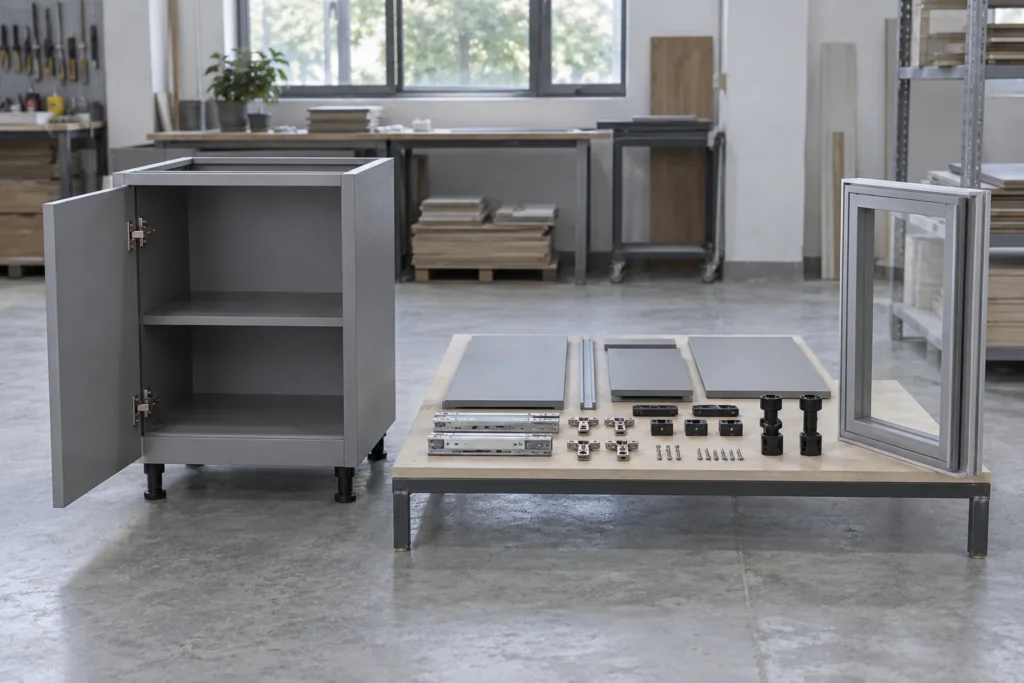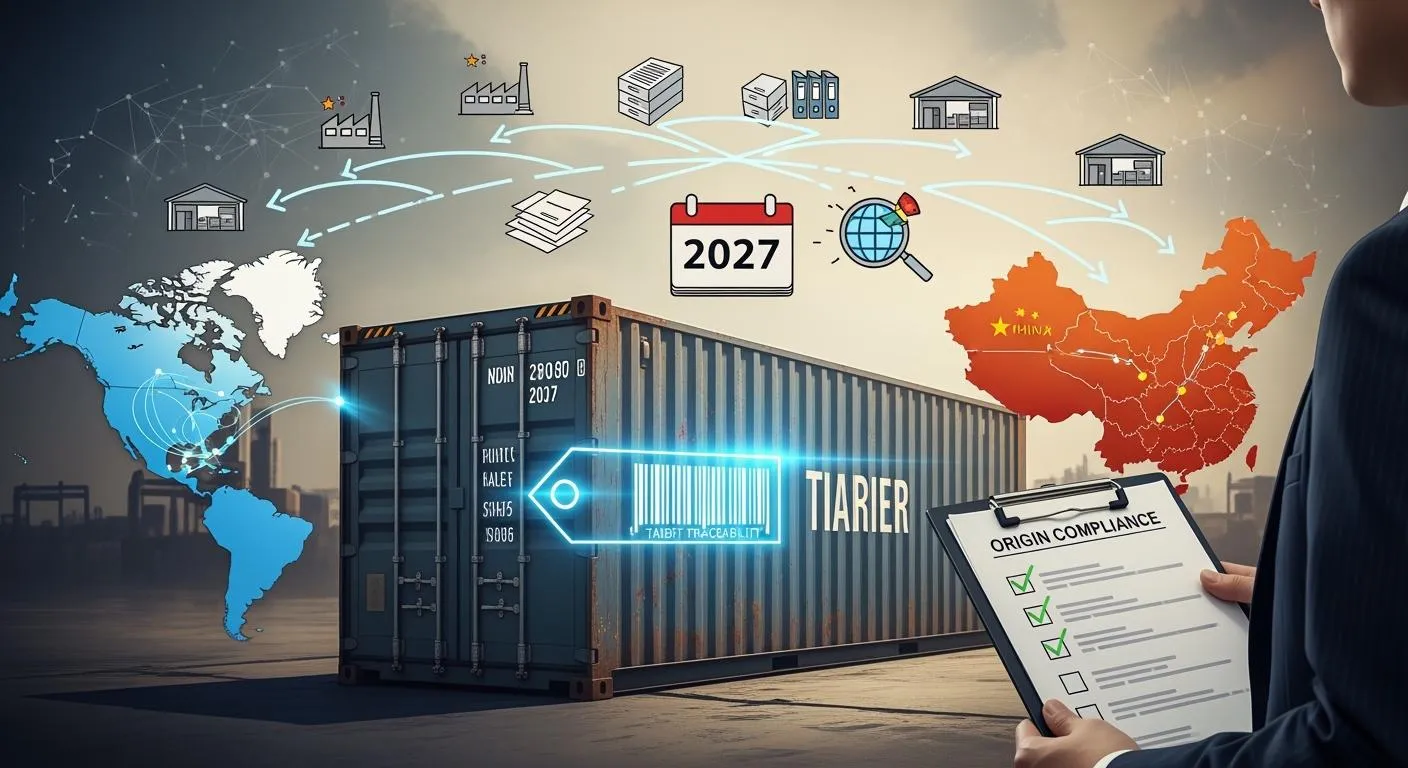
The cabinet tariff delay concerns a specific Section 232 increase, not every charge on an imported cabinet. The December 2025 proclamation retained a 25% component and deferred the planned increase. I recommend confirming the current product scope, origin and entry date before budgeting. See Sibolla Building for related project options. [1]
Key Takeaways
- Confirm the applicable Section 232 timetable, then check other duties and trade remedies separately. Record the source and date used in each landed-cost estimate.
Tariff Delay Until 2027: Impact on Cabinet Imports

Image Source: pexels
Regulatory Changes and Timeline
For cabinet imports from China, the tariff delay gives importers time to review supply and entry plans. It does not remove other applicable duties. The table below lists the main changes:
| Policy item | Meaning for planning |
|---|---|
| Section 232 increase | The December 2025 action delayed the scheduled increase for covered products by one year |
| Existing component | The 25% Section 232 component was retained; it is not a total import-duty quotation |
| Other trade measures | Check classification, origin, exclusions and any other applicable duties separately |
You should also look at the timeline for these tariffs. The next table shows what will happen:
| Covered product | Published timetable |
|---|---|
| Kitchen cabinets and vanities | 25% Section 232 component; scheduled 50% from 1 January 2027 unless subsequent arrangements change applicability [2] |
Use the published timetable as a dated planning assumption. Ask the customs broker to confirm the applicable charges for the actual entry.
Opportunities for Supply Chain Optimization
the documented tariff timetable gives you a chance to make your supply chain better. Many North American cabinet importers use both global and local suppliers. This delay shows why it is important to know where your products come from and to find good suppliers. You can use this time to make your supply chain stronger and safer.
Here are some things you can do to improve your supply chain:
- Some importers hurry to ship goods before tariffs go up. This can make ports crowded and shipping more expensive. You should plan your shipments so you do not have these problems.
- If shipments are late, you might run out of stock. Good planning and flexible shipping help you keep enough products.
- Higher tariffs can make it harder to follow the rules. Work with shipping experts to make sure you do everything right.
Here are some steps you can take:
- Make different shipping plans in case rules change fast.
- Give yourself extra time for important shipments so you do not have delays.
- Check your Incoterms to control your costs.
You can also see what other companies are doing. Some U.S. companies use machines and local suppliers. This helps them avoid tariff problems and stay strong for a long time. You can use this time to look at your own suppliers and rules. Sibolla Building uses a clear plan to handle these changes. You can use this idea to keep your supply chain safe and follow the rules during the documented tariff timetable.
Compliance and Traceability During the Tariff Delay
Origin Verification Requirements
You must follow strict rules when you import cabinets from China. These rules help you show where your products come from. They also prove your cabinets are safe and good quality. The table below lists the main things you need to check:
| Evidence | What to verify |
|---|---|
| Product specification | Approved construction, dimensions, materials and destination requirements |
| Composite-wood evidence | Applicable EPA TSCA Title VI or Canadian requirements for covered products |
| Wood packaging | Applicable ISPM 15 treatment and marking for regulated solid-wood packaging |
| Management certificates | Validity and factory scope; these do not certify every cabinet |
| Sourcing and emissions claims | Evidence matching the material, product and stated claim |
You need to get these papers before your cabinets leave the factory. This helps you avoid problems at customs. It also keeps your supply chain working well.
Section 232 and 301 Tariff Risks
Section 232, Section 301 and antidumping or countervailing measures have different legal bases and product scopes. Confirm which measures apply instead of treating 25% as the complete landed-duty rate.
Tip: Always check your contracts and shipping terms. This helps you control costs and avoid surprises if tariffs change.
Documentation and Supplier Transparency
You need to keep clear records for every shipment. Good paperwork helps you show you follow the rules. It also lowers your risk. You must track your products from start to finish. This makes it easier to find and fix problems fast.
Here are some best ways to keep good records and be open:
- Keep good records for each shipment.
- Know the risks and how they can hurt your business.
- Check your suppliers to make sure they follow the rules.
You can follow these steps to do better with compliance:
- Check the HTS code and explain why you picked it.
- Look for any special duties or limits.
- Make sure your product value is right.
- Check the country of origin and label it right.
- Find extra rules and clear them before you ship.
When you do these steps, you build trust with your partners. You also avoid expensive mistakes. This makes your supply chain stronger and more reliable.
Optimizing China Supply Chains with Sibolla Building
Supplier Selection and Auditing
Reliable Partnerships
Use the tariff delay to review suppliers, not as evidence that an order is exempt from duties. Ask each supplier for material specifications, current factory records and a proposed inspection plan. Confirm how substitutions and corrective actions will be approved; no audit guarantees compliant delivery.
Audit Best Practices
You should check your suppliers often. Audits help you find problems before they get big. Sibolla Building uses easy steps for audits. These steps include looking at how things are made, checking papers, and testing finished cabinets. You can use lists to make sure nothing is missed. When you audit, your supply chain stays safe and strong. You also make sure your cabinets follow all rules.
Tip: Keep your audit notes in order. This helps you show you follow the rules and fix problems fast.
Diversification and Risk Management
Multi-Sourcing
You can lower risks by using more than one supplier. Diversifying your supply chain means making cabinets in different places. If one supplier has trouble, you can get cabinets from another. Sibolla Building helps you find trusted suppliers. You can buy cabinets from China, Vietnam, Thailand, or Malaysia. This keeps your projects going even if there are problems.
- Geographical Diversification: Buy from many countries so you do not depend on just one.
- Supplier Diversification: Work with more than one supplier to lower the risk of running out.
- Leveraging OEM/ODM Manufacturers: Use these makers to be more flexible.
Contingency Planning
You need a backup plan for surprises. Sibolla Building helps you make extra plans. You can keep extra cabinets or find new shipping ways. If there are delays or rule changes, you can still get your cabinets. You can use the documented tariff timetable to check and improve your plans.
- Increased Resilience: Your work keeps going even if one place has trouble.
- Cost Optimization: You can save money by using better deals and lower costs.
- Compliance with Regulations: You follow rules in many places, so you can sell more.
Note: Check your backup plans every year. Change them when rules or markets change.
Technology for Supply Chain Visibility
Digital Tracking
You can use computers to watch your cabinets from the factory to your site. Sibolla Building uses tracking systems to show where each cabinet is. You get updates right away. This helps you see delays and fix them quickly. Digital tracking also helps you keep records for checks.
Real-Time Analytics
You can use real-time data to make smart choices. Sibolla Building gives you info about making, shipping, and storing cabinets. You can see patterns and spot problems early. When you use this data, you can plan shipments and avoid slowdowns. This keeps your supply chain working well.
Tip: Use dashboards to watch your supply chain. This helps you see problems and fix them fast.
Agree engineering, sourcing, inspection and shipping responsibilities in writing. Ask Sibolla which services and compliance documents are available for the proposed cabinet package. See custom cabinets for related project options.
Ensuring Origin Compliance Traceability
Image Source: unsplash
Documentation Best Practices
The tariff delay does not change country-of-origin rules. Keep production and sourcing records that support the declared origin; documentation alone does not guarantee acceptance by customs. You can follow these best practices to keep your documents in order:
- Collect supplier declarations that show the origin of every material or part.
- Make sure each declaration includes the supplier’s name, a full description, HS codes, country of origin, the rule for origin, and how long it is valid.
- Update these declarations every year or when your supplier changes how they make things.
- Set up ways to check these declarations, like audits or factory visits.
- Keep your records neat and safe for at least five years. This helps you get ready for any audit.
- Choose someone who knows the rules to handle audit questions and keep your process the same every time.
Match evidence to the destination and product scope. For covered US composite-wood products, check TSCA Title VI. Do not treat FSC, emissions documents and customs origin records as interchangeable.
Digital Traceability Tools
You can use digital tools to track your cabinets from start to finish. These tools make it easy to see where each part comes from and where it goes. Many importers use systems like TraceX. This tool gives you:
- A shipment traceability record showing supplier, batch and document references.
- AI-powered risk checks to spot problems early.
- Easy ways to add new suppliers and check their details.
- Maps that show where your materials come from.
- Reports that are ready for customs and other checks.
Digital tools help you keep all your records in one place. You can find what you need fast. You also get alerts if something changes or if you need to update a document.
Training and Internal Controls
You need to teach your team how to use these systems and follow the rules. Good training and strong controls help you avoid mistakes. The table below shows how these steps help you:
| Practice | How It Helps |
|---|---|
| Digital organization of records | You can find and check documents quickly. This makes audits easy. |
| Real-time tracking technology | You see updates right away. This helps you fix problems fast. |
| Structured training programs | Your team learns the rules and uses the tools the right way. |
You should check your process often. Give your team clear steps to follow. When you use digital tools and train your staff, you build a supply chain that is strong and ready for any rule change.
Note: Review your training plan every year. Update it when you add new tools or rules. This keeps your team ready and your supply chain safe.
Importer Actions During the Cabinet Tariff Delay
Plan entry-date scenarios on both sides of the cabinet tariff delay. Compare the applicable duty components, shipment timing and documentation before committing to an order. Sibolla Building uses a step-by-step approach to help you manage your cabinet imports. You can follow these action steps to keep your business ready for any changes.
Implementation Checklist
Supplier Evaluation
Start by checking your suppliers. Make sure they follow all rules and can deliver on time. You should:
- Look at supplier certificates and how they did before.
- Go to factories if you can.
- Use scores to compare suppliers.
Sibolla Building checks suppliers in a careful way. This lowers risks and keeps quality high.
Compliance Review
Check your compliance papers often. Make sure all paperwork is correct and up to date. This includes:
- Checking where all materials come from.
- Keeping records for at least five years.
- Matching papers to U.S. and Canadian rules.
You can use the table below to plan your actions:
| Timeframe | Actions to Take | How It Helps |
|---|---|---|
| Immediate (0–30 Days) | Check tariff risks, change contracts, keep compliance papers safe, look for weak spots in your supply chain | Find weak links and make sure your papers are right from the start. |
| Mid-Term (30–90 Days) | Find suppliers with low tariffs, change where you buy and ship, plan for problems | Help new suppliers join and keep deliveries going. |
| Long-Term (6–12 Months) | Look at moving factories closer, make compliance steps better, use products that resist tariffs, match money plans to growth | Help big changes and make it easier to grow. |
Technology Adoption
Use digital tools to track your cabinets and keep records. You can:
- Set up tracking for shipments that updates in real time.
- Keep all papers in one place.
- Use dashboards to find problems early.
Sibolla Building uses digital tracking to give updates and show your supply chain.
Staff Training
Teach your team about new rules and tools. Make sure everyone knows what to do. You should:
- Have training sessions often.
- Give clear steps for each job.
- Change training when rules change.
A trained team helps you avoid mistakes and pass audits.
Continuous Improvement
KPIs
Set clear goals for your supply chain. You can use Key Performance Indicators (KPIs) like:
- On-time delivery rate
- Number of compliance errors
- Audit pass rate
Check these numbers every month. This helps you see what works and what needs fixing.
Regular Audits
Regular audits are a must. They help you check if what suppliers say matches what happens. For risky suppliers, yearly audits may not be enough. Try doing audits more often for higher risks.
You should check your process often. Use ways like 5S to keep your workspace neat and tidy. Make steps the same for everyone. This keeps your supply chain strong and ready for changes.
Tip: Sibolla Building’s project managers can help you set up audits and track KPIs. Their help makes it easier to keep your supply chain safe and follow the rules.
You can use the documented tariff timetable to make your supply chain better. Try these steps:
- Check how tariffs affect you and change your contracts.
- Use digital tools to track your products and follow rules.
- Keep your records neat and work with trusted partners like Sibolla Building.
If you act early, you can save money and lower risks. You will also follow new rules. The market gives rewards to people who plan ahead. Start now to build a supply chain that helps your business grow and keeps you in front.
FAQ
The published delay concerns the Section 232 increase for covered cabinets and vanities. Other duties, country arrangements and later changes can affect the entry; verify the complete rate with a customs broker.
You can review your suppliers, use digital tracking, and keep good records. You should also train your team and check your backup plans often.
You must show where your cabinets come from. This helps you follow the law, avoid fines, and build trust with your customers.
Agree a document-retention policy with the importer and broker based on applicable customs, product and contractual requirements. Retain the records for the required period.
Sibolla Building gives you custom cabinet solutions, supplier audits, and digital tracking. You get help with engineering, production, and shipping.
Choose a tracking system that records batch, approval and shipment references. Ask for a demonstration before relying on any supplier platform.
You should audit your suppliers at least once a year. For high-risk suppliers, check them more often to keep your supply chain safe.
References and Sources
- White House — December 2025 Section 232 wood-product tariff adjustment
- White House — Cabinet and vanity Section 232 timetable
Sources checked on 27 September 2026. Apply each standard within its stated scope and verify current requirements for the project destination.