I treat cabinet-panel selection as one part of kitchen fire safety. First define the applicable material or assembly test, then check the exact panel construction and installation. Bulk buying and factory audits do not establish a fire rating. See Sibolla Building for related project options.
Key Takeaways
- Buy many fire-resistant cabinet panels at once to save money and make sure they are all good quality.
- Check your kitchen often for fire risks to stop dangers before they happen.
- Follow your local fire codes and rules to keep your kitchen safe and legal.
- Check product test evidence separately from the factory’s operational fire-safety audit.
- Keep good records of checks and repairs to show you follow safety rules.
- Teach your staff about fire safety steps and what to do in emergencies.
- Make a plan to check and fix fire safety systems often so they always work well.
- Use ideas from drills and audits to make your kitchen safety better all the time.
Kitchen Fire Safety Essentials
Risks in Kitchen Environments
Managing a kitchen comes with many dangers. Fires can start fast and spread quickly. It is important to know what causes these problems. Recent reports say commercial kitchens have some common hazards:
- Grease can pile up in cooking tools and vents. This is a main reason for kitchen fires.
- High heat and open flames can light grease on fire. Cleaning often helps stop this.
- Cooking oils can burn if they get too hot. This happens a lot in fryers and on stoves.
- Electrical tools can also start fires. Old wires and too many plugs make it worse.
- Fire risks come from heat, grease, and using equipment. Busy kitchens can make these risks bigger.
- If you do not find fires fast, the damage gets much worse.
You need to know about these dangers to keep your kitchen safe. Kitchen Fire Safety begins with knowing where things can go wrong.
Proactive Safety Measures
You can do things to make fire risks lower in your kitchen. Fire safety experts suggest some steps to keep people and property safe:
- Check fire suppression systems often. This helps you follow rules and keeps the kitchen safe.
- Learn and obey local fire codes. This helps you avoid fines and keeps your business open.
- Use National Fire Protection Association (NFPA) standards. These help you take care of fire systems.
- Keep inspection records. This shows you are careful and can help if a fire happens.
- Make sure your insurance is still good. Many plans need regular fire safety checks.
- Protect your kitchen tools. Inspections help stop fire damage to important things.
- Lower property damage. Good systems can keep fires from spreading.
- Stop business shutdowns. Regular checks help you avoid emergencies that close your kitchen.
- Keep everyone safe. Working fire systems protect workers and customers.
- Lower injury chances. Good fire safety keeps people from getting hurt in busy kitchens.
- Build customer trust. Safe kitchens make people feel good about eating there.
Discuss cabinet materials and documentation with Sibolla. Have the project’s fire-safety designer define the required performance and responsibilities.
Fire-Resistant Cabinet Panels
Image Source: pexels
Material Options and Performance
You must pick the right materials for your kitchen cabinets. This helps make your kitchen safer from fire. Some materials are better than others when there is heat or flames.
Stainless Steel and Aluminum
Metal panels are generally noncombustible, but heat can weaken metal and damage connections. Aluminum can melt in a fire. A metal cabinet is not automatically a tested fire-resistant assembly.
Fire-Retardant Plywood and MDF
Fire-retardant treatments can alter wood-panel reaction to fire. Request reports for the actual thickness, finish and assembly; do not assume a smoke reduction or a rated period of fire resistance.
A B1 classification must identify its test standard and tested construction. It is not interchangeable with a UL listing or a fire-resistance duration.
Selection Criteria
You need to think about a few things when you pick fire-resistant cabinet panels. These things are certification, ratings, how long they last, and how easy they are to take care of.
Certification and Ratings
Distinguish reaction-to-fire classification from the fire-resistance rating of an assembly. Match the report, standard, tested build-up and installation conditions to the specification. [1]
Durability and Maintenance
How long panels last is important for fire safety. You want panels that stay strong and keep their fire-resistant power. You must clean and fix them often. If you do not, the panels might not stop fire as well. Putting the panels in the right way is also important. Good installation helps all parts work together to stop fire. Make a plan to check and clean the panels often. This helps you find small problems before they get big.
Sibolla Custom Cabinets for Safety
Sibolla Building makes custom cabinets for Kitchen Fire Safety. You can pick fire-resistant materials like treated plywood, MDF, stainless steel, and more. Each cabinet is checked before it is put together. The team looks at every part for size, fit, and how it works. This helps stop mistakes when you install the cabinets. You get cabinets that fit your kitchen and meet safety rules.
Approve dimensions, part labels and installation instructions. Dimensional quality checks do not prove fire performance.
Bulk Procurement Strategies
Advantages for Kitchen Fire Safety
When you buy fire-resistant cabinet panels in bulk, you get many benefits for your kitchen projects. Bulk procurement helps you keep Kitchen Fire Safety under control and makes your work easier.
Cost Efficiency
Bulk orders may improve unit pricing and freight utilisation. Compare actual quotations and project records before claiming a percentage improvement.
Consistent Quality
A bulk order still needs batch identification and inspections. It does not guarantee identical performance or eliminate substitution risk.
Tip: Bulk orders also help the environment. You use less packaging and make less waste.
Ensuring Compliance
You must follow many rules when you buy fire-resistant materials. Good compliance keeps your kitchens safe and helps you avoid problems with the law.
Supplier Evaluation
You need to check your suppliers before you buy. Look for these things:
- Request the test standard and any listing required by the destination and project; UL certification is not a universal requirement for every cabinet panel.
- They should give you clear labels and instructions for use.
- Their products must be strong and work well every time.
- Good suppliers show you their certificates and follow local fire codes.
You can trust suppliers who share all their safety details and meet known standards. This helps you make sure your panels are safe and legal.
Documentation and Traceability
Keeping good records is important for fire safety. You should check every step of the process. Here is how you can do it:
| Verification Step | Description |
|---|---|
| On-site Audits | You can visit the factory to check if they follow fire safety rules. |
| Cross-checking | You can match test reports with production logs to make sure they are right. |
| Database Validation | You can check lab certificates in official databases to confirm they are real. |
These steps help you prove your panels are safe and meet all rules. Good records also make it easy to fix problems if they happen.
Sibolla Building’s Integrated Solutions
Sibolla Building gives you a simple way to buy fire-resistant cabinet panels in bulk. You get direct access to the factory, so you do not need to deal with many middlemen. This makes your work faster and less risky. Sibolla’s team helps you plan, order, and track your panels from start to finish. You get one point of contact for everything.
With Sibolla Building, you get:
- A structured process for bulk orders.
- Help with design, engineering, and logistics.
- Quality checks before shipping.
- Support for keeping your project on schedule.
Agree cost, inspection and document responsibilities with Sibolla. Project acceptance depends on the specified product evidence and installation.
Factory Fire Rating Audits
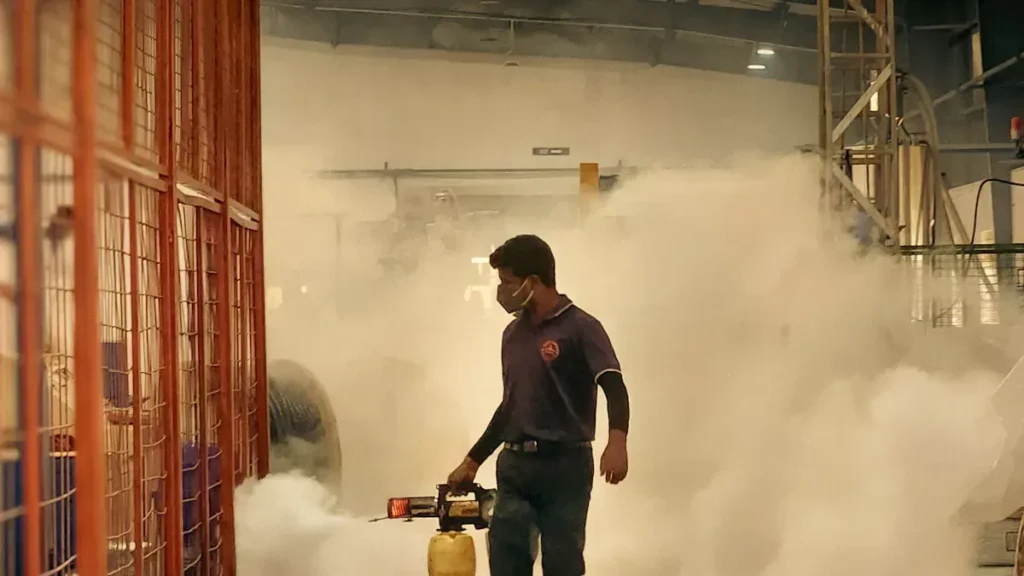
Image Source: pexels
Audit Process Overview
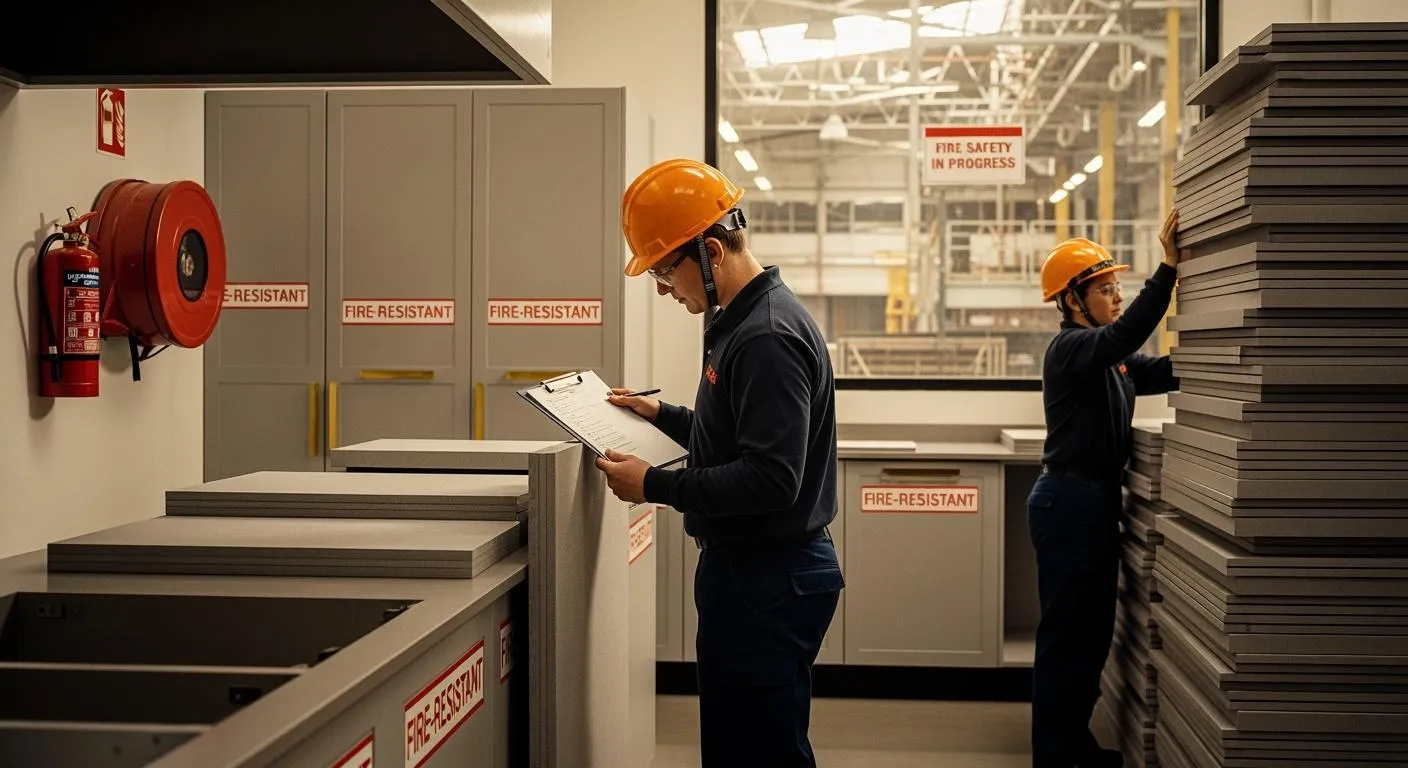
A factory audit reviews production and document control. Product fire testing is a separate activity performed under a specified method.
Check that test evidence matches the supplied panel and construction. An audit does not prove performance in every real fire.
Ensuring Reliable Products
Procedures and Verification
You want to be sure your panels will protect your kitchen. Auditors use a step-by-step process to check everything. Here is what they do:
| Step | Description |
|---|---|
| 01 | Initial Assessment: Inspectors walk through the factory. They look for risky spots and check fire safety steps. |
| 02 | Comprehensive Inspection: They check fire systems, exits, lights, signs, and fire tools. |
| 03 | Documentation Review: They look at safety plans, records, training, and old reports. |
| 04 | Detailed Report: You get a report with photos, risk levels, and advice. |
| 05 | Action Plan: The report gives you steps and a timeline to fix problems. |
| 06 | Follow-up Support: Auditors check again to see if you fixed the issues. |
Each step checks a different part of the process. Auditors look for working tools and clear exits. They check if safety gear works and if there are any problems.
- Inspectors do regular checks.
- They make sure exits are open and marked.
- They check that tools work and are safe.
- They look for anything strange or unsafe.
Compliance Integration
You must follow all fire safety rules. Auditors help by checking your papers and daily work. They look at safety plans, training, and old inspection reports. You get a report with photos and tips. This helps you fix small problems before they get big.
Agree the inspection scope and request the actual product reports. Inspection and shipment planning cannot guarantee fire-code approval or arrival dates.
Using Audit Results in Procurement
Use an audit to assess process controls and unresolved findings. Confirm product fire performance with separate, relevant test evidence.
Ask for available test reports, product identification and traceability records. Confirm gaps before ordering.
Implementing Strict Control Systems
Combining Procurement and Audits
Combine a defined panel specification, relevant test evidence and batch inspection. Ordering in bulk and auditing the factory do not create a fire rating.
Sibolla Building helps you with both steps. The team helps you from your first order to the last check. You get help with planning, tracking, and checking each delivery. They also help you keep records and follow fire codes. This makes your work easier and helps you avoid mistakes.
Best Practices for Ongoing Safety
Monitoring and Reporting
You need to watch your kitchen systems all the time. Good monitoring helps you find problems early. Keep digital records of all maintenance work. Use a calendar with reminders for your maintenance. Put all your equipment warranties and service contracts together. Store emergency phone numbers where everyone can see them.
Follow the equipment manufacturer’s maintenance instructions and applicable fire-safety requirements. Have qualified personnel determine the inspection and test intervals; UV cleaning checks are not proof of duct fire safety.
Confirm which documentation and installation support Sibolla provides. Fire-system maintenance and emergency training belong to appropriately qualified providers.
Continuous Improvement
You can always make your safety plan better. After a fire drill or emergency, talk about what happened. Discuss with your team what worked and what needs to change. Keep your maintenance papers up to date. Plan for regular system audits to check if you follow all rules.
Here are some ways to keep getting better:
- Review your safety steps after every drill.
- Update your emergency plans when you find new risks.
- Use feedback from your team to fix weak spots.
- Schedule audits to check your progress.
Assign ongoing fire-system inspections and emergency planning to the responsible facility team and qualified contractors.
Use documented panel performance and appropriate inspections alongside the kitchen’s overall fire-safety plan. Treat bulk purchasing as a commercial decision.
To get the best results, do these things:
- Check for risks in your kitchen often.
- Teach your staff about safety and what to do in emergencies.
- Make emergency plans and practice them.
- Take care of your equipment on a regular schedule.
- Always know the newest safety codes.
Sibolla Building gives you help and advice to keep your kitchen safe for a long time.
FAQ
Some panels have documented reaction-to-fire properties. A cabinet is not fireproof, and a material test does not establish assembly fire resistance.
Check the full standard, report and tested construction. B1 is a classification under a specific system; UL is a testing and certification organisation, not a generic fire grade.
Buying in bulk saves you money on each panel. You also get the same quality for every panel you buy. Bulk buying helps you plan and keeps your kitchens safer.
Auditors go to the factory to check the panels. They watch how workers make and test the panels. You get a report with photos, risk levels, and tips to fix problems.
Sibolla Building makes custom cabinets with fire-resistant materials. The team checks every order before they ship it to you. You get help with planning, keeping records, and following fire codes.
Suitability depends on the kitchen application, applicable code, test evidence and installation conditions.
References and Sources
Sources checked on 27 September 2026. Apply each standard within its stated scope and verify current requirements for the project destination.