For humid-climate tile procurement, review water absorption and slip performance separately. ISO 10545-3 is a test method; it does not mandate absorption of 0.5% or less for every wet-area tile. [1]
| Specification | Value |
|---|---|
| Water Absorption | ≤ 0.5% |
Tiles with a low water absorption rate effectively keep out mold and mildew, which is crucial for their longevity in humid environments.
| Issue Addressed | Importance |
|---|---|
| Mold and Mildew Prevention | Essential for durability |
Sibolla Building assists you in selecting tiles that meet these specifications. You receive tailored solutions for your project backed by data and expert guidance.
Key Takeaways
- Select absorption characteristics for the application; low absorption alone does not prevent mold or establish slip resistance.
- Find tiles with a COF rating of 0.60 or more. This means the tiles are less slippery and safer to walk on.
- Ask for samples before you buy. Testing tiles at home lets you see the color, feel the texture, and check if they are slippery.
- Check the applicable product declaration and relevant test reports; CE and ISO references are not universal quality approvals.
- Clean tiles often with a pH-neutral cleaner. This stops mold and keeps tiles looking nice.
- Look at your tiles every three months for cracks or chips. Finding problems early keeps your tiles safe and looking good.
- Buy from trusted suppliers like Sibolla Building. They give good advice and make sure you get quality tiles.
- Think about the surface texture of tiles. Tiles with a rough or matte finish are easier to grip, especially when wet.
Optimal Water Absorption Rate for Slip-Resistant Tiles
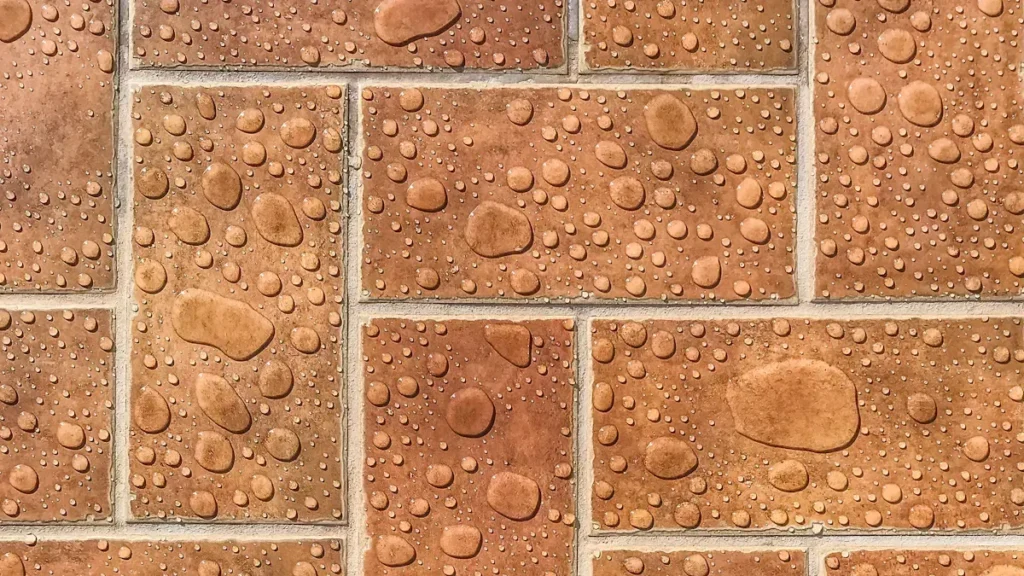
Image Source: pexels
Defining Water Absorption Rate
moisture uptake rate means how much water a tile can take in. This number is important because it shows how well a tile keeps out water, stains, and freezing damage. Groups like ISO and ASTM use this number to put tiles into four groups:
| Classification | Absorption Rate | Typical Usage |
|---|---|---|
| Impervious (Porcelain) | ≤ 0.5% | Heavy traffic, outdoor, wet areas |
| Vitreous | 0.5% – 3.0% | Indoor floors, moderate traffic |
| Semi-Vitreous | 3.0% – 7.0% | Indoor areas, dry locations |
| Non-Vitreous | > 7.0% | Indoor walls only |
You should pick tiles with the right water absorption rate for your space. For places with lots of moisture, porcelain tiles with 0.5% or less are best. These tiles keep water out and last longer in tough spots.
Impact on Tile Performance
Durability in Humid Areas
Tiles with low water absorption stay strong even when it is damp. Porcelain tiles with the right rate do not crack or wear out fast. You can use them in busy places like hotel lobbies, bathrooms, or pool decks. They do not break or lose their look, even after many years.
- Porcelain tiles are thick and strong.
- They can handle lots of people walking on them.
- You can use them inside or outside, even where there is rain or steam.
Mold and Mildew Resistance
Tiles that do not soak up much water do not let mold or mildew grow. This helps keep your rooms clean and safe. In kitchens, showers, and spas, tiles with the right water absorption rate help you avoid health problems and extra cleaning.
- Low absorption means less water inside the tile.
- Mold and germs cannot grow easily.
- Your floors and walls stay clean and fresh.
Slip Resistance and Safety
Surface Texture and Porosity
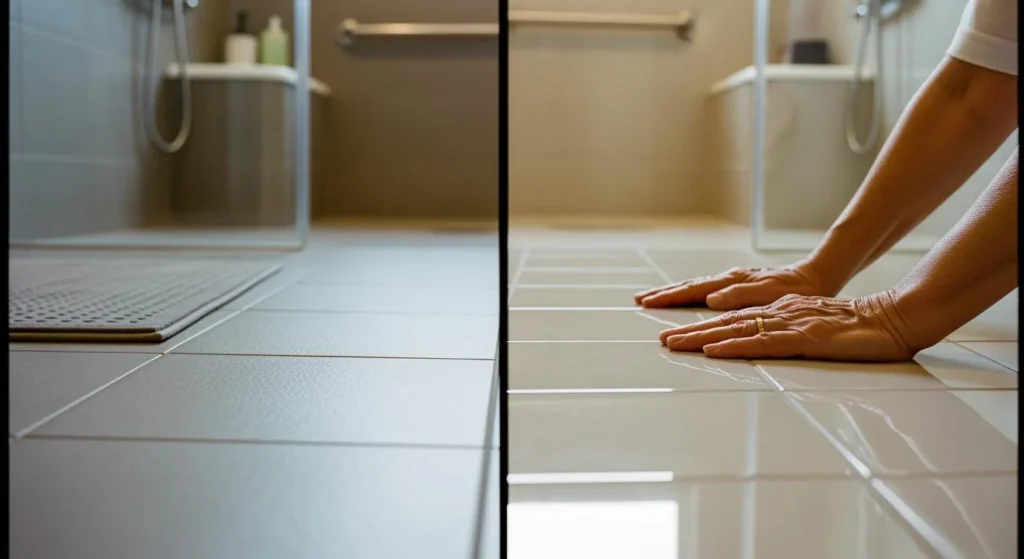
A tile’s water absorption rate matters, but it is not the only thing that keeps you safe. Even if a tile does not soak up water, it can still be slippery if it is too smooth. You need tiles that have both low absorption and a rough surface. This mix gives you grip, even when the floor is wet.
Tip: For wet places, always pick tiles with low absorption and a slip-resistant surface.
Studies show that tiles with bumpy or rough surfaces are less slippery than smooth ones, especially when wet. The surface finish and the right water absorption rate together make the tile safe.
COF Ratings Explained
Specify the relevant absorption and slip methods for the intended use. Low absorption does not establish shower or pool-deck traction.
| Evidence | Scope |
|---|---|
| Absorption | Specified test method and measured value |
| Slip resistance | Relevant method and intended-use category |
| Product conformity | Actual destination and product-scope requirements |
Sibolla Building’s porcelain tiles follow these rules. You get tiles with the right water absorption rate and a safe surface. These tiles work well in wet and busy places, so you do not have to worry and they last a long time.
Water Absorption: Tile Types and Standards
Porcelain vs. Ceramic Tiles
You have to pick between porcelain and ceramic tiles for wet places. Porcelain tiles do not take in much water. This makes them best for showers and kitchens. Ceramic tiles soak up more water. They are better for dry rooms. Look at the table to see the difference:
| Tile Type | Water Absorption Rate |
|---|---|
| Porcelain | 0.5% or less |
| Ceramic | Greater than 0.5% |
Porcelain tiles are called impervious. You can use them in pools, kitchens, and showers. Their low moisture uptake keeps out stains and moisture. Sibolla Building has many porcelain tiles with anti-slip surfaces. These tiles last a long time and keep you safe in damp places.
Industry Standards Overview
ISO, ASTM, Chinese Standards
You must follow rules when picking tiles for wet areas. Groups like ISO, ASTM, and Chinese standards set these rules. They tell you how much water tiles can take in and how slippery they are. The table shows which tiles work for different wet places:
| Tile Category | Water Absorption Rate | Suitability for Wet Areas |
|---|---|---|
| Non-vitreous | More than 7% | Not recommended for wet areas |
| Semi-vitreous | 3% to 7% | Suitable for light moisture, not for constant exposure |
| Vitreous | 0.5% to 3% | Good for moderate moisture environments |
| Impervious | Less than 0.5% | Best for consistently wet spaces like showers and pool decks |
You should pick tiles with a COF rating of 0.60 or more. Tiles with rough or matte surfaces give you better grip. Sibolla Building’s porcelain tiles meet these rules. You can trust them in busy and wet places.
Porcelain tiles are great for places with lots of water. Their low absorption keeps out stains and weather damage. You get strong and safe tiles every time.
Consequences of Incorrect Absorption Rate
If you choose tiles with the wrong absorption rate, you can have problems. High humidity can make tiles bend or sag. Glue may stop working, and mold can grow. These problems cost a lot to fix and can be unsafe.
Bowing or sagging happens when tiles get too wet. This can mean there is a leak or not enough climate control.
You might see cracked tiles, loose tiles after weather changes, stains, slippery floors, and big repair bills.
- Cracked or popped tiles
- Loose tiles after seasonal changes
- Staining and discoloration
- Slippery surfaces
- Costly replacement projects
Bad tiles can also be weak, have thin glaze, and wear out fast. This means you pay more to fix them and they can be dangerous.
| Parameter | Description |
|---|---|
| Body Strength | Weak tile cores make tiles break and are not safe. |
| Glaze Thickness | Thin or uneven glaze makes tiles wear out faster. |
| Wear and Tear | Bad tiles get damaged quickly and cost more to fix. |
You keep your project safe by picking impervious porcelain tiles with the right water absorption rate. Sibolla Building’s tiles help you avoid these problems and last a long time.
Water Absorption: Evaluating Tile Manufacturers
Image Source: pexels
Key Selection Criteria
You need to pick tile makers in Foshan who follow strict rules for wet and slippery places. Look for these important things:
- Porcelain’s low absorption does not make the installed tile assembly waterproof.
- PEI wear rating of 4 or 5 means tiles last in busy spots.
- Slip resistance with an R rating of R11 or more helps stop slips in wet areas.
These features help you avoid cracked tiles, stains, and unsafe floors. Sibolla Building checks every supplier for these things before they suggest tiles for your job.
Tip: Always ask your supplier for technical data sheets and test reports. This lets you make sure the tile works well.
Certifications and Quality Assurance
Certifications show a manufacturer follows world rules. You should look for these marks before you buy:
| Evidence | Scope |
|---|---|
| Absorption | Specified test method and measured value |
| Slip resistance | Relevant method and intended-use category |
| Product conformity | Actual destination and product-scope requirements |
Quality checks help you avoid problems. You can use these steps to make sure the tiles work well:
| Quality Assurance Process | Description |
|---|---|
| Supplier Selection | Picking good suppliers is important for quality. |
| Factory Audits | Audits check if the factory can do the job and is honest. |
| Sampling and Trial Orders | Testing samples and small orders helps find problems early. |
| Quality Control Inspections | Inspections stop surprises and make sure tiles are good before shipping. |
Sibolla Building does audits, tests samples, and checks quality at every step. You get tiles that meet strict rules and avoid big mistakes.
Testing Methods for Slip Resistance
Laboratory and On-Site Testing
You must test slip resistance to keep floors safe in wet places. There are two main ways to check this:
| Evidence | Scope |
|---|---|
| Absorption | Specified test method and measured value |
| Slip resistance | Relevant method and intended-use category |
| Product conformity | Actual destination and product-scope requirements |
You can ask for lab test results or do tests on site. Sibolla Building gives you sample tiles and test reports so you can check before you buy a lot. Audits and checks make sure tiles meet strict rules every time.
Note: Good testing and certifications help you avoid bad tiles and keep your project safe.
Sibolla Building’s way of finding and checking tiles gives you peace of mind. You get tiles that follow world rules and work well in wet, slippery places.
Sourcing Sibolla Building Tile Solutions
Supplier Selection Steps
You must pick the right tile supplier for your job. Sibolla Building makes this easy for you. First, you have a meeting with their team. You tell them about your project. You share things like room size, how wet it gets, and what style you want. The experts at Sibolla Building help you choose the best tile for each room.
| Tile Type | Key Features |
|---|---|
| Vitrified Tiles | Non-porous, strong, and great for wet places. |
| Natural Stone Tiles | Fancy but soaks up water; needs sealing to stay dry. |
| Porcelain Tiles | Takes in little water (less than 0.5%), very strong, good for floors and walls. |
| Ceramic Tiles | Light and cheap, but soaks up more water; best for walls, not wet floors. |
| Mosaic Tiles | Small pieces are easy to put in and have more grip because of many grout lines. |
| Natural Stone Look Tiles | Looks fancy like stone but easier to care for; does not need sealing, good for spa bathrooms. |
You get advice on which tile is best for you. Sibolla Building says porcelain tiles are best for wet rooms. You can also use mosaic tiles for better grip or stone look tiles for a nice style.
Tip: Show your floor plan and talk about wet spots. Sibolla Building will help you pick the right tile for each space.
Quality Assurance and Sample Testing
You want tiles that last long and are safe. Sibolla Building checks every batch to make sure they are good. You get small samples fast. You can try these samples in your own space. You see the color, feel the surface, and check if they are not slippery before you buy.
Sibolla Building uses strong checks for quality. They look at how much water tiles take in, how smooth they are, and if the size is right. You get reports and data sheets. You know the tiles follow world rules.
- You can ask for a small order to test for big jobs.
- You get news and photos every week while tiles are made.
- You do not get surprises because Sibolla Building checks everything.
Note: Trying samples helps you not make mistakes and makes sure the tiles are right for your job.
Logistics and Project Support
You want your tiles to come on time and not broken. Sibolla Building packs and ships the tiles for you. Tiles are wrapped in foam, covered in plastic, and put in wooden boxes with corner guards. This keeps them safe when they travel.
Sibolla Building takes care of shipping everywhere. You get a clear delivery plan and updates on where your tiles are. Your project manager helps with storage, loading, and customs. You get tips on how to put in the tiles and help after you buy.
- You have less risk because you talk to one person.
- You save money because there are no extra sellers.
- You finish your job on time because delivery is smooth.
Sibolla Building helps you from start to finish. They give advice, design, make, pack, ship, and help after you buy. You get good tiles and expert help for every part of your project.
Best Practices for High-Humidity Projects
Tile Selection Checklist
You need a clear checklist when choosing tiles for humid spaces. This helps you avoid mistakes and keeps your project safe. Use this list to guide your decisions:
- Check Water Absorption Rate
Pick tiles with a rate of 0.5% or less. Porcelain tiles work best. - Review Slip Resistance
Look for tiles with a COF rating of 0.60 or higher. Textured or matte finishes give better grip. - Request applicable declarations and model-specific test evidence rather than a generic bundle of CE, CCC and ISO certificates.
- Request Samples
Test samples in your space. Check color, texture, and slip resistance. - Confirm Packaging and Delivery
Make sure tiles come in foam-lined crates with corner guards. This prevents damage during shipping.
Tip: Share your floor plan and wet area details with Sibolla Building. Their experts help you match the right tile to each space.
Long-Term Maintenance Tips
You keep tiles looking new with simple care steps. Clean tiles often to stop mold and stains. Use a pH-neutral detergent and a microfiber mop. Rinse well after cleaning. Refresh grout sealer once a year. Avoid harsh acids and rough tools.
| Maintenance Task | Frequency | Purpose |
|---|---|---|
| Tile Cleaning | Weekly | Removes dirt and germs |
| Grout Sealing | Yearly | Blocks moisture |
| Inspection | Quarterly | Finds cracks or chips |
Note: Sibolla Building gives you clear cleaning guides and support. You get advice for every tile type.
Continuous Quality Monitoring
You protect your project by checking tile quality over time. Inspect tiles for cracks, chips, or stains. Look at grout lines and corners. Use simple tools to test slip resistance. Keep records of inspections and repairs.
- Set a schedule for regular checks.
- Record any problems and fix them fast.
- Contact Sibolla Building for replacement tiles or advice.
Alert: Ongoing support from Sibolla Building helps you solve issues quickly. Their after-sales team stays ready to assist with maintenance and quality checks.
You follow these best practices to keep your tiles safe, clean, and strong. Sibolla Building supports you from selection to after-sales care. You get expert help for every step of your high-humidity project.
Select tiles by application-specific absorption, slip performance and durability evidence. Confirm substrate, waterproofing, drainage and maintenance separately.
Tip: Tell Sibolla Building about your project so you get expert help and tiles that last.
Water Absorption and Slip Resistance FAQ
Compare actual quotations and project records before claiming a percentage improvement.
Look for the COF (Coefficient of Friction) rating. A COF of 0.60 or higher means the tile is safer for wet areas. You can also request slip-resistance test reports from your supplier.
You can use ceramic tiles on walls in these areas. For floors, porcelain tiles work better because they absorb less water and offer more slip resistance.
Sibolla Building packs tiles with foam, shrink-wrap, and wooden crates with corner guards. This packaging protects tiles from chips or cracks during shipping.
Clean tiles weekly with a pH-neutral detergent and a microfiber mop. Rinse well. Reseal grout once a year. Avoid harsh chemicals or rough tools.
Yes! You can request custom sizes, shapes, or Pantone color matching. Sibolla Building offers factory pre-cutting and glazing to fit your design needs.
Ask for current sample, production and shipment lead times; a 48-hour sample or four-week production promise is not established for every order.
You can reach Sibolla Building’s after-sales team for support. They provide cleaning guides, replacement tiles, and advice for any issues you face.
References and Sources
Sources checked on 27 September 2026. Apply each standard within its stated scope and verify current requirements for the project destination.