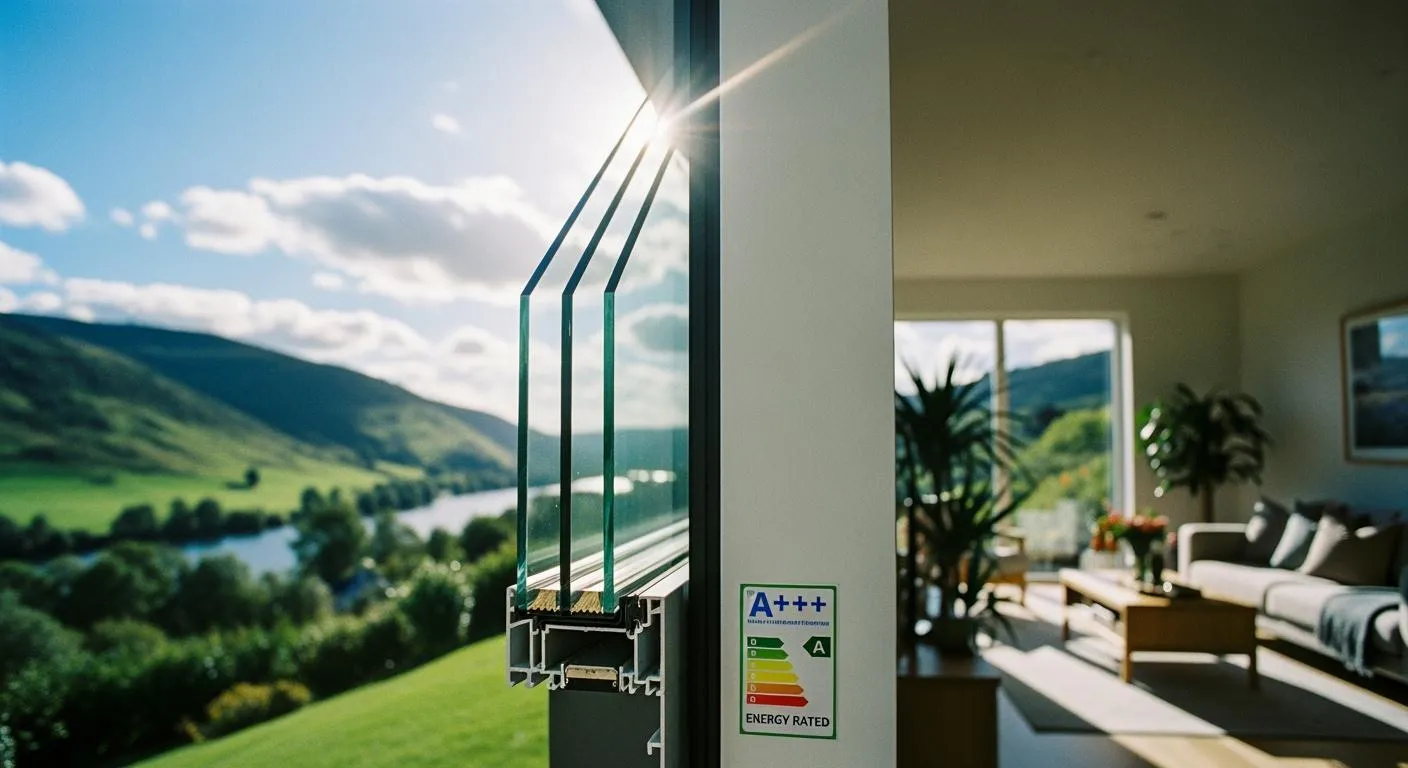
Triple-pane windows can help meet demanding thermal targets, but energy codes generally regulate performance rather than mandate three panes everywhere. I check the adopted code, climate and whole-window ratings before recommending a glazing package. See Sibolla Building for related project options. [1]
Key Takeaways
- Confirm the adopted energy code and project-specific U-factor and SHGC limits. Compare compliant configurations using whole-window ratings, installation details and lifecycle cost.
2026 Energy Code Changes
Image Source: pexels
New Window Standards
Identify the adopted jurisdiction, edition, climate zone and building type before selecting window performance targets.
- U-Factor: This shows how well a window keeps heat inside. Lower numbers mean better insulation.
- Solar Heat Gain Coefficient (SHGC): This tells you how much heat from the sun comes through the window. Lower numbers help keep your building cooler.
There is no single worldwide 2026 window limit or universal triple-pane requirement. Check the actual code and compliance path, with clearly stated U-factor units and SHGC targets.
Tip: When you choose windows, always check both the U-factor and SHGC. These numbers help you meet the new codes and save energy.
Key Differences from Past Codes
You may wonder how the 2026 standards compare to older rules. The new codes push for better performance in three main areas. The table below shows what you need to know:
| Metric | Description | Impact |
|---|---|---|
| U-factor | Measures heat transfer through the window | Lower values mean better insulation and more energy savings |
| SHGC | Shows how much solar heat enters | Lower values keep buildings cooler in hot climates |
| Air Leakage | Measures air passing through the window | Lower values mean fewer drafts and more comfort |
In the past, double-pane windows often met code. Now, you need triple-pane windows to reach the lower U-factor and SHGC. You get better insulation, less heat gain, and fewer drafts. This change helps you lower energy bills and improve comfort.
Implementation Timeline
California’s 2025 Energy Code applies to permit applications from 1 January 2026. This is not a worldwide effective date; confirm the rules for the actual project jurisdiction. [2]
- The new codes start January 1, 2026.
- All permit applications from this date must use the new window standards.
- Early planning helps you stay on schedule and avoid extra costs.
You can meet the new requirements by choosing triple-pane windows for your next project. This step ensures you pass inspections and enjoy long-term energy savings.
Why Triple-Pane Windows Are Needed
Meeting Energy Targets
Three-pane glazing is one way to reduce heat transfer. Assess the complete frame, spacer, coatings and installation before deciding whether it is necessary or offers value for the climate.
Specify Low-E coatings for the intended solar and thermal performance. Pane count alone does not establish UV protection, net-zero readiness or code compliance.
Note: Picking the right windows now saves you money later. You make your project ready for the future.
Double-Pane vs. Triple-Pane
You might ask if double-pane windows are enough. Before, double-pane windows passed most energy codes. The 2026 rules are harder to meet. Double-pane windows often cannot reach the low U-factor and SHGC needed. Triple-pane windows are much better.
| Feature | Double-Pane Windows | Triple-Pane Windows |
|---|---|---|
| Insulation Value | Good | Excellent |
| U-Factor | 0.30–0.35 | 0.20–0.28 |
| SHGC | 0.25–0.30 | 0.23 or lower |
| Noise Reduction | Moderate | High |
| Comfort Level | Standard | Superior |
Triple-pane windows give you better insulation and comfort. They help you follow the new codes and make indoor air better. You also get quieter rooms and steady temperatures. These things make triple-pane windows a smart choice for any building.
Sibolla Building has many high-performance doors and windows for energy codes. You can pick options that fit your project. The products have thermally broken frames, Low-E glazing, and tight seals. These features make them work well. You get help from design to installation, so the upgrade is easy and smooth.
Request model- and configuration-specific ratings and have the project designer confirm code compliance.
Benefits of Triple-Pane Windows
Image Source: pexels
Energy Efficiency
Lower Utility Costs
You want to spend less on energy bills. Triple-pane windows help because they insulate well. They stop heat from moving in or out. Your heater and air conditioner do not work as much. This saves you money every month. The table below shows yearly savings for different climates:
| Condition | Savings assessment |
|---|---|
| Cold climate | Compare heating load, window area and existing performance |
| Mixed climate | Evaluate heating and cooling effects together |
| Warm climate | Check solar heat gain and cooling demand rather than pane count alone |
You save the most in cold or moderate places. Sibolla Building’s doors and windows use special Low-E glass and strong frames. These features help you get the lowest U-values. You get the best energy results for your project.
Environmental Impact
You help the planet when you pick good windows. Triple-pane windows have low U-values. This means less heat leaves your building. You use less energy to heat or cool your space. Using less energy makes fewer carbon emissions. The table below shows how window types change emissions:
| Window Type | U-value | Impact on Carbon Emissions |
|---|---|---|
| Single-glazed | High | Loses lots of heat, makes more emissions |
| Double-glazed | Moderate | Needs less energy for heating and cooling |
| Triple-glazed | Low | Uses even less energy and lowers emissions |
Sibolla Building’s products help you build greener and support a better future.
Comfort and Quiet
Noise Reduction
Acoustic performance depends on glass thickness, asymmetry, interlayers, air spaces and installation. Compare tested whole-window acoustic ratings rather than assuming a fixed percentage improvement from a third pane.
Stable Indoor Temperatures
You want rooms to stay the same temperature. Triple-pane windows cut heat loss and drafts. They keep your home warm in winter and cool in summer. You do not feel hot or cold spots near windows. This makes your space comfortable all year. Sibolla Building’s tight seals and careful engineering help keep your indoor climate steady.
Home Value
Do not assume a universal resale return for window upgrades. Compare installed cost, comfort requirements, service life and actual operating savings.
Tip: Buying high-performance windows gives you lower bills, more comfort, and a better resale price.
Risks of Non-Compliance
Inspection Failures
You will have tough inspections when you build or fix a building. Inspectors look at every window to see if it follows the 2026 energy codes. If your windows do not have the right U-factor or SHGC, you might not pass. If you fail, your project stops until you fix the problem. This can mess up your schedule and make everyone stressed. You may have to take out and put in new windows, which means more work and money. If your project does not pass, clients or investors might not trust you anymore.
Note: Passing inspections the first time helps your project stay on track and keeps your good name.
Higher Costs
If your windows do not follow the rules, you will pay more money. You get fined for each window or door that does not meet the code. If your project has homes for older people or those at risk, the fines are much higher. The table below shows what you might pay:
| Potential consequence | Project-specific review |
|---|---|
| Rejected submittal or correction | Confirm the authority’s requirements and remedy |
| Rework and delay | Estimate using the actual scope and contract |
| Enforcement | Seek jurisdiction-specific advice; no universal fine is quoted here |
You also pay for workers and supplies to change the windows. Delays can make you miss deadlines, and you might have to pay extra fees. Fixing mistakes costs more than picking the right windows at the start. Sibolla Building can help you avoid these problems by giving you windows that follow all the rules.
Legal and Insurance Issues
Non-compliant or unapproved work may create contractual, regulatory or insurance issues. Discuss the specific installation with the authority, adviser and insurer; coverage is not automatically void in every case.
| Issue | Action |
|---|---|
| Compliance gap | Review the relevant approval and correction process |
| Safety issue | Obtain a qualified assessment |
| Insurance condition | Check the actual policy and disclose relevant work |
You can protect yourself by using windows that follow all the codes. This helps you stay out of legal trouble and keeps your insurance. Sibolla Building gives you advice and windows that meet the rules, so you do not have these risks.
Tip: Getting triple-pane windows now helps you avoid big fines, delays, and legal problems later.
Selecting Triple-Pane Windows for Code Compliance
Understanding Ratings
You need to know what makes a window meet the 2026 energy codes. Start by looking at the ratings. The two most important numbers are the U-value and the SHGC. The U-value tells you how well a window keeps heat inside. Lower U-values mean better insulation. The SHGC shows how much heat from the sun gets through the window. Lower SHGC values help keep your building cool in summer.
You should also check for special features. Triple-pane windows use three layers of glass. They often have Low-E coatings that reflect heat. Good window frames and spacer bars help stop heat from leaking out. The table below shows what to look for:
| Criteria | Description |
|---|---|
| U-Value Ratings | Shows how well a window keeps heat inside. Lower is better. |
| Glazing | Double or triple glazing gives better insulation than single glazing. |
| Low-E Coatings | Reflect heat in winter and block heat in summer. |
| Window Frames | Materials like vinyl or aluminum with thermal breaks lower heat loss. |
| Spacer Bars | Warm-edge spacers cut down on heat transfer at the glass edge. |
You should match your window ratings to your climate. In cold places, pick windows with a low U-value. In hot places, choose a low SHGC. If you live in a mixed climate, find a balance. The direction your windows face and how much shade they get also matter.
Tip: Always check for certifications from trusted groups. These show the windows have been tested and meet the rules.
Working with Sibolla Building
You want windows that fit your project and meet the new codes. Sibolla Building gives you many choices. You can pick the size, style, and hardware you need. The team helps you from the first design to the final installation. You get support with engineering, measurements, and code compliance.
Sibolla Building’s doors and windows use high-strength frames, Low-E glass, and tight seals. These features help you reach the U-value and SHGC targets. You can choose thermally broken aluminum, wood, or custom systems. The company also offers warm-edge spacers and integrated blinds. You get windows that look good and work well for your climate.
Agree surveying, drawings, product evidence and installer responsibilities in writing. Technical support does not guarantee an inspection outcome.
Budgeting for Upgrades
Obtain matched quotations for the same sizes, frame, glazing, performance and installation scope. Retail averages are not a project budget.
Assess the extra installed cost against the actual climate, operating costs and performance need. Avoid universal per-window prices or payback assumptions.
Note: Investing in high-performance windows now helps you avoid fines, delays, and extra costs later. Sibolla Building can help you find the right solution for your budget and project needs.
Steps to Ensure Compliance
Assessing Current Windows
Confirm the locally adopted energy code and model-specific evidence before approving the window package.
- Make a list of windows in every room.
- Write down if the window is single, double, or triple-pane.
- Notice any damage or leaks.
- Measure the window size and what the frame is made of.
- Look for energy labels or ratings.
If you find old or broken windows, plan to replace them. You can ask an expert to test the U-value and SHGC. This helps you know which windows need to be changed.
Tip: Checking your windows early helps you avoid surprises and keeps your project moving.
Planning Upgrades
Make a plan before you start changing windows. Think about what your building needs and how much money you have. Decide when you want to do the upgrades and how they fit with other work. Try these ideas:
- Change windows if you want to save energy or need to follow new codes.
- Wait to upgrade if you need more time to plan or test.
- Replace all windows if most are old or broken.
- Do upgrades in steps if you want to spread out the cost.
You can also pick different ways to manage your project. Some people use their own team, and others get help from outside. Check your rules to make sure you balance cost, safety, and getting new materials. If your building needs special windows, work with a company that can help.
Sibolla Building can help you with every part of the project. The team gives you advice, helps you design, and makes a plan. You get help picking windows, making a budget, and setting a schedule. This makes your upgrades easy and fast.
Note: Having a good plan helps you finish on time and not spend too much.
Staying Updated
Keep learning about new codes and window products. Rules can change, and new windows come out often. Sign up for news from trusted places. Go to events or watch webinars to learn more. Check your compliance list every year.
Sibolla Building gives you updates and support. The team tells you about new rules, materials, and tips for installing windows. You can ask for help any time during your project. Working together helps your building stay efficient and follow the rules.
Tip: Learning about changes helps protect your building and makes sure you do well for a long time.
Quick Compliance Checklist:
- Check all your windows.
- Write down ratings and how they look.
- Make a plan for upgrades based on your needs and money.
- Ask Sibolla Building for expert help.
- Keep up with code changes.
You can follow the rules by doing these steps and working with someone you trust. This way, your project stays on time and ready for what comes next.
You have to follow new energy code rules. Triple-pane windows help you meet these rules and make your building more comfortable. If you start early, you have more time to plan and save money. Get help from trusted companies like Sibolla Building. First, set your energy goals. Check your electrical system and look at your building’s outside walls. Pay attention to air sealing, insulation, and using high-performance windows. Talk to your utility company about rebates. Figure out what you need now so you do not have expensive delays later.
Triple-Pane Windows FAQ
A triple-pane window uses three layers of glass with two air spaces. You get better insulation and noise reduction. This design helps you meet strict energy codes.
You must upgrade any window that does not meet the new U-factor and SHGC requirements. You can keep compliant windows. An expert can help you check each window.
Triple-pane windows lower your heating and cooling costs. You use less energy because these windows keep indoor temperatures stable. Over time, you save money every month.
You invest more upfront, but you gain long-term savings. You also increase comfort and property value. Many homeowners see a return through lower bills and higher resale prices.
Yes, you can choose sizes, styles, and hardware. Sibolla Building offers custom solutions to match your design and performance needs. You get windows that fit your project perfectly.
Check the window’s label for U-value and SHGC ratings. Look for values at or below 0.30 (U-factor) and 0.23 (SHGC). Certified products make compliance easier.
Sibolla Building provides expert support from design to installation. You get help with product selection, engineering, and code compliance. Visit Sibolla Building’s website for more information.
References and Sources
- U.S. DOE — Whole-window energy performance and climate-based selection
- California Energy Commission — 2025 Energy Code effective date
Sources checked on 27 September 2026. Apply each standard within its stated scope and verify current requirements for the project destination.