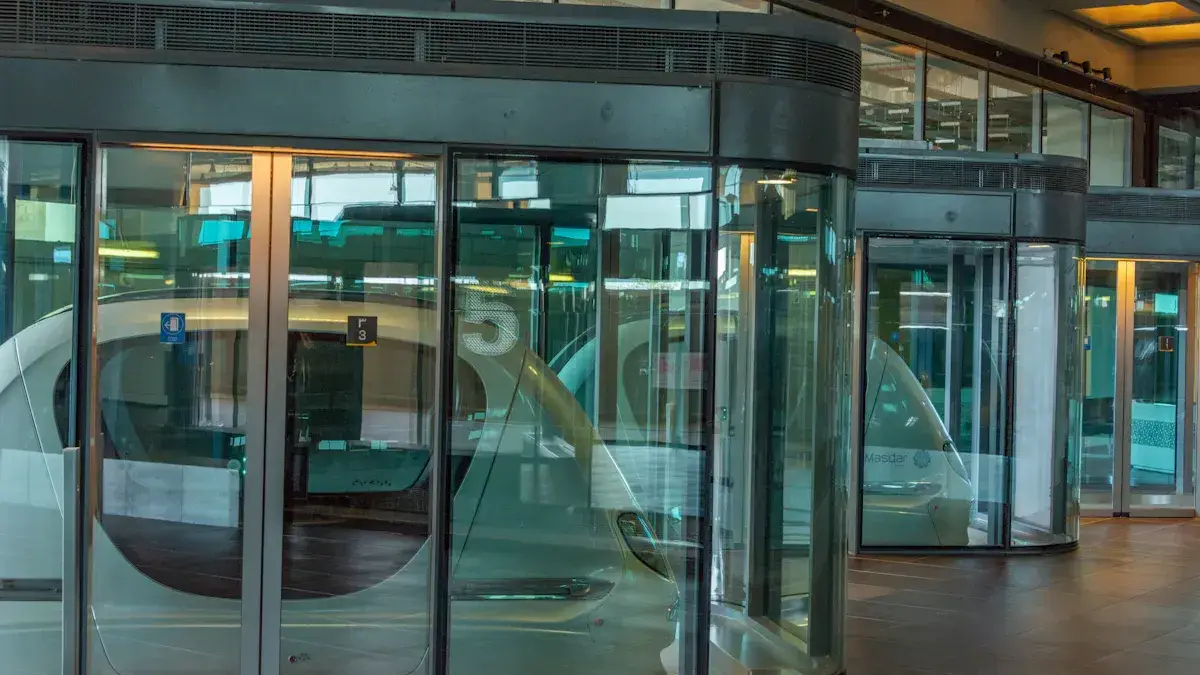
For sliding glass doors, verify the applicable ENERGY STAR Most Efficient recognition year and listed model. A single U-factor and SHGC pair is not a universal requirement for every climate. I compare the whole-door rating and configuration with the project brief.
Image Source: pexels
- Assess potential savings using the actual building and replacement baseline.
- Have a more comfortable indoor temperature all year
- Help make the environment better
Sibolla Building gives you advanced doors and windows. These products help you reach or beat these efficiency goals. They are a smart pick for homeowners, builders, and renovators.
Key Takeaways
- Check the whole-door U-factor against the applicable recognition criteria and project target. [1]
- Select SHGC for the climate and orientation; a lower value is not always preferable in heating climates.
- Compare actual quotations and project records before claiming a percentage improvement.
- Check for certification labels on the doors. This shows they meet tough energy rules and gives you peace of mind.
- Look for rebates and tax credits to help pay for ENERGY STAR Most Efficient doors. This can make upgrading less expensive.
- Clean the tracks and check the seals often. This helps your sliding glass doors last longer and work better.
- Sibolla Building has options you can change to fit your energy needs and style.
- Keep learning about new ENERGY STAR rules. This helps you pick the best doors for your home and save energy.
ENERGY STAR Most Efficient Criteria for Sliding Glass Doors
Image Source: unsplash
What Makes a Door Most Efficient?
Most Efficient recognition and standard ENERGY STAR certification have different requirements. Confirm the recognition year, product type, climate criteria and exact listed model before specifying the label.
When you choose a door that meets these criteria, you get more than just a label. You get a door that helps lower your energy bills, keeps your rooms at the right temperature, and protects your furniture from fading. These doors also help your heating and cooling system work less, which can make your home quieter and more comfortable.
Key Metrics: U-Factor and SHGC
U-Factor Explained
U-factor measures heat transfer; lower whole-door values indicate better insulation. State the units and compare with the applicable criteria instead of assuming a universal 0.21 threshold.
| Metric | Description | Impact on Energy Efficiency |
|---|---|---|
| U-Factor | Measures the rate of heat transfer | Lower values reduce heat loss in winter |
A door with a low U-Factor helps you stay warm in cold weather and cool in hot weather. It also reduces the work your heater and air conditioner need to do.
SHGC Explained
SHGC is the fraction of incident solar energy admitted through the product. Select it for the climate, orientation and applicable recognition criteria rather than assuming every project needs 0.21 or less.
| Metric | Description | Impact on Energy Efficiency |
|---|---|---|
| SHGC | Indicates solar heat gain | Lower values minimize heat gain in summer |
Lower SHGC can reduce cooling demand in sunny conditions. It does not measure UV transmission; request separate glazing information where fade protection matters.
Compare actual tested ratings and building loads. A low U-factor and SHGC do not establish a fixed percentage reduction in energy use.
Additional Requirements
Air Leakage
ENERGY STAR Most Efficient sliding glass doors must also control air leakage. This means the door should not let drafts in or out. Good air-leakage control keeps your indoor air clean and stops energy from escaping. It also helps your heating and cooling system work better.
Visible Transmittance
Visible transmittance measures how much natural light comes through the glass. While the main focus is on saving energy, you also want a door that lets in enough daylight. The best sliding glass doors balance energy savings with bright, pleasant rooms.
Check the exact product listing and applicable year’s recognition criteria. Confirm structural, water, safety and installation requirements separately; an energy label is not a universal approval.
How ENERGY STAR Most Efficient Criteria Are Set
EPA and Industry Standards
You might wonder who decides what makes a sliding glass door truly efficient. The Environmental Protection Agency (EPA) leads this process. The EPA works with experts from the building industry, energy labs, and manufacturers. They look at the latest research and technology. The EPA sets the rules so you can trust the label on your door.
The EPA uses these steps:
- Studies new building materials and glass technology
- Checks how doors perform in real homes
- Talks with builders, engineers, and scientists
You get doors that meet high standards because the EPA uses real data and expert advice. This helps you save energy and money.
Annual Review Process
The rules for ENERGY STAR Most Efficient do not stay the same every year. The EPA reviews the criteria each year. They look at new products and new science. If better doors come out, the EPA can make the rules tougher.
Here is what happens each year:
- The EPA collects feedback from builders, homeowners, and scientists.
- They study how well current doors perform.
- They check if new technology can help save more energy.
- They update the criteria if needed.
Note: You should always check the latest requirements before you buy or install a new sliding glass door. This way, you know your choice meets the most up-to-date standards.
Role of Testing and Certification
You need to know that every door with the ENERGY STAR Most Efficient label goes through strict testing. Independent labs test these doors. They measure how much heat passes through, how much sunlight gets in, and how well the door blocks air leaks.
The process includes:
- Sending door samples to certified labs
- Using special machines to test insulation and sunlight control
- Checking for air leaks and strong seals
After testing, the door gets a label if it passes. This label shows you the door meets all the rules. You can trust that the door will help you save energy and keep your home comfortable.
Testing and Certification Process
Laboratory Testing Steps
Energy certification uses the applicable rating and certification procedures. Project structural, water and safety requirements need separate evidence where relevant.
| Rating or Performance Check | Description |
|---|---|
| U-Factor | Measures the rate of heat transfer through the door. |
| SHGC | Shows how much solar radiation the door lets inside. |
| Air Tightness | Checks air leakage; verify the applicable rating or test report. |
| Water Tightness | Separate test of resistance to rain and water penetration. |
| Wind Resistance | Separate test of resistance to wind pressure. |
Distinguish energy ratings from air, water and structural tests. Verify which reports apply to the actual configuration rather than assuming one label covers all tests.
Certification Labels and What They Mean
After testing, you will see a label on the sliding glass door. This energy label indicates that the listed door meets the applicable energy-efficiency requirements. Here is what the label means:
| Evidence | Scope |
|---|---|
| ENERGY STAR or Most Efficient listing | Applicable energy-program requirements |
| NFRC rating | Specified thermal and solar performance |
| Other project reports | Separately verified structural, air, water or safety requirements |
Match the exact listed model and configuration to the order. An energy label does not prove every durability, safety or project requirement.
Tip: Always look for the certification label before you buy. This label gives you peace of mind and helps you make a smart choice.
How Sibolla Building Ensures Compliance
Ask Sibolla which rated configurations and reports are available for the proposed sliding glass doors. Verify the manufacturer, model, size range and glazing package.
Keep the applicable energy listing with model-specific submittals. The designer should confirm destination code and project requirements before approval.
Sibolla Building Doors and Windows for ENERGY STAR Most Efficient Projects
Discuss available frame, glazing and hardware options with the supplier. Confirm performance evidence before claiming ENERGY STAR certification or Most Efficient recognition.
Product Features Supporting Efficiency
Thermally Broken Frames
Thermally broken frames stop heat from moving through the door frame. This design puts a barrier between inside and outside parts. You get better insulation. Your home stays warmer in winter and cooler in summer. These frames also cut down on condensation and help doors last longer.
Low-E Glazing and Insulation
Low-E glazing uses a thin, invisible coating on the glass. This coating sends heat back into your home in winter and blocks extra solar heat in summer. You feel more comfortable and pay less for energy. The insulation in Sibolla Building doors and windows also blocks noise and keeps your indoor space quiet.
Custom Solutions for Projects
Every building is unique. Sibolla Building lets you customize sliding glass doors and windows. You can match your project’s needs for energy savings, style, and function. Here is how Sibolla Building makes solutions for you:
| Customization Aspect | Description |
|---|---|
| Structural Layouts and Profiles | Made to fit building type and performance targets for best energy efficiency. |
| Frame Depths and Profiles | Picked for different wall types and insulation levels to boost energy performance. |
| Opening Types | Choices for casement, tilt-turn, sliding, or fixed units to fit room needs. |
| Mullion Layouts | Changed to balance daylight, views, and wind load for each project. |
| Whole-Home Energy Solutions | Packages that include all windows and doors for better comfort and efficiency. |
| Glass Types and U-Factor/SHGC Targets | Glass matched to climate zones for better energy performance. |
| Design Preferences | Custom colors, finishes, and hardware to match project style and branding. |
| Brand Elements | Add logos or brand marks on glass and hardware for a unified look. |
You can pick the right frame depth, glass type, and opening style. You can also choose colors and finishes that fit your design. Sibolla Building helps you make a solution that works for your climate and building style.
Quality Control and Global Delivery
Agree inspection, packing, shipping, installation and document coordination responsibilities for the project. Check the product test reports against the actual door configuration and destination requirements.
Tip: If you work with Sibolla Building, you get one contact for your whole project. This makes your job easier and helps you avoid delays.
Ask for the applicable model listing and complete project submittal before relying on an efficiency claim.
Practical Benefits for Homeowners and Builders
Image Source: unsplash
Energy and Cost Savings
Estimate operating savings using the building’s actual baseline, climate and energy costs. Do not treat an energy-program designation as a fixed bill saving or resale-value guarantee.
Here is how these doors help you save:
- Lower utility bills every month
- Less work for your heater and air conditioner
- Fewer repairs and lower maintenance costs
Tip: If you pick efficient doors, you will pay less for repairs. You also get more comfort for less money.
Comfort and Indoor Environment
You want your home to feel good in every season. Sliding glass doors with strong insulation keep rooms warm in winter. They keep rooms cool in summer. You do not feel cold drafts or hot spots. These doors also block noise from outside. Your home stays quiet and peaceful. You get more sunlight, but your rooms do not get too hot. The glass blocks harmful UV rays. This keeps your floors and furniture from fading.
A comfortable home helps you relax and enjoy your space. You breathe cleaner air because the doors stop dust and pollen. Builders use these doors to make homes bright and welcoming. Renovators can change old doors to make homes more comfortable and healthy.
| Benefit | How It Helps You |
|---|---|
| Better insulation | Keeps rooms at steady temperature |
| Noise reduction | Makes home quieter |
| UV protection | Stops furniture from fading |
Sustainability and Green Building
You help the planet when you pick ENERGY STAR Most Efficient sliding glass doors. These doors use less energy, so they lower greenhouse gas emissions. Your heater and air conditioner do not have to run as much. This means less fossil fuel is used, and your home has a smaller carbon footprint.
- Energy-efficient sliding glass doors help cut greenhouse gas emissions by using less energy.
- They lower the need for heating and cooling, so less fossil fuel is burned.
- This makes your home’s carbon footprint smaller.
You support green building when you use efficient doors. Builders and homeowners can earn points for green certifications. You show you care about the planet and future generations. Some cities and states give rewards for green building choices. Your home or project stands out as eco-friendly.
Note: Sustainable doors help you save energy and protect the planet at the same time.
Incentives and Rebates
Check current local programmes and eligibility before including an incentive in the budget. A recognised product does not guarantee a rebate.
Programme rules vary by location, installation date, income and product. Confirm whether support is available and whether incentives may be combined.
Here is a table that lists some common incentives and rebates you can get:
| Programme | Current planning check |
|---|---|
| Federal Section 25C | IRS states the credit is unavailable for property placed in service after 31 December 2025 [2] |
| State or utility programme | Check current funding, location, product and application conditions |
| Project finance | Budget without an unconfirmed rebate until eligibility is established |
The federal Energy Efficient Home Improvement Credit under Section 25C is unavailable for property placed in service after 31 December 2025. Do not budget a 2032 credit for a new 2026 door installation.
Ask the relevant utility for its current eligible products, application deadline and payment rules. Do not assume a fixed rebate applies to sliding doors.
State-administered programmes have their own rollout, eligibility and covered measures. Verify the current local rules; a sliding door purchase is not automatically an eligible measure.
Local utility companies also have their own rebates. For example, in South Carolina, some companies give you cash back for ENERGY STAR window upgrades. You can check with your local utility to see what you can get in your area.
Tip: Always ask your installer or contractor about the latest rewards before you start your project. You might be able to get more than one rebate or credit.
Compare the installed cost with confirmed incentives and estimated operating savings. State assumptions and avoid promising a universal payback.
Choosing ENERGY STAR Most Efficient Sliding Glass Doors
Comparing Most Efficient vs. Standard ENERGY STAR
When you shop for sliding glass doors, you might see two labels. One is standard ENERGY STAR, and the other is ENERGY STAR Most Efficient. Both types help you use less energy at home, but they are not the same. Standard ENERGY STAR doors follow basic rules for saving energy. ENERGY STAR Most Efficient doors do even more. They use new technology to give you better insulation and block more sunlight. These doors have tougher rules for U-Factor and SHGC. This means your home stays comfortable in every season.
If you want to save the most energy, pick doors with the ENERGY STAR Most Efficient label. These doors can lower your heating and cooling bills more than regular ENERGY STAR doors. You also get extra comfort and better protection from drafts and sunlight.
Selecting the Right Door for Your Project
You need to think about a few things before you choose a sliding glass door. Every project is different. Your weather, your house style, and your energy goals all matter. Look at this table to see what you should check:
| Performance Factor | Description | Importance |
|---|---|---|
| U-Factor | Measures insulation; lower values indicate better insulation. | Essential for energy efficiency. |
| Solar Heat Gain Coefficient (SHGC) | Measures how much heat enters; lower values keep homes cooler. | Important for climate control. |
| Air Leakage | Indicates how tightly the door seals; less leakage means better efficiency. | Critical for reducing drafts. |
Pick a door that matches your local weather. If you live where it is cold, a low U-Factor is very important. In hot places, a low SHGC helps keep your home cool. Air leakage is important everywhere. A tight seal keeps out drafts and dust.
Your climate also changes how much money you save. Here is a table that shows how different climates affect your energy savings:
| Climate Type | Energy Savings Potential |
|---|---|
| Extreme Climates | Greater savings due to larger temperature differentials |
| Cold Climates | Substantial winter heating savings |
| Hot Climates | Reduced cooling costs |
| Mixed Climates | Balanced year-round savings through heating and cooling load reductions |
| Moderate Climates | Smaller but significant energy improvements |
You get the best value when you pick a door that fits your area. Sibolla Building can help you choose the right features for your project.
Tip: Always look at the U-Factor, SHGC, and air leakage numbers before you buy. These numbers tell you how well the door will work in your home.
Installation and Support from Sibolla Building
You want your new sliding glass door to work well. Good installation is very important. Sibolla Building helps you at every step. The team helps with site checks, measuring, and picking the right options. You get clear instructions and help from trained installers. If you have questions after your door arrives, Sibolla Building gives you quick support and a warranty.
Agree the actual document, delivery and support scope. Neither supplier paperwork nor an energy label guarantees incentive eligibility or customs clearance.
Note: Good installation and support help your door last longer and save more energy.
Common Challenges and Solutions
Installation Best Practices
You may face a few challenges when installing ENERGY STAR Most Efficient sliding glass doors. Knowing these issues helps you get the best results. Here are some common problems and how you can solve them:
- Sticking Doors: Dirt or worn rollers often cause sliding doors to stick. You should clean the tracks and replace the rollers if they look worn out. This keeps your door moving smoothly.
- Drafts: Drafts usually happen when weather-stripping wears out or the door is not lined up right. You can check the weather-stripping and replace it if needed. Adjusting the door alignment also helps stop drafts.
- Have cracked or damaged glazing assessed by a qualified professional. Do not propose an improvised repair to safety glass or a failed insulating-glass unit.
Tip: Always follow the manufacturer’s instructions during installation. If you are not sure, ask a professional installer for help.
Maintenance and Longevity
You want your sliding glass doors to last a long time and work well. Regular care makes a big difference. Here are some simple steps you can follow:
- Clean the glass with a mild detergent or glass cleaner. Wipe the tracks to remove dirt and dust.
- Lubricate only the components and surfaces identified in the manufacturer’s instructions, using the specified product.
- Check the seals and weather-stripping often. Replace them if you see any wear or damage. Good seals keep your home energy efficient.
- Inspect the hardware, like handles and locks. Tighten loose screws and replace any worn parts.
Keeping up with these tasks helps your doors stay efficient and look new for years.
Upgrading Existing Doors
If you want to upgrade your old sliding glass doors, you need to plan carefully. Here are the key steps:
- Check the energy ratings on your current doors. Look for the National Fenestration Rating Council (NFRC) label. This label shows the U-Factor, SHGC, and Visible Transmittance (VT).
- Inspect the door frame for problems. Look for rot, warping, or pest damage. A strong frame is important for a good upgrade.
- Find a qualified contractor. Read reviews, check their credentials, and get more than one estimate. A skilled installer helps you get the best results.
Upgrading to ENERGY STAR Most Efficient sliding glass doors can make your home more comfortable and lower your energy bills. Careful planning and the right help make the process smooth and successful.
Use the exact listed product and project requirements for the decision. Verify recognition, installed performance and any current incentive before purchase.
| Decision area | Check |
|---|---|
| Energy performance | Applicable recognition year and whole-door ratings |
| Incentives | Current eligibility, not a promised tax credit |
| Project approval | Separate structural, safety and installation requirements |
| Value | Actual quotation and operating assumptions |
Sibolla Building gives you expert help and custom choices. First, check your doors now, make a plan to upgrade, and contact Sibolla Building for support.
FAQ
ENERGY STAR Most Efficient doors meet stricter standards than regular ENERGY STAR doors. You get better insulation and more energy savings. Look for the Most Efficient label if you want top performance.
Check the certification label on your door. It should show ENERGY STAR Most Efficient. Ask your installer or visit your local utility’s website for rebate details.
Yes! Sibolla Building lets you choose custom sizes, colors, and hardware. You can match your door to your home’s design and energy needs.
Installation time depends on access, opening preparation, size and finishing work. Ask the installer for a project-specific programme.
Suitability depends on the rated configuration, climate, orientation and local requirements. Compare those conditions before specifying a model.
Clean the glass and tracks regularly. Check seals and weather-stripping for wear. Lubricate moving parts. These steps keep your door working well for years.
Contact Sibolla Building for expert advice. The team helps you pick the best door for your climate, style, and budget.
References and Sources
- EPA ENERGY STAR — Product criteria and climate-specific performance
- U.S. IRS — Energy Efficient Home Improvement Credit termination
Sources checked on 27 September 2026. Apply each standard within its stated scope and verify current requirements for the project destination.