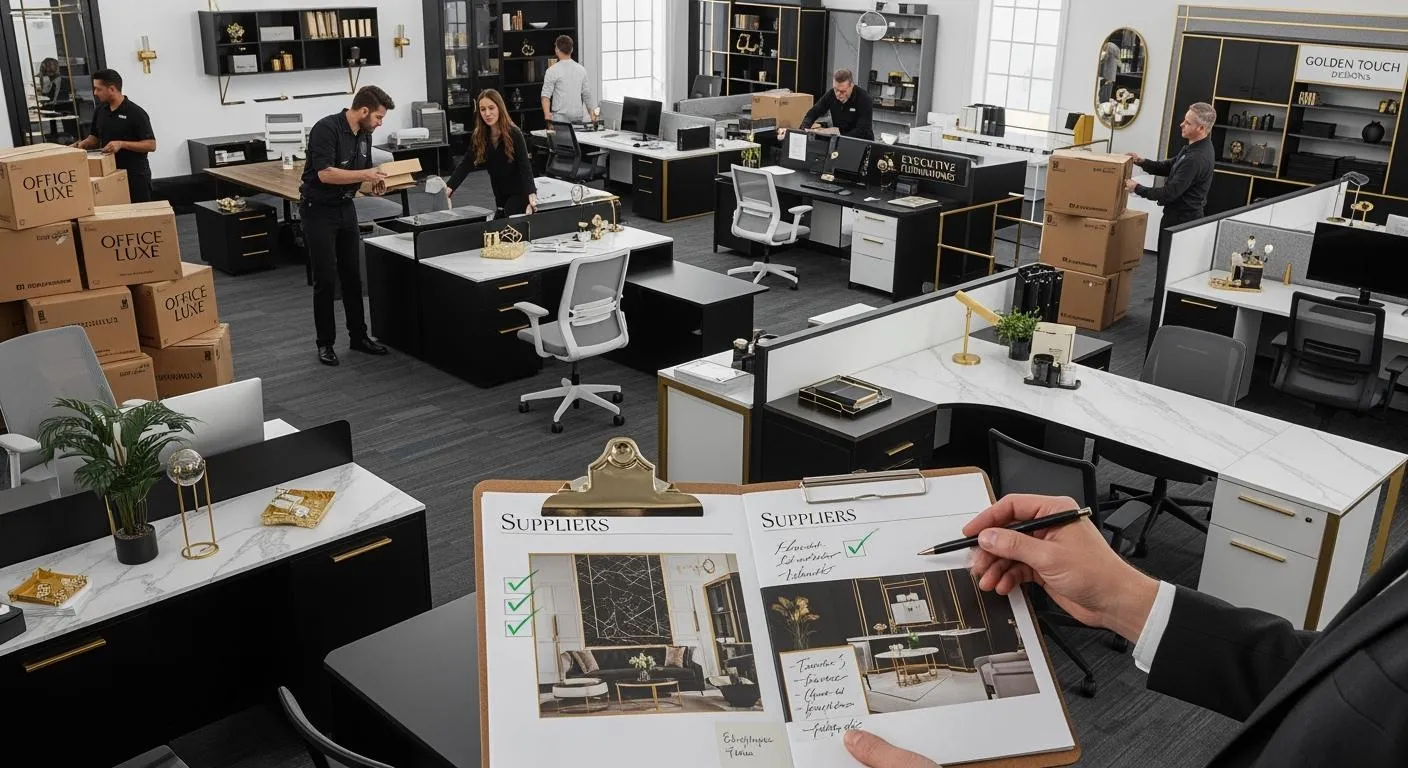
The best way to compare office furniture suppliers for big projects is to use a clear plan with set rules. You should look at things like product range, quality, customization, sustainability, pricing, delivery, support, technology, and project management. When you compare office furniture choices, check if each supplier can meet your project needs and help you reach your goals. Integrated solutions from Sibolla Building make your project less confusing and risky.
Key Takeaways
- Make a simple plan to compare office furniture suppliers. Look at what products they have, how good they are, if you can change them, and what help they give.
- Get your design team involved early. Custom furniture is better when you tell your needs right away.
- Check if the furniture is strong and lasts long. Pick suppliers who follow rules and give warranties.
- Think about the environment. Choose suppliers who use green materials and care about nature.
- Look at how the furniture looks. A nice office makes workers happy and helps them do better.
- Look at prices for what you get, not just how much it costs. Ask for clear prices and think about how it helps in the future.
- Ask about how they deliver and move the furniture. Make sure your supplier has a good plan to bring things on time and safely.
- Look for good help and warranty choices. Good suppliers help you after you buy and fix problems fast.
Compare Office Furniture: Key Criteria
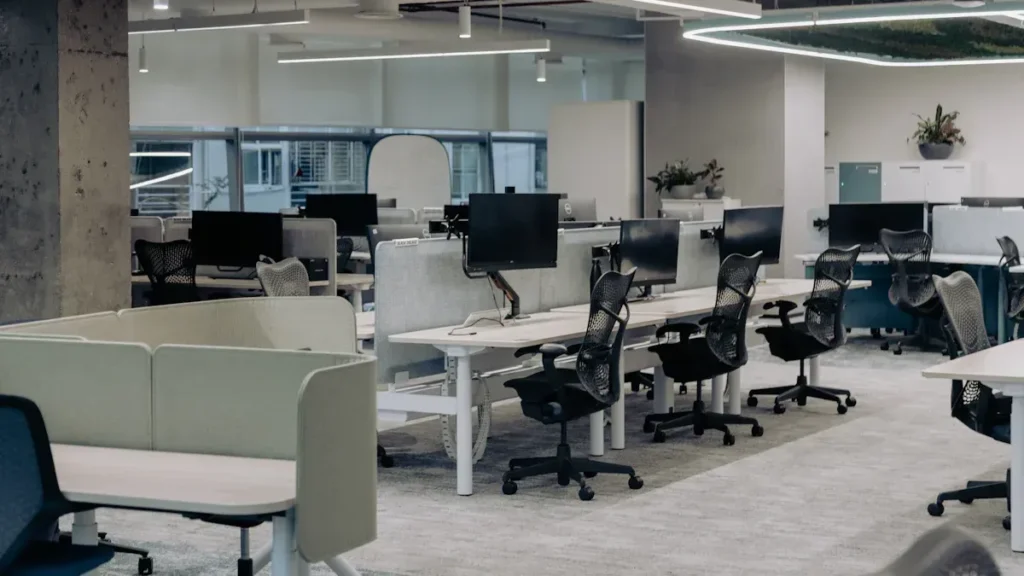
Image Source: unsplash
Product Range & Customization
When you compare office furniture suppliers, look at their product range and customization. A big selection helps you find what your workspace needs. You might need desks, chairs, storage, or lounge pieces. Customization lets you pick finishes, colors, and sizes that match your brand and workflow. Many companies want furniture that shows their brand identity and helps their teams work well. You can ask for special features, like built-in power ports or unique layouts, to make your space better.
Sibolla Building gives you many office furniture choices, from standard pieces to custom-built solutions. You can work with their team to change dimensions, finishes, and functions. This means you get furniture that fits your space and style. Their engineers check your plans and suggest the best materials and designs for your project.
Tip: Get your design team involved early. Custom furniture works best when you share your needs and ideas from the start.
Here is a table showing what facility managers want when they compare office furniture suppliers:
| Criteria | Description |
|---|---|
| Product Range and Customization | Access to many products and flexible options for different needs. |
| Alignment with Workplace Culture | Furniture that matches company goals and employee needs. |
| Design and Planning Capabilities | Tools to help bring your vision to life. |
Quality & Durability
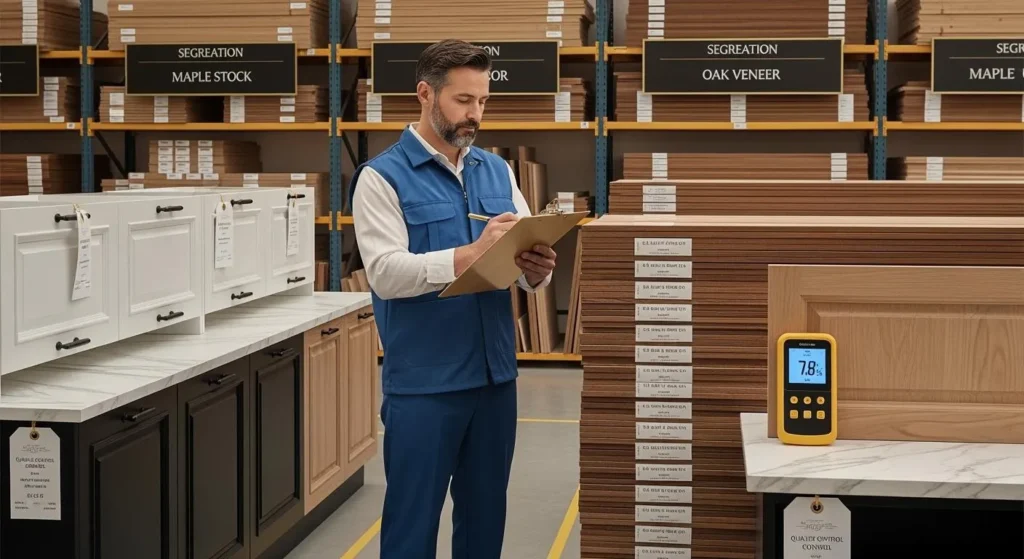
Quality and durability are very important for big projects. You want furniture that lasts and stays safe. Good materials, strong joints, and careful building help your furniture handle daily use. When you compare office furniture, check if the supplier follows industry standards. These standards make sure the furniture is strong, safe, and good for indoor air quality.
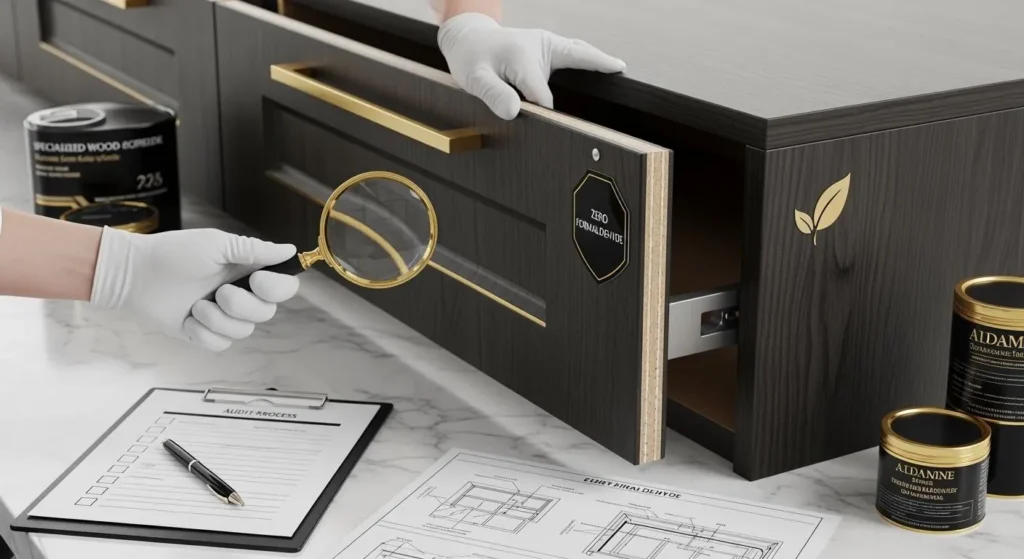
Sibolla Building tests every batch of furniture for strength, safety, and moisture resistance. They use certified hardware and give written warranty terms for the actual order. You get digital inspection reports, so you know your order meets high standards before it ships.
Here is a table of common industry standards for office furniture:
| Standard Type | Purpose | Benefit |
|---|---|---|
| Structural Testing | Checks if furniture can handle heavy use | Prevents failures and injuries |
| Fire Safety | Meets building codes for fire safety | Keeps your space safe |
| Environmental | Controls emissions and materials | Supports healthy workplaces |
Sustainability Practices
Sustainability is now a key factor when you compare office furniture suppliers. Many organizations want eco-friendly materials and green production methods. Choosing sustainable furniture helps your company meet its environmental goals and shows you care about the planet.
Sibolla Building uses eco-friendly production processes and offers materials with low emissions. Their factories follow green practices, and you can ask for recycled or certified wood. They also design packaging to reduce waste and make shipping more efficient.
Note: Sustainable choices can help your project earn green building certifications and improve your company’s image.
You should ask suppliers about their sustainability policies and look for certifications. This makes sure your furniture supports a healthy and responsible workplace.
Design & Aesthetics
When you plan a big office project, design is important. How your office looks and feels can change how people work. A nice space shows what your company cares about. It helps everyone feel like they belong. When people feel like they belong, they are happier and do better work.
A good office design is not just about looks. It helps people focus and feel good. You can have different areas for different jobs. Quiet spots help people focus. Open spaces help people work together. Natural light and plants make the office feel fresh. Ergonomic furniture helps people stay comfortable and not get tired.
Here is a table that shows how design choices help your team:
| Aspect | Influence on Employee Satisfaction and Productivity |
|---|---|
| Office Design | Helps people focus and stay energized |
| Varied Settings | Lets people pick the best spot for their work |
| Natural Light | Prevents burnout and makes the office feel positive |
| Ergonomic Furniture | Reduces fatigue and helps people work better |
| Aesthetics | Boosts mood, sparks creativity, and makes people happier at work |
You should think about colors, lighting, and layout too. Good lighting and comfy chairs help people stay motivated. Offices with natural light and plants make people happier and more productive. Dull colors or messy spaces can make people tired or distracted.
Sibolla Building helps you make a workspace that fits your brand. Their design team works with you to pick finishes, colors, and layouts. You can ask for custom pieces to make your office special and help your team work better.
Tip: When you compare office furniture, look for suppliers who help with design and match your brand style.
Pricing & Value
Price is important, but value matters more for big projects. You want to get the most for your money, not just the lowest price. Value means you get quality, service, and support with your furniture.
When you compare office furniture suppliers, check what is in the price. Some suppliers give factory-direct pricing, so you pay less. Others may add extra fees for shipping or support. Always ask for a clear list of costs.
Here are things to check for pricing and value:
- Clear quotes with no hidden fees
- Quality materials and strong build
- Custom options in the price
- Warranty and after-sales support
- Delivery and installation services
Sibolla Building gives you factory-direct pricing. You talk to one person for your whole project. Their team handles everything from design to shipping. This helps you avoid extra costs and delays. You also get written warranty terms for the actual order.
Note: The best value comes from suppliers who give quality, service, and support—not just a low price.
Delivery & Logistics
Delivery and logistics are very important for your project. You need your furniture to arrive on time and in good shape. Big projects can have problems like tight schedules and tricky site rules.
Some common problems are:
- Making sure things arrive safe and on time
- Planning for taking apart and putting together furniture
- Working with building managers to follow rules
- Careful planning to avoid delays
You should ask suppliers how they handle delivery and logistics. Good suppliers plan every step, from packing to setup. They work with your team and building managers to make things go well.
Sibolla Building uses a global network to deliver your furniture safely and on time. They label each crate by room and give clear manuals for setup. You get digital reports, so you know where your order is. Their team can also send supervisors for big projects.
Tip: Pick a supplier who gives full delivery help and keeps you updated at every step.
Support & Warranty
You need strong support and a good warranty for big projects. Good suppliers help you before you buy. They help while you set up. They help after your furniture arrives. They answer your questions. They fix problems fast. They make sure your furniture works for a long time.
Top suppliers give many kinds of support. Here is a table with common services:
| Service Type | Description |
|---|---|
| Furniture Maintenance & Repairs | Regular care, fixes, and changes to keep furniture working and looking nice. |
| Warranty Coordination | Handles warranty claims with makers so problems get solved quickly. |
| Refresh & Reconfiguration Support | Helps update and move furniture when your needs change. |
| Ongoing Service & Support | Keeps helping as your office grows and changes. |
You should look for these services when you compare suppliers:
- Product sales and advice
- Delivery and setup
- Product design and space planning
- Warranty repair and maintenance
- Project management
- Installation help
Sibolla Building gives you one person to talk to for your whole project. Their team helps from the first design to after your furniture arrives. You get written warranty terms for the actual order. If you need help, their support team answers quickly. They send spare parts if you need them. You get clear manuals. You can ask for video or on-site help for big projects.
Tip: Always ask how long the warranty lasts and what it covers. Good support and a strong warranty help you save time and money.
Technology Integration
Modern offices use smart furniture to make work easier. Technology integration means your furniture does more than just look nice. It helps you work better and feel good.
Here are ways technology is changing office furniture:
| Type of Intelligence | Description |
|---|---|
| Technological Intelligence | Uses big data and cloud computing for things like height changes and lighting that adapts. |
| Modular Intelligence | Lets you change furniture to fit your needs, which helps you sit better and feel less tired. |
| IoT-Driven Intelligence | Connects furniture to your phone or computer for easy control and sharing information. |
Some desks move up and down with a button. Some chairs remind you to sit up straight. Smart tables can charge your phone or change the lights. These features help your team stay focused and comfortable.
Sibolla Building can add technology features to your custom furniture. Their engineers help you plan power ports, lighting, and other smart options. You get furniture that fits your space and supports new ways of working.
Note: When you compare office furniture, ask about technology options. Smart features can make your office more flexible and ready for the future.
Supplier Assessment Process
Research & Shortlisting
Start by knowing what your project needs. Write down your goals, budget, and when you need things done. Think about how you want your office to look and work. This helps you find suppliers who fit your ideas.
Look for suppliers who have done big projects before. Check if they have many products and can customize them. Make sure they can deliver on time. Make a list of suppliers you might use. Use the internet, talk to people in your industry, and ask other companies for advice.
You can follow these easy steps to make your shortlist: 1. Write down what you need. 2. Find suppliers who match your needs. 3. Look at their experience and read reviews. 4. Compare what they offer and pick the best ones.
Tip: Pick suppliers who let you buy straight from the factory and give digital inspection reports. This helps lower risks and gives you more control.
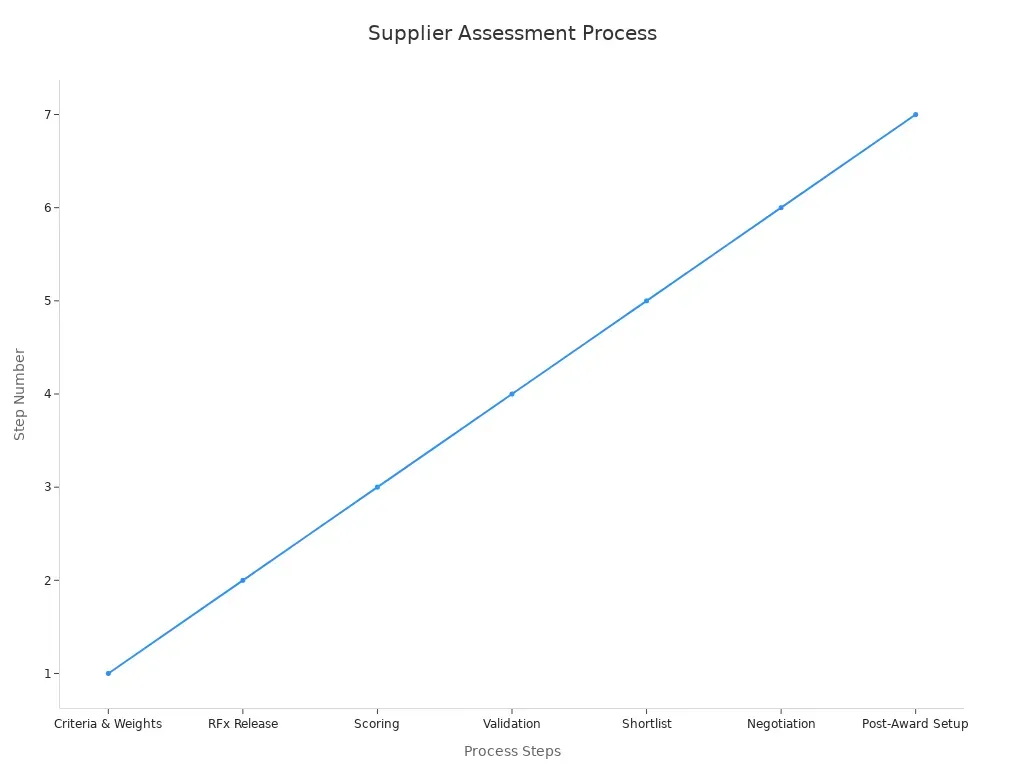
Here is a table that shows the main steps in a supplier assessment process:
| Step | Objective | Key Inputs | Outputs | Risk Controls |
|---|---|---|---|---|
| Criteria & Weights | Set clear rules for comparison | Goals, budget, priorities | Evaluation matrix | Documented reasons and approvals |
| RFx Release | Collect data from suppliers | Questionnaires, templates | Structured proposals | Compliance checks |
| Scoring | Rank suppliers fairly | Cost, quality, delivery | Weighted scores | Multi-person review |
| Validation | Check claims and capacity | Audits, site visits | Risk-adjusted scores | Compliance screening |
| Shortlist | Pick top candidates | Scores, risk profiles | 3–5 finalists | Price and resilience tests |
Proposal & Sample Review
Ask each supplier on your list for a full proposal. The proposal should show product details, prices, delivery times, and support. Go over these proposals with your team. Look for clear answers and all the info you need.
Order samples from your top suppliers. Check if the samples are good quality and look nice. Make sure they fit your project needs. Test if they are comfy, strong, and match your style. If you want changes, ask before you order a lot.
Follow these steps to review samples: 1. Ask for proposals and samples. 2. Compare the details and prices. 3. Try the samples in your office. 4. Confirm any changes or special features.
Sibolla Building gives fast samples, digital inspection reports, and clear updates. Their engineers help you check materials and finishes, so you choose the best.
Note: Looking at real samples helps you know what you will get and stops surprises.
References & Past Projects
Ask every supplier for references and examples of past projects. Talk to these references to learn about their experience. Find out if the supplier delivered on time and fixed problems quickly.
When you talk to references, ask about: – How well delivery and setup went – How the supplier handled changes or problems – Warranty and repair help – How they kept you updated – If they delivered on time and fixed claims
You can also ask for photos and papers from old projects. This shows what the supplier really did and helps you see if they are reliable.
For a comparable project, request verifiable references and confirm the actual drawings, specifications, delivery scope and recorded results before using a case study in the procurement decision.
Tip: Good references and real project examples help you trust your supplier choice.
Site Visits & Showrooms
You should always visit a supplier’s site or showroom before making a big decision. Seeing furniture in person helps you check quality, comfort, and style. You can touch the materials, test the strength, and see how the colors look in real life. Photos and samples help, but nothing beats a real visit.
When you walk through a showroom, you get a clear idea of what the supplier can do. You see how they finish their products and how they set up different spaces. You can ask questions and get answers right away. You also meet the team who will work on your project.
Here are some things you should check during a site visit:
- Look at the build quality. Check joints, edges, and finishes.
- Test the comfort of chairs and sofas.
- Open drawers and cabinets to see how they work.
- Check if the furniture matches your design and color needs.
- Ask about the materials and how they handle wear and tear.
- Review safety features and certifications.
Tip: Bring your project plans and a checklist. Take notes and photos to compare suppliers later.
You can use this table to guide your visit:
| What to Check | Why It Matters |
|---|---|
| Build Quality | Ensures furniture lasts a long time |
| Comfort | Keeps your team happy and productive |
| Finish and Color Match | Keeps your office looking consistent |
| Hardware and Details | Shows attention to detail and function |
| Certifications | Proves safety and quality standards |
Sibolla Building welcomes you to visit their showrooms or factories. You can see the full range of office furniture and custom options. If you cannot travel, Sibolla Building offers digital factory tours and live video inspections. You get real-time updates and digital inspection reports. This helps you check quality even from far away.
Note: Direct factory access gives you more control. You see how your furniture is made and packed. You can spot problems early and ask for changes before shipping.
A site visit or showroom tour builds trust. You see the supplier’s process and meet the people behind the products. You make better choices for your project when you see everything up close.
Matching Suppliers to Project Needs
Scale & Complexity Fit
You need to pick a supplier that fits your project size. Some suppliers cannot handle big orders or special requests. Look for partners who have worked in your industry before. Suppliers with lots of experience know how to manage large projects. They can also fix problems fast.
Here are things you should check when you compare suppliers:
- They have done projects like yours before.
- Their prices and delivery times are clear.
- They can change products and make more if you need it.
- They have certifications and values like eco-friendly practices.
You can use procurement software to track your orders and compare suppliers. This software shows you real-time data. It helps you make better choices. Your team can work together and stay updated.
If you plan your purchases well, you will avoid mistakes and delays. You can follow these steps:
- Watch all your furniture orders closely.
- Work with your vendors to stay on budget.
- Share updates with your team so everyone knows what is happening.
Tip: Pick suppliers who can handle both easy and hard projects. This gives you more choices as your needs change.
Brand Alignment: Sibolla Building
You want your office furniture to match your company’s brand and values. When you choose a supplier, find one who understands your vision. Sibolla Building is special because they focus on working together and being reliable. Their team helps you from the start. They make sure every piece fits your design and function needs.
Sibolla Building gives you:
- Custom finishes and materials that match your brand style.
- Engineering support to check your plans and suggest the best options.
- The same quality for all products, so your office looks the same.
- Eco-friendly choices that help your company’s green goals.
You get one person to talk to for your whole project. This makes talking easy and keeps your project on track. Sibolla Building’s way of working means you spend less time on details. You can focus more on your business.
Note: A supplier who matches your brand helps you make a workspace that feels right for your team.
Flexibility for Growth
Your business might change in the future. You need furniture that can change with you. Top suppliers give flexible solutions that help you grow and try new ways of working.
Here is a table showing how flexible furniture helps your business:
| Benefit | Description |
|---|---|
| Scalability | Add or remove pieces as your team grows or changes. |
| Flexibility | Move and reconfigure layouts quickly for meetings or events. |
| Durability | Modular furniture stands up to frequent moves and changes. |
| Customization | Pick finishes, materials, and shapes that fit your vision. |
| Employee Satisfaction | A flexible workspace keeps your team comfortable and engaged, which boosts productivity. |
Sibolla Building makes furniture that can change as you need it. You can move things around, add new pieces, or change finishes as your company grows. This keeps your office ready for anything. You get more value from your investment.
Tip: Ask suppliers how their products can help your future plans. Flexible solutions save you money and time as your business changes.
Scenario-Based Selection
You should pick a supplier that fits your real project needs. Every office project is different in some way. Some projects need things done very fast. Others need special looks or must stay on budget. Scenario-based selection helps you find the right supplier for your needs.
Let’s look at some common project types and how to choose the best supplier for each:
| Scenario | What Matters Most | What to Ask Suppliers |
|---|---|---|
| Fast-Track Project | Speed, reliability | Can you deliver on a tight schedule? |
| High-Design Customization | Flexibility, design support | Do you offer custom finishes and layouts? |
| Budget-Conscious Rollout | Cost control, value | Is your pricing transparent and factory-direct? |
| Multi-Site Expansion | Consistency, logistics | Can you supply and coordinate across locations? |
| Sustainability-Focused Project | Green materials, certifications | Do you use eco-friendly materials and methods? |
1. Fast-Track Projects
Sometimes you need furniture quickly for a new office. Pick a supplier who can deliver fast and has good shipping plans. Ask for updates and digital reports. Sibolla Building uses a global network and gives weekly reports, so you always know your order status.
2. High-Design Customization
Some projects need special colors or features. Choose a supplier who can change sizes, colors, and functions. Ask for 3D pictures and shop drawings before they start. Sibolla Building’s engineers check your plans and help you make custom solutions that fit your ideas.
3. Budget-Conscious Rollouts
If you have a tight budget, look for clear prices and no hidden fees. Pick a supplier with factory-direct pricing. Sibolla Building gives you one contact and clear prices, so you can control costs from start to finish.
4. Multi-Site Expansions
You may need to set up offices in many places. Pick a supplier who knows how to ship and deliver everywhere. Ask how they handle shipping, customs, and setup. Sibolla Building takes care of everything, from packing to delivery, and gives labeled crates and manuals for easy setup.
5. Sustainability-Focused Projects
If your company cares about green building, ask about eco-friendly materials and certifications. Ask for details about recycled content, low-emission finishes, and green packaging. Sibolla Building uses green production and helps you reach your environmental goals.
Tip: Always match your supplier’s strengths to your project’s biggest challenge. This helps lower risks and gives you better results.
Scenario-based selection gives you a simple plan. You can compare suppliers by what matters most for your project. This helps you make smart choices and avoid mistakes.
Decision-Making & Validation
Scoring & Comparison Matrix
You need a fair way to compare your top suppliers. A scoring and comparison matrix helps you see which supplier fits your project best. First, write down your supplier choices. Next, list what matters most, like price, quality, and delivery time. Give each thing a weight to show how important it is. Rate each supplier for every item. Multiply the rating by the weight. Add up the scores to see who wins.
Here is an easy way to build your matrix:
- Write your supplier options.
- List what matters most for your project.
- Make a table with these items.
- Rate each supplier for each item.
- Add weights to show importance.
- Multiply ratings by weights.
- Add up the total scores.
You can use a table like this to organize your results:
| Step | Description |
|---|---|
| 1 | Header: Vendor name, contact, date. |
| 2 | Capabilities and requirements fit (pass/fail). |
| 3 | Financials covering direct and indirect costs. |
| 4 | Risk and compliance. |
| 5 | Scoring summary. |
| 6 | Add calculations and scoring to compare data effectively. |
| 7 | Validate with stakeholder input to ensure usability. |
Tip: Ask your team to help review the scores. This makes your decision stronger and more fair.
Negotiation & Contracts
After you pick your top supplier, you need to talk about the contract. Good negotiation helps you get the best deal and clear terms. Start by knowing what you want and what you can give up. Learn about the market and what other suppliers offer. Build a good relationship with your supplier. Talk openly and listen to their needs.
Here are smart strategies for negotiation:
| Strategy | Description |
|---|---|
| Preparation and Research | Know your needs and check the market before you start. |
| Build Relationships | Be friendly and open to build trust. |
| Set Clear Objectives | Decide what you must have and what you can adjust. |
| Leverage Competition | Get quotes from more than one supplier to strengthen your position. |
| Be Professional and Respectful | Stay polite and listen to the supplier’s side. |
| Negotiate Win-Win Solutions | Look for deals that help both you and the supplier. |
| Document Everything | Write down all terms in the contract to avoid confusion. |
| Follow Up | Keep in touch and check if the supplier meets the contract terms. |
Remember, price is not the only thing that matters. Good warranty terms and clear ways to talk with your supplier are important too. A strong contract helps everyone know their job and keeps the project on track.
Note: Always write down every agreement. This protects you if problems come up later.
Compliance & Certifications
You must check that your supplier follows all rules and standards. This keeps your project safe and legal. Look for suppliers who meet safety and performance standards. Make sure you can trace where materials come from. Check that the supplier follows rules about chemical emissions and product safety.
Here are some key compliance requirements:
| Compliance Requirement | Description |
|---|---|
| U.S. Lacey Act | Importers must declare species, quantity, value, and country of harvest. This keeps the supply chain legal. |
| EU General Product Safety Regulation | Suppliers must do risk checks for safety and label products for consumer protection. |
| BIFMA Certification | Shows that furniture meets safety and performance standards for offices. This lowers your risk. |
Tip: Ask for proof of certifications and check that documents are up to date. This helps you avoid problems and keeps your project safe.
Building Long-Term Partnerships
Communication & Feedback
You build strong partnerships with your office furniture supplier by keeping communication open. Regular talks help you share your plans and listen to your supplier’s ideas. You set clear goals together. This makes sure everyone knows what to expect.
You can use a scorecard to rate your supplier. Track things like on-time delivery and product quality. This keeps everything fair and open. Here is a table that shows how regular reviews and feedback help both you and your supplier:
| Review Step | What It Does |
|---|---|
| Set Clear Metrics | Shows what matters most for your project |
| Regular Meetings | Keeps everyone updated and solves problems early |
| Share Feedback | Highlights what works and what needs to improve |
When you give feedback, you help your supplier do better. You also show that you value their work. This makes your supplier want to keep doing a good job for you.
Tip: Meet with your supplier often. Use these meetings to talk about what is going well and what can get better.
Ongoing Support: Sibolla Building
You need more than just good products. You need a supplier who supports you before, during, and after your project. Sibolla Building gives you one person to talk to for your whole project. This makes it easy to solve problems and get answers fast.
Here are some long-term benefits you get when you build a strong partnership with your supplier:
- You make the fit-out process smoother and faster.
- You get the same quality and look in every office.
- You reach your company’s green goals more easily.
- You save time, money, and avoid stress.
Sibolla Building stays with you after your furniture arrives. Their team helps with setup, repairs, and changes. You get clear manuals and quick answers if you need help. They also check in with you to see if you are happy with your furniture.
Good support means you can focus on your work, not on fixing problems.
Performance Review
You should check your supplier’s performance often. This helps you keep high standards and improve your partnership. Follow these steps for a strong review process:
- Set clear rules for how you will talk and share updates.
- Work together to solve problems instead of blaming.
- Make goals that you and your supplier both want to reach.
- Use data to see how things are going.
- Give feedback at regular times to spot trends.
- Write down what you talk about and agree on.
- Visit your supplier’s site to see their work in person.
- Praise good work to keep your supplier motivated.
- Fix problems quickly if things are not going well.
When you review performance, you help your supplier grow. You also make sure your project stays on track. A good review process builds trust and leads to better results every time.
Regular reviews and honest talks help you and your supplier succeed together.
Common Pitfalls to Avoid
Hidden Costs
You may think the price you see is the price you pay. In large office furniture projects, hidden costs can surprise you. These costs can make your project go over budget. You need to look beyond the first quote and check for extra fees.
Here is a table showing common hidden costs in office furniture projects:
| Hidden Cost Type | Description |
|---|---|
| Total Cost of Ownership (TCO) | You may focus on the starting price, but long-term costs like repairs or replacements add up. |
| Logistical Challenges | Large items may not fit in elevators, so you might need special help like window hoisting. |
| Installation Fees | Some suppliers charge extra for assembly or setup, which may not be in the first quote. |
You should always ask if assembly and installation are included. Sometimes, you will find that delivery is not the last step. Moving big items into your building can bring new challenges. For example, if a desk does not fit through the door, you may need to pay for special equipment.
Tip: Always read the quote carefully. Ask your supplier to explain every fee. This helps you avoid surprises later.
Ignoring End-User Input
You want your team to feel comfortable and happy in their workspace. If you do not ask for their input, you may face problems after the furniture arrives. Ignoring end-user feedback can lead to costly changes and unhappy workers.
The table below shows what can happen if you skip this step:
| Impact Type | Description |
|---|---|
| Increased Modification Costs | You may need to change furniture later, which costs more than planning ahead. |
| User Dissatisfaction | Workers may avoid using some areas or create their own fixes, which can hurt teamwork and workflow. |
| Higher Maintenance Costs | Furniture that does not fit user habits wears out faster and needs more repairs. |
| Legal and Regulatory Risks | If you do not meet accessibility needs, you could face legal trouble or fines. |
You should talk to the people who will use the furniture. Ask them what they need. This helps you pick the right products and avoid expensive mistakes.
Note: Involving end-users early makes your project smoother and keeps your team happy.
Change Management
You may need to change your office layout as your business grows. Change management means planning for these changes before they happen. If you do not plan, you may face delays, confusion, or extra costs.
Here are some ways to handle change management well:
- Set clear rules for how changes will happen.
- Keep everyone updated about new plans.
- Work with your supplier to make sure new needs are met.
- Train your team on how to use new furniture or layouts.
If you plan for change, you can move or add furniture without big problems. You keep your project on track and your team ready for anything.
Tip: Choose flexible furniture and a supplier who supports changes. This helps you adjust quickly when your needs shift.
Case Studies & Examples
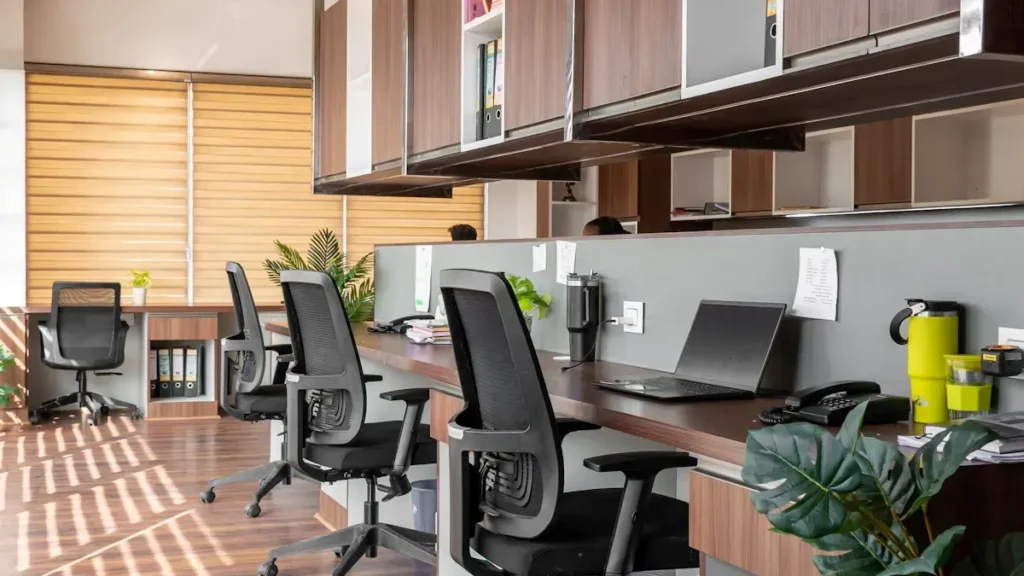
Image Source: pexels
Successful Comparisons
You can learn a lot from real projects. Here are two stories that show how having a plan helps you pick the right office furniture supplier.
Case 1: Global Tech Firm Headquarters
A tech company needed furniture for new offices in three countries. The team made a list of what they wanted. They wanted custom desks, ergonomic chairs, and green materials. They compared four suppliers using a scoring matrix. Sibolla Building stood out because they had factory-direct pricing and digital inspection reports. They also offered eco-friendly options. The company picked Sibolla Building. The project finished on time. The team got weekly updates and clear setup manuals. The furniture matched the company’s brand and green goals.
Case 2: Hotel Chain Expansion
A hotel group wanted to open five new hotels. They needed furniture that looked the same in every hotel. They also wanted fast delivery and easy setup. The project manager compared three suppliers. Sibolla Building gave samples, 3D drawings, and written warranty terms for the actual order. The team liked the clear communication and single point of contact. The hotels opened on schedule. The furniture fit well, and the staff found it easy to install.
Tip: When you use a scoring matrix and check real samples, you lower your risk and get better results.
Here is a table that shows what these projects gained:
| Project Type | Key Needs | Supplier Strengths | Outcome |
|---|---|---|---|
| Tech HQ | Custom, green, fast | Customization, eco, updates | On time, on brand |
| Hotel Expansion | Consistency, speed | Samples, warranty, support | Easy setup, happy staff |
Lessons Learned
You can avoid mistakes by looking at what others learned.
- Start Early: Begin looking for suppliers before you need the furniture. This gives you time to compare choices and order samples.
- Use Clear Criteria: Write down what matters most. Use a scoring matrix to keep your choice fair.
- Check References: Always talk to past clients. Ask about delivery, quality, and support.
- Visit or Inspect: See the furniture in person or ask for a digital tour. This helps you spot problems early.
- Plan for Growth: Pick suppliers who offer flexible solutions. Your needs may change.
- Communicate Often: Keep in touch with your supplier. Share updates and ask questions.
Note: Real projects show that good planning and clear rules help you get the best results. Sibolla Building’s integrated approach makes large projects easier and less risky.
You can use these lessons to help with your next office furniture project. When you follow a plan, you save time, money, and avoid stress.
When you compare office furniture suppliers, use a clear plan with set steps. Look at product range, quality, and support. Choose a supplier like Sibolla Building that offers integrated solutions. This helps you avoid risks and reach your project goals. Start by listing your needs and making a scoring table. Ask for samples and check references. You will make better choices and get long-term value.
FAQ
You need to compare suppliers using simple rules. Look at things like what products they have, how good the quality is, the price, and the support they give. Make a scoring chart to help you decide. Ask for samples and check what other customers say. This helps you pick the best supplier for your project.
Ask when they can deliver your order. Find out if you can change colors or sizes. Ask about their warranty and how they help after you buy. Request clear prices, how good their products are, and see what work they did before. These questions show you what each supplier can do for you.
Factory-direct pricing means you do not pay extra middlemen. You only pay for the furniture and services you need. This helps you keep your budget safe and avoid surprise costs.
Show your design ideas to the supplier. Ask for 3D pictures, finish samples, and color cards. Look at these with your team before you buy. This makes sure your furniture matches your style.
Tell your supplier as soon as things change. Good suppliers, like Sibolla Building, can help you change your order or schedule. They work with you to meet your new needs.
Ask for digital reports, photos, or videos of your order. Visit the factory or showroom if you can. Try out samples in your office. These steps help you make sure the furniture is good before it arrives.
You should get easy-to-read manuals, extra parts, and fast answers to questions. Good suppliers help with repairs and changes if you need them later.
Yes. Many suppliers, like Sibolla Building, make custom furniture. You can change the size, finish, or features to fit your space and needs.