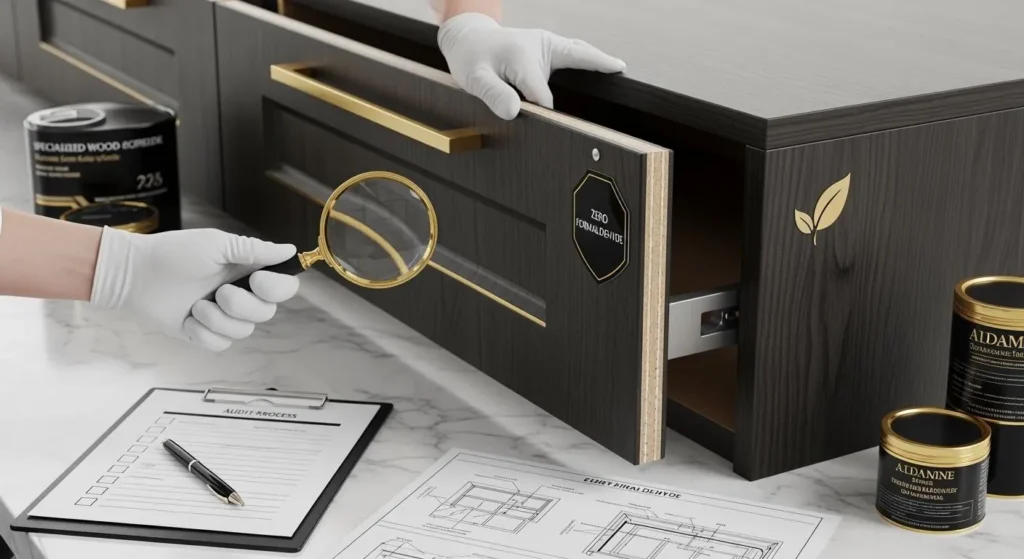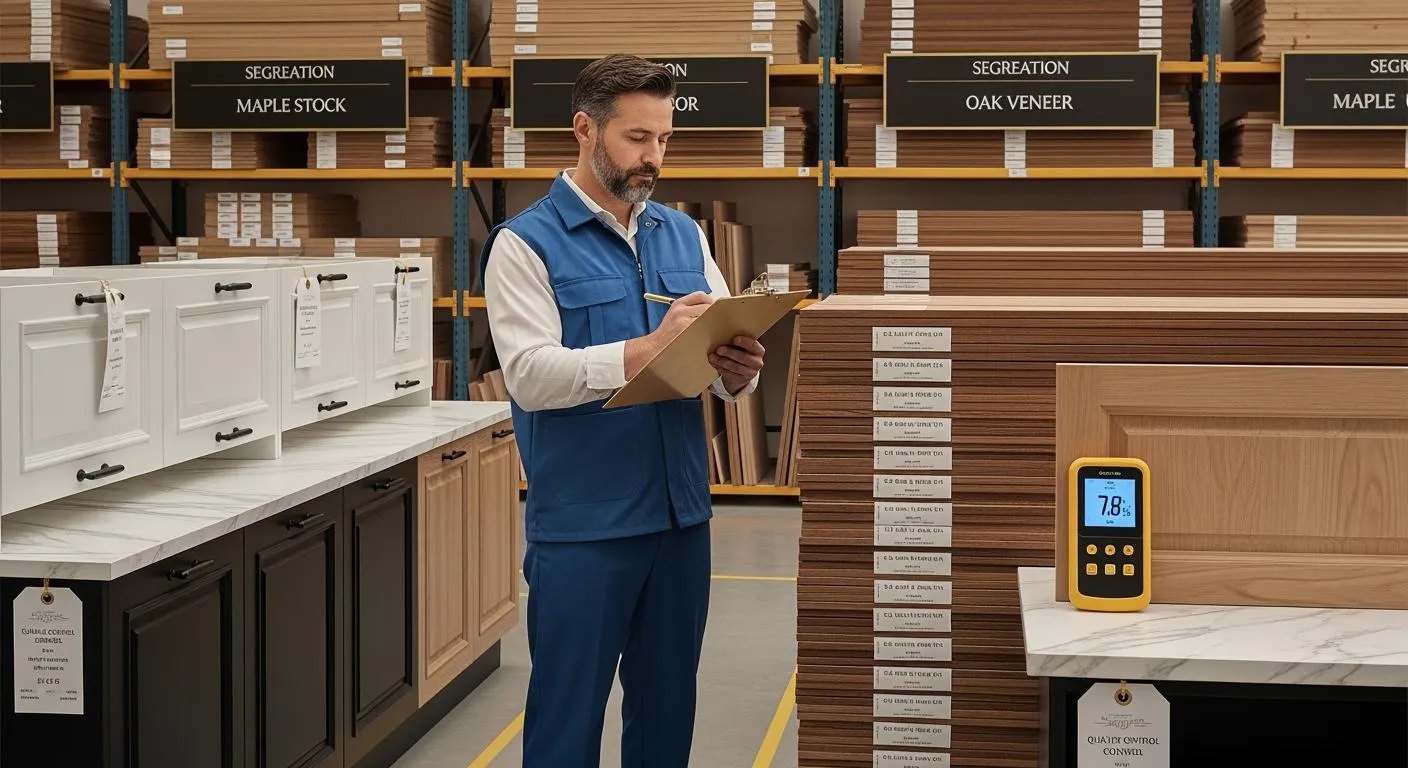
Imagine you are walking in a China cabinet factory. You are there to do an On-Site Audit. You need to check five important things. These are physical separation, traceability, contamination prevention, moisture content testing, and moisture content data management. These steps help you make sure the cabinets are good quality. Sibolla Building has clear systems for each thing. This makes sure your cabinets meet global standards. Use this checklist to make your audit better and keep your projects going well.
Key Takeaways
- Check if raw materials are kept apart to stop mixing and keep them good.
- Use clear labels and signs so people can find materials easily.
- Make sure you can track materials with batch records to see where they go.
- Test moisture content often so cabinets do not bend or crack.
- Keep good records of moisture content to spot problems early.
- Clean materials the right way to keep out dust and dirt.
- Handle materials the right way so they do not mix by mistake.
- Use one project management tool so everyone can talk and work together better.
On-Site Audit: Raw Material Segregation
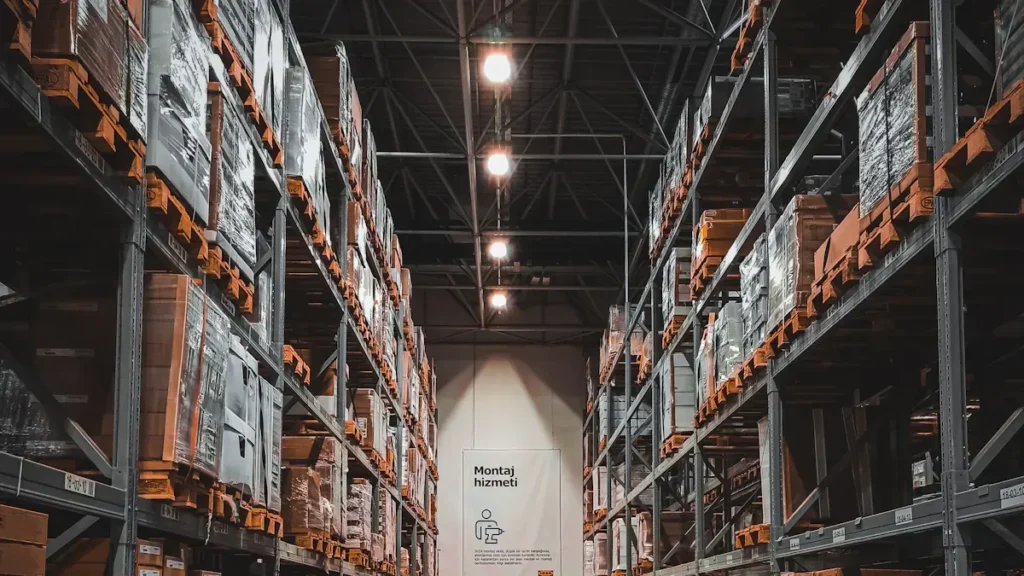
Image Source: pexels
When you visit a cabinet factory, you must check how they keep raw materials apart. Good separation helps your project stay high quality. It also lowers the chance of mistakes. Sibolla Building has clear steps for this. Every piece of material stays clean and easy to find.
On-Site Audit: Physical Separation
Dedicated Storage for Materials
Look for special storage spots for each raw material. Factories use different racks, bins, or rooms for MDF, plywood, and solid wood. This stops mix-ups. It keeps materials clean and ready to use. If you see clear lines between materials, the factory cares about quality.
Labeling and Signage
Labels and signs help workers find materials quickly. During your visit, check if each stack or bin has a label. Signs should show the material type, grade, and batch number. Good labels stop mistakes before they happen. They also help workers follow the right steps.
On-Site Audit: Traceability and Documentation
Batch Records for Custom Cabinets
See how the factory tracks each batch of material. Batch records link raw materials to finished cabinets. This makes it easy to find problems. If you find a defect, you can check the batch record. You will know where the material came from. This is important for global projects.
Material Logs and Tracking
Modern factories use tracking systems. These use RFID tags and scanners to follow materials. They track from the warehouse to the shop floor. Here is a table that shows how these systems work:
| Feature | Description |
|---|---|
| Real-Time Material Tracking | Watches raw materials and parts across the factory. |
| Error Reduction | Stops mix-ups and wrong labels. |
| Enhanced Traceability | Tracks every part for quality checks. |
| RFID Solution | RFID portals log arrivals at entry points. |
| Data Analytics | Shows how well the line works and finds slow spots. |
During your audit, ask to see these logs. Good tracking lets you fix problems fast. With digital records, you get reports right away. This helps you solve issues before they get worse.
Tip: Factories with good tracking can fix quality issues faster. You save time and keep your project on track.
Contamination Prevention
Cleaning Protocols
Clean workspaces keep materials safe from dust, glue, or paint. During your visit, check if the factory has a cleaning plan. Workers should clean storage areas and tools often. Look for cleaning logs or checklists that show when cleaning happens.
Handling Procedures
Good handling stops cross-contamination. Workers should use gloves or special carts for each material. You can ask about training for staff. Good factories teach workers how to move and store materials safely.
For a cabinet factory, inspect dust extraction, finish-area controls, material identification and safe handling. Biomedical biosafety-cabinet standards are unrelated to a cabinet material-segregation audit.
| Audit area | Evidence |
|---|---|
| Dust and finish control | Suitable equipment and applicable workplace requirements |
| Material segregation | Grade, batch and approval identification |
| Handling | Documented storage and contamination controls |
When you see these rules in place, you know the factory cares about safety and quality.
Note: Clean materials and safe handling mean fewer defects. You get better cabinets for your project.
By checking these things during your audit, you make sure your cabinets meet high standards. Sibolla Building uses these best steps to help your projects and lower risks.
On-Site Audit: Moisture Content Control

Image Source: pexels
You need to check moisture content in cabinets. This helps them last longer and stay strong. Sibolla Building uses strict MC control systems. These systems help cabinets meet global rules and export standards. When you do an On-Site Audit, you must look at how the factory tests and manages MC.
Moisture Content Testing Procedures
Moisture Content Meter Calibration
You must check if the factory calibrates its MC testing tools. Calibration means adjusting tools so they give correct numbers. Factories use moisture meters and ovens to test wood and panels. If tools are not calibrated, results can be wrong. Ask to see calibration logs. These logs show when workers checked and fixed each tool. You can look for stickers or tags on tools that show the last calibration date.
Check moisture-meter calibration and the settings appropriate to the wood species or panel. A recorded reading does not guarantee that a cabinet will require moisture and installation controls.
Moisture Content Sampling Frequency
Agree a sampling plan based on materials, batch size, process and destination conditions. Check actual records rather than assuming every factory must follow one universal sampling frequency.
Here is a table that shows common sampling frequencies:
| Stage | Sampling basis |
|---|---|
| Incoming material | Agreed material and batch plan |
| Before assembly | Process-risk and moisture checks |
| Before packing | Acceptance criteria and corrective-action records |
If you see regular testing, you know the factory cares about quality.
Moisture Content Data Management and Actions
Recording Moisture Content Results
You must check how the factory records MC results. Good factories use digital systems or logbooks. Workers write down MC numbers for each sample. You can ask to see these records. Look for clear entries with dates, batch numbers, and MC values. Sibolla Building uses digital tracking. This makes it easy to find data and spot trends.
Note: Accurate records help you trace problems. You can see if MC levels change over time.
Corrective Actions for Out-of-Spec Cabinets
You need to know what happens if MC is too high or too low. Sibolla Building has clear steps for this. Workers set aside cabinets that do not meet MC standards. They may dry the cabinets again or adjust storage conditions. Sometimes, they reject the batch and start over. You can ask to see reports on corrective actions. These reports show how the factory fixes problems and keeps quality high.
Here is a list of common corrective actions:
- Re-drying cabinets in a controlled room
- Adjusting storage humidity
- Re-testing after drying
- Rejecting and replacing out-of-spec cabinets
If you see these steps, you know the factory protects your project from moisture problems.
Callout: MC control keeps cabinets strong and safe. You get cabinets that last longer and look better.
By checking MC control systems, you make sure your cabinets meet export standards. Sibolla Building’s approach helps you deliver projects with fewer risks and higher quality.
Moisture Content: On-Site Quality Checks
You want your cabinet projects to do well. Sibolla Building uses a strong system to help you succeed. Every step has strict checks, from design to delivery. When you visit the factory, you can check these steps. This helps you make sure your cabinets are high quality.
Integrated Quality Control
Pre-Assembly Inspection
Look for checks before cabinets are put together. These checks find problems early. Workers match parts to drawings and test hardware. This makes sure everything fits and works right. You avoid mistakes that cause trouble later. Pre-assembly checks help you get cabinets that fit your needs and lower errors.
Tip: Early checks help you save time and money. They catch problems before final assembly.
Export Packaging Standards
Check if the factory follows export packaging rules. Cabinets for export must meet rules like ISPM 15. This means wood packaging gets treated to stop bugs. Good packaging keeps cabinets safe during shipping. You should see strong boxes, clear labels, and padding. These steps protect cabinets from damage on the way to your site.
Project Coordination and Support
Centralized Project Management
Ask if the factory uses one system for project info. This keeps all details in one place. It helps everyone stay updated and fix problems fast. Clear communication stops delays and confusion. Sibolla Building uses digital tools to track progress and share updates. You can see drawings, schedules, and changes right away. This makes your project go smoothly from start to finish.
- Centralized management helps teams work together.
- Real-time updates help you find and fix issues fast.
- Clear roles keep everyone focused.
After-Sales and Installation Guidance
After cabinets arrive, you may need help with setup or service. Sibolla Building gives support after delivery. You get manuals, layout drawings, and a clear handover. If you have questions or need parts, you use a simple request system. Regular checks and tips help your cabinets last longer.
| Common After-Sales Issue | How Sibolla Building Resolves It |
|---|---|
| Missing or incomplete documentation | Gives clear manuals and layout drawings at handover |
| Service request management | Uses a standard process for quick and easy support |
| Preventive maintenance | Offers regular checks and advice to help cabinets last longer |
Note: Good support after sales means fewer problems and happier clients.
On-Site Audit Tips for Project Managers
- Check for records of pre-assembly checks.
- Review packaging for export rules.
- Ask about project management tools.
- Confirm support after sales.
- Look for clear communication and updates.
Use these best steps during your audit. This helps your cabinet projects meet global standards and last a long time.
You can help your project do well by checking five main things: physical separation, traceability, contamination prevention, moisture content testing, and moisture content data management. Sibolla Building uses clear steps and gives strong support to make sure quality is high.
- First, use set checkpoints for quality and keep records of checks.
- Use workers who know what to do and pick good materials.
- Work closely with your suppliers and contractors.
- Teach your team and always follow a quality plan.
Always try to get better. Checking often and working together helps you make cabinets that meet world standards.
Moisture Content and Material Segregation FAQ
You keep materials apart so they do not get mixed. This stops contamination and mistakes. It helps cabinets look right and stay strong. Good factories use labels, separate storage, and signs.
Cabinets need the right MC to stay strong. If MC is wrong, cabinets can warp or crack. MC control helps cabinets last longer and not break.
You ask to see batch records and logs. Good factories use digital systems or RFID tags. These tools help you trace each piece from storage to cabinet.
You check if tools are calibrated often. Look for stickers or logs with calibration dates. Calibrated tools give correct MC results.
You get manuals, layout drawings, and a clear handover. If you need help, you can contact support for fast answers. Regular tips help you keep cabinets in good shape.
The factory sets aside those cabinets. Workers may dry them again or change storage. Sometimes, they replace the batch. This keeps your project safe from moisture problems.
Tip: Use a checklist. Review storage, labels, MC records, and support systems. Ask questions and take notes during your visit.
Yes. You see strong boxes, clear labels, and treated wood for export. This protects cabinets during shipping and meets global rules.