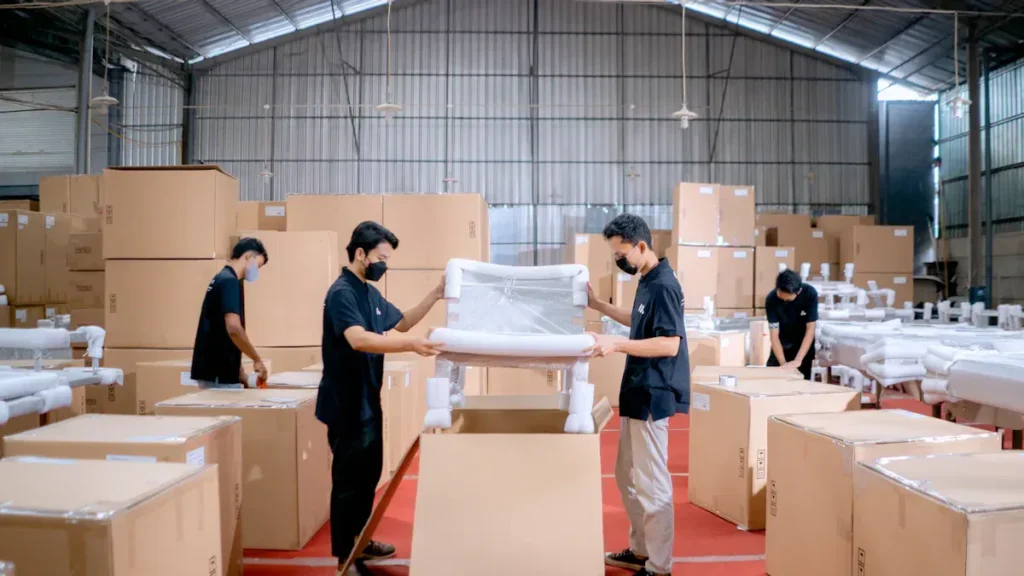
You may have delays and problems working together when you install flat-pack cabinets in big apartment buildings. Efficient Subcontractor Scheduling and a paint-free installation SOP can help fix these issues. You have fewer assembly problems, spend less money, and finish projects faster. Quality control gets better because you use clear steps. Try using automation and keep track of accessory and product schedules to make your work easier.
For cabinet specifications and project supply options, see Sibolla Building’s cabinet solutions.
Key Takeaways
- Good subcontractor scheduling helps stop delays and saves money in big apartment projects.
- Use ready-to-assemble cabinets to make installation faster and need fewer workers on-site.
- Make a clear Standard Operating Procedure so you can check quality and get the same results every time.
- Think about weather and site problems so you do not have trouble when putting in cabinets.
- Use digital tools to get updates right away and help subcontractors talk better.
- Add extra time in your schedule for surprises and keep the project moving.
- Have regular meetings so all teams know what is happening and work toward the same goals.
- Teach subcontractors well so they know the SOP and can do their jobs quickly and correctly.
Why Efficient Subcontractor Scheduling Matters
Multi-Unit Project Challenges
Space and Trade Coordination
Working on multi-unit homes is hard. Many trades need to share small spaces. Electricians, plumbers, and framers work near cabinet installers. If you do not plan, mistakes and delays can happen. The table below lists some problems you might see:
| Challenge | Description |
|---|---|
| Poor Coordination with Other Trades | Problems happen when subcontractors do not work well with plumbing, electrical, or framing. This can cause missed cutouts and late installs. |
| Limited Multifamily Experience | Subcontractors who have not worked on big multifamily jobs may find it hard to keep up with the fast pace and complex work. |
| Lack of Operational Capacity | Subcontractors who cannot keep up with schedules or handle crew changes can slow down the whole project. |
Everyone must know their job and when to do it. This helps stop mistakes and keeps things moving.
Weather and Site Constraints
Bad weather can slow down your work. Rain, snow, or heat can make it tough to deliver and install cabinets. Busy sites also have little space. Trucks may not fit, or you may need to store cabinets in tight spots. You need to plan for these issues so you do not waste time.
Impact on Timelines and Budgets
If you do not schedule subcontractors well, you lose time and money. Delays mean you pay more each day you fall behind. You still pay for loans and workers even if work stops. If you finish late, you cannot rent or sell units on time. This can lower your income.
- Construction delays can cost a lot, especially in big projects where costs add up for each unit and day lost.
- You keep paying for loans and workers during delays, which raises your budget.
- If you finish late, you cannot start marketing, so you wait longer to rent or sell.
- Permitting delays can stop work before it starts or hold up important checks during the job.
- When trades do not work together, you may need to redo work or wait, causing more delays.
- Design changes can mess up schedules and budgets, making the project even harder.
You can stop many of these problems with Efficient Subcontractor Scheduling.
Benefits of RTA Cabinets
Ready-to-assemble cabinets save time and money. You do not wait for paint to dry or for special parts. RTA cabinets come with all the pieces you need. You can store them easily and move them when ready. This makes your schedule easier to manage. You finish faster and keep your project on track.
Tip: Use RTA cabinets to need fewer trades at once. This stops crowding and keeps your work smooth.
Standard Paint-Free Installation SOP

Image Source: unsplash
Key SOP Steps
Pre-Installation Prep
You start by checking the site. Make sure the area is clean and dry. Mark the wall locations for each cabinet. Double-check the measurements. You want to avoid mistakes before you bring in any materials. Gather all your tools and hardware. Review the cabinet layout with your team. This step helps everyone know what to do.
Delivery and Staging
Schedule the delivery when the site is ready. Place the flat-pack cabinets in a safe, dry spot near the work area. Keep the boxes off the floor to prevent damage. Group the cabinets by unit or floor. This makes it easy to find what you need. You save time and avoid confusion.
Assembly Sequence
Follow the manufacturer’s instructions for each cabinet. Build the cabinets in the order you plan to install them. Use RTA cabinets for most units. These cabinets come with all the parts you need. For special areas, use pre-assembled cabinets. This reduces mistakes and keeps quality high. Off-site assembly works well for large projects. You can build cabinets away from the busy site. This keeps your work moving and avoids delays.
Quality Control
Check each cabinet after assembly. Look for scratches, dents, or missing parts. Make sure doors and drawers open and close smoothly. Use a checklist to track your progress. Fix any problems before you install the cabinets. Good quality control means fewer issues later.
Paint-Free Requirements
Material Specs
Choose cabinets with a factory finish. These cabinets do not need paint or stain on-site. The finish should resist scratches and moisture. Ask your supplier for details about the materials. Make sure the cabinets meet your project’s needs.
Environmental Needs
Keep the work area dry and dust-free. Store cabinets away from direct sunlight and moisture. Good airflow helps protect the finish. If you use off-site assembly, pick a clean, controlled space. This keeps the cabinets in top shape.
Streamlining Workflow
You can make your workflow smoother by using smart strategies:
- Use RTA cabinetry for standard units to save money and time.
- Order complex or specialty cabinets pre-assembled to avoid mistakes.
- Build cabinets off-site when possible. This keeps the job site less crowded and helps you work faster.
- Separate assembly from installation. One team can assemble while another prepares the site.
- Plan your schedule so teams work in parallel. This boosts labor efficiency and keeps your project on track.
Efficient Subcontractor Scheduling helps you manage these steps. You keep your teams organized and avoid delays. When you follow a clear SOP, you finish faster and deliver better results.
Tip: Always use a checklist for each step. This helps you catch problems early and keeps your project running smoothly.
Efficient Subcontractor Scheduling Process
Timeline Planning for Subcontractor Scheduling
Master Schedule Creation
You need a good plan before starting work. Break the project into smaller parts. Give each part enough time to finish. This helps you know what comes next. You also know who should be on site. Use a master schedule to track every step. Set important dates for checks like inspections or permits. This keeps everyone focused and helps you finish on time.
- Write down each task in order.
- Give each task a start and end date.
- Mark big steps for approvals and inspections.
- Share the plan with all subcontractors.
A good master schedule helps you find problems early. You can change tasks before they cause delays.
Time Buffers
Always add extra time between tasks. These time buffers help if something is late. For example, if cabinets arrive late, a buffer gives you time to catch up. Buffers also help if you wait for inspections or materials. You do not want one late job to slow down everything.
- Add a few days between big jobs.
- Plan for bad weather or site problems.
- Use buffers for changes or surprises.
Time buffers make your plan stronger and more flexible.
Task Sequencing in Subcontractor Scheduling
Aligning with Other Trades
You must plan the order of work with other trades. If you put in cabinets before floors, they might get damaged. If you wait too long, the project slows down. Talk with other teams to pick the best order for each job. This helps everyone work together.
- Meet with other trades to plan the order.
- Make sure each team knows when to start and stop.
- Change the order if something happens on site.
If teams do not talk, damage and delays can happen. Bad communication can cause scuffed finishes or wrong cuts. You may even have to do work again.
Staggered Scheduling
Staggered scheduling means teams do not all work in one spot. You can build cabinets in one unit while another team does floors somewhere else. This keeps the site less crowded and helps everyone work faster.
- Put teams in different units or on different floors.
- Move teams as each part is done.
- Use a checklist to track each area.
Staggered scheduling helps stop mistakes and keeps things moving.
Automation in Scheduling
Digital Tools
You can use digital tools to make planning easier. Project management software lets you update plans and give out jobs. You can share changes with your team. AI-driven material list builders help you order the right parts on time. These tools save time and cut down on paperwork.
- Use apps to track jobs and deliveries.
- Share updates with all subcontractors.
- Keep plans and checklists in one place.
Digital tools help you plan faster and make better choices.
Real-Time Updates
Real-time updates keep everyone working together. If a delivery is late or a job finishes early, you can change the plan right away. This stops confusion and keeps the project on track.
- Send alerts when jobs change.
- Update the plan as soon as things happen.
- Let all teams see the newest plan.
With real-time updates, you can fix problems before they get big.
Tip: Efficient Subcontractor Scheduling uses digital tools and real-time updates. This keeps your project running well. You save time, avoid mistakes, and finish faster.
Accessory and Product Schedules
You need to keep track of every accessory and product. This helps you stay on schedule for cabinet installation. Flat-pack cabinets use many parts like hinges, slides, handles, and fasteners. If you forget one part, the whole project can be delayed. Make a clear schedule for all accessories and products. This lets you know what to order and when things will arrive. It also helps you plan the installation better.
Digital tools make tracking easier. You can use software to make master cutlists and material reports. These tools show you every item needed for each unit. You can also keep track of doors, drawers, and trays. Using a digital schedule helps you avoid mistakes and saves time.
Here is a table that lists the best features for managing accessory and product schedules in multi-unit cabinet projects:
| Feature | Description |
|---|---|
| Unified Master Cutlists | Makes one cutting list for the whole job. |
| Master Material Reports | Shows the total amount of plywood and lumber you need. |
| Comprehensive Component Schedules | Sorts every door, drawer, and rollout tray for production. |
| Full Project Hardware Lists | Lists every hinge, slide, and fastener for the project. |
| Integrated Hardware Schedules | Lists all hardware needed so you do not miss anything. |
| Custom Hardware Sets | Lets you add special items to make a complete shopping list. |
These features help you make a full shopping list. You will know what to buy and when to buy it. You can check off items as they come in. This keeps your project moving and stops shortages.
Tip: Always check your accessory and product schedule before you start installing. This helps you find missing items early and avoid delays.
Efficient Subcontractor Scheduling needs good accessory and product schedules. When you use digital tools and keep your lists up to date, you finish jobs faster and keep quality high.
Subcontractor Scheduling: Implementation Practices
Subcontractor Scheduling: Communication Strategies
Scope Clarity
You need to make sure everyone understands their job. Clear scope means each subcontractor knows what to do and when to do it. You can use simple charts or lists to show tasks for each team. When you explain the work in detail, you avoid confusion and mistakes. If you start with a pilot program on one or two high-risk sites, you can test your plan and make changes before using it everywhere. This phased rollout helps you find problems early.
Coordination Meetings
Regular meetings help you keep everyone on the same page. You can talk about what went well and what needs to change. Use these meetings to share updates and solve problems together. Be open and honest about any issues. When you talk about safety and how you solve disputes, you build trust. You should also make sure that alerts and updates fit into your normal project management process. This way, everyone gets the right information at the right time.
Tip: Use meetings to coach your teams. Show them how to improve with real examples, not just rules.
Documentation
Checklists and Logs
Checklists help you remember every step. You can use a checklist for each part of the cabinet installation. Logs let you write down what you finish each day. These tools help you track progress and spot problems early. You can keep checklists and logs in a binder or use a digital app. When you use checklists, you make sure nothing gets missed.
Progress Tracking
You need to know how the project moves forward. Progress tracking lets you see if you are on schedule. You can use charts or tables to show what is done and what still needs work. If you see delays, you can fix them before they get bigger. Digital tools make it easy to update progress and share it with your team. This helps you keep your project on track and finish on time.
Subcontractor Scheduling: On-Site Management
Assigning Roles
Each person on your team should have a clear role. You can use a table to list who does what. For example:
| Role | Task |
|---|---|
| Installer | Assembles cabinets |
| Supervisor | Checks quality |
| Delivery Lead | Handles cabinet delivery |
| Scheduler | Updates the work plan |
When everyone knows their job, work goes faster and smoother.
SOP Compliance
You must follow your Standard Operating Procedure (SOP) for every job. Remind your team to check the SOP before starting work. Use checklists to make sure each step is done right. If you see mistakes, use them as a chance to teach and improve. Data from your project can help you coach your team, not just enforce rules. This keeps quality high and helps you finish projects faster.
Efficient Subcontractor Scheduling works best when you use these best practices. You keep your teams organized, avoid delays, and deliver better results.
Subcontractor Training
You need strong training to make sure every subcontractor follows the paint-free installation SOP. Good training helps your team work faster and make fewer mistakes. When you train your subcontractors well, you get better results and keep your project on schedule.
Start with a clear training plan. A 4-week roadmap works best for most teams. You can use classroom reviews, hands-on drills, shadowing, and short exams. This plan helps everyone learn the right steps and understand the quality you expect.
Here is a simple training roadmap you can use:
| Step | Description |
|---|---|
| 1 | Create a 4-week training roadmap including classroom reviews, simulated drills, shadowing, and exams. |
| 2 | Address skill gaps with focused training sessions based on performance metrics. |
| 3 | Track progress using a digital logbook to monitor training hours and error rates. |
You can start with classroom reviews. Teach your team the SOP and show them the tools and materials. Use pictures and real samples to make things clear. Next, run simulated drills. Let your team practice each step in a safe space. You can watch and give feedback right away.
Shadowing helps new workers learn from your best installers. Pair new subcontractors with experienced team members. They can watch, ask questions, and try tasks with help. After shadowing, give a short exam or quiz. This checks if everyone understands the SOP.
You should also look for skill gaps. Some workers may need extra help with certain steps. Use focused training sessions to fix these gaps. You can use performance metrics to see where mistakes happen most. Give extra practice in those areas.
Track all training with a digital logbook. Write down training hours, skills learned, and any errors. This helps you see who needs more help and who is ready to work alone. You can use apps or spreadsheets to keep this logbook up to date.
Tip: Review your training plan every few months. Update it when you find new problems or better ways to teach.
When you invest in good training, you build a strong team. Your subcontractors will know the SOP, work faster, and make fewer mistakes. This keeps your project on track and helps you deliver high-quality results every time.
Subcontractor Scheduling: Common Pitfalls
Scheduling Overlaps
You may see scheduling overlaps when two or more trades try to work in the same space at the same time. This can cause delays, damage to materials, and confusion among teams. For example, if the flooring crew and cabinet installers both show up for the same unit, neither can finish their work. You lose time and may need to redo tasks.
To avoid this, always check your master schedule before sending teams to the site. Use color-coded charts or digital calendars to show who works where and when. Share these schedules with all subcontractors. If you see a conflict, adjust the plan right away. You can also use staggered scheduling to keep teams apart. This helps everyone work faster and safer.
Tip: Hold a quick daily check-in with team leads. This helps you spot overlaps before they become big problems.
SOP Deviations
When teams do not follow the Standard Operating Procedure (SOP), you risk mistakes and poor quality. Some workers may skip steps to save time. Others may use the wrong tools or materials. These shortcuts can lead to cabinets that do not fit, damaged finishes, or missing hardware.
You need to remind everyone about the SOP at the start of each job. Use checklists to track every step. If you find a mistake, stop and fix it right away. Offer extra training for anyone who struggles with the SOP. You can also post the SOP in the work area as a quick reminder.
Here is a simple checklist to help you keep teams on track:
- Review the SOP before starting.
- Use the right tools and materials.
- Check each step off as you go.
- Report any problems to the supervisor.
Communication Gaps
Poor communication can slow down your project and cause costly errors. If teams do not share updates, you may miss important changes or delays. For example, if a delivery is late and no one tells the installers, they may waste time waiting on site.
You can fix this by setting up clear ways to share information. Use group chats, project management apps, or daily meetings. Make sure everyone knows who to contact for updates. Encourage team members to speak up if they see a problem.
A simple table can help you organize your communication plan:
| Method | Purpose | Who Uses It |
|---|---|---|
| Group Chat | Quick updates | All team leads |
| Daily Meeting | Review progress/issues | Supervisors, leads |
| Project App | Track tasks/schedules | All subcontractors |
Efficient Subcontractor Scheduling depends on strong communication. When everyone shares updates, you avoid mistakes and keep your project on track.
Quality Control Issues
You want every cabinet to look good and work well. Quality control problems can show up fast if you skip steps or rush the job. Even the best hardware can fail if you do not install it the right way. For example, if you overload a cabinet or use the wrong screws, the hardware might break. You may see doors that do not line up, drawers that stick, or shelves that sag.
Humidity and temperature changes can also cause trouble. Cabinets can swell, shrink, or warp if you do not control the environment. Avoid big changes in temperature. Keep cabinets away from heaters and use kitchen exhaust fans to manage moisture. These steps help protect the finish and keep cabinets strong. Compare actual quotations and project records before claiming a percentage improvement.
Here are some common quality control issues and how you can fix them:
| Problem | Solution |
|---|---|
| Bowed cabinet doors | Add a hinge in the middle, clamp the door in reverse, or add a brace. |
| Misaligned hardware | Double-check measurements before drilling. Use a template for accuracy. |
| Loose fasteners | Use the right size screws and tighten them properly. |
| Swollen panels | Keep humidity steady and avoid water leaks. |
Tip: Always check each cabinet after you install it. Use a checklist to make sure doors open and close smoothly, and that all hardware feels secure.
If you find a bowed door, you can add another hinge in the middle to help align it. Try clamping the door in the opposite direction to flatten it. If that does not work, add a brace to the back of the door. These steps help you fix problems before they get worse.
Preventive Measures
You can stop many problems before they start. Good planning and regular checks make a big difference. Start by organizing your tasks so crews and equipment keep moving. This helps you avoid downtime and keeps everyone busy. When you plan power and networking early, you prevent last-minute changes that slow down the job.
Here are some steps you can take to prevent mistakes:
- Plan power and networking before you start.
- Keep up with regular maintenance and check for wear.
- Train your team so everyone knows how to use the tools and follow the SOP.
Parallel construction is a smart way to work. You let different teams work at the same time in different areas. This keeps the project moving and helps you finish faster. When you use this method, you improve quality and control costs. You also reduce the risk of scheduling errors.
- Organize tasks to keep crews and equipment moving.
- Minimize downtime from delays or access problems.
- Coordinate trades for a smooth workflow.
Note: When you train your team and plan ahead, you catch problems early. This helps you deliver high-quality cabinets on time, every time.
Subcontractor Scheduling Tools and Templates
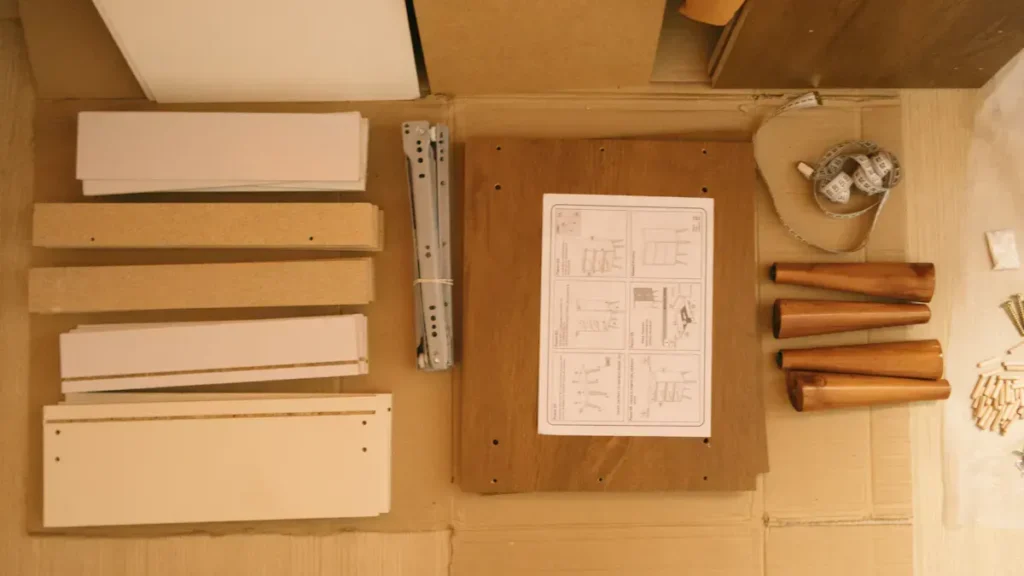
Image Source: pexels
Project Management Software
You need good project management software to help your cabinet installation. This software lets you organize tasks and assign jobs to your team. You can see all parts of your project in one place. You set deadlines and send reminders to everyone. Many programs let you upload drawings, schedules, and checklists. This makes sharing updates easy for your whole team.
Project management software helps you find problems early. You can track delays and fix them before they get worse. Built-in reports show which units are finished and which still need work. This keeps your project moving and helps you finish on time.
Tip: Pick software that works on computers and phones. Your team can check updates anywhere on the job site.
Scheduling Apps
Scheduling apps help you plan and manage each part of the installation. You use these apps to set delivery dates and track field measurements. You can organize your teams with these tools. Good scheduling apps have features made for flat-pack cabinet projects.
Here is a table showing important features and their uses:
| Feature Description | Purpose |
|---|---|
| Factory QC and pre-shipment inspections | Makes sure quality is good before delivery |
| Scheduled delivery sequencing | Matches jobsite workflows for better efficiency |
| Field measurement verification | Checks if the site is ready before installation |
| Supervised installation teams | Coordinates full cabinet set installation |
| Daily progress reporting | Improves communication and tracking |
| Final punch list completion | Makes sure all tasks are finished before handoff |
Using these features helps you install cabinets faster and avoid mistakes. You keep your schedule moving and make management easier for everyone. You also get full visibility and accountability during the install process.
- You finish jobs faster in many units.
- You avoid errors and last-minute changes.
- You keep everyone informed and on track.
Note: Scheduling apps with real-time updates help you change plans quickly when things change.
Installation Checklists
You need a checklist for every cabinet install. A checklist helps you remember each step and keeps your work consistent. Here are the main steps for a good installation checklist:
- Dry fit all panels and parts before screwing anything in place.
- Use the right tools, like a cordless drill, cabinet clamps, and a laser level.
- Check your lines with a laser level or chalk line to keep everything straight.
- Install upper cabinets first, then base cabinets, and finish with trim and toe kicks.
- Make final adjustments to doors and hardware for a clean, finished look.
A checklist helps you avoid mistakes and saves time. You can print your checklist or use a digital version on your phone or tablet. When you check off each step, you know your work meets the project’s standards.
Tip: Go over your checklist with your team before starting each new unit. This keeps everyone focused and ready.
Template Integration
You can make your cabinet installation process faster and more reliable by using templates. Templates help you keep every step clear and repeatable. When you use templates, you do not have to start from scratch each time. You save time and avoid mistakes.
Start by choosing the right templates for your project. You can find templates for schedules, checklists, and quality control logs. Many project management apps let you upload or create your own templates. You can also use simple spreadsheets or printed forms if you prefer paper.
Here are some common templates you should use:
- Installation Checklists: Track each step of the cabinet install. Make sure you do not miss anything.
- Delivery Logs: Record when cabinets and hardware arrive. Check for missing or damaged items.
- Quality Control Forms: Inspect each unit after install. Note any problems and fix them right away.
- Progress Reports: Show what work is done each day. Share updates with your team.
You can use a table to organize your templates:
| Template Type | Purpose | How to Use It |
|---|---|---|
| Installation Checklist | Step-by-step install guide | Check off each task as you go |
| Delivery Log | Track deliveries and shortages | Fill out when items arrive |
| QC Form | Inspect finished work | Complete after each install |
| Progress Report | Daily work summary | Update at end of each day |
Tip: Keep your templates in a shared folder or app. This way, everyone on your team can find and use them.
Digital tools make template integration easy. You can set up templates in project management software. Assign tasks to team members and track progress in real time. If you use a checklist app, you can update steps as you finish them. This helps you catch problems early.
Templates also help you train new workers. Show them how to use each template. Let them practice with sample projects. When everyone uses the same forms, your work stays consistent.
You should review your templates after each project. Ask your team what worked well and what needs to change. Update your templates to fix any problems. This keeps your process strong and helps you improve over time.
Note: Templates are not just paperwork. They are tools that help you deliver high-quality cabinets on time, every time.
You can make your project better by doing these things:
- Use Efficient Subcontractor Scheduling so your teams stay organized.
- Follow a paint-free SOP for flat-pack cabinets to save time and money.
- Use digital tools to track accessories and products for better quality.
Try these ideas on your next project. Tell others in the industry what worked and share your thoughts.
Subcontractor Scheduling FAQ
You follow a set of steps that skips painting. You use cabinets with factory finishes. This process saves time and keeps your project clean.
You keep teams organized. You avoid delays and mistakes. You finish jobs faster and save money.
You can use project management apps like Buildertrend or Procore. These tools track tasks, deliveries, and progress in real time.
You need to track hinges, slides, handles, fasteners, and trim pieces. Missing any item can delay your project.
You check your master schedule daily. You use color-coded charts or apps. You talk with team leads before sending crews.
You teach your team the right steps. You reduce mistakes. You build a strong crew that follows the SOP and delivers quality work.