
You have many problems when you order lots of wooden doors for your project. Supply Chain Volatility can make things late and cost more money. When you use logistics optimization, you get clear good things:
- You have fewer project delays.
- You make logistics management easier.
- You can guess costs better.
- You have less risk in your work.
Sibolla Building gives you full solutions that help your project from beginning to end. You can trust experts to keep your materials safe, your schedule on time, and your results the same every time.
Key Takeaways
- Supply chain volatility can cause late shipments and higher costs. Use logistics optimization to lower these risks.
- Pick reliable suppliers to get good quality and on-time deliveries. This keeps your supply chain steady.
- Plan for changes in demand during different seasons. Change your orders when construction cycles shift to stop shortages or delays.
- Use more than one way to ship your products. This helps you avoid delays if there are transportation problems.
- Use real-time tracking technology to watch your shipments. This helps you act fast if something is late.
- Spend money on strong packaging and good handling rules. Good protection keeps your products safe from damage during shipping.
- Train your staff often on safe handling and loading steps. This lowers the chance of accidents and damage.
- Talk clearly with all your partners. Good communication helps everyone know what is happening and fix problems fast.
Factors That Cause Supply Chain Volatility
Market Changes
Price Fluctuations
Prices often change when buying large amounts of wooden doors. The cost of raw materials goes up because of global demand and currency changes. Many buyers watch prices closely and wait for better deals. This can slow down deliveries and make planning harder.
Market changes cause delays and make buyers cautious. They keep fewer items in stock, hoping prices will drop. This uncertainty about delivery times affects how they buy, so they prefer reliable supply chains over just low prices.
You also face higher costs from new rules. North America has strict laws about using sustainable wood. These rules can raise costs and make it harder to find certified wood.
Material Supply
You compete with other materials like fiberglass, steel, and PVC. These options can affect the supply of wooden doors. Manufacturers must follow sustainability rules, which can limit how much wood is available. Sometimes, shortages happen because suppliers need to meet certification standards.
- Raw material prices go up
- Competition from materials like fiberglass, steel, and PVC
- Rules about sustainability make sourcing harder
Manufacturers find it harder to get certified wood because of stricter rules. This can increase costs and make sourcing more complicated.
Transportation Problems
Port Delays
When importing wooden doors, ports can be delayed. These delays happen because of congestion, customs checks, or labor shortages. Port delays can make it hard to keep your project on schedule. You need a trusted logistics partner to help manage these risks.
Weather Problems
Weather can slow down transportation. Storms, floods, or snow can delay shipments. You need to plan for these problems, especially in North America where weather changes fast. Using reliable carriers and flexible routes can help you avoid big delays.
Supplier Dependability
Lead Time Changes
Having dependable suppliers is key for a steady supply chain. You want suppliers who deliver on time. If lead times change often, you need to keep extra inventory. Reliable suppliers help you manage stock better and reduce the need for safety stock.
Dependable suppliers are important for keeping the bulk wooden door supply stable. They help you manage inventory, keep quality high, and offer predictable prices. All these help your business run smoothly and keep your supply chain steady.
Quality You Can Count On
You expect your suppliers to give consistent quality. If quality varies, you might have to deal with returns and damage your reputation. Reliable suppliers give steady quality, so you can focus on your project instead of checking every shipment.
Consistent quality from trusted suppliers prevents high return rates and protects your brand. When quality is steady, you spend less time on quality checks and can use your resources better.
The North American market for bulk wooden doors faces competition from other materials, strict rules about sustainability, and the need for dependable supply chains. Sibolla Building helps solve these problems by keeping supply chains stable and maintaining high quality. This builds trust with customers for the long term.
Seasonal Demand
Seasonal demand is important when buying lots of wooden doors. Order sizes and delivery times change during the year. This happens because construction has busy and slow times. These changes make it harder to plan your supply chain. You might face new problems when demand goes up or down.
Construction Cycles
Construction in North America follows certain patterns. There is more building in spring and summer. You may need to buy more wooden doors during these months. In fall and winter, building slows down in many places. You might order fewer doors and have more time to plan.
You need to change your buying plans for each season. If you do not get ready for busy times, you could run out of doors. You might also have to wait longer for deliveries. Sibolla Building’s supply network can help you get ready. Their network gives you good suppliers and flexible shipping. This helps you keep your projects on schedule, even when demand is high.
Peak Periods
Peak periods put more stress on your supply chain. You may get lots of orders when big projects start. Many builders want to finish before winter. These busy times can make it hard for suppliers and carriers. You might wait longer for your doors or pay more for fast shipping.
Let’s see how seasonal demand changes buying and delivery:
| Impact of Seasonal Demand | What It Means for You |
|---|---|
| Order values and project sizes change with the season | You must change your buying plans for bigger or smaller projects. |
| Nearly half of buyers see higher order values in peak seasons | You may need to buy more doors, which can use up your budget and storage. |
| Seasonal upticks can cause structural strains | You might have delays or shortages if your supply chain cannot keep up. |
You can lower these risks by working with Sibolla Building. Their team helps you guess how much you will need. They help you plan your inventory so you do not run out. You also get help with Supply Chain Volatility. With good planning, your projects can keep moving, even when things get busy.
Tip: Start planning early for busy seasons. Talk to your suppliers about how much you will order and when you need it. This helps you avoid surprises and keeps your project on time.
Logistics Planning for Wooden Doors
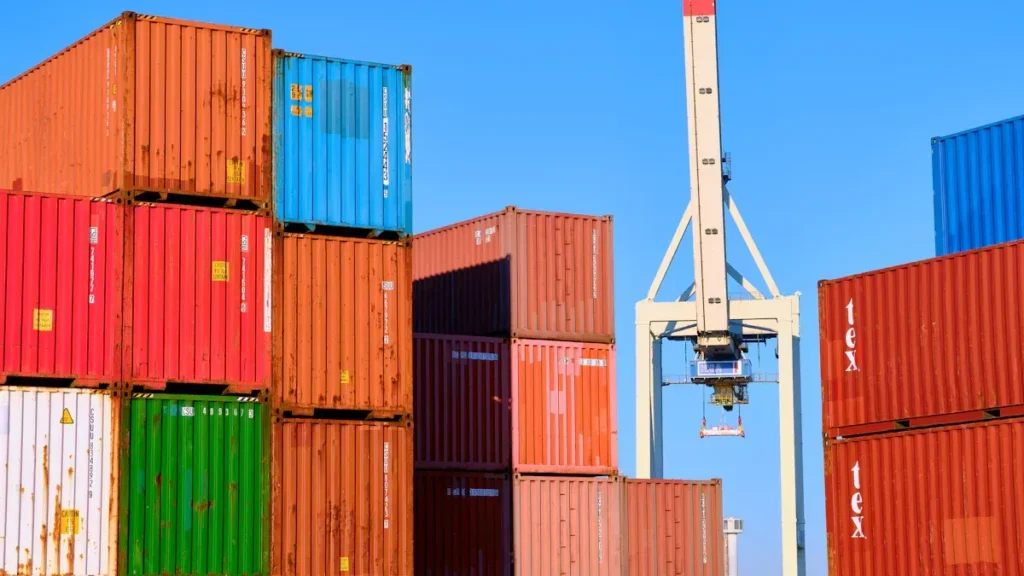
Image Source: unsplash
Route Planning & Carrier Selection
Multi-Modal Options
You can move bulk wooden doors in many ways. Sibolla Building uses multi-modal shipping. This means your doors can travel by sea, rail, air, or truck. If one way has a problem, you can use another. For example, if a port closes, you can use rail or truck instead. This helps your project keep going.
Tip: Multi-modal shipping gives you more choices. It helps you avoid delays from weather or traffic.
Carrier Evaluation
Picking the right carrier is very important. You want a carrier that is safe, reliable, and not too expensive. Sibolla Building checks each carrier for safety, speed, and price. The team also makes sure carriers follow all rules and have insurance. This lowers risk and keeps your shipment safe.
Here are the best steps for route planning and picking a carrier:
- Figure out what transport you need and pick the best route.
- Pick a carrier that is safe, reliable, and affordable.
- Get all the transport papers ready.
- Schedule vehicles based on how big and urgent the shipment is.
- Track shipments and talk to carriers often.
- Make sure delivery is done and unload carefully.
- Check how the carrier did after delivery.
- Think about cost, time, safety, rules, and sustainability.
Sibolla Building follows these steps to make sure your doors arrive safely and on time.
| Strategy | Benefit |
|---|---|
| Multimodal Shipping | Makes sure deliveries are on time using different transport types. |
| Tech-Driven Tracking | Gives real-time updates and helps you know where things are. |
| Risk Mitigation | Works with big logistics firms for good cargo insurance. |
| Quality Assurance | Checks quality at many stages and has QA engineers for reliability. |
Inventory & Warehousing
Safety Stock
You need extra doors in stock so you do not run out. Sibolla Building helps you know how much safety stock you need. This means you always have enough doors, even if there are delays or big orders. Good planning keeps your project on track.
Storage Strategies
Smart storage keeps your doors safe and easy to find. Sibolla Building uses advanced inventory systems to track every door. These systems show you your stock levels right away. You can see what you have and what you need to order. This helps you waste less and save money.
- Advanced inventory systems show your stock in real time.
- You can keep the right amount and not order too much.
- Better tracking means less waste and better use of resources.
Technology & Tracking
Real-Time Visibility
You can see where your doors are at every step. Sibolla Building uses GPS and IoT sensors to track shipments. Dispatchers watch a live map and can spot problems fast. This stops delays and helps you plan better.
| Aspect | Description |
|---|---|
| Real-time inventory tracking | RFID tags update stock levels right away, so you always know what you have. |
| Automation of processes | RFID works with Advanced Shipping Notices to speed up receiving and sending out shipments. |
- Real-time data helps you make quick choices.
- You get instant updates on where trucks and doors are.
- Fewer missed deliveries mean you save fuel and labor.
Predictive Analytics
Sibolla Building uses predictive analytics to help you plan ahead. The system looks at old data to guess when you will need more doors. This helps you avoid running out and keeps your supply chain strong. You can order the right amount at the right time.
| Evidence Description | Impact on Supply Chain Efficiency |
|---|---|
| IoT sensors and smart devices track materials all the time, making sure deliveries are right. | Helps you see what is happening and makes fewer mistakes. |
| Edge computing sends data fast for better teamwork. | Helps you make decisions faster and work better. |
| Good tracking means less loss and theft, and better planning. | Makes inventory management and cost control easier. |
Note: Technology and tracking tools help you lower Supply Chain Volatility. You get more control, fewer surprises, and better deliveries.
Partner Collaboration
You need good partners to keep your supply chain steady. Sibolla Building works with trusted partners. They make sure your wooden doors come on time and in good shape. When everyone works together and shares news, you get better results.
Strategic Partnerships
Sibolla Building makes long-term deals with key suppliers, carriers, and logistics providers. These partnerships help you get good service and quick help when there is a problem. You do not have to worry about sudden changes or delays. Your partners know what you need.
Here is how strategic partnerships help you:
- Consistent Quality: You get the same high-quality doors every time.
- Faster Response: Partners fix problems fast if something goes wrong.
- Better Prices: Long-term deals can give you better prices.
- Shared Goals: Everyone works for the same project goals.
Tip: Pick partners who know your project and can change plans if needed. This keeps your supply chain strong and flexible.
You can see how strategic partnerships help in this table:
| Benefit | What It Means for You |
|---|---|
| Reliable Deliveries | Fewer delays and less waiting |
| Quality Assurance | Fewer damaged or faulty doors |
| Cost Control | More stable prices and fewer surprises |
| Risk Reduction | Partners help solve problems fast |
Communication Protocols
Good communication helps your project stay on track. Sibolla Building uses clear rules to share news with all partners. You always know what is happening with your order.
Key parts of strong communication protocols:
- Regular Updates: You get news at every step, from order to delivery.
- Centralized Information: All details are in one place, so you do not miss anything.
- Fast Problem Alerts: If something changes, you hear about it right away.
- Clear Contacts: You know who to call for help or questions.
Note: Good communication helps you fix problems before they get big. You save time and avoid costly mistakes.
Sibolla Building uses digital tools to make talking easy. You can track your shipment, see reports, and talk to your project manager right away. This keeps everyone working together and helps your project go well.
In summary:
When you work with Sibolla Building, you get more than just doors. You get a team of partners who help you from start to finish. Good partnerships and clear communication make your supply chain safer, faster, and more reliable.
Damage Prevention for Wooden Doors and Windows
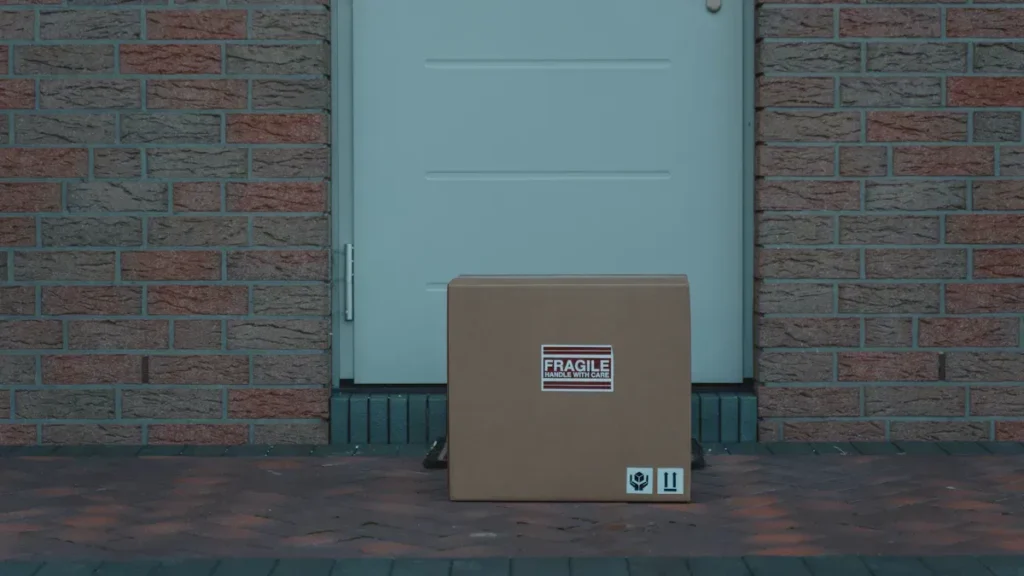
Image Source: pexels
Packaging Solutions
Protective Materials
You need strong packaging to keep wooden doors safe during shipping. Sibolla Building uses end-of-line packaging equipment that wraps each door tightly. This wrapping stops doors from moving or hitting each other. You get less damage from bumps or drops. The packaging fits bulky and fragile items, so your doors arrive in good shape.
- End-of-line packaging equipment protects doors and windows.
- Secure wrapping reduces damage from shifting or impact.
- Packaging fits large and fragile materials.
You can trust these methods to lower the risk of broken or scratched doors.
Custom Crating
Custom crates give extra protection for your bulk wooden doors. Sibolla Building designs wooden crates for oversized, fragile, or high-value doors. You can choose one-time export crates or reusable crates with foam lining. These crates have foam inserts, collapsible parts, and strong frames. They keep your doors safe from pressure and shocks during long trips.
- Custom wooden crates fit your doors exactly.
- Foam inserts stop movement inside the crate.
- Collapsible and reinforced designs make shipping easier and safer.
You get peace of mind knowing your doors will not get damaged on the way to your site.
Handling Protocols
Loading Techniques
You must load doors the right way to prevent damage. Sibolla Building trains workers to use safe loading methods. They place doors upright and use padding between each one. Workers secure the load so nothing shifts during transport. This keeps the doors from bending or breaking.
- Place doors upright on pallets.
- Use padding between each door.
- Secure loads with straps or braces.
Safe loading means fewer problems when your shipment arrives.
Equipment Selection
You need the right tools to move heavy doors. Sibolla Building uses forklifts, pallet jacks, and soft slings. These tools lift doors gently and keep them steady. Workers check equipment before use to make sure it works well. Good equipment stops drops and scratches.
- Use forklifts and pallet jacks for heavy loads.
- Choose soft slings to avoid surface damage.
- Inspect tools before every use.
You protect your investment by using the best equipment for the job.
Quality Control
Pre-Shipment Inspection
You want to know your doors meet high standards before they leave the factory. Sibolla Building checks every door for size, finish, and strength. The team looks for cracks, warping, or other defects. They also check the core type to match your project needs. For example, you can choose particle core for cost savings, mineral core for fire safety, or solid core for top durability.
| Core Type | Key Features | Limitations |
|---|---|---|
| Particle Core | Cost-effective, good structure, 20-minute fire rating | Not for high-security, basic soundproofing |
| Mineral Core | High fire resistance, up to 90-minute rating, good soundproofing | Lightweight, harder to install hardware |
| Solid Core | Very durable, great sound insulation, fire ratings 20-90 minutes | Heavy, needs strong frames |
You get a report with every shipment, so you know your doors are ready for use.
Receiving Checks
You should check your doors when they arrive. Sibolla Building gives you a checklist to follow. Look for damage, count the doors, and check the labels. If you find a problem, report it right away. This helps fix issues fast and keeps your project on track.
- Inspect doors for cracks or dents.
- Count all items and match them to your order.
- Check labels for size and type.
Quick checks at delivery help you avoid delays and keep your supply chain strong. You lower Supply Chain Volatility by catching problems early and working with a reliable partner.
Training & SOPs
Staff Training
You need skilled workers to keep your wooden doors safe. Sibolla Building invests in training programs that teach your team the right way to handle, move, and store doors. These programs give your staff the skills they need to avoid mistakes and prevent damage.
- You learn how to lift doors safely. This keeps you and your coworkers from getting hurt.
- You practice using equipment like forklifts and pallet jacks. This helps you move heavy doors without dropping them.
- You understand how to spot hazards in the warehouse or on the job site. This means you can fix problems before they cause damage.
- You follow clear steps for loading and unloading. This keeps doors from bending, scratching, or breaking.
Regular training sessions help you remember these skills. You stay up to date with the best ways to protect your materials. When you know what to do, you feel more confident at work. You also help build a culture of safety. Your team will report hazards and follow the rules because everyone wants to keep the doors in good shape.
Tip: Ask questions during training. If you do not understand a step, your supervisor can show you the right way. This helps you avoid mistakes and keeps your project on track.
Documentation
You need clear instructions to do your job well. Sibolla Building provides easy-to-read documents for every step of the process. These documents include standard operating procedures (SOPs) that show you exactly what to do.
- You get checklists for receiving, storing, and shipping doors.
- You see diagrams that show the best way to stack and secure doors.
- You read step-by-step guides for using equipment and handling fragile items.
- You find emergency instructions in case something goes wrong.
SOPs help you work the same way every time. This means fewer mistakes and less confusion. When you follow the steps, you protect the doors and keep your project running smoothly. If you are new to the job, you can use these guides to learn quickly. If you have more experience, you can use them to check your work.
Note: Keep your SOPs in a place where everyone can see them. Review them often, especially when you start a new task or use new equipment.
By focusing on training and clear instructions, you lower the risk of damage. You also make your workplace safer and more organized. Sibolla Building supports you with the tools and knowledge you need to succeed.
Case Studies & Real-World Examples
Success Stories
Packaging Innovation
You want your wooden doors to arrive safe and undamaged. Sibolla Building helps you do this. In one hotel project in Canada, you needed to ship over 500 custom wooden doors. The team used special crates with foam inserts and strong frames. Each crate fit the doors perfectly. This stopped the doors from moving during shipping. Workers added shock-absorbing corners and moisture barriers. When the doors arrived, there was no damage. You saved money and time because you didn’t have to fix or replace any doors.
Tip: Custom packaging protects your investment. Ask your supplier about crate design and protective materials before shipping.
Logistics Tracking
You want to know where your shipment is at all times. Sibolla Building uses real-time tracking for every order. In a recent apartment project in Texas, you ordered a large batch of wooden doors. The team attached RFID tags to each crate. You could check the location and status of your shipment online. When a storm delayed one truck, the system sent you an alert. The logistics team quickly changed the route. Your doors still arrived on time. You kept your project on schedule and avoided extra costs.
| Feature | Benefit to You |
|---|---|
| RFID Tracking | Real-time location info |
| Instant Alerts | Quick response to delays |
| Route Updates | On-time delivery |
Lessons Learned
Route Planning Failures
Some companies do not plan routes well. This can cause delays or lost shipments. In one case, a builder chose the cheapest carrier without checking their experience. The shipment got stuck at a busy port for two weeks. The project lost time and money. Sibolla Building avoids this by checking every carrier and planning routes with backup options. You get reliable delivery and fewer surprises.
Supplier Vetting Issues
You need trustworthy suppliers. In another example, a contractor picked a new supplier without checking their record. The doors arrived late and had quality issues. The project faced extra costs and unhappy clients. Sibolla Building always checks supplier history, quality standards, and delivery records. You get steady quality and on-time shipments.
Note: Always ask for supplier references and review their past work. This helps you avoid costly mistakes.
You can learn from these examples. When you use Sibolla Building’s methods, you lower your risks and keep your projects running smoothly.
Wooden Doors: Procurement Checklist
Step-by-Step Guide
Planning
You need a good plan before buying lots of wooden doors. Planning helps you stop mistakes and delays. Use this checklist to help you:
| Step | Description |
|---|---|
| Supplier Selection and Evaluation | Pick suppliers who care about the earth and use safe ways. |
| Pre-Qualification Requirements | Check that suppliers follow laws and have strong systems. |
| Responsible Material Sourcing | Choose materials from local places and use green methods. |
| Sustainable Transportation | Pick shipping that uses less fuel and saves energy. |
| Packaging and Waste Reduction | Ask for less packaging and recycling when you can. |
| Control of Hazardous Materials | Watch for dangerous things and handle them safely. |
| Ethical Supply Chain Practices | Work with suppliers who treat workers well and follow rules. |
| Monitoring and Reporting | Keep records to show you use safe and green ways. |
Tip: Go over your plan with your team before you order. This helps everyone know what to do.
Monitoring
You need to watch your supply chain all the time. Use Sibolla Building’s tools to check every step. Set alerts for late shipments or low stock. Check how well suppliers do their job. Make sure your records are always current.
- Track orders from start to finish.
- Use live dashboards to see where your doors are.
- Get alerts if there are delays or problems.
- Check supplier quality and delivery times.
Assessment
After each project, see how your supply chain did. Look for ways to do better next time. Ask these questions:
- Did your doors come on time?
- Was anything damaged?
- Did you stay on budget?
- Did you follow all safety and green rules?
Write down what worked and what did not. Share what you learned with your team. Use this to make your next project better.
Key Metrics
You need to measure your supply chain to see how it works. These key metrics help you find problems and get better.
| Metric | Description |
|---|---|
| Delivery Rate | Track the share of deliveries that meet the agreed dates. Compare planned and actual dispatch and arrival dates to identify delays. |
| Damage Rate | Counts how many doors are damaged. Low damage means better packaging and handling. |
| Inventory Turnover Ratio | Tells how fast you sell and replace doors. High turnover means you manage stock well and save money. |
| Reorder Point (ROP) | Shows when you need to buy more doors so you do not run out. |
| Days Sales of Inventory (DSI) | Measures how long it takes to sell your doors. Lower DSI means better cash flow. |
| Gross Margin Return on Inventory (GMROI) | Checks if your inventory makes money. Over 1 means you earn more than you spend. |
| Stockout Rate | Counts how often you run out of doors. Lower rates mean better planning. |
| Carrying Costs of Inventory | Adds up the cost to store, insure, and keep your doors. Lower costs help your business make more money. |
Note: Inventory turnover helps your supply chain work well. When you sell and replace doors fast, you keep cash moving and pay less for storage.
You can use these metrics with Sibolla Building’s digital tools. This helps you make smart choices and keep your projects on track.
You can make Supply Chain Volatility less by using good logistics and damage prevention plans. Domestic sourcing and vertical integration help you stop delays and keep quality high.
Chaparral makes doors in Ontario, California. They ship in 7 to 10 days because they do not use third-party shippers.
Sibolla Building gives you organized solutions. They use multimodal shipping, smart tracking, and eco-friendly rules.
| Feature | Sibolla Building | Industry Standard |
|---|---|---|
| Logistics Tracking | Advanced | Common |
| Quality Assurance | Free prototypes | Samples |
You should work with your suppliers for a long time. You also need backup plans to keep your supply chain steady.
FAQ
What makes Sibolla Building different from other suppliers?
You get a single point of contact for your whole project. Sibolla Building manages design, production, and delivery. You save time and avoid mistakes because everything works together.
How does Sibolla Building prevent damage during shipping?
You receive doors packed in custom crates with foam inserts. Workers use safe loading and handling methods. Real-time tracking helps you know where your shipment is at all times.
Can I track my order in real time?
Yes. You can use Sibolla Building’s digital tools to see where your doors are. You get instant updates if there are any changes or delays.
What should I do if my shipment arrives damaged?
Check your doors right away. Take photos and note any problems. Contact your Sibolla Building project manager. The team will help you fix the issue quickly.
How do I know which door core type is best for my project?
You should choose based on your needs:
- Particle core: Good for cost savings.
- Mineral core: Best for fire safety.
- Solid core: Strongest and quietest.
Does Sibolla Building offer eco-friendly options?
Yes. You can request doors made from certified wood and sustainable materials. Sibolla Building follows green practices for sourcing and packaging.
How can I prepare for seasonal demand changes?
Plan early. Talk to your supplier about your needs for busy times. Keep extra stock if you expect big orders. Use Sibolla Building’s planning tools to avoid shortages.