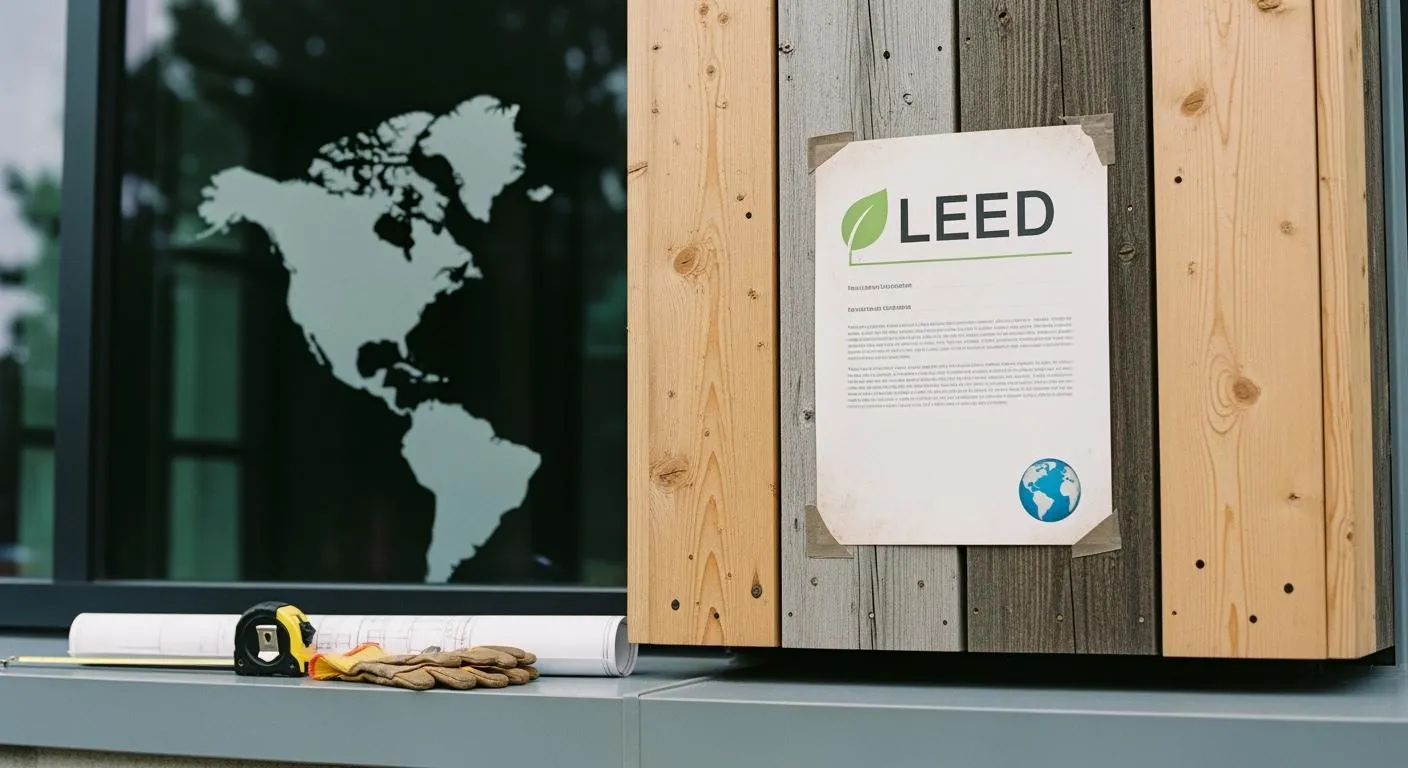
For wall-panel procurement, I use EPDs to review declared environmental impacts and separate that review from product emissions and LEED credit eligibility. An EPD is disclosure evidence; its existence alone does not prove low carbon or healthier indoor air.
| Aspect | Description |
|---|---|
| Transparency | EPDs give checked, science-based reports about how products affect the environment. |
| Sustainability | They help you make smart choices for better materials. |
| Compliance | EPDs help you get points for sharing information in systems like LEED. |
Sibolla Building gives you low-carbon solutions that work together. These solutions help you reach your goals and finish projects faster.
Key Takeaways
- LEED Certification gives rewards for using low-carbon wall panels. This helps people build in a better way for the planet.
- Environmental Product Declarations (EPDs) give trusted facts. These facts help you compare how materials affect the environment.
- If you use products with EPDs, you can get LEED credits. This also shows you care about helping the Earth.
- Pick your materials early in your project. This helps you follow LEED rules and get more credits.
- EPDs let you see how much carbon is in your materials. They help you make smart choices for your project and the planet.
- Sibolla Building gives easy solutions. They make it simple to get EPD-backed wall panels and soft furnishings.
- Check your material choices often. This helps you keep up with new green building rules and keeps your project on track.
- Work with your team and community. This helps everyone see why low-carbon materials are good and makes it easier to try new things.
LEED Certification and Low-Carbon Procurement
LEED’s Impact on Material Choices
Use the project’s registered LEED version and rating system to define material and embodied-carbon requirements. Do not transfer a credit calculation unchanged between v4, v4.1 and v5.
- Confirm the embodied-carbon assessment scope for the applicable rating system.
- You can get extra credits for lowering carbon even more.
- You get rewards for reusing materials.
Sibolla Building matches these goals. Sibolla gives you solutions that help you meet LEED Certification rules. You get packages that make buying easier and support low-carbon choices.
Tip: Start picking your materials early. Use EPD data to show how you lower impact. Update your choices every few years to keep your project eligible.
EPDs in LEED Projects
You use Environmental Product Declarations (EPDs) to make smart choices. EPDs show how wall panels and other materials affect the environment. They help you compare products and pick ones with less carbon. EPDs help you with LEED Certification by giving clear and measured data.
| Aspect | Description |
|---|---|
| Embodied Carbon Reduction | LEED v5 gives credits for lowering embodied carbon and counts jobsite emissions for more openness. |
| Flexibility in Compliance | You can get points with EPDs, even if you do not do a full life cycle study. |
| Holistic Health Focus | LEED cares about people’s health and uses low-emitting materials for a full approach. |
| Improved Documentation | You get more ways to show your work, using online tools to make picking products easier. |
| Incentivizing Better Choices | LEED gives rewards for picking products that help carbon, social health, and ecosystem health. |
Keep EPD disclosure, embodied-carbon comparison and indoor-emission testing separate. An EPD does not establish an indoor-air benefit.
- EPDs give clear facts about environmental impact.
- EPDs fit with LEED rules for picking materials.
- Request separate low-emission evidence where required; an EPD is not an emissions certification.
Market Shifts Toward Low-Carbon Materials
You see the market moving toward low-carbon wall panels. More projects need materials that meet green standards like LEED and BREEAM. Makers now offer certified, recyclable, and low-carbon products. Green buildings are growing and give new chances for suppliers.
- Compare actual quotations and project records before claiming a percentage improvement.
- Projects focus on low-emitting materials for furniture, paint, and carpets.
- Ask whether the designer needs EPDs for this project. No verified industry-wide adoption percentage is established here.
Sibolla Building helps with these market changes. Sibolla gives you packages with EPD-backed wall panels and soft furniture. You get answers that help you reach green goals and make managing projects easier.
Note: More people want EPD-backed wall panels. You gain by picking suppliers who give full, low-carbon solutions.
Understanding EPDs for Wall Panels
Image Source: pexels
What Is an EPD?
Check the EPD’s programme operator, product category rules, declared unit, included life-cycle stages, verification and validity. Compare only sufficiently compatible data.
When you read an EPD for wall panels, you will find several key parts:
- Product information: You learn about the wall panel and the company that makes it.
- EPD details: The report tells you which rules and standards the EPD follows.
- Manufacturer information: You get contact details for the company.
- Verification details: The EPD shows how experts checked the data.
- Environmental impacts: You see results from a life-cycle assessment, like carbon emissions and energy use.
Tip: Always check if the EPD is verified by a third party. This helps you trust the data even more.
EPDs vs. Other Certifications
When you shop for wall panels, you may see other certifications. These include labels like GREENGUARD, FSC, or Cradle to Cradle. Each label looks at a different part of sustainability. GREENGUARD checks for low chemical emissions. FSC makes sure wood comes from responsible sources. Cradle to Cradle looks at recycling and material health.
An EPD reports impacts within its declared scope, which may not cover every life-cycle stage. Compare compatible units, methods and boundaries before ranking products.
| Certification Type | Focus Area | What You Learn |
|---|---|---|
| EPD | Life-cycle environmental impact | Carbon, energy, resources |
| GREENGUARD | Indoor air quality | Chemical emissions |
| FSC | Responsible sourcing | Wood origin |
| Cradle to Cradle | Circularity, material health | Recyclability, safety |
Why EPDs Matter for Wall Panels
You want to make smart choices for your building. EPDs help you do this. They give you clear data about the wall panels you use. This helps you lower your project’s carbon footprint and reach LEED Certification goals.
An EPD supports disclosure. A lower-impact claim needs a defensible comparison; publication of a declaration alone does not prove environmental superiority. [1]
Note: Picking wall panels with EPDs helps your project’s sustainability story. You build trust with everyone involved.
More architects and builders use EPDs every year. The market expects you to know about them. If you want to stay ahead, start asking for EPDs from your suppliers. This easy step can help your project stand out.
LEED Certification Credits for Wall Panels
LEED v4/v5 Materials Credits
You want your project to get LEED Certification. You need to know which credits are for wall panels. LEED v4 and v5 care about materials that lower carbon and make air cleaner. You have to pick wall panels that follow tough rules. These rules give you rewards for using products that let out fewer chemicals and help people stay healthy.
Low-emitting materials and EPD disclosure are separate LEED issues. Compare actual quotations and project records before claiming a percentage improvement.
| Evidence | Procurement check |
|---|---|
| EPD | Actual product scope, declared unit and boundaries |
| Low emissions | Separate applicable product test or listing |
| LEED contribution | Registered version and project-level calculation |
| Performance and cost | Actual specification and quotation |
Tip: You can get a better score if you pick wall panels that meet these rules. Always look at the product papers before you buy anything.
EPD Requirements for Wall Panels
Check the applicable credit’s accepted declaration types and valuation rules. Product-specific and industry-wide evidence may be treated differently; neither earns automatic points for a single panel.
You should get EPDs early in your project. Ask your supplier for the newest EPDs. Make sure the EPDs are for the wall panels you want to use. You must keep these papers ready for your LEED paperwork.
- Check the applicable valuation of product-specific declarations.
- Check the applicable valuation and scope of industry-wide declarations.
- EPDs must be up-to-date and checked.
Note: EPD-backed wall panels help you meet LEED Certification rules and show you care about the planet.
Earning Points with EPD-Backed Panels
Credit achievement depends on the applicable project-level calculation and documentation. Adding more panels does not automatically produce more points.
You should make a checklist for picking wall panels. Write down if the panel has an EPD, if it is low-emitting, and who sells it. Share this checklist with your team. This helps everyone stay organized and makes your LEED paperwork easier.
- Track products using the applicable credit’s calculation method.
- Use a checklist to keep your papers in order.
- Share EPDs with your team and inspectors.
Callout: EPD-backed wall panels help you get credits and make your project look better.
You can see that LEED Certification credits for wall panels are about being open and keeping people healthy. You must pick products that follow strict rules and have clear papers. This way, you build places that are good for people and the earth.
Sibolla Building’s Approach to Sustainable Wall Panels
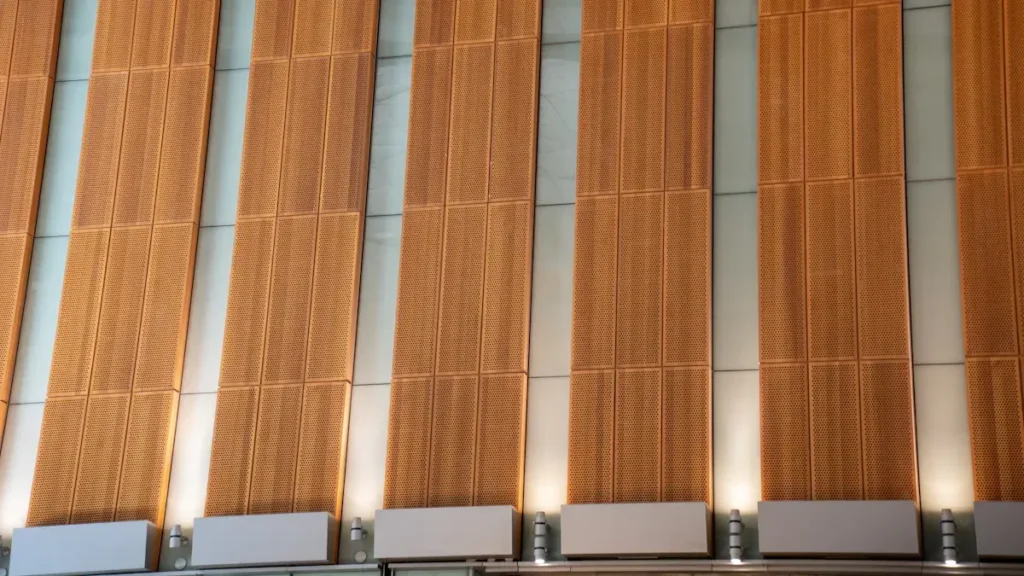
Image Source: pexels
Integrated Material Solutions
You want your building project to go smoothly. Sibolla Building gives you help with wall panels and soft furnishing. You only need to talk to one company for buying, planning, and shipping. This makes things less confusing and keeps your project on time.
Sibolla Building helps with every part of the job. You get support for design, checking plans, and picking materials. The team looks at every detail to fit your project. You do not have to deal with lots of suppliers. Sibolla’s system links making and sending products, so you get good quality and fewer problems.
Note: Using integrated solutions saves you time and stops mistakes. Your project gets better communication and expert help.
Soft Furnishing and Wall Panel Options
You can pick from many soft furnishing and wall panel choices. Sibolla Building has custom curtains, carpets, bedding, cushions, and special fabrics. You also get wall panels that fit your style and work needs. Every product is made to match your plans.
Sibolla’s wall panels and soft furnishing help you reach your green goals. You can choose materials with Environmental Product Declarations. These EPDs give you clear facts about how each product affects the environment. This helps you follow LEED Certification rules and get points for your project.
- EPDs give you science-based facts for building materials.
- You can use EPD-backed products to earn LEED points.
- Product-specific EPDs show you care about green building.
For a comparable project, request verifiable references and confirm the actual drawings, specifications, delivery scope and recorded results before using a case study in the procurement decision.
Project Management and Global Delivery
You want your materials to come on time and in good shape. Sibolla Building takes care of everything, from the factory to your job site. You get online tracking, quality checks, and expert help with shipping. The team packs and ships your wall panels and soft furnishing safely.
For a comparable project, request verifiable references and confirm the actual drawings, specifications, delivery scope and recorded results before using a case study in the procurement decision.
Tip: With Sibolla’s project management, you can focus on building while experts handle the details. Your project stays on track and meets green building standards.
Steps to Procure EPD-Backed Wall Panels
Identifying EPD-Compliant Products
Request current EPDs for the actual proposed products. Confirm declared units, boundaries and programme rules before comparing impacts or using them in a LEED calculation.
You should also check if experts have verified the EPD. Third-party checks mean someone else made sure the data is right. This makes your choice more trustworthy. Many companies now show EPDs on their websites or in catalogs. You can use online tools like UL SPOT or EC3 to compare products.
Tip: Always look at the EPD’s expiration date. Only use EPDs that are still good for your project.
Working with Suppliers Like Sibolla Building
Ask Sibolla which proposed panels have applicable EPDs and separate emissions evidence. Confirm document availability before committing to a material.
Sibolla’s experts look at your project plans and suggest the right materials. You get samples, technical facts, and EPD papers. The team handles making and shipping, so you do not need to talk to many suppliers. You have one person to ask questions and get updates.
| Evidence | Procurement check |
|---|---|
| EPD | Actual product scope, declared unit and boundaries |
| Low emissions | Separate applicable product test or listing |
| LEED contribution | Registered version and project-level calculation |
| Performance and cost | Actual specification and quotation |
Note: Picking a supplier with full services saves you time and helps you avoid mistakes.
Documentation for LEED Submission
You need to get the right papers ready for your LEED submission. Keep all EPDs for the wall panels you use. Collect Declare Labels if you can. Make a plan for how you will handle leftover building materials.
- Environmental Product Declarations (EPDs)
- Declare Labels
- Construction & Demolition Waste Management plan
Put these papers in a digital folder. Share them with your team and your LEED consultant. Good paperwork makes your LEED review faster and easier.
Callout: Having the right papers helps you get LEED credits and shows you care about low-carbon building.
You can follow these steps to make buying wall panels simple and clear. You help your project meet green rules and stand out in the market.
Benefits for Project Teams
Streamlined LEED Compliance
You want your project to follow LEED rules without stress. EPD-backed wall panels make this much easier. These panels come with clear and checked data. You can use this data to show your materials meet LEED rules. When you pick products with EPDs, you spend less time looking for papers. You get to focus more on building your project.
The table below shows how EPD-backed wall panels help with LEED:
| Evidence | Procurement check |
|---|---|
| EPD | Actual product scope, declared unit and boundaries |
| Low emissions | Separate applicable product test or listing |
| LEED contribution | Registered version and project-level calculation |
| Performance and cost | Actual specification and quotation |
Tip: EPD-backed panels help you keep your LEED papers in order. You can send your paperwork faster and make fewer mistakes.
Reduced Carbon Footprint
Use compatible life-cycle data to evaluate a lower-impact option. An EPD alone does not establish a carbon reduction or operational-energy saving.
- Calculate embodied-carbon differences from compatible data and the actual project quantities.
- Estimate savings from the actual building, rated product and operating baseline.
- Using recycled materials means less trash and less pollution.
You also help your team reach green goals for your company or client. When you use EPD-backed panels, you show you care about the earth and the future.
Note: Every low-carbon choice helps. You make the world better, one project at a time.
Enhanced Project Value
Compare material performance, cost and environmental evidence separately. EPD-backed products do not guarantee lower bills, faster construction or increased property value.
Here is how low-carbon wall panels help your project’s value:
| Evidence | Procurement check |
|---|---|
| EPD | Actual product scope, declared unit and boundaries |
| Low emissions | Separate applicable product test or listing |
| LEED contribution | Registered version and project-level calculation |
| Performance and cost | Actual specification and quotation |
You can tell people your project is green and saves energy. Owners pay less and get better results. Investors see you care about green building. You get known for doing good work and being responsible.
Callout: Picking EPD-backed wall panels is a smart choice. You meet green rules, save money, and build projects people trust.
Overcoming Challenges in Low-Carbon Procurement
Common Barriers
You might have problems when buying low-carbon wall panels. Many people do not know why these materials are good. Some people do not get enough training or rewards for picking low-carbon choices. Your community might not like new materials at first. People often want to use what they already know. Many teams do not always understand local building rules.
- Many users do not get training or rewards.
- Communities sometimes do not want new materials.
- Local building rules can be confusing.
Tip: Talk with your team and your community. Share facts about low-carbon wall panels. Explain how they help your project and the planet.
Solutions and Best Practices
You can solve these problems by taking smart steps. Start by doing a Life Cycle Assessment (LCA). This tool shows how your materials affect the planet from start to finish. Use Environmental Product Declarations (EPDs) to give clear facts about your products. When you pick lower carbon products, you help cut down on carbon emissions.
Some teams use a “book and claim” model. This lets you support cleaner materials, even if you do not buy them yourself. You can show you care about green building and still meet your project needs.
- Do a Life Cycle Assessment (LCA) for your materials.
- Use EPDs to give clear facts.
- Pick products with less carbon.
- Try a “book and claim” way to support clean materials.
Note: These best practices make it easier for your team to pick the right products and follow green building rules.
Future Trends
You will see big changes in buying low-carbon wall panels soon. More people want green materials for their buildings. New technology will make better panels that are strong and good for the earth. New rules will push for greener ways to build. You will find more green choices that cost less in new places.
Green building certifications like LEED and BREEAM will change how products are made. Companies will make panels that are easy to recycle and use again. The circular economy will become more important. This means you will pick materials that last longer and make less waste.
- More people will want green materials.
- Technology will make wall panels better.
- New rules will support green building.
- New markets will have cheaper green options.
- Certifications like LEED will shape new products.
- Circular economy ideas will help recycling and reuse.
Callout: Keep learning about these trends. You can help your team make better choices and build a greener future.
Sustainable construction is getting more popular in North America. LEED Certification and EPDs help you pick wall panels with less carbon. Sibolla Building gives you strong solutions that fit your goals. To keep your project moving, choose panels with EPDs. Use materials with low VOCs. Design for good air and sound quality. Keep working toward green building by using best practices. Update your choices as rules change.
FAQ
An EPD declares environmental impacts within a defined scope. It may support an applicable LEED disclosure calculation, but does not itself certify low carbon.
Verify product scope, programme rules, validity and the applicable LEED valuation; no declaration earns automatic points.
Industry-wide declarations may be acceptable under particular credit rules. Check the applicable version and scope.
Ask which EPDs, material disclosures and technical records are available for the proposed products.
Confirm documentation for the actual acoustic, fabric-wrapped or decorative panel model rather than assuming every option has an EPD.
Share the project’s rating system, material specifications and evidence requirements, then confirm available models and documentation.
EPD-backed panels show you care about being green. You attract investors, meet green building standards, and make your project look better.
References and Sources
Sources checked on 27 September 2026. Apply each standard within its stated scope and verify current requirements for the project destination.