For impact-resistant windows and doors in a US coastal home, confirm the local wind and windborne-debris requirements before selecting windows and doors. Impact resistance, design pressure, water resistance and installation are separate checks; an impact rating does not establish flood protection. See Sibolla Building for related project options.
Key Takeaways
- Coastal homes often have storms with strong winds and flooding. Salt can also damage these homes. These things can make homes less safe and not last as long. Impact-resistant storm doors and windows are made from strong materials. They use laminated glass and frames that resist corrosion under suitable conditions and maintenance. These materials help protect homes from flying objects and bad weather. These doors and windows follow strict building rules. They pass hard tests to show they can handle hurricanes and strong winds. Putting in impact-resistant doors makes homes safer and more secure. It also helps save energy and lowers repair costs after storms. Homeowners can pay less for insurance if they use certified impact-resistant products. These products make homes less risky. Impact-resistant doors and windows come in many styles. You can choose different designs and still stay safe. These products also make homes quieter. They block harmful UV rays and make homes worth more money. In the future, coastal homes will have smart features. These will include windows that tint by themselves and remote monitoring. These things will make homes more comfortable and safe.
Coastal Weather Risks and Impact-Resistant Glazing
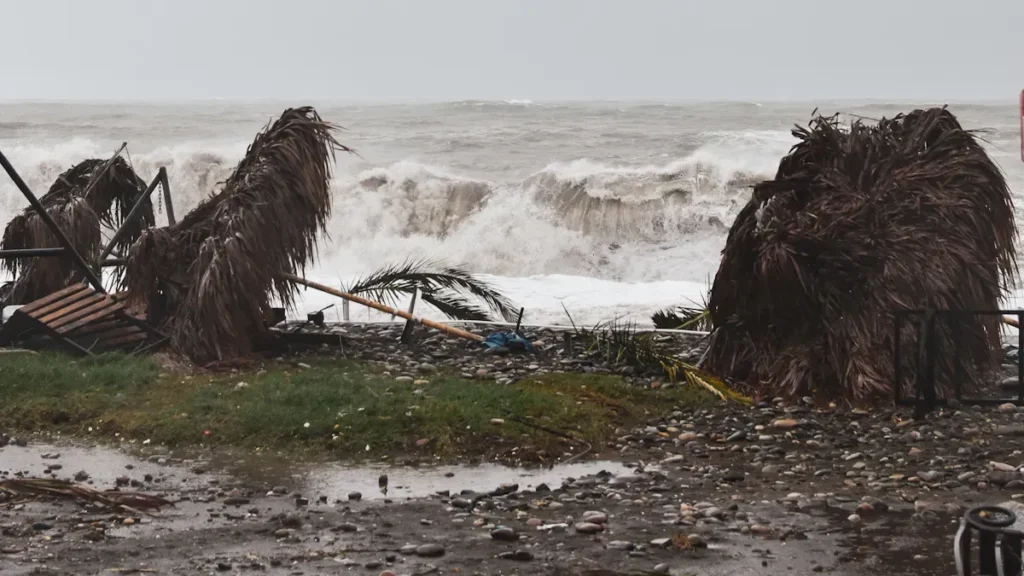
Image Source: pexels
Storm Frequency and Severity
Storms happen a lot near the coast. Hurricanes and nor’easters are common in the United States. Hurricanes bring strong winds and heavy rain. They also cause storm surges. These storms can damage homes and put people in danger. The Great Hurricane of 1938 caused big storm surges in New England. Nor’easters form outside the tropics. They hit the northeastern and mid-Atlantic states. Nor’easters cause flooding and high winds. Sea levels rising makes the damage worse. These storms are not rare. They happen often for people living near the coast.
Regional Vulnerabilities
Different coastal areas have different risks. Hurricanes can hit the Southeast quickly. The Gulf Coast gets strong storms and lots of rain. The Northeast faces nor’easters with snow, rain, and wind. Flooding is worse because sea levels are rising. Salt in the air harms building materials fast. Homes near the shore wear out faster than inland homes. Builders use stronger materials and better designs now. This helps homes last longer in tough weather. Impact-Resistant Storm Doors help protect homes from flying debris and strong winds.
Impact on Home Safety
Extreme weather can hurt your home in many ways. Flooding, high winds, salt, erosion, and humidity are all dangers. The table below shows how these problems affect your home:
| Challenge | Impact on Safety |
|---|---|
| Flooding and storm surge | Heavy rain and ocean surges can cause big floods. |
| High winds | Winds from hurricanes can go over 150 mph and break homes. |
| Salt exposure | Salt spray makes regular building materials break down fast. |
| Erosion | Shoreline erosion can weaken foundations and make homes unsafe. |
| Humidity | Moisture causes mold and wood rot, which is dangerous. |
You need to keep your home safe from these threats. Strong doors and windows help protect your family. Builders pick materials that can handle these risks. Impact-Resistant Storm Doors give your home extra protection from bad weather.
Impact-Resistant Storm Doors: Technology and Engineering
Image Source: unsplash
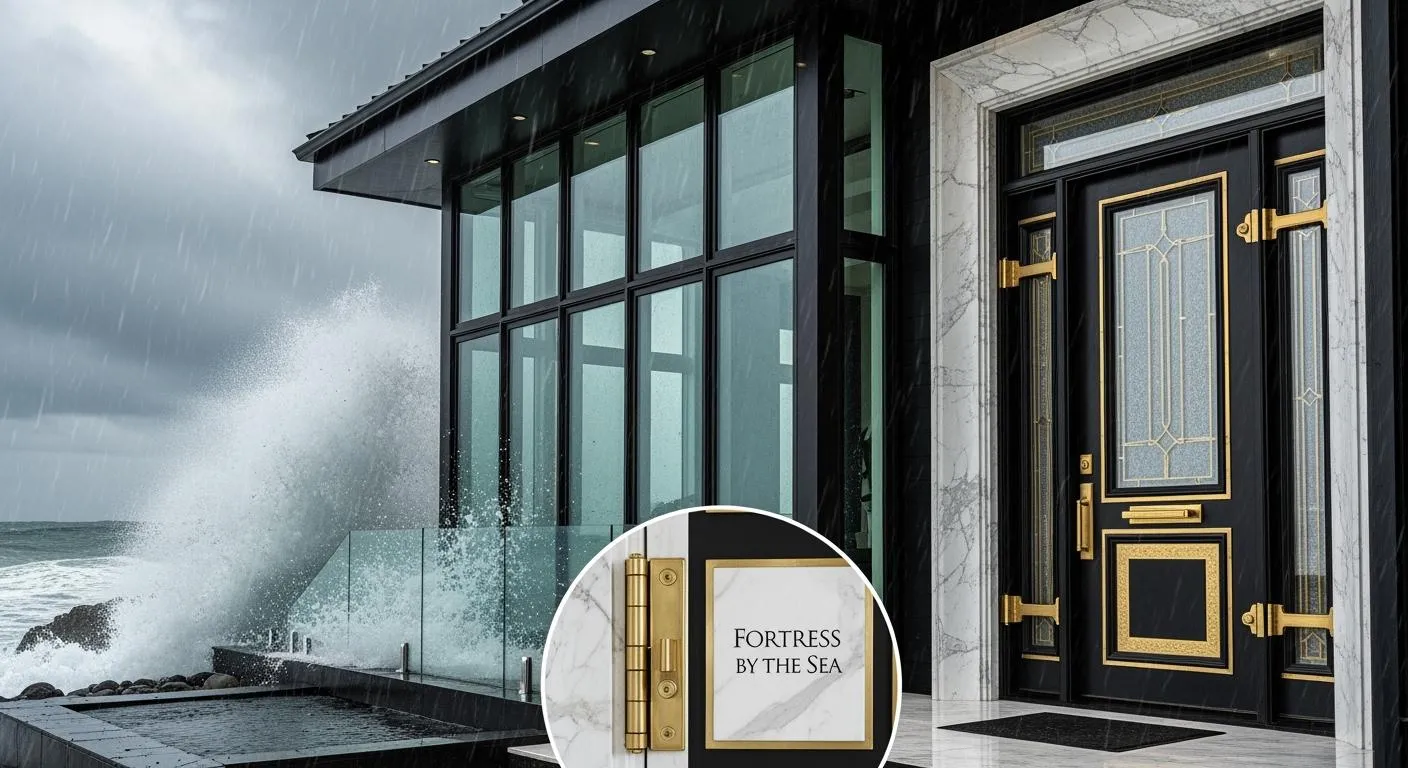
If you live near the ocean, you need strong doors. Impact-Resistant Storm Doors use new materials and smart designs to keep homes safe. Sibolla Building makes these doors for people who live by the coast. Their doors follow strict rules and building codes. This means you get good protection.
Materials and Construction
Impact-Resistant Storm Doors are made with special materials. These materials help the doors stay strong for a long time. Every part of the door works together to stop wind, rain, and flying things from getting inside.
Tip: Picking the best materials helps your doors last longer and need less fixing.
Here is a table that lists the usual materials in these doors:
| Material | Description |
|---|---|
| Fiberglass | Strong, does not dent or bend, keeps out water, often has a strong core inside. |
| Steel | Very tough, thick metal, does not crack, does not break like wood. |
| Aluminum | Light, strong when made thicker, does not rust, good for wet places. |
| Engineered Wood with Reinforcement | Looks like wood but is stronger and keeps out water. |
| Laminated Impact Glass | Has many glass layers with a tough sheet in the middle, used for doors with windows. |
Laminated Glass
Many Impact-Resistant Storm Doors have laminated glass. This glass has two or more layers with a plastic sheet in the center. If something hits it, the glass might crack but will not fall apart. The plastic holds the pieces together. This keeps wind, rain, and debris outside. Laminated glass also blocks noise and UV rays. Your home stays quieter and cooler.
Reinforced Frames
The door frame is just as important as the glass. Reinforced frames use aluminum, steel, or fiberglass. Select frame materials and finishes for the coastal exposure, and verify their structural performance against the project requirements. They hold the glass tight and keep the door strong in storms. Sibolla Building uses special aluminum and stainless steel that resist corrosion under suitable conditions and maintenance. This makes the doors last longer near the ocean.
Testing and Certification
You want to be sure your doors work in bad weather. That is why Impact-Resistant Storm Doors go through hard tests. These tests check if the doors can stand up to strong winds and flying things. Here is a table with the main rules for testing:
| Standard/Protocol | Description |
|---|---|
| International Residential Code (IRC) | Sets basic rules for homes, including impact-resistant products. |
| Florida Building Code (FBC) | Has special rules for hurricane areas. |
| Miami-Dade County Product Approval | Gives tough tests for high-wind places. |
| ASTM E1996/E1886 | Tests if doors can take hits from flying things. |
Sibolla Building’s doors and windows meet or beat these rules. You can trust them to keep your home safe in a storm.
Comparison to Standard Doors
You may wonder how Impact-Resistant Storm Doors are different from regular doors. The table below shows the main differences:
| Feature | Impact Doors | Traditional Doors |
|---|---|---|
| Storm Resistance | Can handle hurricane winds and flying things | Not made for hurricanes; can break in storms |
| Materials | Strong frames, laminated glass, screws that do not rust | Wood, aluminum, or plain glass without extra strength |
| Glass Safety | Glass does not shatter easily | Regular glass can break and hurt people |
| Building Code Compliance | Follows strict hurricane rules | Often does not follow hurricane rules |
| Durability in Humidity & Salt Air | Does not rust or bend | Can rust, bend, or break in coastal weather |
| Security | Built strong with tough glass | Easier to break or open by force |
| Energy Efficiency | Keeps heat and cold out better | Not as good, may have gaps or thin glass |
| Cost | Costs more at first, but saves money later | Cheaper, but may need more repairs after storms |
| Maintenance Requirements | Needs little care | Needs more work to stop weather damage |
Impact-Resistant Storm Doors help you feel safe. They last longer, protect better, and can save you money over time. Sibolla Building uses smart designs, strong parts, and materials that resist corrosion under suitable conditions and maintenance. This makes sure your doors work well near the coast.
Note: New designs make these doors stronger and better looking. You can pick modern styles and big glass areas and still stay safe.
Benefits for Homeowners
Safety and Security
You want your home to be a safe place. Impact-Resistant Storm Doors give you strong protection against storms and break-ins. These doors use tough materials that can handle hurricanes, impacts, and even attempts to break in. You get peace of mind because the glass does not shatter easily. The frames stay strong, even when hit by flying debris or strong winds.
You can also choose tinted or frosted glass. This keeps people from seeing inside your home while still letting in sunlight. You can pick the privacy level that works best for your family. The tight seals on these doors stop wind and water from getting inside. This helps keep your home dry and safe during storms.
- Tinted or frosted glass options give you privacy and natural light.
- Designs that limit visibility help keep your home private.
- Custom privacy levels let you choose what works for you.
- Strong materials resist hurricanes, impacts, and break-ins.
- Less wear and tear means you spend less money on repairs.
- Impact-resistant glass blocks wind and debris.
- Reinforced frames keep the door strong during storms.
- Tight seals stop wind and water from getting inside.
Property Protection
You work hard for your home. You want to protect it from damage. Impact-Resistant Storm Doors and windows are made to stand up to extreme weather. They can handle high winds over 100 mph and hits from flying objects. The strong frames and laminated glass keep the door in place, even during a big storm.
These features help stop water and wind from getting inside. This means less damage to your walls, floors, and furniture. You also lower the risk of injury from broken glass. When you use these doors, you protect your home and the people inside.
Impact-Resistant Storm Doors also help keep your home safe from break-ins. The tough glass and strong frames make it hard for someone to force their way inside. You get better security every day, not just during storms.
Insurance Savings
Ask the insurer which mitigation evidence is accepted and request an actual premium comparison. No universal percentage or annual saving applies.
Insurance discounts depend on the policy, location and verified mitigation features; confirm eligibility before budgeting.
Tip: Ask your insurance company about discounts for homes with hurricane-resistant doors and windows. You may qualify for big savings, especially if you live near the coast.
Energy Efficiency
You want your home to feel good all year. Impact-resistant storm doors and windows help you use less energy and save money. These products have smart designs and special materials. They keep your house cool in summer and warm in winter.
Many of these windows and doors use Low-E glass. This glass reflects heat and blocks bad UV rays. You get less glare inside your house. Your furniture does not fade as fast. Multi-pane construction means there are extra layers for insulation. This stops outside air from coming in. It also keeps your heated or cooled air from leaking out.
Here are some ways these systems help your home save energy:
- Smart storm protection systems help keep the temperature steady.
- Low-E glass and tinting make your HVAC system work less.
- Multi-pane construction gives better insulation and stops heat from moving in or out.
- These features help you stay comfortable and pay less for energy.
You will see your home feels better in hot summers and cold winters. Your air conditioner and heater do not run as much. This means you use less energy and your bills go down. Over time, you save more money.
Estimate energy savings from the rated product and building baseline. Impact resistance alone does not establish a fixed bill reduction.
Enhanced Home Value
When you buy impact-resistant storm doors and windows, your home becomes worth more. Buyers want homes that are safe, comfy, and save money. These features make your house special when you want to sell it.
Impact-resistant windows and doors give many things future buyers like:
- Storm protection helps people feel safe during hurricane season.
- Home security gets better with strong glass and frames.
- Energy efficiency keeps bills low.
- Noise reduction makes your home quiet and calm.
- Lower insurance costs are good for people who want to save.
Many insurance companies give discounts for homes with hurricane-rated windows and doors. This makes your home a better choice for buyers who want to spend less. Homes with these features often sell faster and for more money than homes without them.
You show you care about safety and quality when you pick these upgrades. Your home is a smart buy for you and anyone who may own it later.
Note: Impact-resistant storm doors and windows do more than protect. They also make your home worth more and easier to sell.
Regulatory and Insurance Drivers
Building Codes
Have the designer establish the required design pressures, debris protection and accepted product approvals for the specific site and opening. Do not select a product solely from a generic wind-speed label.
- Impact resistance is needed for hurricane-prone places.
- Wind Zone 1 homes must have impact-resistant features.
- Doors and windows must handle high wind pressure.
Note: Using certified doors and windows helps you avoid fines and keeps your family safe.
Insurance Incentives
Verify current insurer discounts and any local grant programme directly. Eligibility, funding and accepted product approvals can change; supplier support does not guarantee a grant.
Tip: Ask your insurance agent about wind mitigation discounts. You may qualify for grants or lower premiums.
FEMA and Local Guidelines
You must follow FEMA and local rules when building in coastal areas. These rules set high standards for safety. FEMA wants impact-resistant storm doors and windows in many coastal homes. Florida’s building code says homes must withstand Category 5 hurricane winds. Local rules like FBC R301.2.1.2.2 demand that all windows and exterior doors in high-risk zones use approved systems. These rules stop homes from failing during storms. Sibolla Building makes products that meet FEMA and local codes. You get doors and windows that protect your home and help you pass inspections.
- FEMA and local codes require impact-resistant features.
- Florida homes must withstand Category 5 hurricane winds.
- Approved systems prevent structural failure.
Confirm the actual product approvals and installation conditions for the project.
Match the proposed configuration to required approvals and insurer evidence. No single product claim establishes every coastal-home requirement.
Sibolla Building Solutions for Coastal Homes
Product Features of Doors and Windows
Corrosion Resistance
You want doors and windows that last near the ocean. Salt in the air can ruin regular materials fast. Sibolla Building uses strong aluminum and marine-grade stainless steel for frames. Corrosion resistance depends on the material grade, finish, coastal exposure and maintenance. Laminated glass can handle strong winds and flying debris. You stay safe during storms and worry less about fixing things.
Tip: Corrosion-resistant frames help your doors and windows stay strong every year.
Customization Options
Every coastal home is unique. You want doors and windows that fit your style and needs. Sibolla Building gives you lots of choices. You can pick the size, shape, and color for your home. Choose swing, sliding, folding, or custom doors. Pick window types like double-hung, awning, or picture windows. You can add Low-E glass, built-in blinds, or special locks. This lets you make your home look nice and work well in your climate.
| Feature | Benefit |
|---|---|
| Custom sizes | Fit any opening |
| Style options | Match your design vision |
| Hardware choices | Improve security and function |
| Glazing options | Boost energy savings |
| Color selections | Enhance curb appeal |
Integrated Project Delivery
You want your project to go smoothly from start to finish. Sibolla Building uses a clear plan to manage every step. One team handles design, engineering, making, and delivery. This means less confusion and fewer delays. Global logistics make sure your materials arrive on time, even for big or tricky projects. You do not need to work with many suppliers. Sibolla Building gives you one contact for everything. This makes your job easier and keeps your project on track.
- One team handles your project from design to delivery.
- Global logistics help materials arrive on time.
- You avoid delays and mix-ups.
- You get clear updates and support at every step.
Quality Control and Support
You want to trust your doors and windows will work in a storm. Sibolla Building uses strict checks and helps you before, during, and after installation.
- Laminated glass stands up to strong winds and flying debris.
- Reinforced frames resist corrosion and tough weather.
- All products meet local building codes, which can lower your insurance costs.
- Strong construction keeps your home safe during storms.
- Hurricane straps hold your home to its foundation for extra strength.
- You get help with installation and ongoing support.
Note: Sibolla Building’s solutions give you peace of mind. You get reliable materials, expert help, and a safer home for your family.
Misconceptions About Impact-Resistant Windows
Cost vs. Value
You may hear many things about impact-resistant storm doors and windows. Some people think these products cost too much or do not add real value. You need to know the facts. Here are common misconceptions and the truth behind them:
- Many believe tempered glass is the same as impact glass. Tempered glass is safety glass, but it does not protect against flying debris.
- Some think their windows survived the last storm, so they must be impact-rated. Survival depends on wind direction, shielding, and elevation. It does not prove impact resistance.
- You might hear that double-pane windows are hurricane-rated. Double-pane windows help with energy, but only laminated glass resists debris.
- People often trust any “meets code” sticker. Codes cover many things. You need proof of impact resistance or official approval.
- Some try tapping the glass with a tool to check. This can damage seals and coatings. It does not tell you if the window is impact-resistant.
Tip: You should look for clear labels and certifications. Impact-resistant products give you long-term savings and safety. They protect your home and lower repair costs after storms.
Design Flexibility
You may worry that strong doors and windows limit your design choices. This is not true. Impact-resistant storm doors and windows offer many options for coastal homes.
- You can choose windows and doors that match your architectural style and still get strong protection.
- Durability does not mean you lose style. Many finishes and designs are available to make your home look great.
- You can customize these products to fit modern, traditional, or historical styles.
- Slim profiles and large glass areas are possible. You keep the beauty and let in natural light.
- You can add details that match your home’s character.
| Feature | Design Benefit |
|---|---|
| Custom profiles | Fit any style |
| Large glass areas | More light, modern look |
| Historical details | Keep classic charm |
| Multiple finishes | Match your color scheme |
Note: You do not have to sacrifice style for safety. Impact-resistant doors and windows give you both.
Effectiveness Beyond Hurricanes
Impact-resistant storm doors and windows do more than protect you from hurricanes. You get many extra benefits that improve your home every day.
- Tough glass and frames make it harder for intruders to break in. You get better security.
- These products reduce outside noise. Your home feels quieter and more peaceful.
- Laminated glass blocks harmful UV rays. Your furniture and floors stay bright and last longer.
- Better insulation means you use less energy. Your home stays comfortable, and your bills go down.
Impact-resistant doors and windows help you in many ways. You get safety, comfort, and savings all year.
Future Trends in Coastal Construction
Material Innovation
New homes near the coast use better materials and smart features. Builders use advanced laminated glass with many layers and strong sheets inside. This glass does not fall apart if something hits it. Door systems have strong frames and locks in many places. These things make your home safer and stronger.
Now, you can get impact-resistant windows and doors with smart technology. Here are some new ideas:
- Laminated glass stays together when it breaks, so debris cannot get in during storms.
- Automated tinting changes how dark the window is when the sun is bright. This helps keep your home cool and saves energy.
- Remote monitoring lets you check your windows and doors on your phone.
- Some systems connect to weather alerts and close shutters by themselves when a storm is coming.
- Motorized shutters open or close with just one button.
- You can control shutters from anywhere with a phone app or your voice using Alexa or Google Home.
These new materials and smart features help you stay safe and comfortable, even in bad weather.
Homebuyer Expectations
You want your home to be safe from storms. Many people now want homes with impact-resistant features. In places like Long Island, more buyers ask for windows that can handle hurricanes, break-ins, and storm surges. Safety is very important for families near the coast.
Here is a table that shows what buyers want:
| What Buyers Want | Description |
|---|---|
| Demand for Impact-Resistant Features | Buyers in coastal areas want windows rated for hurricanes and break-ins. |
| Prioritization of Safety Features | Buyers in Venice look for homes with impact windows or permanent shutters. |
You can see that strong doors and windows are not just popular. They are something everyone wants when buying a home near the ocean.
Sustainability
You care about the planet and want your home to last. Builders use strong materials and smart designs to make homes safer and greener. These ideas help your home stand up to storms and use less energy.
Here are some ways builders make coastal homes better for the environment:
- Strong materials and designs help your home survive bad weather.
- Good insulation in walls and windows keeps your home comfy, even if the power goes out.
- Impact-rated windows and raised systems protect your home from floods.
- Builders use cement panels on the ground floor to stop flood damage.
- Rain gardens help control stormwater and protect your yard.
- Roofs are made stronger and tested for disasters.
- Impact-resistant windows and doors can block fast-moving debris.
You get a home that is safer, uses less energy, and helps the planet. These trends show that coastal homes are getting smarter, stronger, and better for the environment.
You want your coastal home to be safe and strong. Impact-Resistant Storm Doors help protect you from storms and break-ins. These doors also help your house follow building codes. They make your home worth more money if you sell it. You can feel calm because your home is safer. Sibolla Building gives you doors you can trust for today’s coastal homes.
| Benefit | Description |
|---|---|
| Safety | Keeps your home safe during hurricanes and bad weather. |
| Durability | Made to last a long time in tough weather. |
| Energy Efficiency | Helps keep your house cool and saves energy. |
| Security | Special locks make it hard for people to break in. |
| Property Value | Makes your home worth more if you sell it. |
- Your rooms are quieter because less noise gets in.
- You pay less for your energy bills.
- You do not have to fix things as often.
Pick these features to keep your family safe and protect your home.
FAQ
You get stronger frames, laminated glass, and special seals. These doors can handle flying debris and strong winds. Regular doors may break or leak during storms.
Check the actual product approval, tested configuration, size limits and installation requirements; a reference to an ASTM method alone is not a certification.
Yes! You can choose sizes, colors, glass types, and hardware. Sibolla Building offers many options to match your home’s style.
Yes. These doors use Low-E glass and tight seals. You keep your home cooler in summer and warmer in winter. Your energy bills go down.
Ask the insurer whether the proposed mitigation qualifies and what evidence is required.
You can expect many years of use. Materials like corrosion-resistant aluminum and marine-grade steel help these doors last, even with salty air.
No. These doors also help protect your home from break-ins, noise, and UV rays. You get safety and comfort every day.