You notice a change as soon as you walk into high-end restaurants. The lighting affects how you feel and gets you ready to eat. Research shows that warm white lighting makes people feel happy and comfortable. Blue or red lighting can make people feel sad or uneasy. When restaurants pick the right color temperature and use low-UGR downlights, they make a place where you want to stay longer and enjoy your food.
Image Source: unsplash
Key Takeaways
- Pick warm white lighting (2700K to 3000K) to make the space feel cozy and welcoming for guests.
- Use low-UGR downlights to cut down on glare. This helps guests feel comfortable and want to stay longer.
- Use different lighting types like ambient, task, and accent. This makes your restaurant look nice and work well.
- Change the lighting for different times of day. Warm tones are good for dinner. Cooler tones help make lunch feel lively.
- Make sure your lighting matches your restaurant’s theme. This helps guests remember their visit.
- Use smart lighting controls to change brightness and color temperature easily. This makes dining better for everyone.
- Check and take care of your lighting system often. This keeps it working well and looking nice for guests.
- Use energy-saving lighting to save money. This also shows you care about the environment.
Key Lighting Concepts
Color Temperature Explained
Some lights feel warm and cozy. Others look bright and cool. This is because of color temperature. Color temperature tells us the color of white light. It is measured in Kelvin (K). Lower numbers, like 2700K, make a yellowish glow. Higher numbers, like 6500K, look more blue. Most commercial places use 3000K to 5000K. People often pick 3500K, 4000K, or 5000K. Color temperature does not show how bright a light is. It also does not show how true colors look. It only tells the shade of white light.
Choose colour temperature through the design brief and mock-up. It does not establish brightness, colour rendering or a universal circadian-lighting requirement for restaurants.
Tip: When picking lights for a restaurant, think about color temperature. It helps shape how guests feel.
What Is Low-UGR?
UGR describes discomfort glare for a lighting installation under defined viewing and room conditions. A luminaire’s catalogue claim alone does not establish the final room value.
Low-UGR downlights have special designs to cut glare. These lights use deep housings, anti-glare coatings, and special optics. Here is a table that shows how each part helps:
| Design Element | Function | Result |
|---|---|---|
| Deep Recess Housing | Hides the LED source | Less direct glare |
| Cut-off Angle > 30° | Blocks high-angle light | Softer edge lighting |
| Anti-Reflective Coating | Cuts shiny reflections | Even light |
| Precision Optics | Sends light only where needed | Better efficiency |
Set glare criteria for the actual task, layout and viewing positions. Do not apply a universal UGR 19 or 13 requirement to every dining area.
Ambience in Restaurant Lighting
Lighting does more than help you see. It changes the whole dining experience. Good lighting and nice décor make a space feel special. Warm, soft, and dim lighting helps guests relax. It makes people want to stay longer and enjoy their meal. Bright or uneven lighting can make people feel rushed or nervous.
A good lighting plan shows off the restaurant’s style. In high-end restaurants, lighting is part of the story. It points out pretty details and sets the mood for each meal. When the lighting is right, every visit feels special.
Emotional Impact of Color Temperature
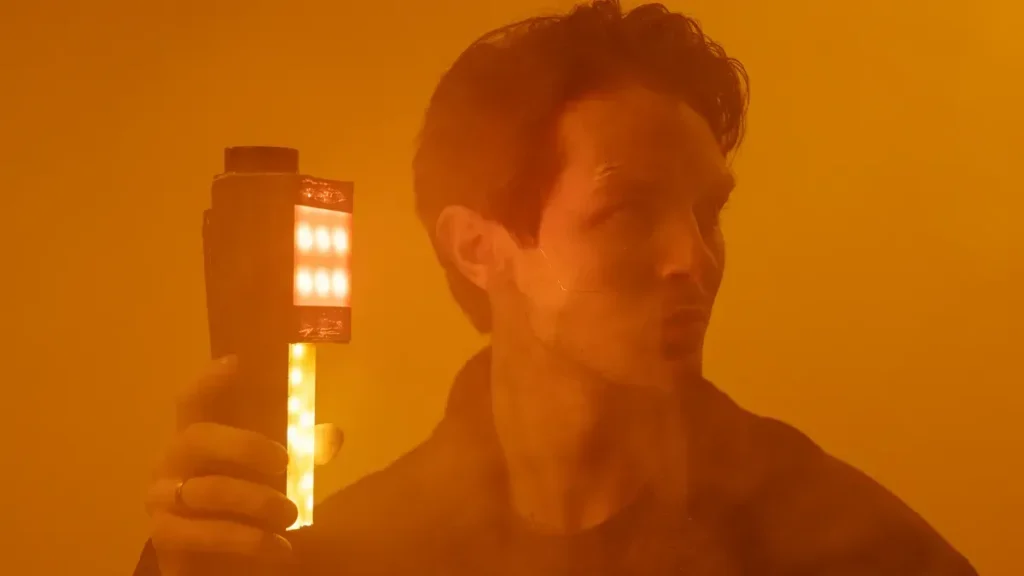
Image Source: pexels
Warm vs. Cool Light in High-End Restaurants
Changing the color temperature changes how guests feel. Warm lighting is under 3000K. It gives a soft, yellow glow. This light helps people feel calm and safe. Many fancy restaurants use warm lighting. It makes the place feel romantic and private. Guests feel happy and want to stay longer.
Cool lighting is over 5000K. It looks bright and white or blue. This light helps people feel awake and alert. It is good for busy places. But it does not fit most fancy restaurants. Cool lighting can make it hard for guests to relax.
Lighting affects how much customers enjoy their visit:
- Warm, dim lighting makes the space feel cozy and nice.
- Soft, warm light helps people relax and talk more.
- Bright, cool lighting can make food look good but may ruin the mood.
- Low-lit spaces make guests order more snacks and desserts, so they stay longer.
Lighting experts say warm color temperatures are best for fine dining. This matches what works best in restaurants.
Matching Light to Restaurant Themes
Lighting can match your restaurant’s theme. The right color temperature and fixtures help tell your story. For example, a seafood place might use beach-themed lighting. White, blue, or aquamarine lights with seashell shades or natural fiber fixtures make it feel like the coast. If your restaurant has a flower theme, candlelights and chandeliers add a soft, romantic feel.
When you match lighting to your theme, the experience feels complete. Guests notice these details and remember how the space made them feel.
Mood Shifts with Lighting Changes
You can change the mood by changing color temperature during the day. Many fancy restaurants do this to guide the dining experience. The table below shows how lighting types affect mood:
| Lighting Type | Color Temperature (K) | Mood Influence |
|---|---|---|
| Warm Lighting | Below 3000K | Makes the space cozy and relaxing for comfort and winding down. |
| Cooler Lighting | Above 5000K | Helps people feel alert and focused, like daylight for more energy. |
You might use warmer lighting at dinner to help guests relax. For lunch, you could use cooler light to keep things lively. By changing your lighting, you control how guests feel and how long they stay.
Tip: Try different color temperatures at different times. Watch how guests react and change your plan for the best results.
Fancy restaurants use these lighting tricks to shape feelings and make visits special.
Low-UGR Downlights for Comfort
Understanding UGR in Dining Spaces
Evaluate glare using the room geometry, reflectances, viewing positions and luminaire distribution. Check the layout rather than treating UGR as an intrinsic rating valid in every restaurant.
Benefits of Low-UGR Downlights
Low-UGR downlights use special designs to reduce glare and improve comfort. These lights help you create a pleasant atmosphere in your restaurant. Here are some ways these downlights work:
- Deeply recessed light sources hide the bulb from direct view.
- Baffles and louvers block harsh light and guide it softly into the room.
- Matte finishes and diffusing filters spread the light evenly, so you do not see bright spots or reflections.
These features make the light softer and more balanced. You will notice fewer visual distractions. Guests can focus on their food and company. This is why many high-end restaurants use low-UGR downlights to set the right mood.
Tip: When you plan your lighting, look for fixtures with a low UGR rating. This small detail can make a big difference in how your space feels.
Enhancing Comfort and Stay Duration
When guests feel comfortable, they want to stay longer. Soft, glare-free lighting shows that you care about their experience. It also signals quality and professionalism. Many restaurants use this type of lighting to encourage guests to linger and enjoy their time.
- Comfortable lighting helps guests relax and feel welcome.
- Glare-free spaces make it easier for people to talk and enjoy their food.
- Longer stays often lead to more orders and better reviews.
If you want your restaurant to stand out, focus on lighting that puts comfort first. High-end restaurants know that the right lighting can turn a simple meal into a memorable event.
High-End Restaurants: Lighting Strategies with Sibolla Building
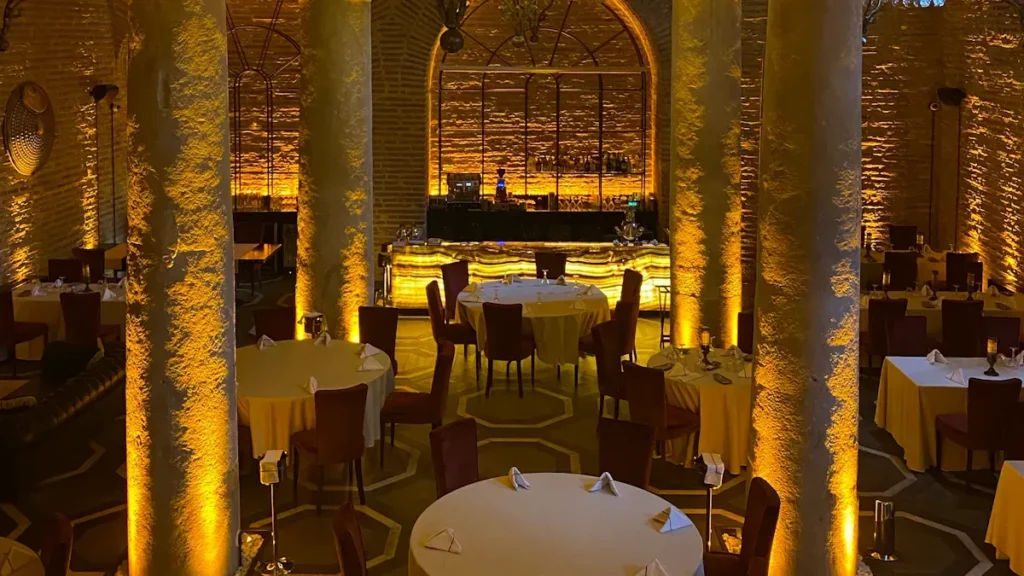
Image Source: pexels
Sibolla Building Lighting Solutions
If you want your restaurant to be special, lighting is important. Sibolla Building gives you many ways to set the mood. You can pick from chandeliers, downlights, and wall lamps. Each light is made with high quality and works well.
You can change the color temperature to fit your style. Sibolla Building has lights that go from warm to cool. You can choose the best color for each spot. You can also change how bright the lights are and where they shine. This helps you show off tables, art, or other things you want people to see.
Sibolla Building lets you pick the finish and color you like. You can match your brand or the look of your restaurant. If you want smart controls, you can use DALI, KNX, or Zigbee. The lights are easy to set up. This saves you time and keeps things simple when you install them.
The fixtures are strong and last a long time. They are made from marine-grade aluminum and stainless steel. These lights work inside and outside. They resist corrosion under suitable conditions and maintenance and stay nice for years. The LEDs use less energy and help you save money. You still get a warm look without using too much power.
Tip: Try Sibolla Building’s photometric planning. You can see how your lights will look before you put them in. This helps you plan better and get the results you want.
Case Study: Restaurant Lighting Application
Illustrative restaurant brief: review table lighting, glare, colour rendering and dimming in a mock-up. Use this as an illustrative planning example.
The restaurant used 2700K warm white lights in the main area. This color made the food look tasty and rich. It also helped guests feel calm and enjoy their meal. The team added accent lights to show off art and special spots. They used custom finishes to match the restaurant’s colors.
The project manager watched every step, from design to delivery. The lights came on time and fit with the rest of the décor. The restaurant opened as planned. Guests liked the warm and comfy feeling right away. Many stayed longer and wrote good reviews about the atmosphere.
Note: When you use Sibolla Building’s lighting, you get help from start to finish. This makes your project easier and helps you reach your goals.
Collaboration with Designers and Suppliers
You do not have to plan your lighting by yourself. Sibolla Building works with designers, architects, and suppliers. You get help picking the best lights for your space. The team looks at your plans and gives ideas that fit your theme and budget.
You can ask for special shapes, finishes, or features. Sibolla Building can match any RAL or Pantone color. You can also get lights that work with your smart system. The team checks every detail to make sure your lights look just right.
You get updates at every step. Your project manager tracks how things are going. You always know what is happening. This teamwork helps you avoid delays and keeps your project moving.
Tip: Share your design ideas early. The more you tell Sibolla Building, the better they can help you.
High-End Restaurants trust Sibolla Building because they get good products, smart advice, and smooth project work. You can make a special dining place that guests want to visit again.
Step-by-Step Guide to Ambience Creation
Assessing Space and Goals
You need to start by understanding your restaurant space. Lighting experts recommend a few key steps:
- Measure your space. Look at the size, shape, and ceiling height. Notice how much natural light comes in during the day.
- Think about what you want each area to do. Do you need bright light for the kitchen or soft light for dining? Write down the main purpose for each zone.
- Match your lighting style to your restaurant’s design. Choose fixtures and finishes that fit your theme. This helps your space feel complete and welcoming.
Tip: Walk through your restaurant at different times of day. Notice how the light changes. This will help you plan better.
Choosing Color Temperature
Picking the right color temperature is important for setting the mood. You should consider these points:
- Functionality: Use warm lighting in dining areas to help guests relax. Save cooler lighting for kitchens or bars where focus matters.
- Time of Day: Warmer tones work best in the evening. Cooler lights can help during lunch or breakfast hours.
- Layering Light: Mix different types of lighting. Use warm ambient lights with cooler task lights to create balance.
You can adjust the color temperature in different zones. This helps you create the right feeling for every part of your restaurant.
Selecting Low-UGR Downlights
Low-UGR downlights make your restaurant more comfortable. They cut down glare and help guests enjoy their meal. When you choose downlights, look at these factors:
| Selection factor | Check |
|---|---|
| Glare | Project calculation and viewing conditions |
| Colour temperature | Brief and mock-up |
| Colour rendering | Rated data and material appearance |
| Beam and controls | Layout and driver/dimmer compatibility |
Sibolla Building offers downlights that meet these standards. You can find options with adjustable beam angles, energy certifications, and custom finishes. These features help you create the same comfort found in High-End Restaurants.
Note: Always ask for photometric test reports. This ensures your lighting will perform as expected.
Layering and Adjusting Light
You can make your restaurant feel lively by using different kinds of light. This means you do not just use one type of light. You mix several lighting styles to make the space cozy and welcoming. Each layer of light has its own job.
Try these three main layers:
- Ambient Lighting
Ambient lighting lights up the whole room. You use big lights like ceiling lamps or recessed downlights. These lights spread soft, even light everywhere. This layer helps people see and sets the main mood. - Task Lighting
Task lighting shines on spots where people need more light. You put these lights over tables, bars, or kitchen counters. This helps guests read menus and helps staff do their jobs. Pendant lights or spotlights work well for this. - Accent Lighting
Accent lighting makes special things stand out. You use it to show off art, cool walls, or shelves. Wall lamps or LED strips are good for this. Accent lighting adds depth and makes the place look fun.
Tip: When you use layered lighting, you can change the mood. You can dim the lights for dinner or make them brighter for lunch.
You should also change your lighting to fit what you need. Dimmers let you make lights softer or brighter. You can turn lights down for a calm night or up for a busy lunch. Smart controls like DALI or Zigbee help you do this fast. Sibolla Building has lights that work with these systems, so you can change your lighting easily.
Here is a table with ways to layer and adjust light:
| Strategy | Description |
|---|---|
| Low-Glare Lighting | Use lights that point down and have shades to spread light, so there is less glare. |
| Layered Lighting Design | Mix ambient, task, and accent lighting for a balanced look without too much glare. |
| Utilizing Dimmers | Change how bright the lights are for different times or events to make the mood right. |
| Incorporating Natural Light | Use big windows or skylights to let in sunlight, and use thin curtains to stop glare. |
When you layer and adjust your lights, guests feel more comfortable. Your restaurant looks better and people remember it. Staff also like good lighting because it helps their eyes and makes work easier.
Note: Layered lighting is not just for looks. It helps guests relax and want to stay longer.
Sibolla Building’s lighting makes it easy to layer and adjust light in your restaurant. You get lights with dimming, special finishes, and smart controls. This helps you make the right mood for any event.
Common Mistakes and Solutions
Overly Bright or Dim Lighting
Some people think more light is always better. But too much light can make a restaurant feel harsh and not cozy. Guests might squint or feel like everyone is looking at them. If the lights are too dim, it is hard to see food or read menus. This can make eating less fun. Studies say people taste food less when it is too dark. The right brightness helps people see colors and details. Food looks and tastes better with good lighting. Using the right amount of light helps guests feel happy and relaxed.
Here is a table that shows common lighting mistakes in restaurants and what happens:
| Mistake | Implication |
|---|---|
| Only using overhead lighting | Creates a flat, boring space |
| Mixing color temperatures | Leads to inconsistent ambience |
| Too little table lighting | Causes shadows on food |
| Ignoring CRI | Makes food look dull |
| Under-powered accent lighting | Results in no visual drama |
| No dimming | Prevents mood changes |
| Cheap fixtures | Increases heat, failures, maintenance cost |
Tip: Use dimmers to change how bright the lights are. This helps you make the right mood for every meal.
Glare and Discomfort Issues
Glare happens when lights are too bright or shine in your eyes. This makes guests feel uncomfortable and can give them headaches. You want your restaurant to feel cozy, not harsh. Glare often comes from bad lighting design or the wrong lights. If you do not fix glare, guests may leave early or not come back.
Some main reasons for glare and discomfort are:
- Too much brightness can make the space feel bad for diners.
- Bad glare control makes people’s eyes tired and annoyed.
- Poor lighting design does not think about where people look or shiny surfaces, so there is harsh light and reflections.
You can fix glare by picking low-UGR downlights, using shades, and putting lights in smart places. Always check your lighting at night to see if any spots are too bright.
Inconsistent Color Temperatures
Color temperature is how warm or cool your lights look. If you mix different color temperatures, your restaurant can feel strange or not match. Guests may not know why, but they notice something feels wrong. For example, if one spot looks yellow and another looks blue, the space does not feel together.
Picking the wrong lighting color temperature can make hotel and restaurant spaces feel uncomfortable, not welcoming, or not match the brand—even if the lights are good quality.
- Lighting can look too yellow, too cold, or just not match in different areas.
- Guests may not say it in words, but they feel it right away.
- The lobby can look ‘cheap’, the hallway can feel ‘harsh at night’, food can look less tasty, and the place does not seem fancy.
To stop this, pick a color temperature that fits your brand and use it everywhere. Sibolla Building has lights with adjustable color temperatures, so you can keep your lighting the same and make guests feel welcome.
Troubleshooting Tips
Lighting problems can happen in any restaurant, even when you plan carefully. You want your guests to feel comfortable and enjoy their meal. If you notice issues like flickering lights, uneven brightness, or strange shadows, you can fix them with a few simple steps.
Start by checking the basics. Make sure all bulbs fit tightly in their sockets. Loose bulbs can cause flickering or dim spots. If you see a bulb that looks damaged or burned out, replace it right away. This keeps your lighting even and bright.
Next, look at the fixtures and wiring. Sometimes, wires wear out or get damaged over time. If you spot frayed wires or loose connections, call a qualified electrician. Do not try to fix electrical problems yourself. An expert can make sure your lighting is safe and works well.
If your lights do not dim smoothly or flicker when you use a dimmer, check if your bulbs and dimmers match. Some dimmers only work with certain types of bulbs. LED bulbs often need special dimmers. If you use the wrong kind, your lights may not work right. Ask your supplier or electrician for advice if you are not sure.
You can also improve your lighting by switching to LED bulbs. LEDs use less energy and last longer than old-style bulbs. They give you better control over color temperature and brightness. This helps you create the perfect mood for your restaurant.
Sometimes, lights look uneven or cast shadows on tables. Check where you put your fixtures. Move or adjust them so the light spreads evenly. You want every table to feel welcoming, with no dark corners or harsh spots.
Keep your lighting system healthy with regular checks. Set up a routine inspection schedule. Walk through your restaurant and look for any problems. Write down what you find in a maintenance log. This helps you spot patterns and plan upgrades before small issues become big ones.
Tip: Keep extra bulbs and parts on hand. Quick fixes help you avoid dark spots during busy hours.
Here is a simple troubleshooting checklist you can follow:
- Check bulbs for tight fit and replace damaged ones.
- Inspect fixtures and wiring for signs of wear.
- Ask an electrician about electrical or dimmer issues.
- Use LED bulbs for better efficiency and control.
- Make sure electrical load is balanced across circuits.
- Adjust fixture placement to avoid shadows and uneven light.
- Schedule regular inspections for your lighting system.
- Keep a maintenance log to track performance and plan upgrades.
By following these steps, you keep your restaurant lighting reliable and inviting. Good lighting makes your space feel special and keeps guests coming back.
Future Trends in Restaurant Lighting
Smart Controls and Dynamic Ambience
New technology is changing how restaurants use lighting. Smart controls let you change lights with your phone or tablet. You can set the mood for lunch, dinner, or special events. Many restaurants use LED systems that save energy and last longer. IoT lets lights talk to sensors. The lights change if more people come in or if the time changes. AI-driven lighting can learn what you like and adjust by itself. This helps you make a space that always feels right.
Smart lighting makes your restaurant feel fun and friendly. You can change colors, brightness, and where the light shines. Guests notice these changes and enjoy their visit more.
Here is a table that shows how smart controls help:
| Feature | Benefit |
|---|---|
| Remote adjustment | Change the mood quickly |
| Sensor integration | Lights change when people enter |
| AI-driven settings | Makes the mood just for you |
| Customizable scenes | Gives each meal a special feel |
Energy Efficiency and Sustainability
You help the earth when you pick energy-saving lights. Eco-friendly materials and good systems lower your restaurant’s impact on nature. You save money on bills and make less waste. Good LEDs with a CRI over 90 give bright, pretty light. Modular luminaires and smart controls make your lights easy to change. If something breaks, you can swap out parts instead of throwing away the whole light.
- You spend less money because you use less energy.
- You show customers you care about the planet.
- You build a strong brand and get loyal guests.
- You use green ideas that help your business and the world.
Tip: Pick lights with parts you can replace and a high CRI. These choices help the earth and keep your restaurant looking nice.
Integrating Technology and Design
You can mix new technology with cool design to make your restaurant special. Adjustable lights let you show off food and decorations. You can use lighting to make food colors look real, so guests pick what they want faster. Some systems, like OPPLE Lighting’s SDL, give you the right light for each area. You can make lighting plans that help both guests and workers.
- You use smart lights to make food look great.
- You make the space feel nice and work better with good lighting.
- You help your restaurant run well and look good.
Note: When you mix technology and design, guests remember your place. Lighting becomes part of your story and helps your restaurant stand out.
These trends are shaping how restaurants will use lighting. Smart controls, saving energy, and mixing design with tech help you make spaces that are pretty, comfy, and good for the earth. You stay ahead by using these new ideas and making your restaurant a place where guests want to come back.
You can change how your restaurant feels by using the right color temperature and low-UGR downlights. These lighting choices help guests feel calm and happy. Sibolla Building Lighting has many good options that fit your style and what you need. Try these lighting ideas to make your restaurant special and easy to remember. If you want help from experts, you can contact Sibolla Building or look for more tips on Sibolla’s website.
FAQ
You should use warm white lighting, around 2700K to 3000K. This range makes your restaurant feel inviting and helps guests relax. Warm light also makes food look more appealing.
Glare can make your eyes feel tired or uncomfortable. Low-UGR downlights help reduce glare. This makes your dining space more pleasant and keeps guests happy.
Yes! You can use dimmers or smart controls to change brightness and color temperature. This lets you create a lively lunch setting or a calm dinner mood.
Pick fixtures and finishes that fit your style. Sibolla Building offers custom colors and shapes. You can choose lights that match your brand or décor.
Absolutely. Sibolla Building uses high-performance LEDs. These lights use less power and last longer. You save money and help the environment.
UGR is a discomfort-glare metric for defined installation conditions. The room, layout and viewing direction matter alongside luminaire optics.
Yes. Sibolla Building lights support DALI, KNX, and Zigbee. You can control your lights easily with your existing smart system.
Check your lights often. Replace burned-out bulbs quickly. Clean fixtures to remove dust. Use a maintenance log to track any issues. This keeps your restaurant bright and welcoming