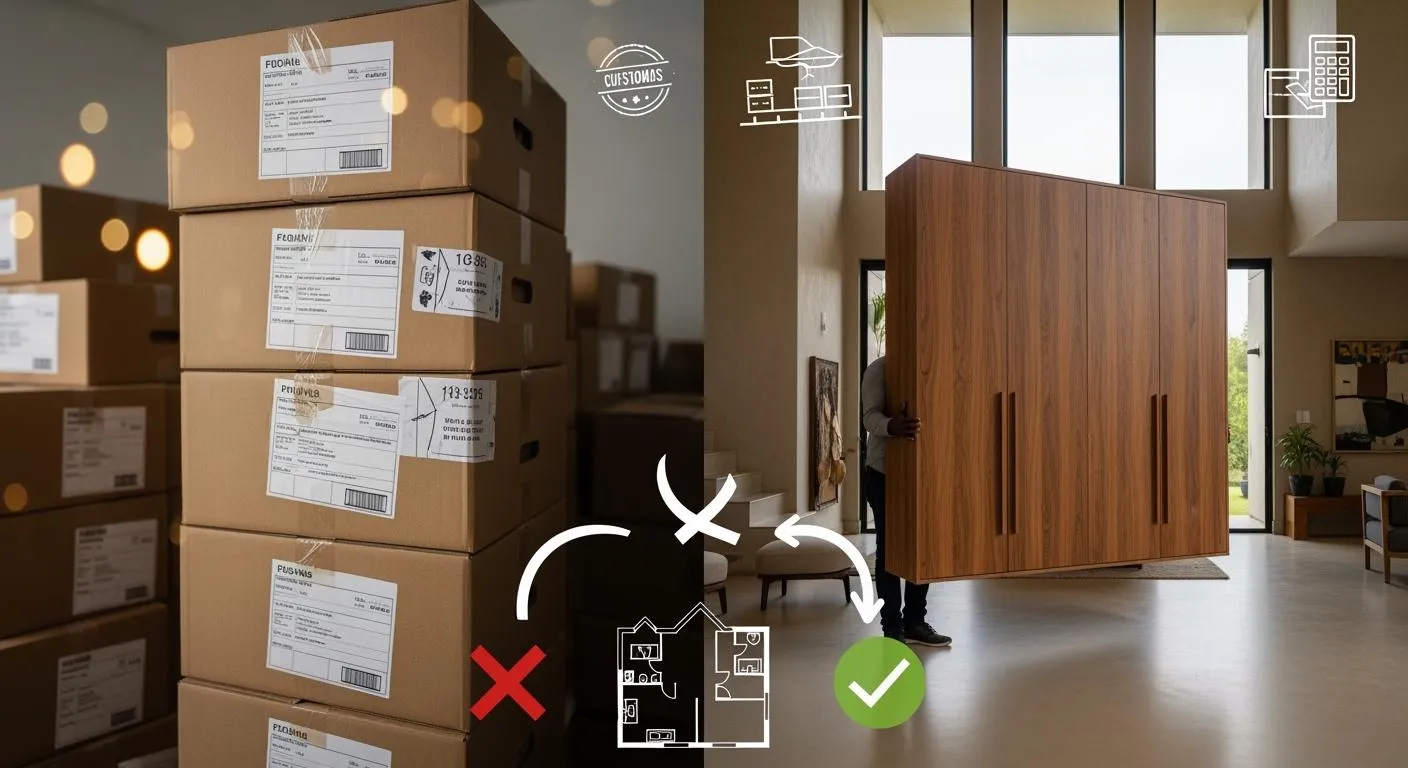
You want to spend less money and avoid problems. Flat-pack wardrobes can reduce shipping volume, while Customs Clearance and total landed costs depend on the shipment, destination and local assembly requirements. Sibolla Building has lots of experience in project sourcing. They help you with customs duties, shipping, and handling. You can manage your budget better if you choose well. This information helps you make good choices for your home projects in Africa.
Key Takeaways
- Compact packing can reduce transport volume. Customs Clearance still depends on accurate documents, classification and destination requirements.
- Sibolla Building helps with important paperwork. This makes shipping and customs go smoothly.
- Flat-pack wardrobes can save you money. They cost less to ship, store, and insure because they are small.
- Compare the applicable duty and tariff treatment for each shipment; assembly format alone does not establish a lower or higher rate.
- Sibolla Building gives clear instructions and help. This makes flat-pack wardrobes easy to put together on-site.
- Quality control is very important. Sibolla Building checks every wardrobe to lower the chance of damage and make sure you are happy.
- Plan your delivery time with Sibolla Building. This helps you avoid delays and keeps your project on track.
- You can use both flat-pack and fully assembled wardrobes. This gives you more choices and can save money on your project.
Customs Clearance Overview
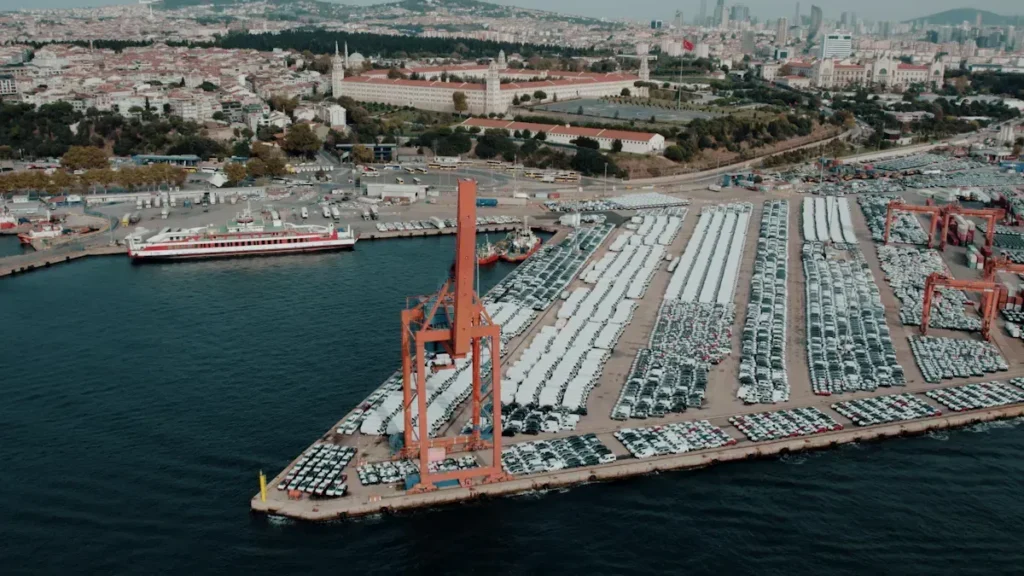
Image Source: pexels
If you want to buy wardrobes for your project, you should know how Customs Clearance works. Customs Clearance means officials check your things, look at your papers, and decide what taxes you pay. Sibolla Building helps you with this because they know a lot about shipping. You can stop delays and extra costs if you know what will happen.
Flat-Pack Wardrobes Process
Flat-pack wardrobes come in pieces. You put them together at your site. For projects in Africa, confirm the Customs Clearance requirements for the actual shipment with the importer or customs broker.
Documentation
Customs documentation depends on destination, classification, origin and the actual shipment. Flat-pack and assembled wardrobes are not automatically subject to different universal certificate lists. Confirm the required invoice, packing, transport and conformity records with the importer.
Duties and Tariffs
Duty and tariff treatment depends on the actual goods, customs classification, customs value, origin and destination rules. Shipping wardrobes unassembled does not automatically make them furniture parts or lower the duty rate. Sibolla Building helps you review the product information and tariff classification with the importer or customs broker before ordering.
Inspection Risks
Customs officers check shipments for damage, missing parts, or finish problems. Flat-pack wardrobes have some risks, but you can make them smaller. Sibolla Building uses strong boxes and clear labels. You get sample approval and signed spec sheets. The table below shows common risks and how to stop them:
| Risk | What causes it | How to reduce it |
|---|---|---|
| Damage in transit | Weak packaging, too many transshipments | Strong cartons, minimize transfers |
| Finish mismatch | No golden sample, unclear finish codes | Sample approval + signed spec sheet |
| Missing parts | Poor kitting, labeling | Room-set carton mapping + extra hardware |
You can stop most problems if you follow these steps.
Fully Assembled Wardrobes Process
Fully assembled wardrobes come ready to use. Their Customs Clearance requirements must also be checked for the actual shipment and destination.
Documentation
Customs documentation depends on destination, classification, origin and the actual shipment. Flat-pack and assembled wardrobes are not automatically subject to different universal certificate lists. Confirm the required invoice, packing, transport and conformity records with the importer.
Duties and Tariffs
Assembled wardrobes are not automatically subject to a higher duty rate than flat-pack wardrobes. Classification, customs value, origin and destination rules determine the applicable treatment. Compare freight and handling costs separately from import duties. Sibolla Building helps you check product information and tariff codes with the importer or customs broker.
Inspection Risks
Customs officers check fully assembled wardrobes for damage, quality, and rules. The risk of breakage is higher because the items are big. You may have delays if officials open and check each wardrobe. Sibolla Building uses strong packaging and checks everything before shipping. You get hardware tested and connection points checked before they ship. This lowers the chance of problems at Customs.
Key Differences for Africa
For an African project, compare the actual carton dimensions, packing method, delivery access and on-site assembly costs. Flat-pack wardrobes can use container space more efficiently, while assembled units reduce assembly work at the site. Required documents, classification and tariffs must be confirmed for each shipment and destination.
Sibolla Building’s team helps you make Customs Clearance easier. You get neat packaging, clear labels, and good papers. Their team helps you from the factory to your site. Clear documents and coordinated delivery planning help reduce avoidable delays and unexpected costs. You can trust Sibolla Building to help you with Customs Clearance for custom cabinets and wardrobes.
Tip: Compare flat-pack wardrobes when container space and site storage are priorities, and include assembly costs in the landed-cost estimate. Confirm Customs Clearance requirements before ordering. Sibolla Building can help you with every step.
Landed Cost Breakdown
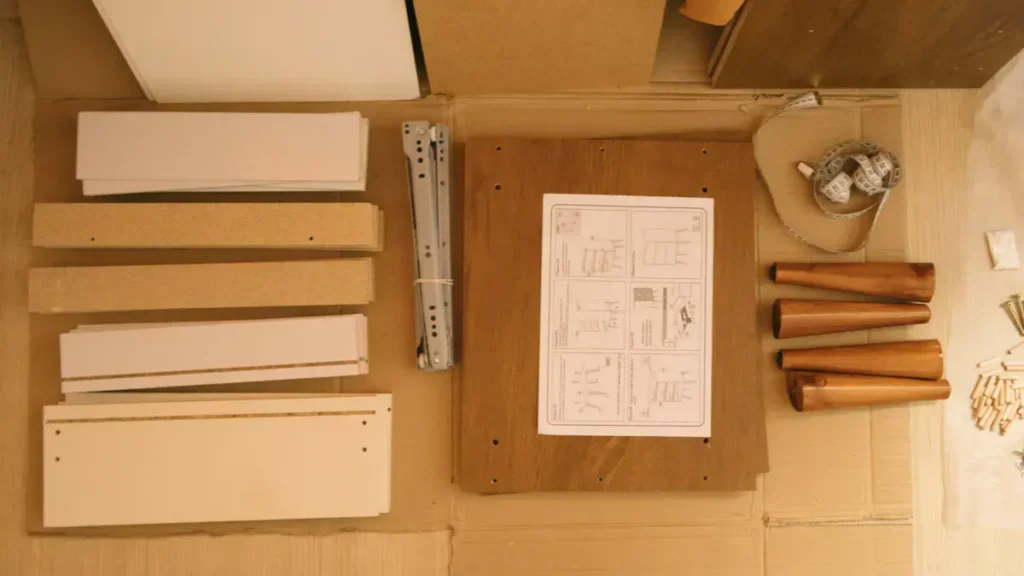
Image Source: pexels
When you start your project, you should know all the costs. Landed cost is the total price to get wardrobes from the factory to your site. This includes shipping, insurance, storage, and other fees. You do not want any surprises. Sibolla Building shows you every cost before you begin.
Flat-Pack Cost Factors
Shipping and Handling
Flat-pack wardrobes come in small boxes. You can fit more wardrobes in one container. This saves money on shipping. The boxes are easy to move and stack. You pay less for handling at the port. Sibolla Building uses strong packaging. This keeps your parts safe during shipping.
Storage and Insurance
Flat-pack wardrobes use less space in the warehouse. You pay less for storage. The boxes are strong and easy to stack. This lowers the risk of damage. Insurance costs are lower because the risk is smaller. Sibolla Building labels each box clearly. You can find boxes quickly.
Assembly Costs
You must put flat-pack wardrobes together at your site. You pay workers to build them. The cost depends on how many wardrobes you have and how hard they are to build. Sibolla Building gives clear instructions and labeled parts. This makes building faster and easier. You save time and make fewer mistakes.
Fully Assembled Cost Factors
Shipping and Handling
Fully assembled wardrobes are big and heavy. You can fit fewer wardrobes in one container. This makes shipping cost more. The wardrobes need special care when moving. Workers must be careful. Sibolla Building uses strong packaging to protect each wardrobe.
Storage and Insurance
Assembled wardrobes need more space in the warehouse. You pay more for storage. The size and weight make stacking hard. Insurance costs are higher because the risk of damage is greater. If a wardrobe gets damaged, it is harder to fix. Sibolla Building checks each wardrobe before shipping to lower this risk.
Damage Risks
Big wardrobes can break or get scratched during shipping. If Customs Clearance officers open the boxes, the risk goes up. You may need to fix or replace damaged wardrobes. This adds to your cost. Sibolla Building inspects every wardrobe and uses strong cartons. This helps protect your investment.
Cost Comparison Summary
You want to see all the costs in one place. The table below shows the main cost factors for both options:
| Cost Factor | Flat-Pack Wardrobes | Fully Assembled Wardrobes |
|---|---|---|
| Shipping & Handling | Lower (more units/box) | Higher (fewer units/box) |
| Storage & Insurance | Lower (compact, stackable) | Higher (bulky, less stackable) |
| Assembly Costs | On-site labor needed | Minimal (ready to use) |
| Damage Risks | Lower (strong boxes) | Higher (large, fragile) |
| Customs Clearance | Check HS code, duty and documents | Check HS code, duty and documents |
Sibolla Building helps you manage all these costs. You get clear prices and expert help. Their team checks everything, from packaging to delivery. You can trust Sibolla Building to help you pick the best option for your project. You save money and avoid problems.
Note: Compact packing can reduce freight and storage costs, but compare the actual shipping, insurance and assembly quotes before deciding which option has the lower total landed cost. Sibolla Building provides clear guides and organized parts to support on-site assembly.
Practical Sourcing with Sibolla Building
Project Timelines & Delays
You want your project to finish on time. Delays can cost you money and cause stress. Sibolla Building helps you avoid these problems. Their team plans every step with you. They check your project schedule and match the delivery of your custom cabinets to your needs. You get updates at each stage. This helps you know when your wardrobes will arrive.
Sibolla Building uses a system for tracking your order. You can see the progress from design to delivery. If you have questions, you get answers fast. This reduces waiting and confusion. Confirm the responsibilities and remaining risks before ordering. Sibolla Building’s process keeps your project moving forward.
Tip: Ask for a delivery timeline before you start. This helps you plan your work and avoid delays.
On-Site Assembly & Labor
You need to think about who will build your wardrobes. Flat-pack wardrobes need assembly at your site. Sibolla Building makes this step easy for you. Each box comes with clear labels and instructions. You get a map that shows where each part goes. This helps your workers build the wardrobes quickly.
If you choose fully assembled wardrobes, you save time on building. Check access, positioning, levelling and any anchoring required for the selected wardrobes. Sibolla Building checks each wardrobe before shipping. This means you get cabinets that fit and work well. You do not spend time fixing mistakes.
Sibolla Building also gives you support. If your team has questions, you can call or message for help. You get answers and tips for fast assembly. This support saves you time and money.
- Clear instructions for every cabinet
- Labeled parts and hardware
- On-call help for your team
Quality Control & Risk
You want your wardrobes to look good and last long. Sibolla Building checks every cabinet before it leaves the factory. They test the hardware and measure each part. You get photos and reports for your records. This helps you trust the quality.
Sibolla Building uses strong packaging to protect your cabinets. You get extra hardware and spare parts in each shipment. If something goes wrong, you have what you need to fix it. Their after-sales team stays in touch. You can ask for help even after your project ends.
Note: Good quality control means fewer problems on your site. You save time and avoid extra costs.
Sibolla Building’s integrated solutions help you finish your project with less risk. You get support from start to finish. You can focus on other parts of your project because you know your cabinets are in good hands.
Recommendation & Summary
Cost-Effectiveness
You want your project to be a good deal. Flat-pack wardrobes can reduce freight and storage costs when their carton dimensions allow more efficient loading and stacking. Compare those savings with local assembly labor and handling costs. Customs duties depend on the actual goods and destination rules; unassembled packaging does not automatically mean parts classification or a lower rate. Sibolla Building gives you clear instructions and support. This makes building faster and helps stop mistakes. You can trust Sibolla Building to help you keep your budget safe. You also avoid hidden costs.
Practicality for Africa
You need something that works well in Africa. Flat-pack wardrobes have many good points for homes. They travel safely in strong boxes, so there is less damage. Customs clearance depends on accurate shipment information and the destination’s import procedures. You can store the boxes in small spaces until you need them. Local workers can build the wardrobes with Sibolla Building’s guides. This gives you more choices at your site. Fully assembled wardrobes may seem easy, but they cost more to ship and store. They also break more during transport. Sibolla Building knows the African market well. You get advice that fits your project and location.
You can pick the wardrobe system that fits your needs. The table below shows common types and their good points:
| Wardrobe System Type | Description | Advantages |
|---|---|---|
| Wire Systems | Flexible and cost-effective options like ShelfTrack® and MaxLoad®. | Excellent visibility and airflow, popular for standard residential developments. |
| Wood Systems | Premium options like MasterSuite® that offer a high-end aesthetic. | Elevates property value with a luxurious feel. |
| Hybrid Systems | Combines wire and wood components for balanced aesthetics and functionality. | Ideal for mid-range developments where budget and appearance are key. |
Sourcing Tips
You want to make smart choices when you buy wardrobes. Here are some tips to help you do well:
- Check the actual document scope: management-system certification, sourcing claims, emissions evidence and social audits address different issues. None alone certifies every wardrobe or guarantees worker conditions.
- Work with a partner like Sibolla Building. You get one contact for design, making, and delivery.
- Ask for clear guides and extra hardware. This helps your team work faster and make fewer mistakes.
- Plan your delivery time with your supplier. This keeps your project on schedule.
Tip: Compare freight, storage and assembly costs for the actual project before choosing flat-pack wardrobes. Use Sibolla Building’s help to coordinate the sourcing and delivery plan.
Flat-pack wardrobes can be a practical option for an African project when the packing plan and local assembly resources support the expected savings. Sibolla Building helps you find what you need and keeps you safe from risks. Their team gives you clear help from the beginning to the end. If you want to get custom cabinets and wardrobes, you should do these things:
- Ask for samples so you can see the quality.
- Add extra time to your plan in case of delays.
- Look at the warranty to know what is covered.
- Decide what your project needs.
- Choose manufacturers you can trust.
- Make sure the materials and service are good.
You will get better results if you follow these steps.
FAQ
Flat-pack wardrobes arrive in pieces. You assemble them on-site. Fully assembled wardrobes come ready to use. They still need suitable delivery access and any positioning, levelling or anchoring specified for the product.
Yes. Flat-pack wardrobes use less space in containers. You can ship more units at once. This lowers your shipping cost.
Sibolla Building prepares all documents for you. You get labeled boxes, packing lists, and support for tariff codes. Accurate shipment documents help reduce avoidable queries, while clearance time depends on the destination’s procedures and any inspection.
No. You get clear instructions and labeled parts from Sibolla Building. Your team can follow the guides. You can also call for help if you need it.
Look for quality certifications, clear guides, and after-sales support. Ask about packaging and delivery timelines. Choose a supplier with experience in your region.
Yes. You can use both types. This gives you flexibility. Sibolla Building helps you plan and deliver both options together.
You get extra hardware and spares with your order. If you find a problem, contact Sibolla Building’s support team. They help you solve it quickly.
Yes. You get ongoing help for installation and any questions. Sibolla Building stays in touch until your project is complete.