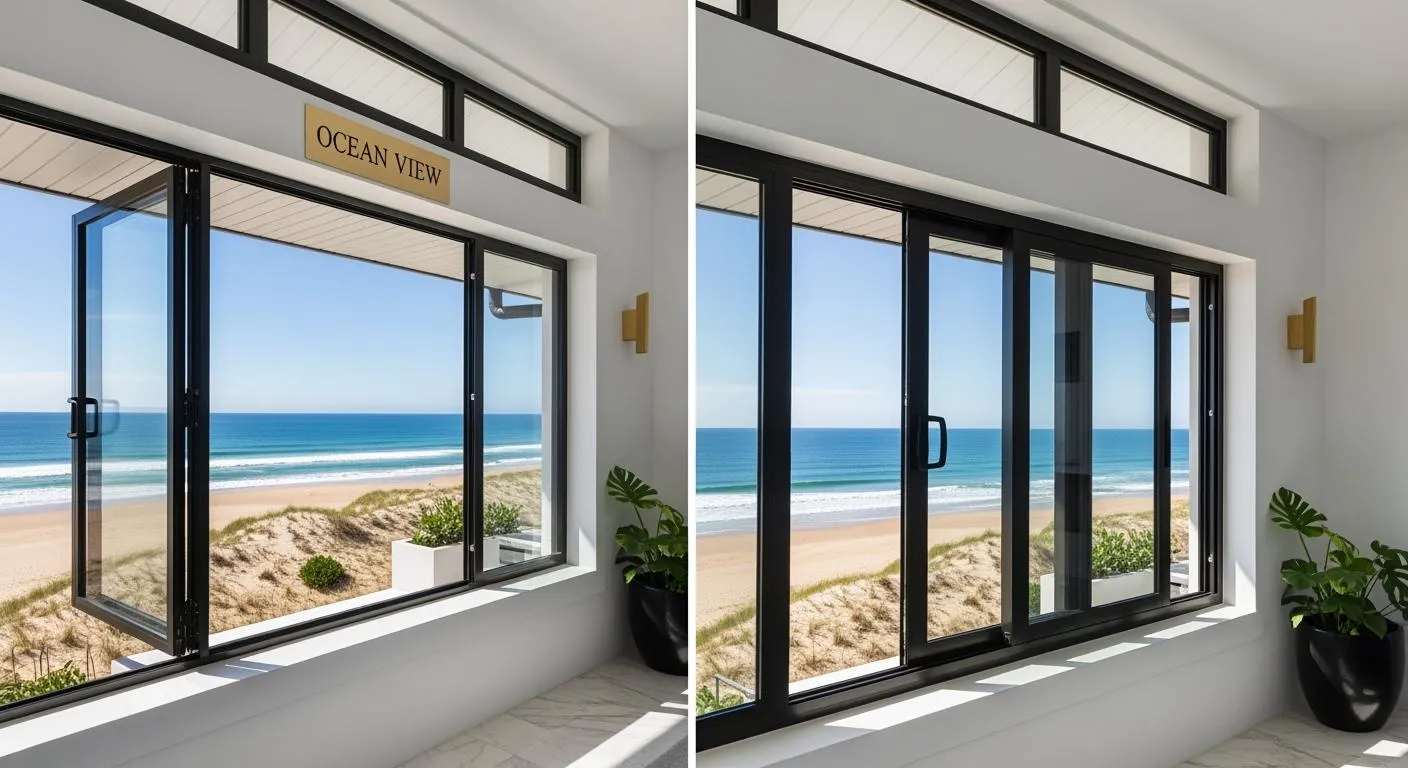
You want the best choice for coastal homes in Australia. Sibolla Building suggests windows with thermally broken aluminum frames. These frames combat salt, wind, and humidity, making them ideal for coastal homes that face harsh weather. You need strong windows that are also easy to care for. While many builders use uPVC and composite frames, thermally broken aluminum is superior for strength and insulation. With Sibolla Building’s smart designs and quality materials, you gain both comfort and safety.
Tip: Thermally broken aluminum frames keep your home cool in summer and warm in winter.
| Frame Type | Description |
|---|---|
| uPVC frames | Modern, insulated, stays strong under sunlight, keeps heat in, easy to care for. |
| Standard aluminium frames | Used in older homes, lets heat move, can cause temperature problems and water drops. |
| Thermally broken aluminium frames | Has a barrier that stops heat from moving, good for new designs. |
| Timber frames | Natural insulator, looks nice, needs care, especially near the coast. |
| Composite frames | Mixes materials for strength and warmth, works well if installed right. |
Key Takeaways
- Casement windows with thermally broken aluminum frames are great for coastal homes. They can handle salt, wind, and humidity well.
- These windows let in a lot of air. You can open them wide to get fresh sea breezes. This helps make the air inside your house better.
- Sliding windows look modern and are simple to use. They work well in places where there is not much space for windows to swing open.
- Pick windows that have good insulation and tight seals. Estimate savings from the actual building, rated product and operating baseline.
- It is important to take care of your windows. Clean them every month to stop salt from building up and to help them last longer.
- Talking to experts from Sibolla Building can help you pick the best window style and materials for your home.
- Buying good windows makes your house look nicer from the outside. It can also make your house worth more if you want to sell it.
- Think about how you live when picking windows. Casement windows are better for letting in air. Sliding windows are easier to use.
Best Choice for Coastal Homes: Quick Answer
Sibolla Building’s Recommendation
Living near the coast means you need tough windows. Sibolla Building says casement windows with thermally broken aluminum frames are best. These windows protect your home from salt, wind, and humidity. You can open them wide for fresh air or close them tight during storms. The crank handle is easy to use, even if it is windy. Casement windows have strong locks to help keep you safe.
Note: Sibolla Building’s casement windows use special seals. These seals stop air from leaking and keep your home comfy all year.
Why This Window Type Excels
You want windows that last and keep you safe. Casement windows are great for many reasons:
- You get clear views of the ocean or garden with nothing in the way.
- The crank is easy for kids and older people to use.
- Tight seals keep salty air and water out, so your home stays nice.
- Strong locks help protect your home, so you feel safe.
- Thermally broken aluminum frames keep heat in or out, saving you money.
Sibolla Building makes these windows for tough coastal weather. The materials do not bend or rot, even when it is humid or stormy. You do not need extra storm shutters because these windows meet weather rules. You get energy savings, safety, and easy care in one window.
If you want the best for coastal homes, choose Sibolla Building’s casement windows. They give you comfort, style, and last a long time.
Casement Windows by Sibolla Building
How Casement Windows Work
You open casement windows by turning a crank. The window moves outward like a door. You can control the air by moving the handle. Open the window wide to let in breezes. Close it tight to keep out wind and rain. The lock keeps the window safe. You see outside clearly because there are no bars. Casement windows close tightly, so your home stays comfortable.
Tip: Casement windows are good for rooms needing fresh air and easy outdoor access.
Key Features for Coastal Areas
You need windows that can handle salty air and strong winds. Sibolla Building makes casement windows with tough materials. The frames use aluminum that does not rust. Marine-grade stainless steel is also used. Vinyl windows and uPVC resist bending and moisture. These materials do not rot or rust, even with salt and water.
- Vinyl windows use strong PVC. They fight corrosion and moisture.
- uPVC frames stay strong in salty air and do not bend.
- Powder-coated finishes stop aluminum from rusting.
- Special seals and weatherstripping keep water and air out.
- Wash frames with fresh water to clean off salt.
- Use silicone lubricant on hardware to keep it smooth.
These windows need little care. Change seals and weatherstripping once a year. Your windows stay new and work well.
Pros and Cons
You want to know what is good and bad about casement windows. The table below shows what you get in coastal homes.
| Advantages | Disadvantages |
|---|---|
| Energy efficiency | Cleaning difficulties |
| Optimal ventilation | Hardware wear |
| Enhanced security | Space considerations |
| Effective airflow | Potential mechanical failures |
| Water resistance | Variability in airflow due to wind direction |
Casement windows save energy because they seal tight. You get fresh air and strong locks. Water resistance is important near the coast. Cleaning the outside glass can be hard if the window opens out. Hardware may wear out in salty air. You need space outside for the window to open. Wind direction can change how much air comes in.
Casement windows from Sibolla Building are a great choice for coastal homes. You get strong windows, comfort, and easy use. Your home stays safe from harsh weather and looks modern.
Sliding Windows by Sibolla Building
How Sliding Windows Work
Sliding windows open when you slide one panel to the side. The window does not swing out or in. You can stop the window anywhere along the track. This lets you control how much air comes in. Sliding windows are good for rooms with little space. You do not have to worry about hitting furniture or plants. These windows give you a wide view outside. You can see the ocean or garden without anything in the way.
Tip: Sliding windows are simple for kids and older people to use. You only need to push or pull gently.
Key Features for Coastal Areas
You want windows that last in salty and windy places. Sibolla Building uses aluminum frames for sliding windows. These frames resist corrosion under suitable conditions and maintenance like steel. The aluminum has a special layer that stops rust. Your windows stay strong and look new for many years. Sliding windows help air move through your home. You can open them wide for fresh breezes. Compare actual quotations and project records before claiming a percentage improvement.
Sibolla Building adds strong frames and double-glazed glass. These features make the window tough and keep rainwater out. You have less chance of leaks during storms. The table below shows how sliding windows handle coastal weather:
| Key Feature | Description |
|---|---|
| Durability | Aluminium frames resist rust and corrosion, outperforming steel by over 300% in coastal conditions. |
| Corrosion Resistance | Aluminium’s protective oxide layer prevents surface oxidation, ensuring long-term performance. |
| Natural Ventilation | Improved airflow by a project-specific amount in tropical apartments compared to fixed window systems. |
| Structural Strength | Reinforced frames and double-glazed designs enhance strength and reduce rainwater intrusion risk. |
Many people pick sliding windows for coastal homes. They are strong, let in fresh air, and are easy to care for.
Pros and Cons
You want to know what is good and bad about sliding windows. The table below helps you compare:
| Pros | Cons |
|---|---|
| Resistance to corrosion | Potential wear due to harsh conditions |
| Low maintenance | Need for specific materials for durability |
| Energy efficiency | Risk of moisture damage if not properly sealed |
Sliding windows resist corrosion under suitable conditions and maintenance. You do not need to paint or treat the frames often. Cleaning is easy because you can reach the tracks. These windows help save energy by keeping heat and cold out. You need to check the seals to keep out water. If you do not check them, moisture can get inside. In bad weather, the tracks may wear out faster. You can stop this by using good materials and cleaning the tracks with fresh water.
Sibolla Building makes sliding windows for tough coastal weather. You get windows that look modern and work well for years. If you want windows that are easy to use and care for, sliding windows are a smart choice.
Weather Resistance and Durability

Image Source: pexels
Salt Air and Corrosion Protection
Living near the coast is hard on buildings. Salt in the air can hurt many materials. You need windows that can handle salty air. Sibolla Building uses marine-grade aluminum and stainless steel. These materials resist corrosion under suitable conditions and maintenance. Your windows stay looking good for a long time.
- Marine-grade aluminum fights salty air and stops rust.
- Stainless steel hardware stays strong and does not corrode.
- Advanced surface treatments give extra protection.
If you take care of your windows, they can last over 30 years. You can relax knowing salt and humidity will not ruin your windows.
Wind and Storm Performance
Coastal homes get strong winds and storms. You need windows that keep your home safe. Sibolla Building makes windows with strong frames and secure locks. These features help windows stay closed when wind is strong.
- Reinforced aluminum frames stand up to high wind.
- Secure locks keep windows shut during storms.
- Double-glazed glass adds strength and helps stop breakage.
You can trust these windows to protect your family. They meet strict rules for wind and storm safety. You do not have to worry when bad weather comes.
Water Tightness
Rain and sea spray can get into weak windows. You want to keep water out of your house. Sibolla Building uses special seals and weatherstripping. These features block water and air leaks.
- Powder-coated finishes protect aluminum frames from water damage.
- Tight seals keep rain and spray outside.
- Proper installation stops leaks before they start.
Aluminum window frames with powder-coated finishes can last 20 to 40 years. You get strong protection, even in tough coastal places. This makes Sibolla Building’s windows the Best Choice for Coastal Homes. You enjoy comfort and safety, no matter the weather.
Ventilation and Comfort
Maximizing Airflow
You want your home to feel cool and fresh. Casement windows help with this. You can open them all the way. This lets lots of air move through your rooms. Sliding windows only open halfway. This means less air comes in. You will notice this when you want to cool down fast or enjoy a strong breeze from the sea.
Casement windows close tightly. This keeps cool air inside in summer. It also keeps warm air inside in winter. This helps you save energy and keeps your home comfy. You get good airflow and use less energy.
Tip: Open casement windows wide to catch the ocean breeze and make your home feel fresh.
Humidity and Mold Control
Homes near the coast have lots of humidity. You need windows that help stop moisture and mold. Humidity window treatments fight high moisture. They stop water drops from forming on your windows. This keeps mold and mildew away and your home healthy.
- Humidity window treatments fight moisture and rust.
- They stop water drops, so mold and mildew do not grow.
- These materials last longer in wet places.
You protect your home by picking windows with these features. You spend less time cleaning and do not worry about mold. Your windows stay strong and look nice for many years.
Breezes and Cross-Ventilation
You want to enjoy breezes and good airflow in your home. The window design helps air move through your rooms. Casement windows catch breezes well. But you may need to close them during storms. Awning windows open from the top. They let air in but keep rain out. Minimal muntins make big openings. This helps air move better.
The table below shows how different windows help with airflow and comfort:
| Window Type | Benefits for Ventilation and Comfort |
|---|---|
| Minimal Muntins | Big openings let more air in and move better. |
| Adjustable Vents | You can control airflow, even if the main window is closed. |
| Casement Windows | Good for catching breezes but may need to close in storms. |
| Awning Windows | Open from the top, let air in, and keep rain out. |
| Insect Screens | Keep bugs out but let air move through. |
| Low-E Glass | Keeps heat in during winter and blocks sun in summer. |
| Combination Windows | Mix fixed and opening windows for better looks and airflow. |
You can use different window types for the best airflow and comfort. Insect screens let you open windows without bugs coming in. Low-E glass keeps your home comfy all year. Picking the right windows gives you a healthy, breezy, and nice place to live.
Maintenance and Longevity
Easy Cleaning and Upkeep
If you live near the coast, you must clean your windows more often. Salt from the air sticks to the frames and glass. This makes them look dull and can cause damage as time goes by. You can keep your windows looking nice and working well with simple cleaning.
- Wash your window frames and glass often to get rid of salt.
- Use clean water and a soft cloth for cleaning. Do not use strong chemicals because they can hurt the coatings.
- Clean the tracks and frames of sliding windows so they move easily.
- Put lubricant on hinges, locks, and cranks of casement windows. This stops rust and keeps them from sticking.
Tip: Set a reminder to clean your windows every month. This helps stop salt from building up and keeps your windows shiny.
Hardware and Seal Durability
You want your windows to last a long time, even when the weather is rough. Good hardware and seals are important. Casement windows use crank handles and strong locks. These press the window tight against the frame and keep salty air and water out. Sliding windows use lift rails and pulls. They also have seals to block drafts.
- Pick windows with stainless steel hardware. Stainless steel does not rust and lasts longer near the ocean.
- Check seals and weatherstripping often. Replace them if you see cracks or damage.
- Casement windows seal better because their design presses the sash tight when closed.
- Sliding windows need clean tracks and good seals to keep water and air out.
Checking your windows often helps you find problems early. You can fix small issues before they become big repairs.
Preventing Coastal Damage
You can protect your windows from coastal damage by doing a few smart things. Start with windows made from materials that resist rust, like aluminum or PVC. Look for powder-coated or anodized finishes. These give extra protection from salt and water.
- Put protective wax or coatings on frames for more protection.
- Clean your windows every month to remove salt and dirt.
- Plan for professional inspections two times a year to find hidden problems.
- Look for rust or salt buildup when you clean your windows.
- Use only good coatings like epoxy or polyurethane for the best protection.
Note: A simple cleaning routine makes your windows last longer and keeps them working well, even in tough coastal weather.
If you pick the right materials and take care of your windows, you get clear views, easy use, and lasting value in your coastal home.
Energy Efficiency in Coastal Homes
Insulation and U-Values
You want your coastal home to stay comfortable all year. Good insulation helps you keep the heat out in summer and the warmth in during winter. U-values measure how well your windows stop heat from moving through them. Lower U-values mean better insulation. Sibolla Building’s windows use thermally broken aluminum frames. These frames have a special barrier inside. This barrier stops heat from passing through the metal. You get a window that keeps your home at the right temperature.
Tip: Look for windows with U-values under 0.30 W/m²·K for the best energy savings.
Glazing and Frame Options
Choosing the right glazing and frame makes a big difference in energy efficiency. You have many options to consider. Each one helps your home stay cool and quiet, even when the weather outside changes.
- Double or triple glazing creates a barrier against heat transfer. You get better insulation and less noise from outside.
- Low-E coatings on glass reflect heat and keep your rooms comfortable. These coatings also block harmful UV rays.
- Argon gas fills between glass panes add extra insulation. This helps keep your home cooler in summer and warmer in winter.
- High-performance frames, like thermally broken aluminum, reduce air leaks. You get less draft and more comfort.
- Vinyl windows resist corrosion, moisture, and warping. They provide excellent insulation for coastal homes.
- Fiberglass windows offer strength and stability. They keep their seal for a long time and can match your home’s style.
You can mix and match these features to fit your needs. Sibolla Building offers custom solutions so you get the best performance for your location.
Reducing Energy Costs
You save money when your windows work hard for you. Energy-efficient windows lower your heating and cooling bills. They also make your home more comfortable. With the right windows, you use your air conditioner and heater less often.
- Double or triple-pane glass keeps heat where you want it.
- Thermally broken frames stop drafts and keep your rooms cozy.
- Low-E glass reflects heat, so your home stays cooler in summer.
- Good seals and weatherstripping block air leaks.
You get comfort, savings, and peace of mind. Estimate savings from the actual building, rated product and operating baseline.
When you choose the right windows, you protect your home from harsh coastal weather and enjoy lower bills. Your home feels better every day, and you help the environment by using less energy.
Aesthetics and Value
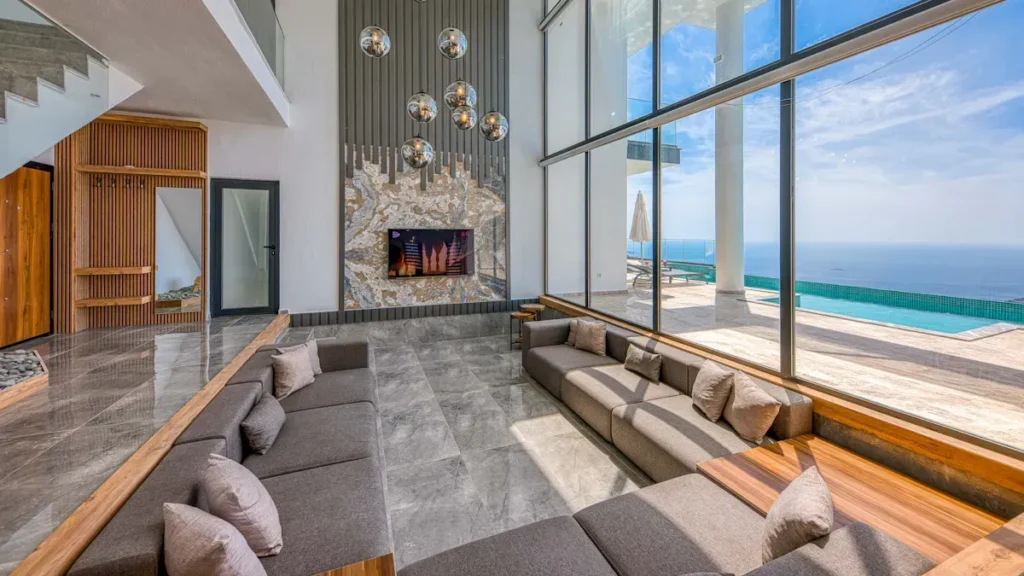
Image Source: pexels
Modern Design Options
You want your coastal home to look modern and feel bright. The right window design can change the whole look of your house. Modern windows do more than just let in air. They help you enjoy the view and bring in natural light. Here are some ways modern window designs make your home stand out:
- Modern windows let in more sunlight. Your rooms feel bigger and brighter.
- Large glass panels frame the outdoors. You see the ocean, garden, or sky from inside.
- Special shapes like round or porthole windows add a nautical touch. These shapes can highlight a special view or corner.
- Soft colors like white, cream, or light gray make your home feel calm. These colors also reflect sunlight, making rooms feel even lighter.
- Oversized windows and doors open up your living space. You get wide, clear views with fewer walls in the way.
Tip: Choose window styles that match your home’s style and the natural beauty around you. This helps your home feel connected to the outdoors.
Enhancing Curb Appeal
You can boost your home’s curb appeal with the right windows. When people see your house, windows are one of the first things they notice. Clean lines and modern frames give your home a fresh look. Large windows make your house look open and welcoming. If you pick windows with slim frames, you get more glass and less metal. This makes your home look sleek and modern.
You can also use window color to match your roof, doors, or trim. Soft, neutral colors work well for coastal homes. They blend with the sand, sea, and sky. If you want a bold look, try a dark frame for contrast. Adding matching doors and windows creates a balanced design. Your home looks well-planned and stylish.
Note: Good window design can make your home stand out in the neighborhood. It shows you care about quality and style.
Resale Value
You want your home to keep its value or even go up in price. The windows you choose play a big part in this. In Australia, buyers look for homes with energy-efficient features. Double glazed windows are a smart choice. They help keep your home cool in summer and warm in winter. These windows also block out noise from the street or ocean winds. Homes with double glazing often sell for more because buyers know they will save on energy bills and enjoy a quieter space.
Single glazed windows may not meet today’s energy standards. If your home has only single glazing, buyers might see it as less valuable. They may worry about higher energy costs or the need to replace windows soon. By choosing modern, energy-efficient windows, you make your home more attractive to buyers. You also help your home stand out in a busy market.
Tip: Investing in quality windows now can pay off later when you decide to sell your home.
Cost and Value for Money
Upfront Investment
When you plan your coastal home, you want to know how much you will spend on windows. Casement and sliding windows have different price ranges. Casement windows usually cost more because they use special hardware and seals. Sliding windows often cost less at the start, making them a good choice if you want to save money right away.
Here is a table to help you compare the average cost range for each window style:
Indicative comparison only: confirm currency, date, specification and scope through current supplier quotations before budgeting.
| Window Style | Average Cost Range (Installed) |
|---|---|
| Casement | $150–$2,500 |
| Sliding | $250–$2,200 |
You see that casement windows can cost more, especially if you choose larger or custom designs. Sliding windows offer a lower starting price, which helps if you have a tight budget. Both types can be customized to fit your needs and style.
Long-Term Savings
You want windows that save you money over time. Casement windows create a tight seal when closed. This helps stop air leaks and keeps your home comfortable. You use less energy to heat or cool your house. Sliding windows have flexible seals. Sometimes, small gaps let air in or out, so you may spend more on energy bills.
Maintenance also matters. Casement windows need regular care for their seals and moving parts. Sliding windows need you to clean the tracks, but they do not have as many moving parts to maintain.
Here is a table that shows how casement and sliding windows compare for long-term savings:
| Feature | Casement Windows | Sliding Windows |
|---|---|---|
| Energy Efficiency | Tight seal, more energy-efficient | Flexible seal, less energy-efficient |
| Maintenance | Regular care for seals and mechanisms | Minimal care, clean tracks |
| Cost Consideration | Higher initial cost, long-term savings possible | Lower upfront cost, good for budget-conscious |
Tip: If you want to save money on energy bills, casement windows can help you in the long run. If you want less maintenance, sliding windows are easier to care for.
Return on Investment
You want your home to keep its value. Upgrading to high-quality windows can give you a strong return on your investment. Buyers look for energy-efficient and durable windows, especially in coastal areas. When you choose the right windows, you make your home more attractive and valuable.
This means you can get back most of what you spend if you sell your home later. Assess value using the actual project cost and local market; no fixed return is guaranteed.
| Return on Investment | Details |
|---|---|
| Typical ROI | Confirm with current project evidence |
Note: Investing in quality windows not only saves you money on bills but also adds value to your home. You enjoy comfort now and a better price if you decide to sell.
Making the Best Choice for Coastal Homes
Assessing Your Location
You need to look at your home’s location before you choose new windows. Living close to the ocean means you face strong winds, salty air, and high humidity. These conditions can damage some window materials and make your home less comfortable. Think about how much wind your house gets and how often storms hit your area. If you live right by the beach, you need windows that seal tightly and resist corrosion. If your home sits a bit farther from the water, you might have more options, but you still want windows that handle moisture well.
Here is a quick table to help you compare window types for coastal homes:
| Window Type | Benefits |
|---|---|
| Casement | Excellent ventilation, high security, energy efficiency, easy-to-use crank, tight seal. |
| Great for humid areas, keeps out salty air, gives clear views. | |
| Sliding | Wide, panoramic views, modern look, easy to open, good for rooms with less space. |
| Sashes slide sideways, popular in new coastal designs. |
Tip: Casement windows work best in places with high humidity because they let in more fresh air and keep out moisture.
Matching Windows to Your Lifestyle
You want windows that fit how you live every day. If you love fresh air and want to keep your home cool, casement windows help you get better airflow. You can open them wide and catch the sea breeze. This helps stop mold and mildew from growing inside your home. If you prefer a modern look and want windows that are easy to use, sliding windows might suit you. They open with a gentle push and do not take up extra space. Sliding windows also give you a wide view of the outdoors, which is perfect if you want to enjoy the scenery.
- Casement windows give you strong security and energy savings.
- Sliding windows offer easy access and a clean, modern style.
- Both types can be made to match your home’s color and design.
Think about which features matter most to you. Do you want more airflow, or do you care more about style and easy cleaning? Your lifestyle will help you decide which window is the Best Choice for Coastal Homes.
Expert Consultation
You do not have to make this decision alone. Sibolla Building has experts who understand the challenges of coastal living. They can help you choose the right windows for your location and lifestyle. When you talk to an expert, you get advice on materials, styles, and features that work best for your home. You also learn how to care for your windows so they last longer.
Note: A quick chat with a Sibolla Building expert can save you time and money. You get a window solution that fits your needs and keeps your home safe and comfortable.
If you want windows that last and look great, reach out to Sibolla Building. Their team will guide you every step of the way, from picking the right style to making sure your windows are installed the right way.
Casement windows with thermally broken aluminum frames are the best for coastal homes in Australia. They keep out salt, wind, and humidity. Sibolla Building gives you strong and energy-saving windows. You should think about what you need and ask Sibolla Building experts for help. Picking the right windows makes your home comfy, strong, and worth more.
Remember: Good windows help you enjoy living by the coast every day.
FAQ
You get the best results with thermally broken aluminum. This material resists salt, wind, and humidity. It stays strong and does not rust. You enjoy long-lasting windows with easy care.
You should clean your windows every month. Salt and dirt build up quickly. Use fresh water and a soft cloth. This keeps your windows clear and protects them from damage.
Yes, you can choose custom sizes, colors, and hardware. Sibolla Building offers many options. You match your windows to your home’s design and needs.
Casement windows open wide. You catch more breeze and fresh air. Sliding windows only open halfway. You get less airflow. Casement windows help you cool your home faster.
You save energy with Sibolla Building windows. Thermally broken frames and double glazing keep heat out in summer and warmth in during winter. Estimate savings from the actual building, rated product and operating baseline.
Tip: Choose marine-grade aluminum and stainless steel hardware. Clean frames often. Use powder-coated finishes for extra protection. These steps help your windows last longer.
You can expect your windows to last 20 to 40 years. Good materials and regular cleaning help them stay strong. You enjoy clear views and reliable performance for decades.
You can talk to Sibolla Building experts. They know coastal challenges. You get advice on materials, styles, and care. You find the best window solution for your home.